Spending $400 to $700 on an air purifier is not something you do without thinking.
If you are already in this range, you have probably gone through more than one Dyson air purifier review and still feel unsure about what you are actually getting.
Dyson markets its purifiers as premium devices. Not just for cleaning air, but also as fans, heaters, and smart home products in one setup.
That sounds great on paper, but the real question is simple. Does the performance match the price? From what stands out, Dyson is not just competing on filtration.
It focuses a lot on how the purifier fits into a connected home. In this blog, the focus stays on what actually matters. What makes Dyson different from regular purifiers?
How the main features work in real use. And how different models fit into needs like large rooms, all-season use, allergies, or small personal spaces.
Real performance, running cost, and overall value are all covered to give a clear answer on whether the price makes sense.
What Makes Dyson Air Purifiers Different?
Dyson takes a different approach to air purification. It is not just a fan with a filter added to it. The system combines Air Multiplier airflow, HEPA H13 filtration, and real-time air-quality sensors.
Everything works together instead of acting like separate parts. The price usually sits between $400 and $650. That is not just for the filter. You are paying for design, sensors, and smart features.
Many cheaper purifiers use similar filters, but they do not move air across the whole room in the same way or offer multiple functions in one device.
What really stands out is how it fits into a voice-controlled home setup. It connects with Alexa, Google Home, and Siri. I found that automation makes a difference.
When air quality drops, the purifier adjusts on its own. That kind of control is something basic models do not offer.
Dyson Air Purifier Build Quality, Design, and Noise Level
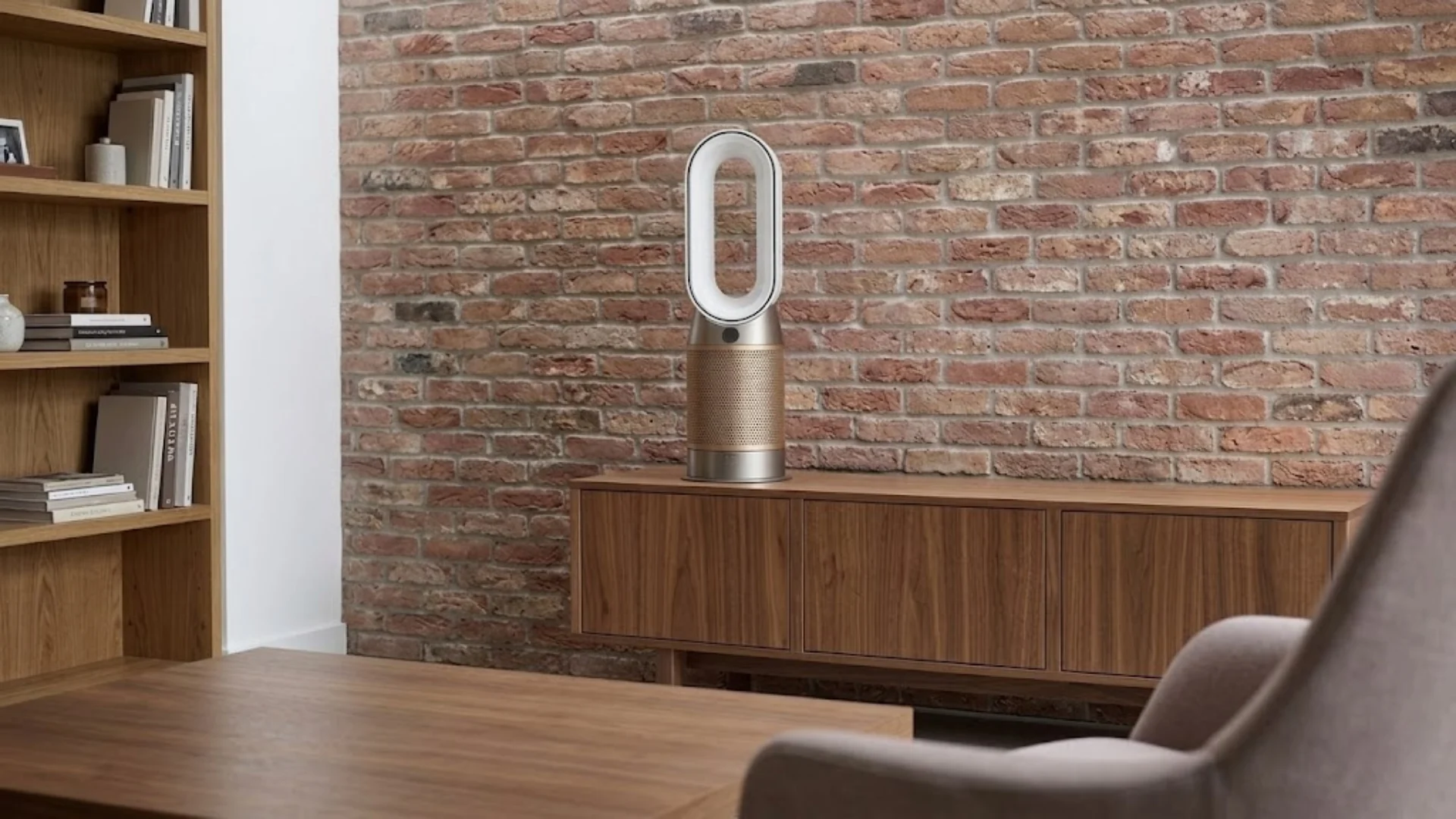
Dyson purifiers use ABS plastic with a matte finish that feels solid in the hand. Nothing feels loose or cheap. The loop and base fit together cleanly, which gives a premium feel right away.
Most models stand between 3 and 4 feet tall, but the design stays slim. For example, the TP07 is around 8 inches wide, so it fits easily next to furniture without taking over the room.
Noise levels stay low in daily use; at speeds 1 to 5, it is quiet, around 25 to 44 dB. At higher speeds, like 8 to 10, the sound becomes more noticeable, reaching about 55 to 63 dB.
I noticed it is still manageable, but not silent. Moving it around is simple since it is lightweight. Setup is quick and takes a few minutes.
One thing to watch: app pairing can fail on 5 GHz Wi-Fi. I had to switch to 2.4GHz to get it working properly.
Dyson Air Purifier Features and Technology Explained
At the core of every Dyson purifier is a 360-degree HEPA H13 and activated carbon filter. It is designed to capture 99.97 percent of particles as small as 0.3 microns.
This includes pollen, dust, pet dander, and mold spores. The carbon layer targets gases, odors, and pollutants like NO2 and benzene.
Air Multiplier technology pulls air from the base and pushes it through the loop, spreading clean air across the room without visible blades.
Smart features include the MyDyson app, which shows real-time data for PM2.5, PM10, VOC, and NO2, along with usage history.
It also supports voice control through Alexa and Google Assistant. Auto mode adjusts speed based on air quality.
Some models, especially in the HP and PH series, also track temperature and humidity. This helps manage overall indoor comfort, not just air quality.
These models also support heating and cooling, making them useful year-round rather the just one season.
Dyson Air Purifier Cool Series
This series combines air purification with cooling, making it a practical choice for warmer areas or homes that need constant airflow along with clean air.
1. Dyson Pure Cool TP10
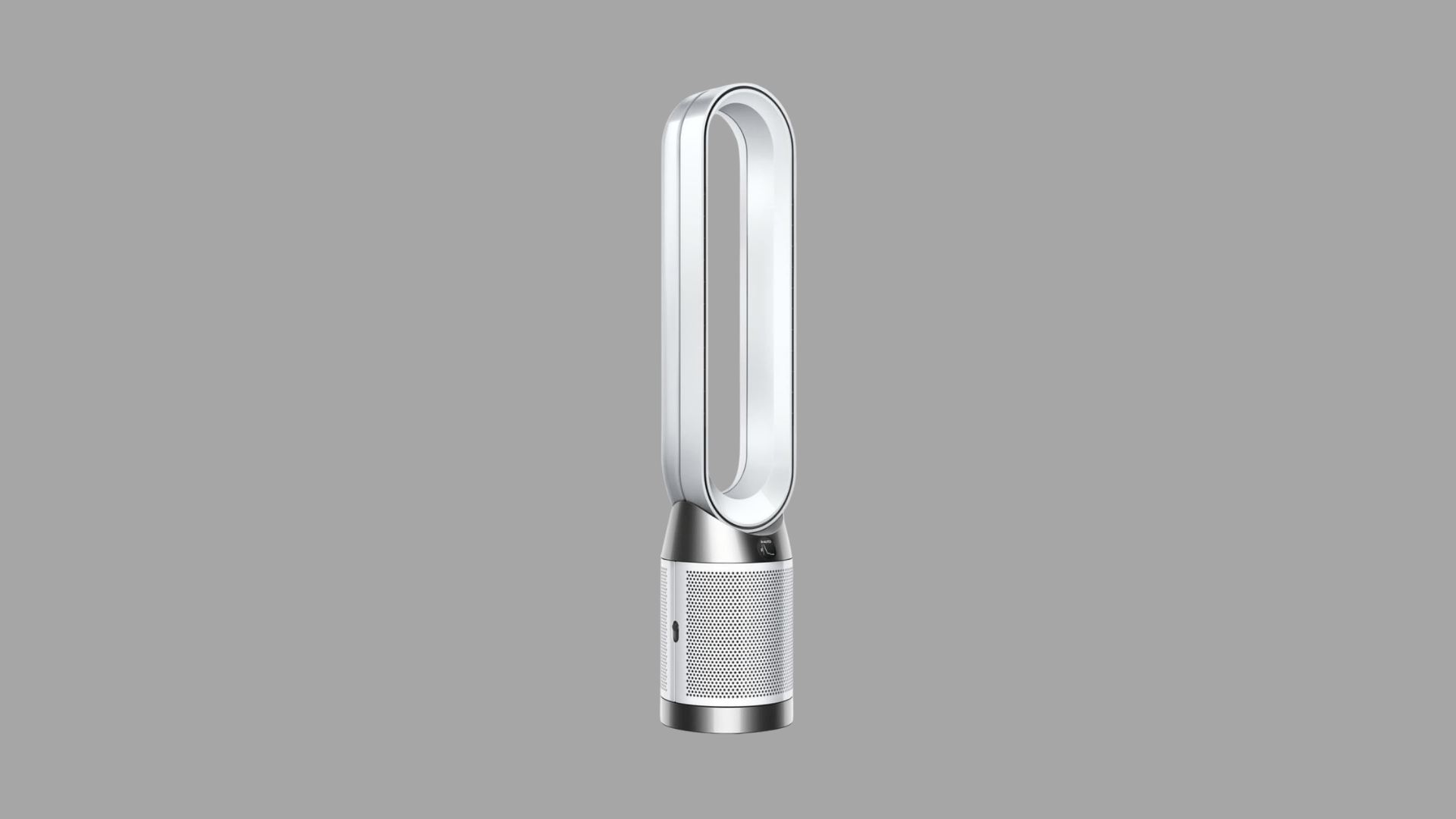
Price: $379.99
The TP10 sits between the older TP01 and the newer smart models, offering a more up-to-date core without full app control.
It uses a sealed HEPA H13 filter and an activated carbon filter that capture up to 99.97 percent of particles as small as 0.3 microns, including dust, pollen, and pet dander.
Air Multiplier technology and 350-degree oscillation help push clean air across the room, making it effective in medium to large spaces up to about 800 sq. ft.
2. Dyson Pure Cool TP07
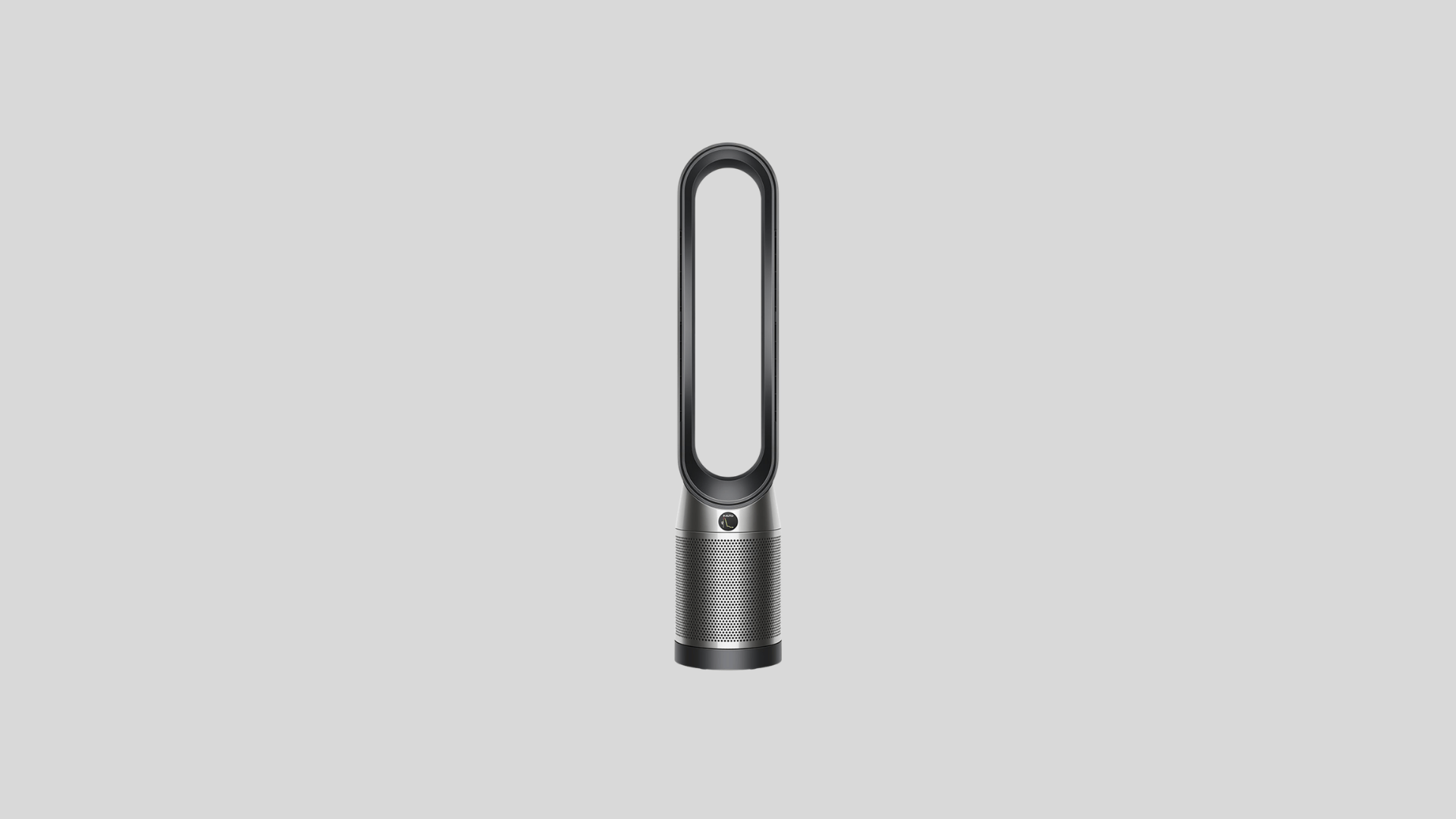
Price: $649.99
The TP07 is the most balanced option in this series. It covers up to 800 sq. ft. and works well in both medium and larger rooms.
It connects to the MyDyson app and shows real-time data for PM2.5, PM10, VOC, and NO2 levels. The sealed HEPA H13 filter handles allergens and fine particles effectively.
Features like Auto mode, night mode, and 350-degree oscillation help with full room coverage. One limitation is that odor control is not as strong as in higher models, since gas filtration is not as advanced.
3. Dyson Purifier Cool PC1
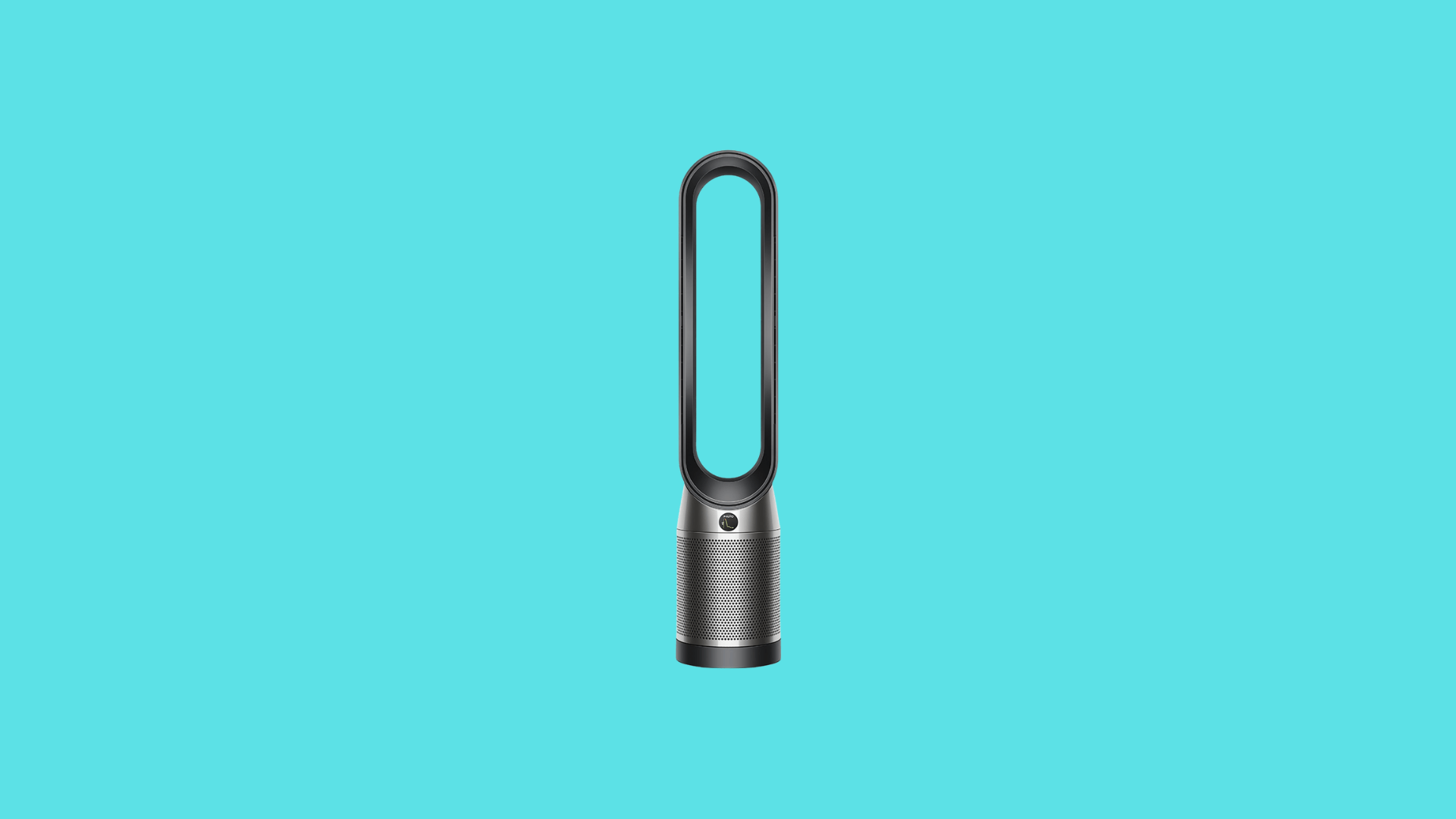
Price: $549.99
The PC1 is a newer generation model that sits between basic and fully advanced Dyson purifiers.
It uses a sealed HEPA H13 and activated carbon filter system that captures up to 99.95 percent of particles and gases, including allergens and VOCs.
It includes built-in sensors that automatically detect pollutants and adjust airflow in Auto mode. The MyDyson app adds real-time air quality tracking, historical data, and remote control, along with support for voice assistants.
Dyson Air Purifier Hot+Cool Series
This series adds heating to the purifier and fan setup, making it useful across all seasons without needing separate devices for different weather.
1. Dyson HP04
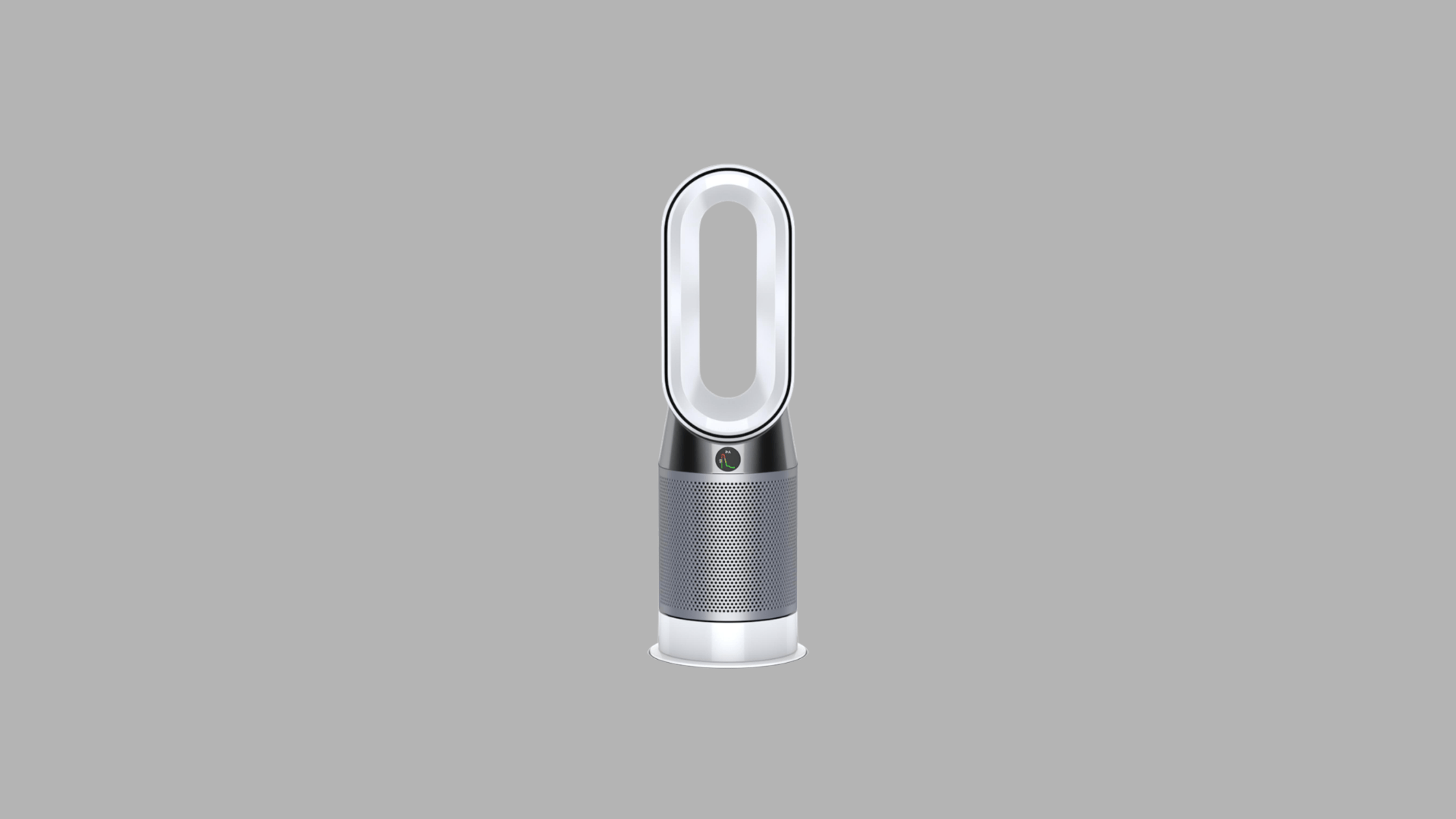
Price: $549.99
The HP04 combines heating, cooling, and air purification in one unit. It covers up to 800 sq. ft. and includes features like Auto mode, a small display, and 350-degree oscillation for even airflow.
Filtration is based on HEPA H13, which handles common allergens well. One limitation is cleaning speed. Compared to some dedicated purifiers, the airflow for purification is lower.
This makes it better suited for users who value heating and cooling alongside air cleaning rather than focusing solely on filtration performance.
2. Dyson HP07
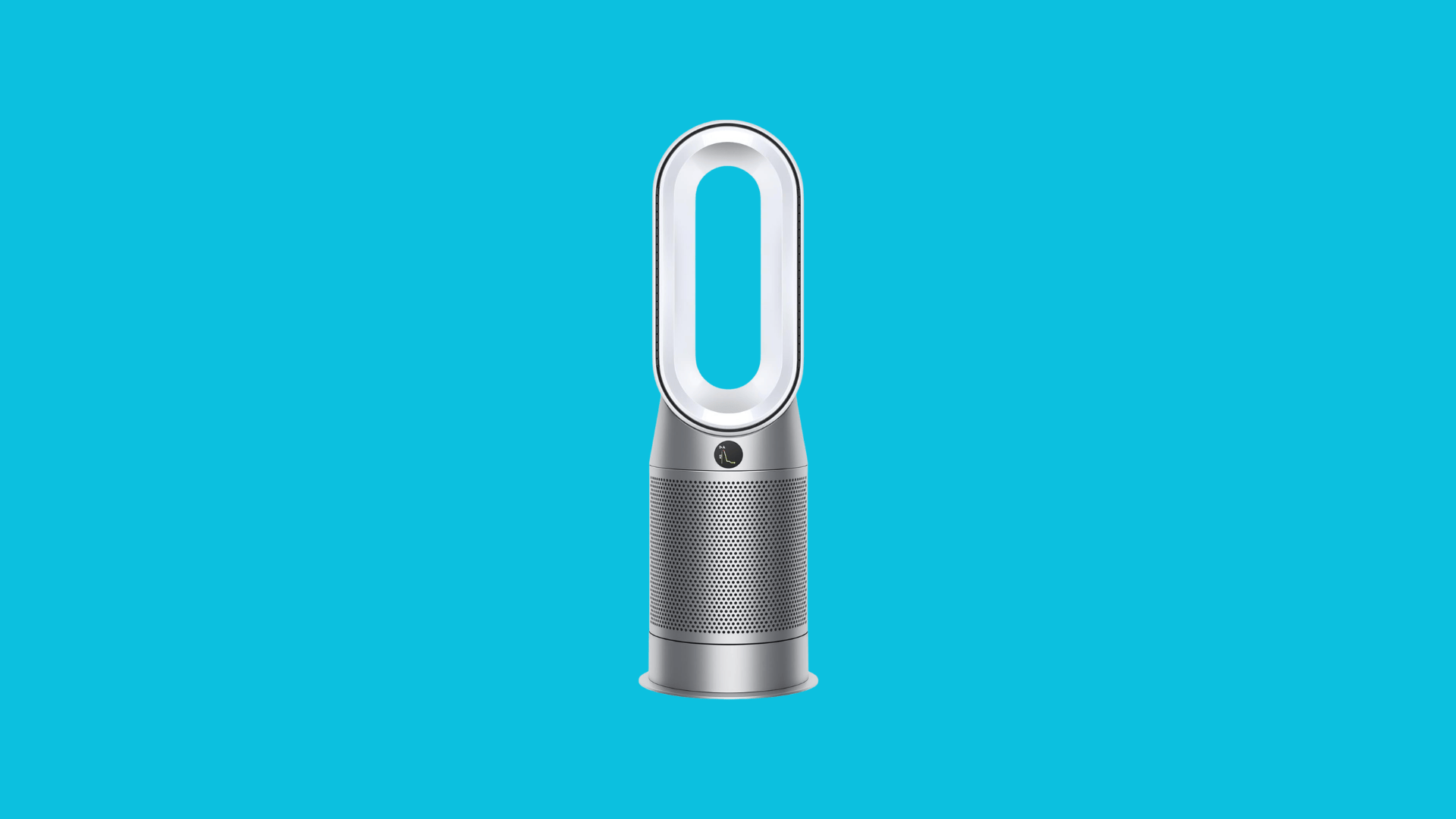
Price: $459.99
The HP07 builds on the earlier model with better airflow and an improved carbon filter for gases and odors. It supports full app control through MyDyson and includes voice assistant compatibility.
Coverage can reach up to 1000 sq. ft. in circulation mode, making it suitable for larger rooms. Auto mode adjusts performance based on air quality, and daily use feels smooth with minimal input.
It works well for users who want a single device for heating, cooling, and consistent background purification.
3. Dyson Purifier Hot+Cool HP10
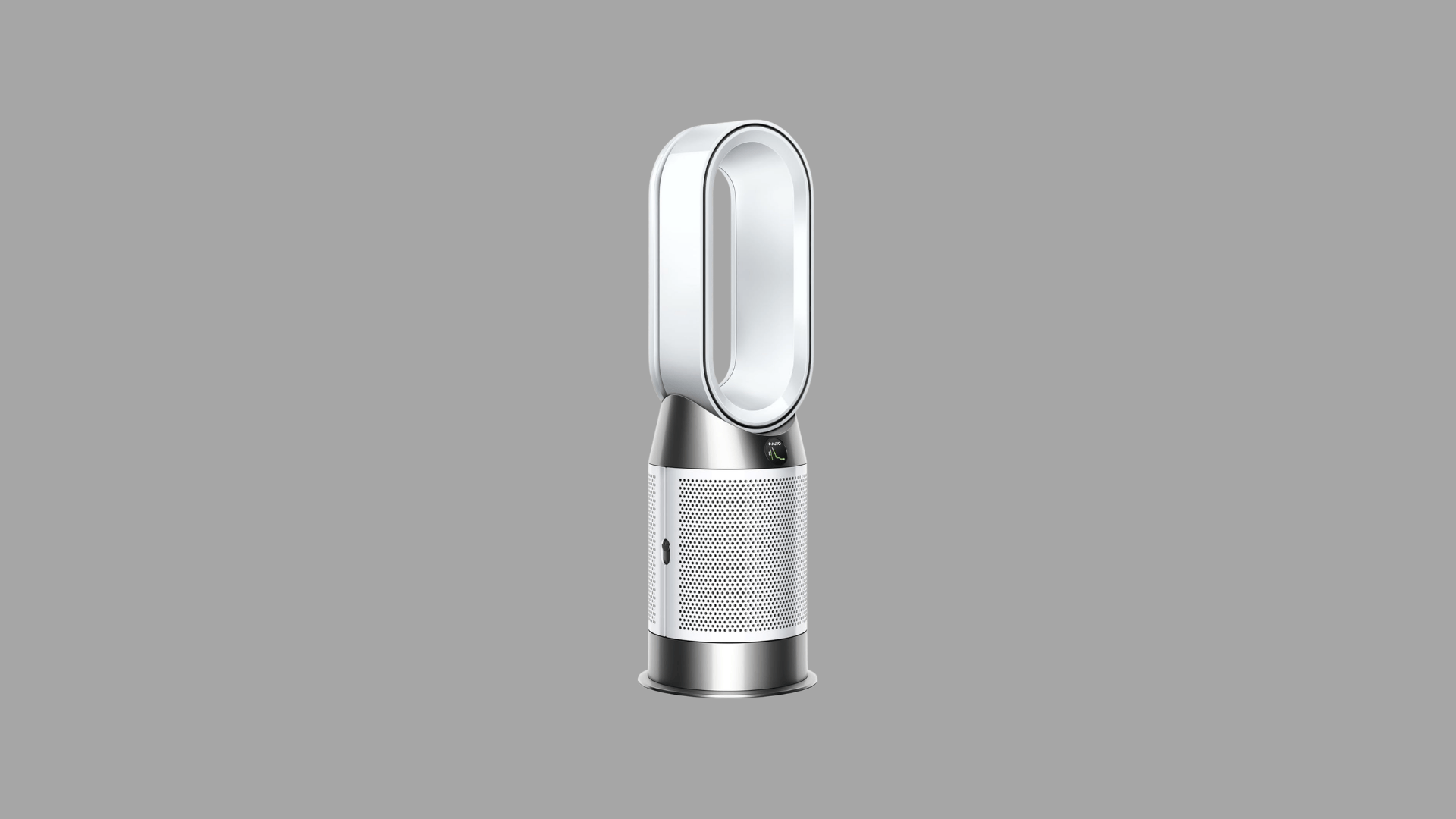
Price: $491.86
The HP10 represents a more refined version of this lineup. It keeps the same HEPA H13 filtration and heating features but improves sensor accuracy and response time.
Air quality changes are detected faster, and fan speed adjusts more precisely in Auto mode. App integration is also more polished, making control and monitoring easier.
This model is aimed at users who want the latest version with improved automation and are comfortable paying more for a newer, more responsive system.
Dyson Air Formaldehyde Series
This series focuses on removing formaldehyde, a common indoor pollutant released from furniture, paint, and flooring that standard filters cannot fully eliminate.
1. Dyson Purifier Cool Formaldehyde TP09
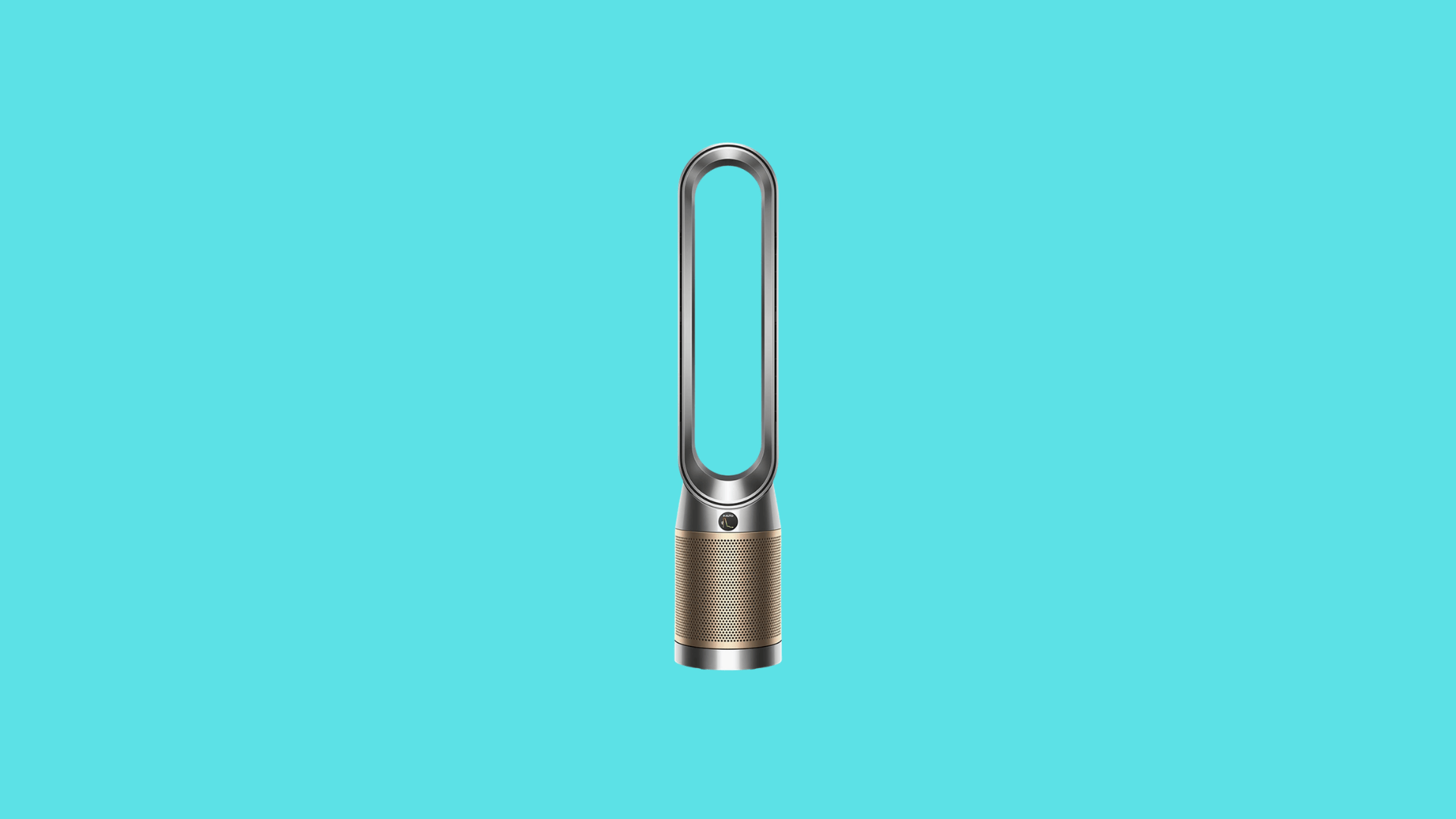
Price: $498.49
The TP09 includes a catalytic filter that breaks down formaldehyde into water and CO2 at a molecular level. Unlike carbon filters, this layer does not become saturated and does not need to be replaced over time.
It also includes HEPA H13 filtration for particles and gases, as well as full app support and real-time monitoring.
Coverage reaches around 800 sq. ft., making it suitable for medium- to large-sized rooms. It works well for users who want long-term formaldehyde control without recurring filter costs.
2. Dyson Purifier Hot+Cool Formaldehyde HP09
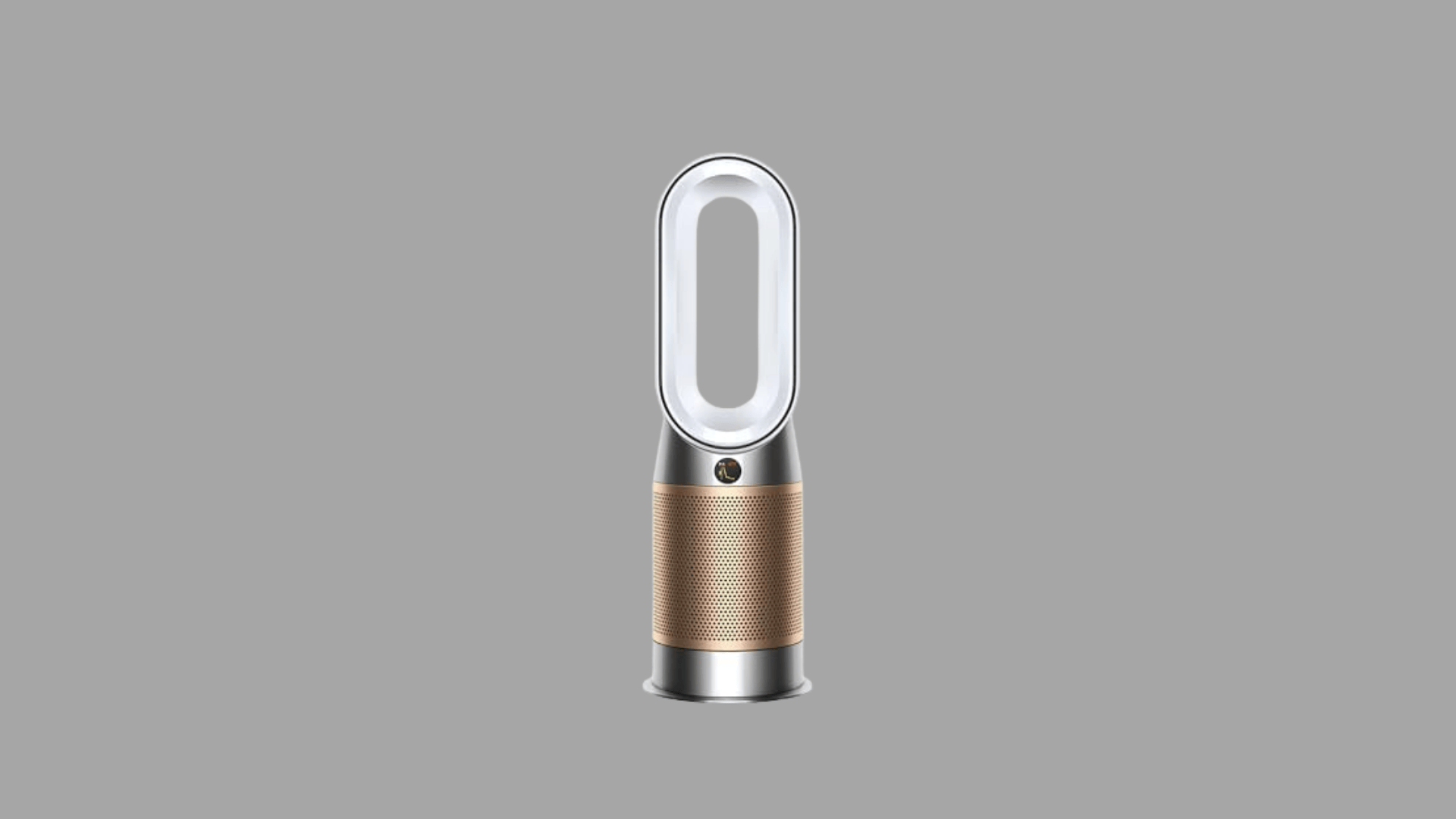
Price: $829.00
The HP09 combines heating, cooling, purification, and formaldehyde removal in one unit. It covers up to 1000 sq. ft. and includes full smart features through the MyDyson app.
The catalytic filter continuously destroys formaldehyde, while the HEPA H13 filter handles allergens and particles.
This model is especially useful in newer homes or recently renovated spaces where gas release is higher. It offers a complete setup for users who want year-round use, along with advanced air-quality control.
3. Dyson Purifier Big+Quiet Formaldehyde BP03
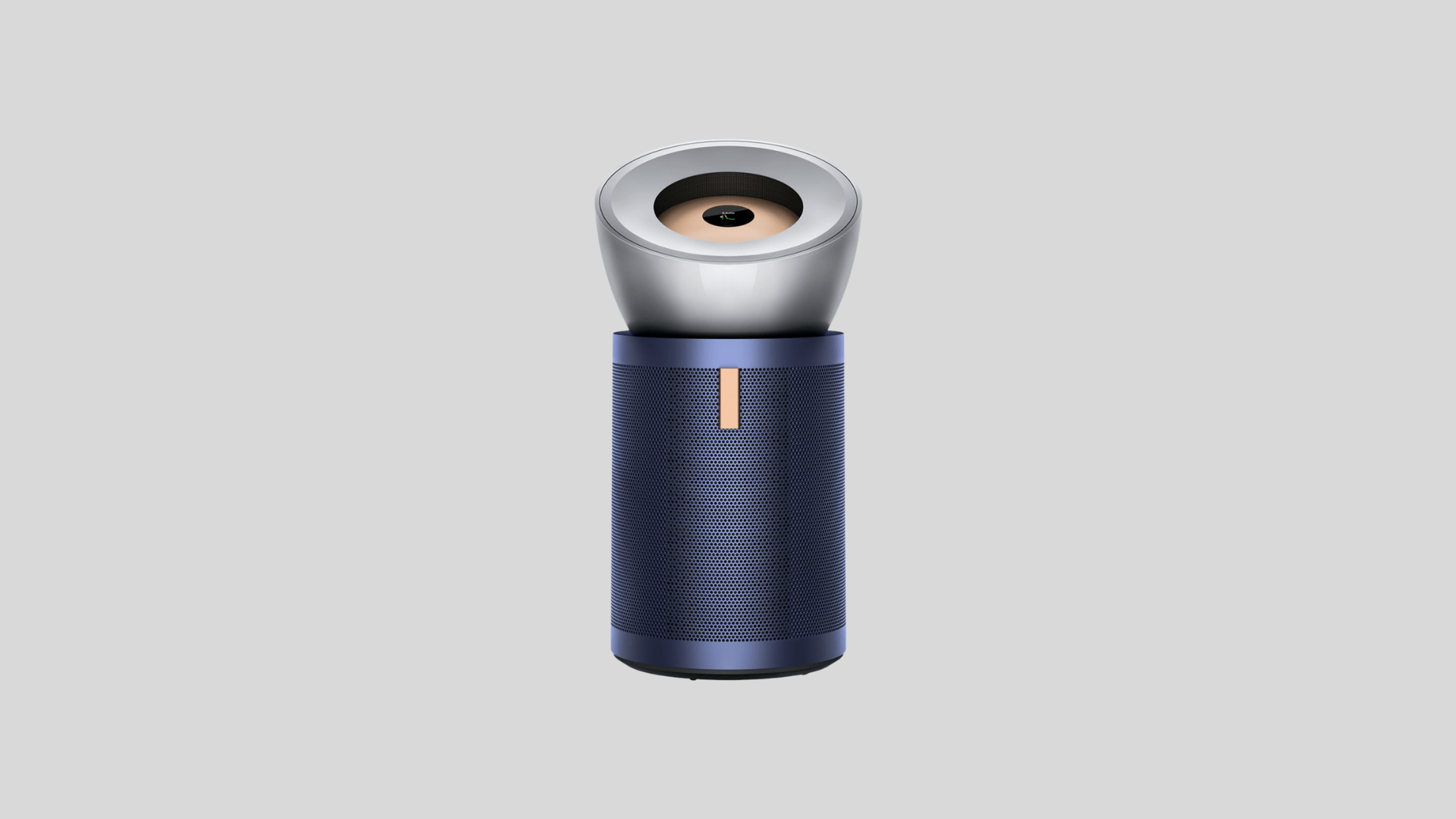
Price: $927.50
The BP03 is designed for large spaces and focuses on high-output purification. It uses a much larger HEPA H13 filter than standard models, which improves air-cleaning speed.
It can clear smoke particles in a large room much faster than other Dyson models. Sensors track multiple pollutants, including formaldehyde, in real time.
This model does not include heating or oscillation, but it prioritizes strong airflow and quieter operation. It is best suited for large open areas where purification performance matters most.
Dyson Air Desk and Compact Models
Not every space needs a full tower purifier. These models focus on personal use and smaller areas where direct airflow matters more than full room coverage.
1. Dyson Pure Cool Me BP01
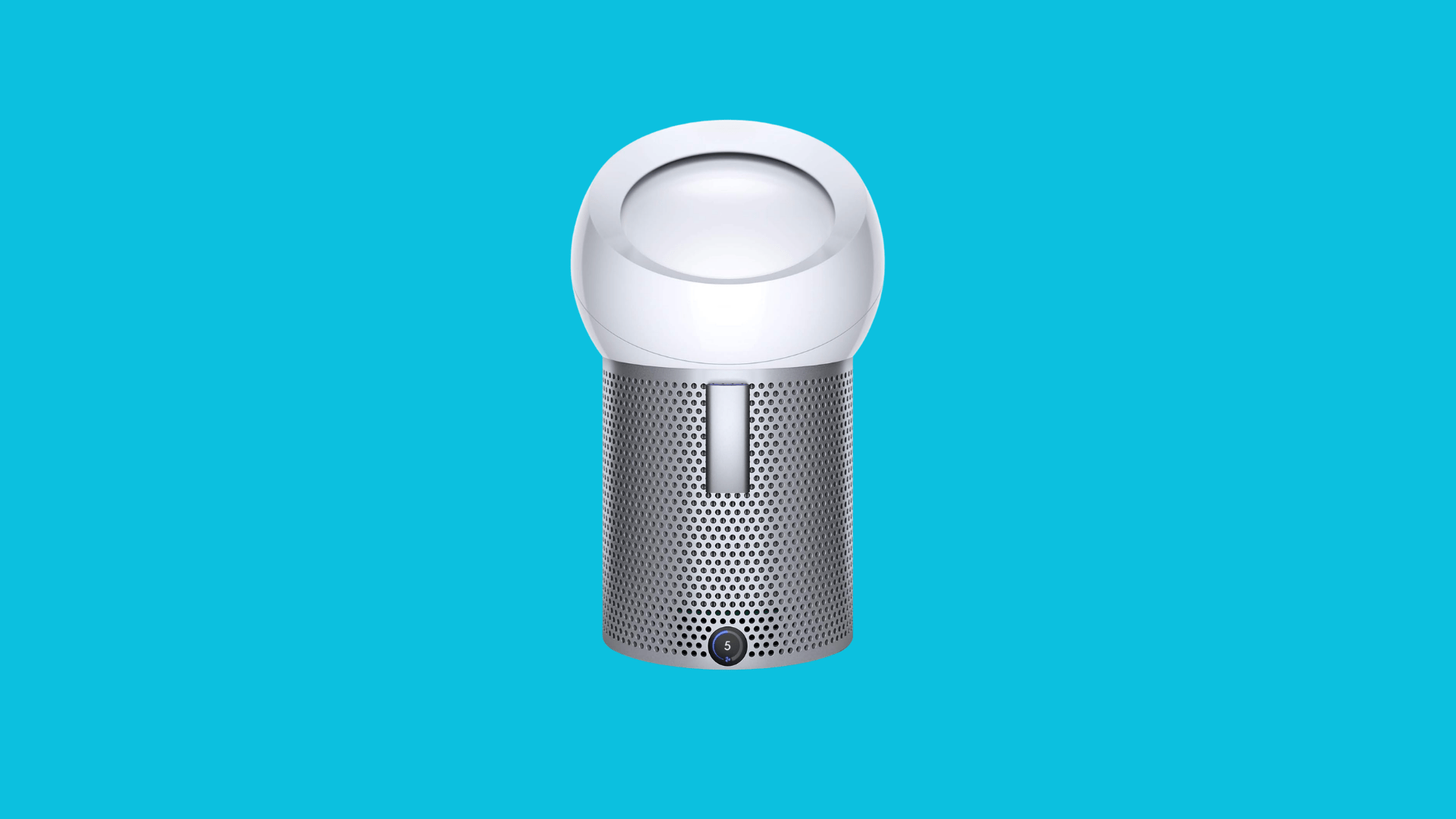
Price: $336.99
The BP01 is built for personal use rather than whole-room purification. It pushes clean air directly toward the user using a dome-shaped deflector that allows precise airflow control.
Coverage stays within a small range of about 3 to 5 feet, making it ideal for desks or bedside use. It includes a HEPA filter for basic particle removal but does not offer app support or air quality sensors.
This model works well for shared spaces where individual airflow is needed without affecting others nearby.
2. Dyson Big+Quiet BP04
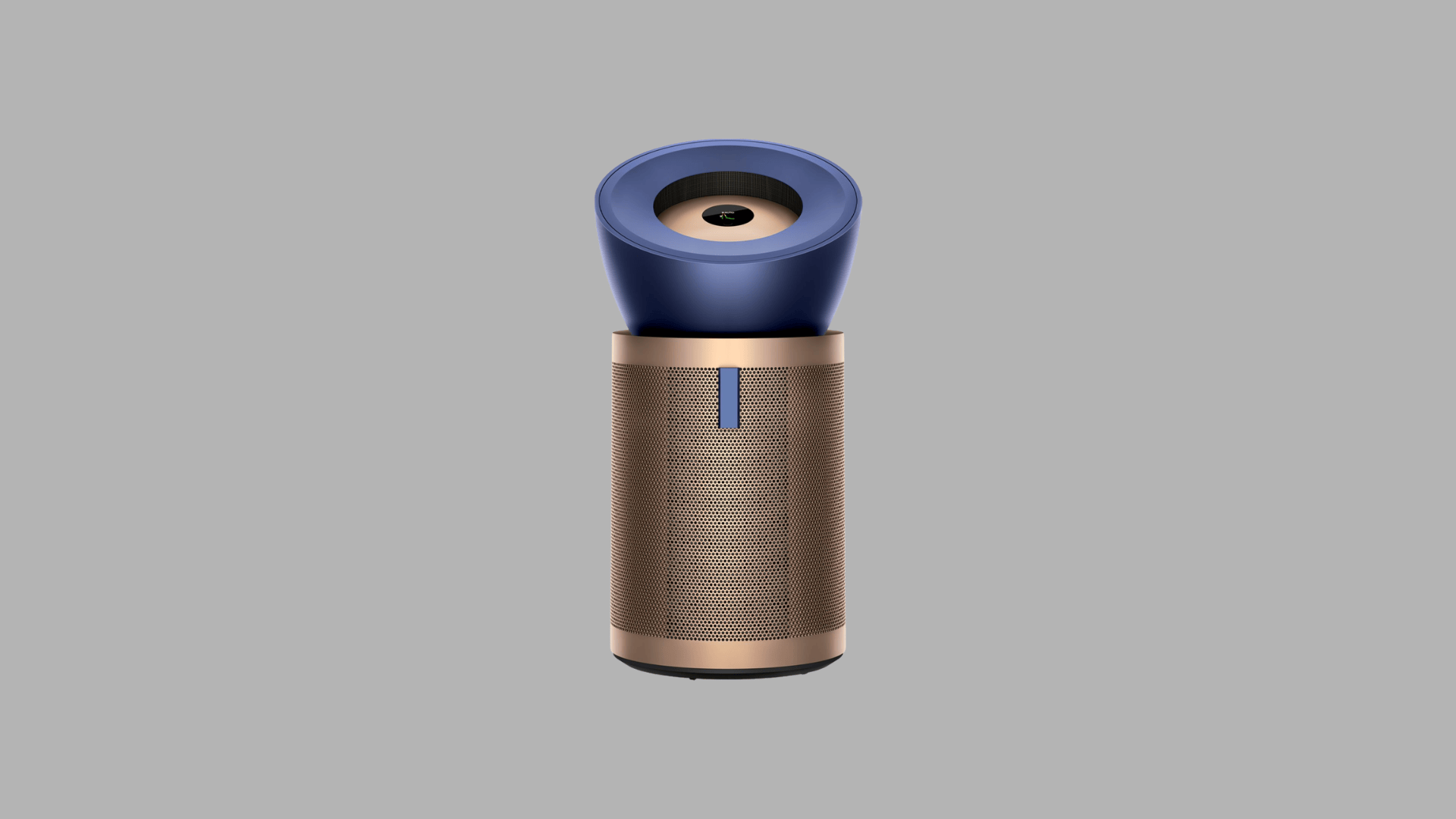
Price: $799
The BP04 focuses on high airflow and quiet performance for larger spaces. It uses a larger filter surface than other models, improving purification speed and efficiency.
Even without formaldehyde tracking, the design stands out for its ability to clean air in big rooms without adding much noise.
It is expensive, but it offers a different kind of solution for users dealing with outdoor air quality issues. This makes it a good choice for users who want powerful purification in large areas without extra features.
3. Dyson Zone
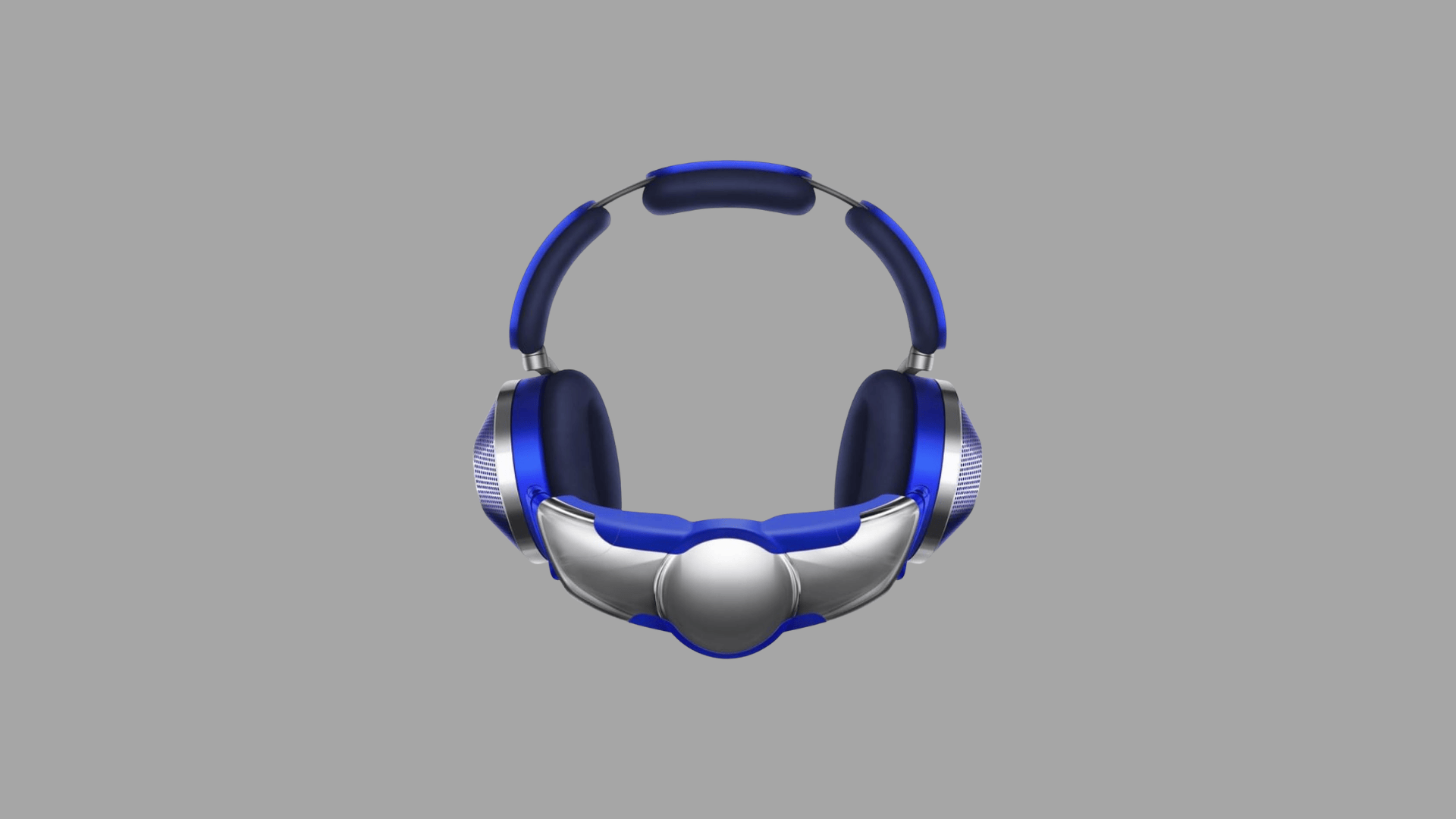
Price: $191
The Dyson Zone is a personal air purifier designed for use outside the home. It combines noise-cancelling headphones with a visor that directs filtered air toward the nose and mouth.
It uses electrostatic filters to capture very fine particles and features a carbon layer for gas filtration.
This is not meant for room purification, but for personal protection in polluted environments like traffic or construction areas.
Dyson Air Purifier Energy Use and Maintenance Costs
Dyson purifiers are Energy Star certified and usually draw between 35 and 56 watts on mid-level settings.
This sits in a reasonable range for their size and airflow output, especially compared to other energy-saving smart devices running in the same home.
Running a TP07 for around 8 hours daily can cost roughly $3 to $5 per month, depending on electricity rates. For a device that runs regularly, this stays within an acceptable range.
Filter replacement is where long-term cost matters more. The 360 Combi HEPA and carbon filter typically lasts up to 12 months with average use.
Replacement costs usually range from $50 to $75, depending on the model. Some newer models, like the BP03, claim up to 5 years of filter life under specific test standards, which can lower yearly expenses.
One thing that stands out is filter availability. Dyson uses a more standardized filter design across models, so replacements are easy to find on multiple platforms.
I have seen cheaper purifiers become useless when filters go out of stock, which makes long-term reliability a real factor here.
Dyson Air Purifier Pros and Cons: What You Actually Get
A clear look at where Dyson stands out and where it falls short, helping you understand if the features match the price you are paying.
| Pros | Cons |
|---|---|
| HEPA H13 filtration with third-party validation | CADR ratings not officially shared |
| Tracks PM2.5, PM10, VOC, NO2, and formaldehyde via app | Cleaning speed similar to lower priced models |
| Multi-use design with fan and heating or cooling options | Air cleaning may take longer in the same room size |
| Supports Alexa, Google Assistant, and Siri shortcuts | Filter replacements cost more per year |
| Slim bladeless design with magnetic remote | Higher price includes design and smart features |
Is the Dyson Air Purifier Worth the Price?
Dyson air purifiers sit in a very specific space. They are not built to be the most powerful option for pure air cleaning at the same price.
Instead, the focus is on combining multiple functions into one device. You get air purification, cooling, or heating in some models, and smart control in a single unit. That changes how the product fits into daily use.
If the main goal is maximum particle removal for the money, other brands like Blueair, Coway, or Levoit usually perform better in terms of raw cleaning speed.
Dyson does not lead in that area. The value comes from design, ease of use, and smart home integration. For users who want more than just filtration and prefer an all-in-one setup, the price can make sense.
Conclusion
After testing different models and use cases, the takeaway from this Dyson air purifier review is clear. These are well-built smart home devices that also clean air effectively, not just basic purifiers.
The TP07 stands out as the most balanced option. It offers strong airflow, reliable HEPA H13 filtration, and a solid app experience at a price that still feels reasonable for what it delivers.
The newer TP11 is a better starting point if budget is a concern. For homes with higher levels of pollution or smoke, the TP09 adds extra value with its formaldehyde control.
Larger spaces benefit more from the BP03, which handles high airflow quietly. There are faster and cheaper purifiers available.
But Dyson focuses on how everything works together. For users who want fewer devices and better control, that difference matters.
If you are deciding between Dyson and another brand, it comes down to priorities. Pure performance or a more complete setup. Share your thoughts in the comments and let others know what worked best for you.
Frequently Asked Questions
How Long Does It Take for a Dyson Air Purifier to Clean a Room?
It depends on room size and fan speed. In most cases, noticeable improvement happens within 30 to 60 minutes in medium-sized rooms.
Can Dyson Air Purifiers Run All Day?
Yes, they are designed for continuous use. Auto mode helps adjust performance, so they do not run at full power all the time.
Do Dyson Air Purifiers Remove Pet Hair and Dander?
They handle pet dander and fine particles well. Larger hair usually gets trapped around the filter rather than fully inside it.
Is Dyson Better than Other Air Purifier Brands?
It depends on what you need. Dyson focuses on design and smart features, while other brands may offer stronger raw purification at lower prices.
Where Should You Place a Dyson Air Purifier?
It works best in open areas with some space around it. Avoid placing it too close to walls or behind furniture for better airflow.