How can smart home sensors alter your daily life? The shift to connected home technology relies heavily on these sensors to make everyday tasks more efficient and secure.
Smart home sensors work in the background, helping automate lighting, security, temperature control, and more.
Knowing how they integrate into an effortless experience can upgrade your home’s functionality.
With the right setup, these sensors interact with your other devices, creating an environment that anticipates your needs.
Whether it’s adjusting your thermostat based on movement or sending alerts when motion is detected, the possibilities are vast.
As connected home technology evolves, these sensors play a key role in making that vision a reality.
Let’s learn how they enhance convenience and security in modern living spaces.
What are Smart Home Sensors?
Smart home sensors are small devices that monitor changes in the home and send data to a central hub, smartphone, or automation system.
They track specific conditions such as motion, temperature, humidity, air quality, water leaks, light levels, or door and window activity.
When a change is detected, the sensor triggers an alert or automation, allowing the home to respond automatically.
For example, a motion sensor can turn on lights, a water leak sensor can send an instant warning, and a contact sensor can notify the homeowner when a door opens.
These sensors improve safety, energy efficiency, and everyday convenience by helping a home operate with minimal effort.
They work quietly in the background yet play a significant role in creating a connected environment that adapts to daily routines and supports a smoother, more secure living experience.
Top Brands and Manufacturers of Smart Home Sensors
The brands listed below offer reliable smart home sensors designed for convenience, safety, and smooth automation. Each one supports different ecosystems, budgets, and connectivity needs.
- Aqara: Offers Zigbee-based multi-sensors (motion, temp, humidity, light) and door/window contacts; praised for HomeKit compatibility and low cost.
- TP-Link Tapo: Budget-friendly motion, temp/humidity, and vibration sensors excel in WiFi setup and Alexa/Google integration.
- Philips Hue: Motion and temperature sensors tied to its lighting ecosystem are reliable for automation, with Matter support.
- Ring (Amazon): Flood, freeze, and contact sensors; seamless with Echo devices and strong app alerts.
- Samsung SmartThings: Hub-integrated sensors for motion, water, and multi-function; broad ecosystem support.
List of Top MotionSensor Products
These devices detect movement to trigger lighting, alerts, or automation routines. They help improve security, energy savings, and hands-free convenience in different areas of the home.
1. Aqara Motion Sensor P1
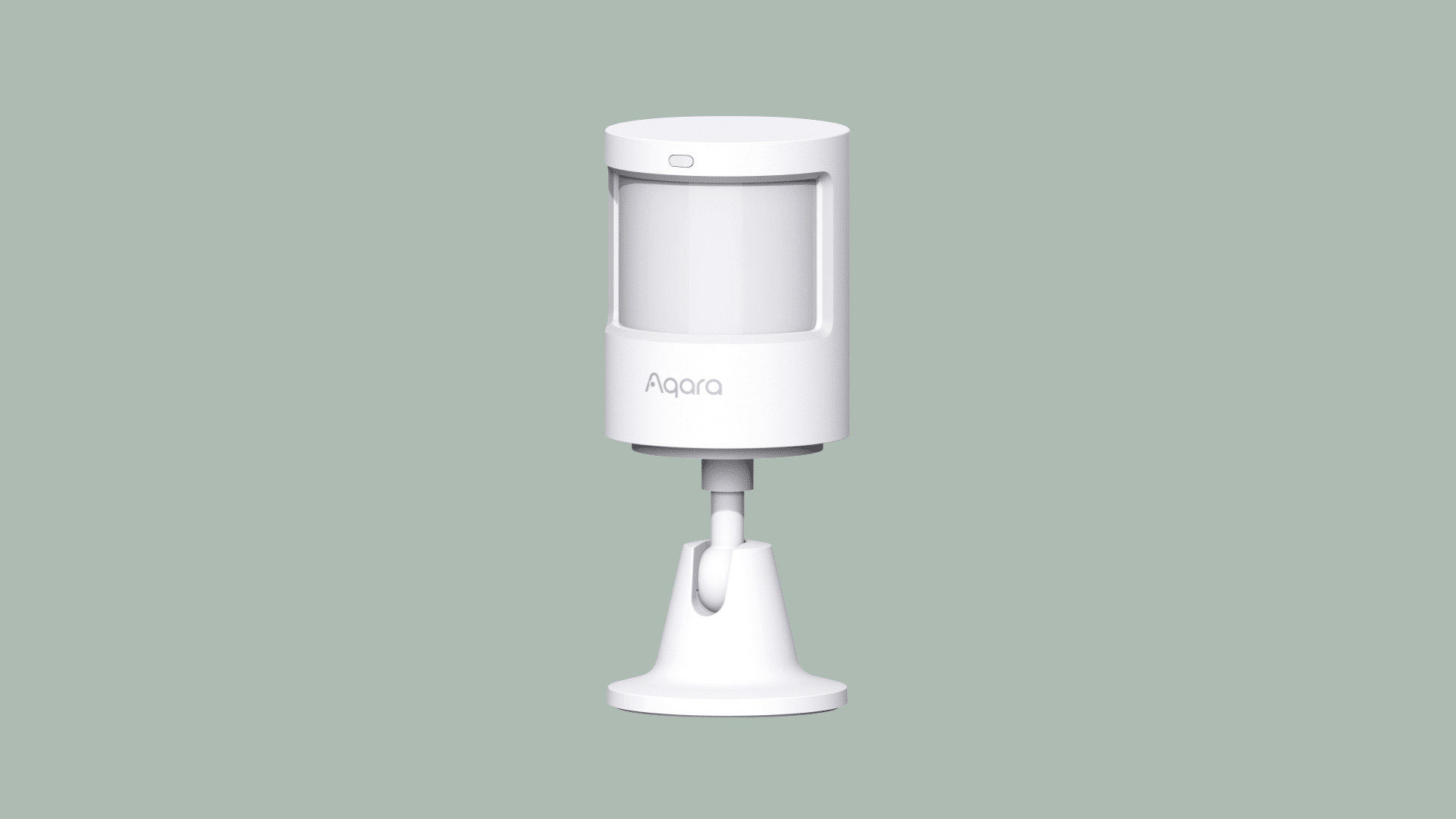
This model uses PIR technology to detect movement with a 120-degree field of view and a range of up to seven meters.
Its long battery life supports extended use, making it suitable for hallways, living rooms, or entry points.
The device pairs with compatible hubs and integrates additional features like light and temperature detection to assist with automation routines.
2. TP-Link Tapo T100
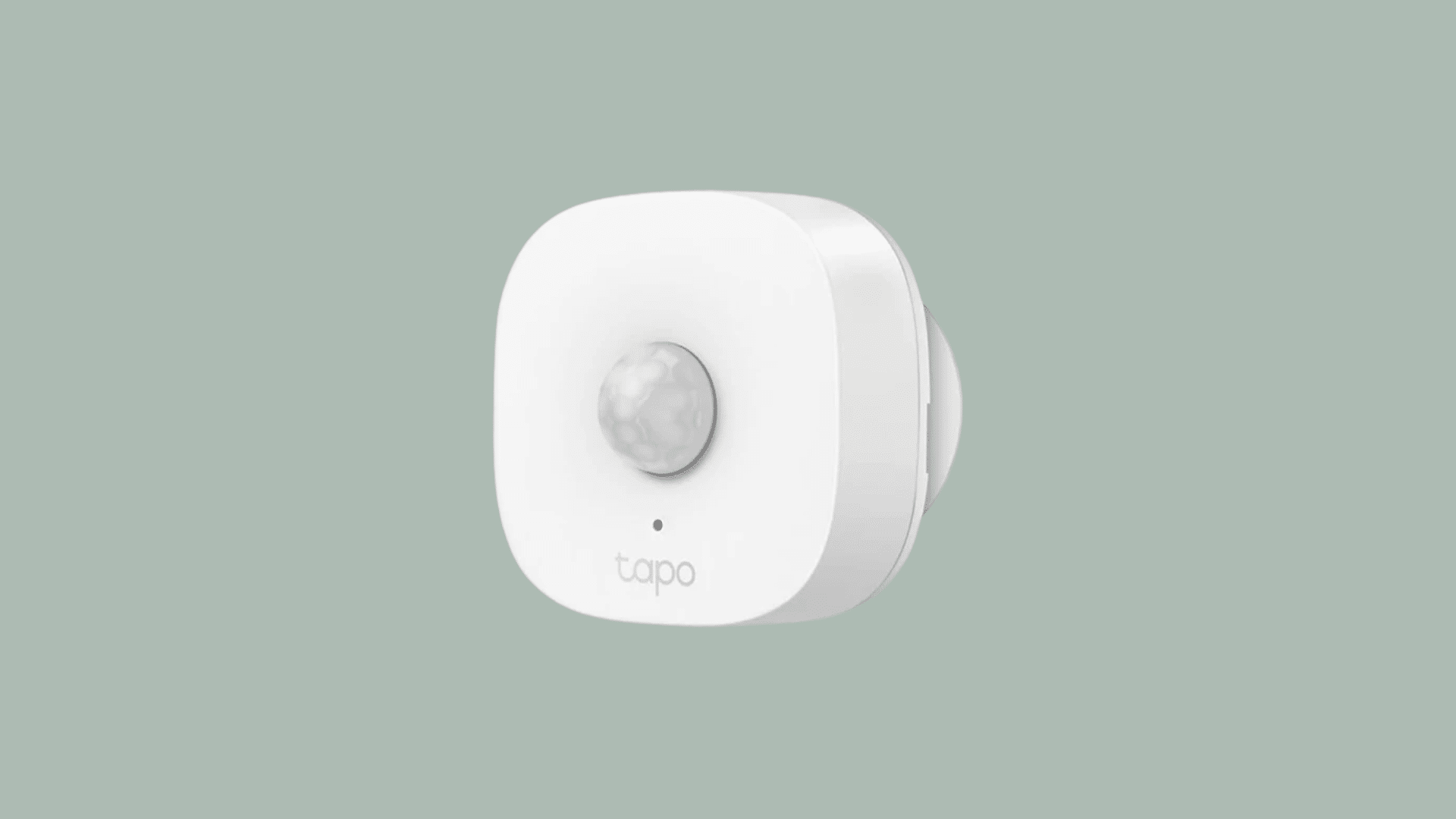
TP-Link Tapo T100 smart home sensors, an indoor unit, uses PIR sensing with a 120-degree field of view and a six-meter detection range, offering balanced motion monitoring for common household spaces.
Sensitivity adjustments help tailor response levels for rooms with pets or frequent movement.
The sensor pairs easily with the Tapo app for quick setup and integration into automation routines involving lighting, alerts, or smart plugs.
3. Philips Hue Motion Sensor
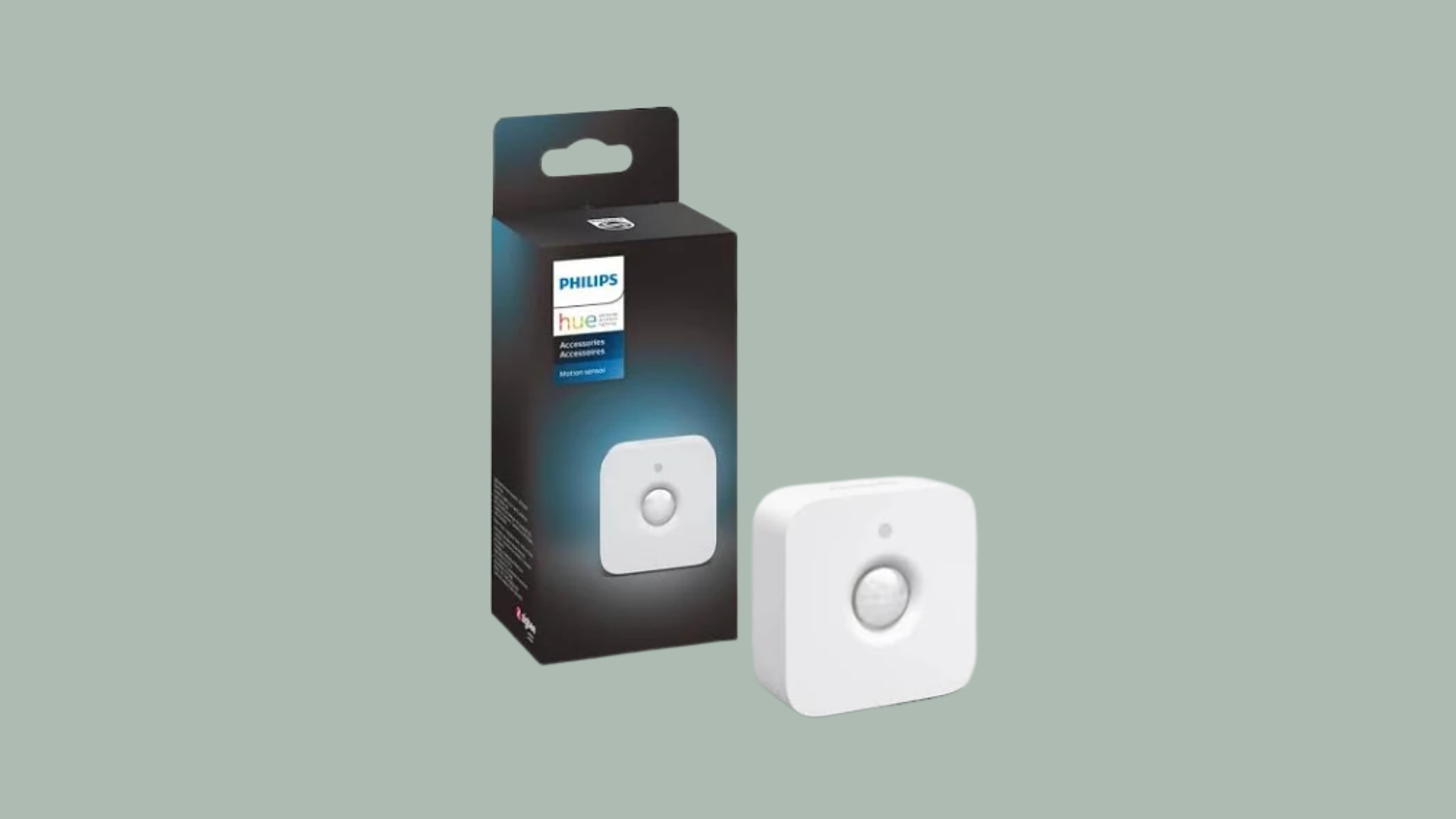
It integrates motion, temperature, humidity, and light-level monitoring in one device, supporting advanced automation within the Hue ecosystem.
Its five-meter detection range and 100-degree coverage make it effective for activating lights in hallways, bathrooms, or living rooms.
Matter compatibility ensures broader integration beyond lighting-focused environments.
4. Eve Motion
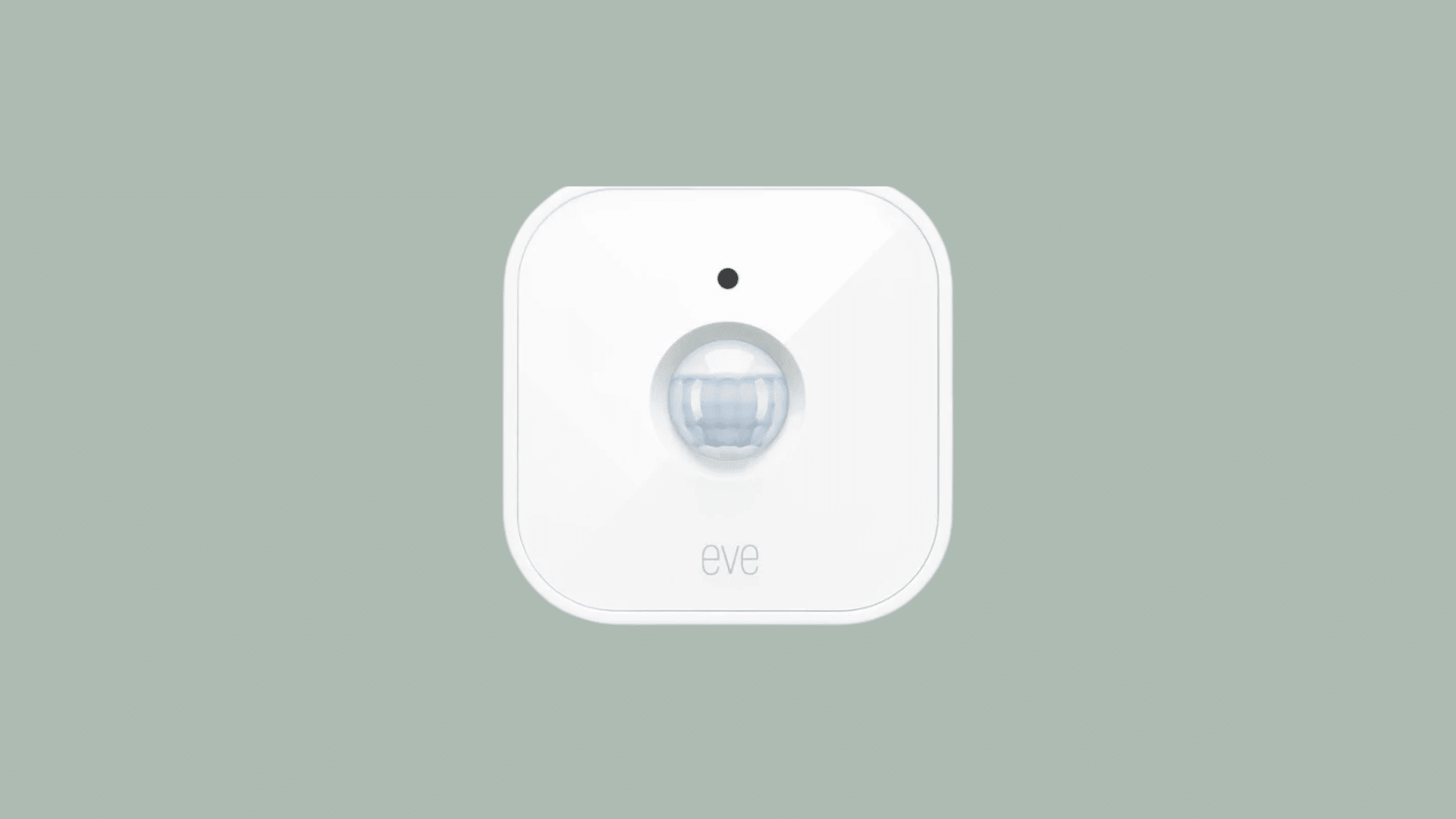
This unit offers a nine-meter detection range with 120-degree coverage, making it effective for large rooms or wider entry paths.
Thread connectivity enhances responsiveness and network stability within compatible ecosystems.
Its ambient light sensing enables lighting routines that match environmental conditions, improving comfort and energy use.
Top Door/Window/Contact Sensors
Devices in this category monitor entry points and structural openings, helping track activity, improve security, and trigger automations, such as lighting or alerts.
5. Aqara Door and Window Sensor P2
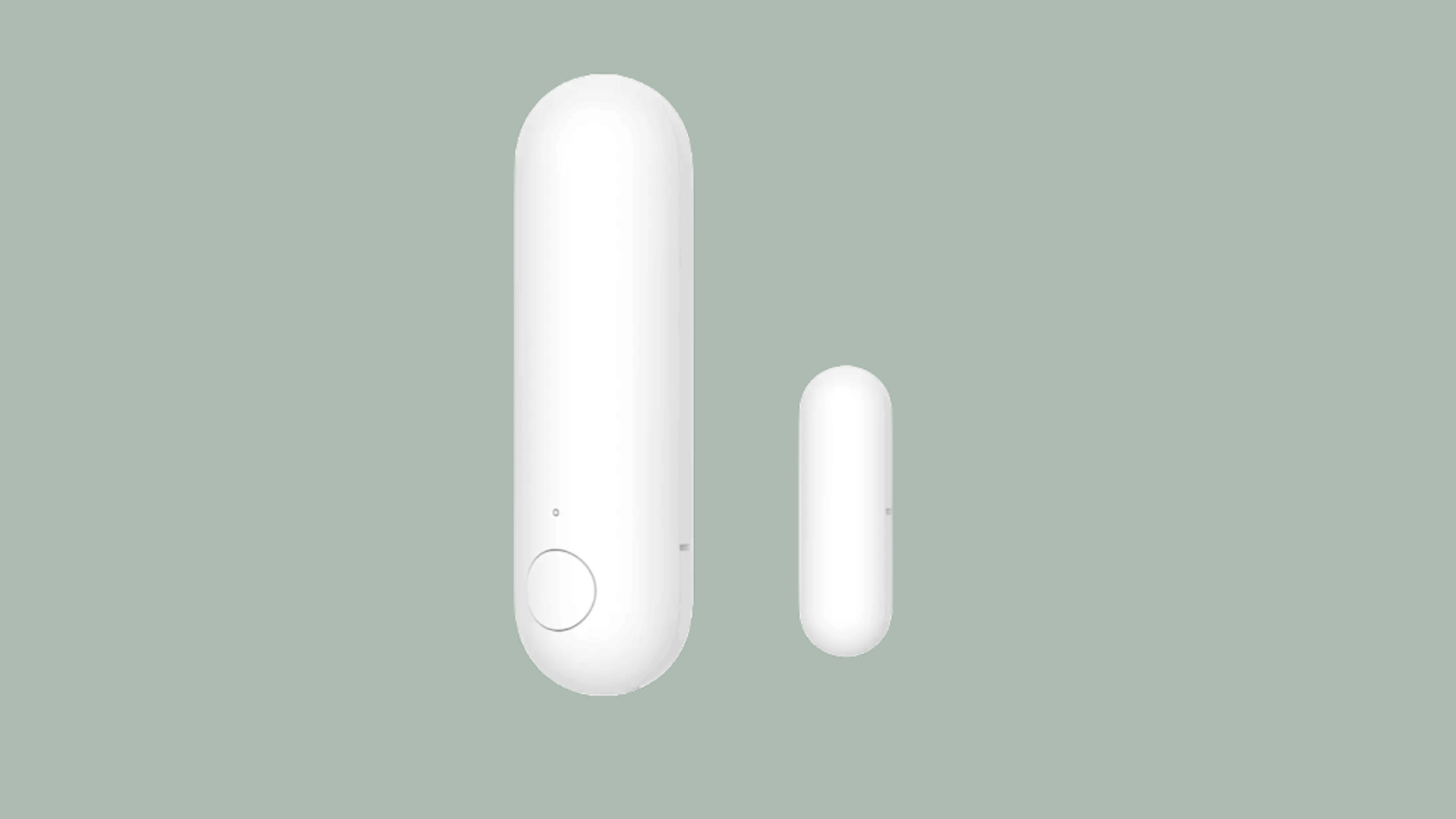
The compact design uses a magnetic reed switch to detect open or closed states on doors, windows, cabinets, or drawers.
Support for Thread and Zigbee makes it suitable for various ecosystems and hubs. Its small size allows placement on narrow frames without obstructing movement.
Strong communication stability ensures timely alerts for unauthorized entry or open-window reminders.
6. TP-Link Tapo T110
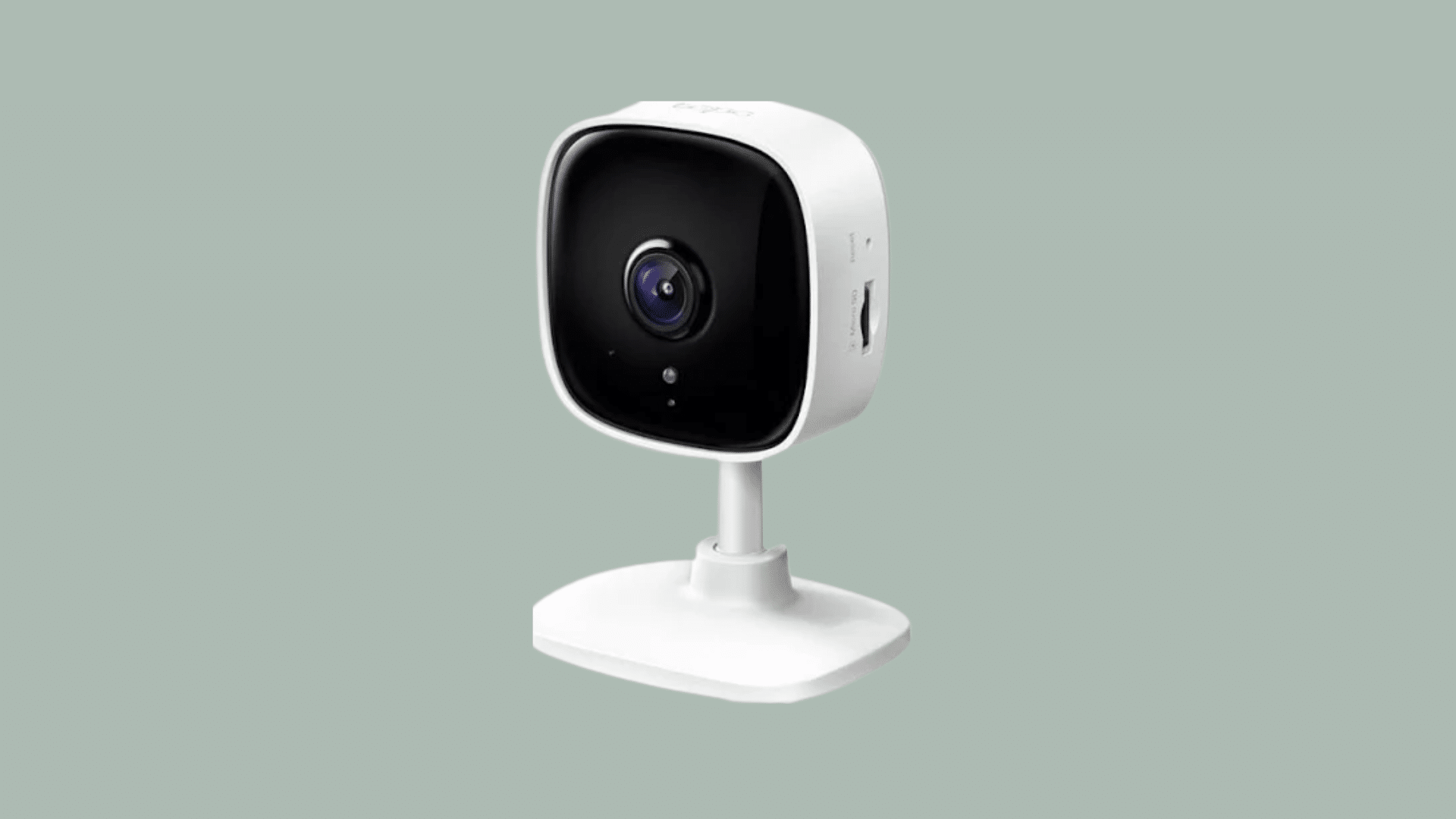
It detects door or window activity and includes vibration sensing for additional awareness. Integration with the Tapo ecosystem enables straightforward automation and alert setup.
Notifications arrive quickly through the app, helping users stay aware of access patterns.
Compatibility with assistants like Alexa and Google allows routines triggered by openings, such as lighting adjustments or announcements.
7. Ring Alarm Contact Sensor (2nd Gen)
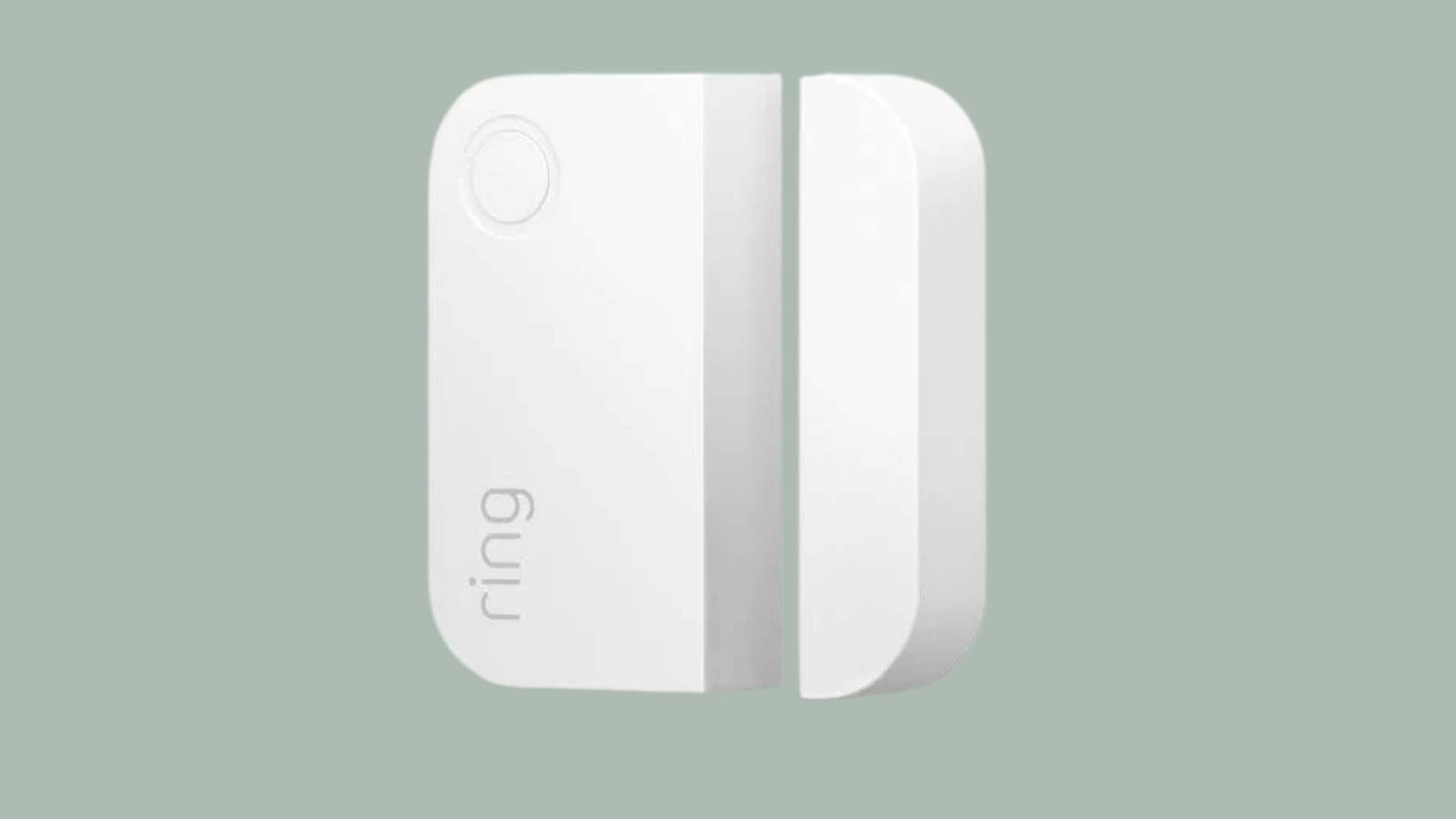
Ring Alarm smart home sensors integrate seamlessly into the Ring Alarm system and also support Z-Wave hubs, making it versatile for different setups.
Alerts appear through the Ring app, helping track access and security activity. The smaller design improves placement flexibility on tight or angled frames.
Its stable wireless communication ensures quick status updates that contribute to broader home routines involving lighting, announcements, or alarm responses.
Top Temperature/Humidity Sensors
These devices measure climate conditions to support comfort, air-quality management, and automated heating or cooling adjustments.
8. TP-Link Tapo T210
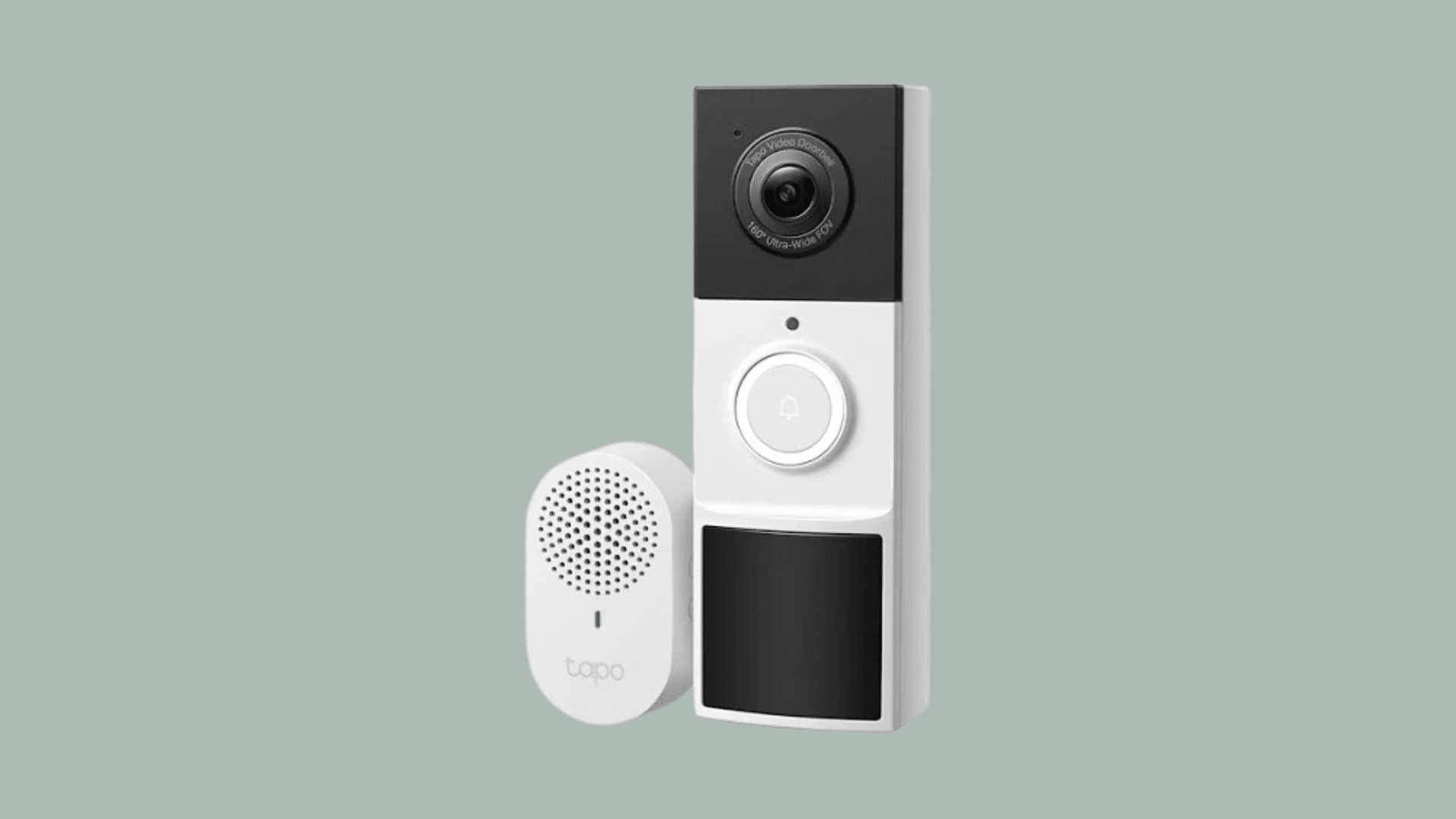
The model measures temperatures from –20 to 60 degrees Celsius and humidity from 0 to 99 percent, making it suitable for various indoor environments.
Integration with the Tapo ecosystem enables automated routines involving fans, heaters, dehumidifiers, or humidifiers.
Wireless design and compact form ensure flexible placement in bedrooms, basements, or storage areas.
9. Aqara Temperature and Humidity Sensor
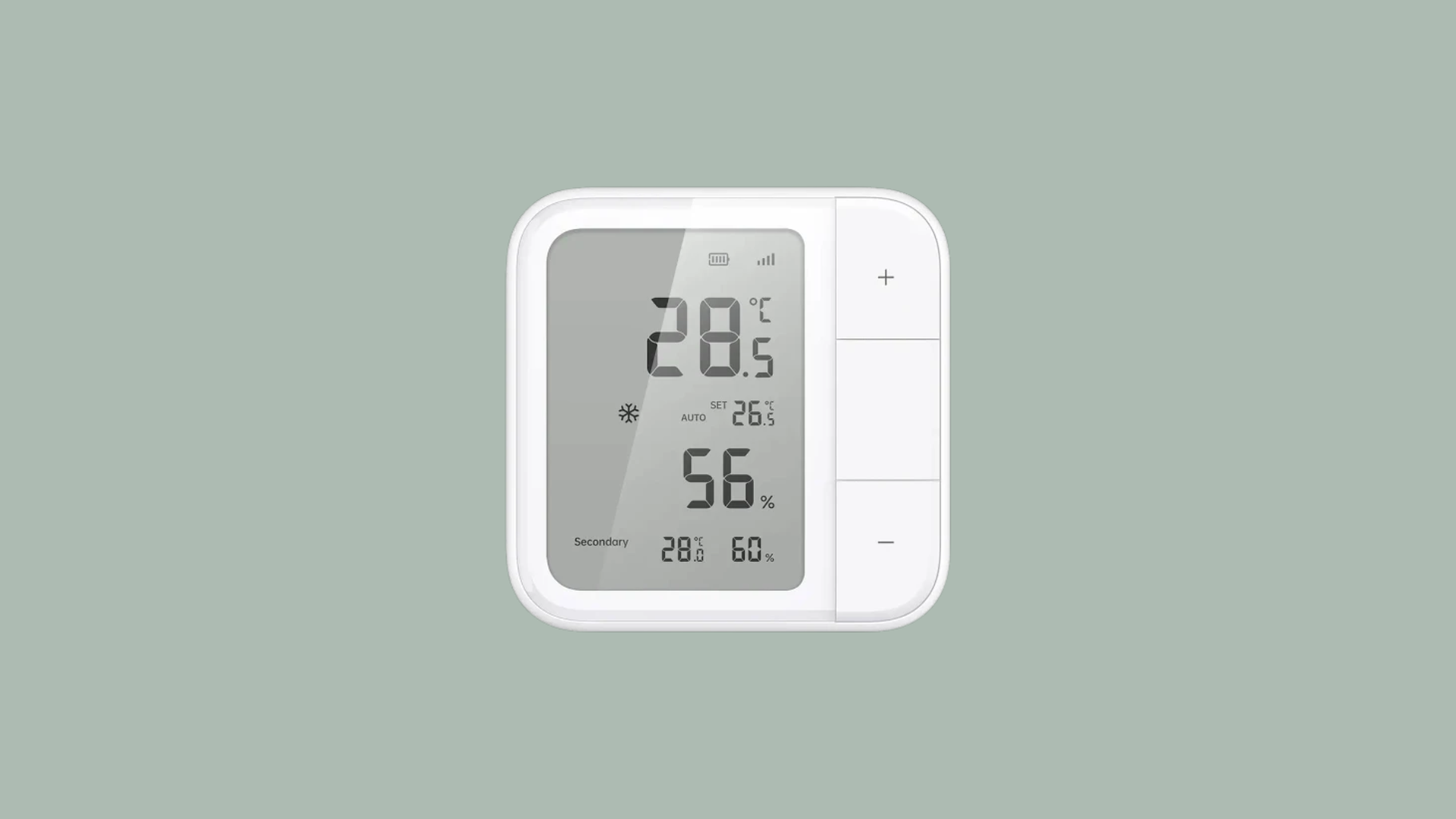
A compact option that offers high accuracy with temperature precision of ±0.3°C, making it useful for monitoring climate-sensitive areas.
Zigbee connectivity ensures stable communication with compatible hubs. The optional e-ink screen variant provides clear, low-power readings.
Data collection supports automation rules related to HVAC adjustments, dehumidifier control, or ventilation management.
10. Ecobee SmartSensor
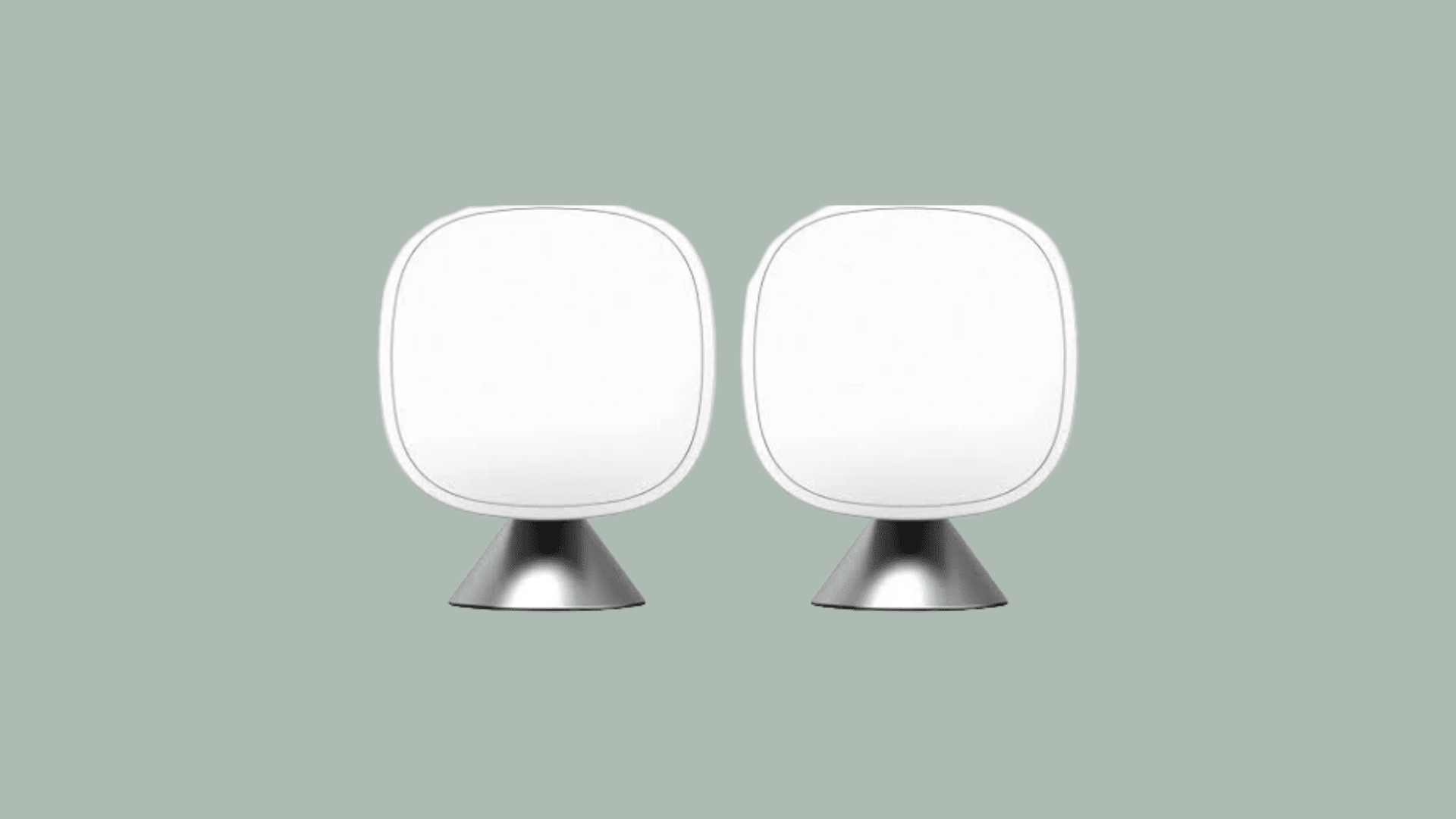
Designed as a companion for Ecobee thermostats, this unit measures temperature and occupancy to improve heating and cooling distribution.
Its long wireless range, up to 60 feet, helps manage comfort across multiple rooms.
When placed strategically, it identifies where people spend time and communicates that information to the thermostat for more balanced climate control.
Top Water Leak/Flood Sensors
These devices detect moisture and temperature changes to prevent water damage and respond quickly to plumbing or appliance failures.
11. Ring Flood & Freeze Sensor
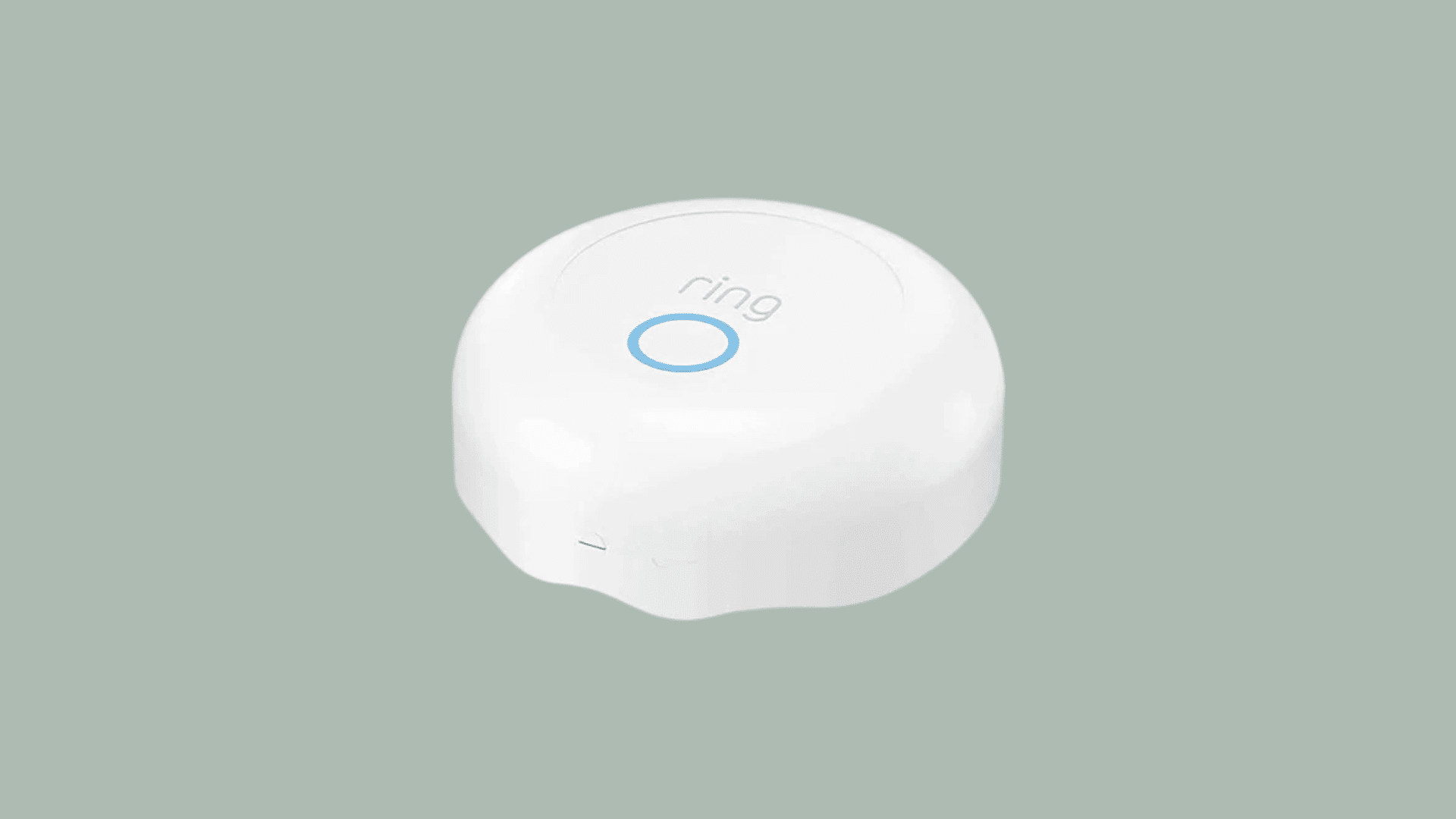
The device identifies the presence of water and alerts users when temperatures drop below four degrees Celsius.
Integration with the Ring ecosystem provides quick mobile notifications through the app. It is suitable for basements, laundry areas, kitchens, or bathroom spaces where leaks may occur.
The unit works well with Ring Alarm setups, contributing to a unified security and safety system. Its wireless design allows flexible placement under appliances or near pipes.
12. Moen Flo Water Leak Sensor
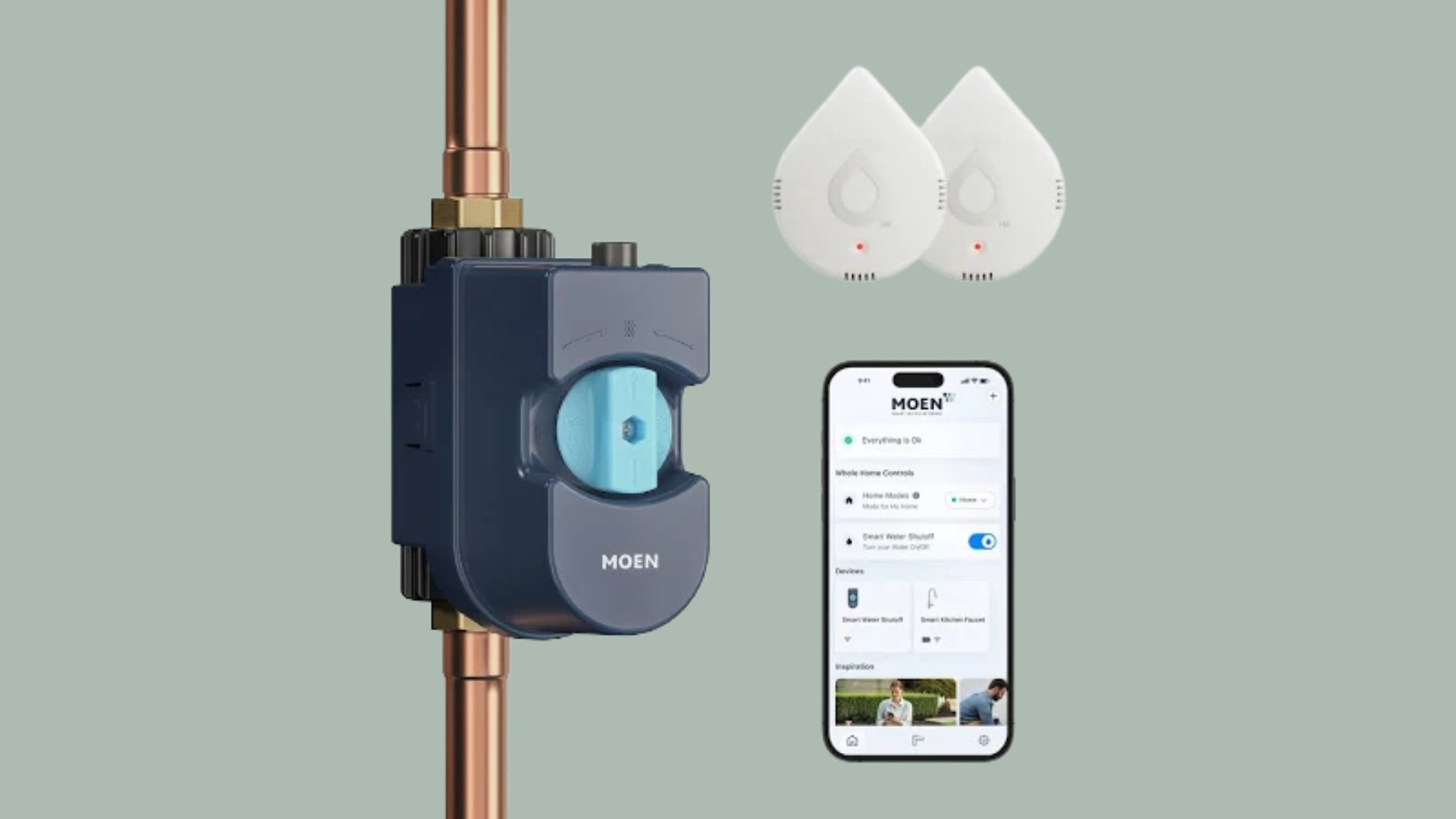
This sensor works with the FloProtect hub to detect leaks and deliver alerts through its app and built-in siren.
It helps prevent water damage by responding quickly to unexpected moisture in areas like bathrooms, basements, or kitchens.
The device supports integration with the broader Moen Flo system, enabling coordinated water-shutoff features when paired with compatible components.
13. Aqara Water Leak Sensor

Aqara Water Leak smart home sensors detect water through its metal probe and communicate through Zigbee-connected hubs.
It supports automation routines that trigger alarms, notifications, or device shutoff actions using compatible components.
The device includes an audio alert for immediate awareness during leaks. Its small profile allows placement under sinks, behind toilets, or beneath appliances.
Common Smart Home Sensor Issues
Smart home sensors can encounter various issues that affect performance, accuracy, and reliability, often resulting in frustration or a poor user experience. Some of them are listed below.
- Connectivity Problems: Poor Wi-Fi or Bluetooth signals can disrupt sensor communication, causing delays or loss of functionality.
- Battery Life: Many smart sensors drain batteries quickly, especially with frequent usage, requiring constant replacements or recharging.
- False Alarms: Motion sensors may trigger false alarms from pets, shadows, or environmental factors, resulting in unnecessary alerts.
- Inaccurate Readings: Sensors may provide incorrect data, such as temperature or humidity readings, due to placement or interference from other devices.
- Compatibility Issues: Certain sensors may not integrate well with other smart home devices or platforms, limiting their full potential.
Conclusion
Smart home sensors showed me how much smoother a connected home can feel when the right devices work together in thoughtful ways.
Their real value becomes clear when placement, network strength, and routine maintenance all support consistent performance.
With the proper setup, they help create a space that feels safer, more comfortable, and easier to manage without adding new tasks.
This blog covered the main types, how they work, common issues, and simple steps for building a reliable system that fits different needs.
Starting small makes the process easier, and even one well-placed sensor can make a noticeable difference in daily living.
If you’re ready to improve your setup or want help choosing the right devices, share a comment below, and let’s discuss it together.
Frequently Asked Questions
How Many Smart Home Sensors Do I Need?
Most homes work well with a mix of motion, contact, climate, and leak sensors, with placement based on room size, entry points, and automation needs.
Are Smart Home Sensors Secure from Hacking?
They’re generally safe when using strong passwords, updated firmware, encrypted networks, and reputable brands, though no system is completely risk-free without proper security habits.
Can I Mix Different Sensor Brands?
Yes, many brands work together when supported by Matter, Zigbee, Z-Wave, or a compatible hub, but features may vary depending on each device’s ecosystem requirements.