

Live events are complex by nature. They involve fixed timelines, high budgets, and large numbers of people coming together in real time. Once an event begins, there is little opportunity to correct mistakes or rethink decisions. This is why preparation remains one of the most important, and often overlooked, aspects of successful event delivery.
While advances in production, technology, and staging have significantly raised expectations, many event challenges can still be traced back to insufficient preparation. In live environments, preparation is not simply a planning exercise. It is a practical form of risk management.
The Cost of Being Unprepared
Every live event represents a substantial investment. Venue hire, technical production, staffing, travel, and attendee time all contribute to the overall cost. When speakers or content are not properly prepared, that investment is put at risk.
Poor preparation can lead to unclear messaging, disengaged audiences, and missed objectives. In some cases, it can undermine the credibility of the organisation hosting the event. The issue is rarely technical. More often, it comes down to a lack of time spent refining content, rehearsing delivery, or aligning expectations in advance.
Holly Faulkner, the founder aof Purple Patch Group – Londons leading event agency, recently discussed this on the Event Matters podcast, drawing on her experience delivering large-scale corporate events:
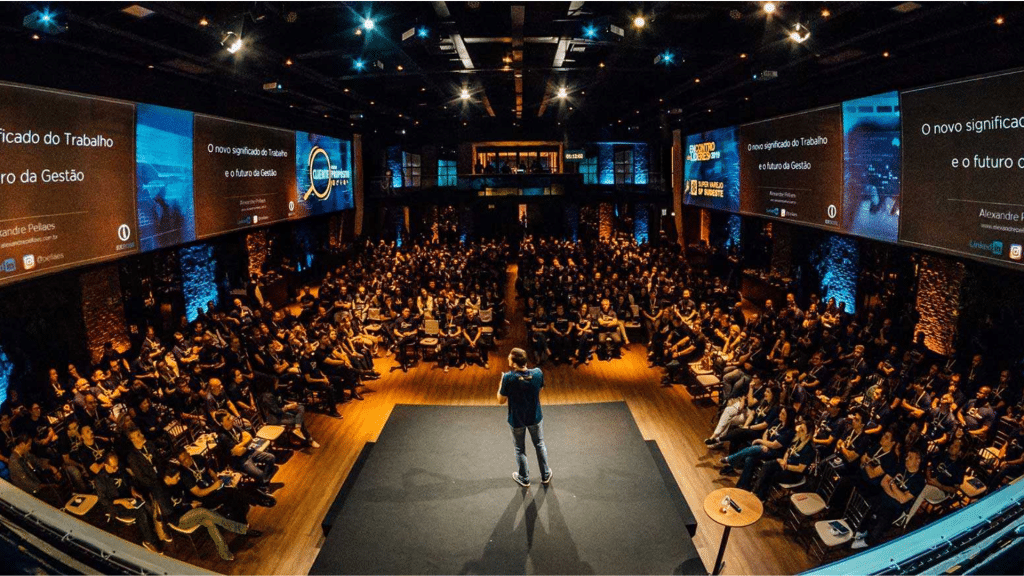
“There’s a fine balance between preparing too much and not preparing enough. Over-preparing can make people stiff and robotic, but not preparing enough has very obvious consequences. When someone is standing on stage in front of hundreds of people, preparation isn’t optional – it’s part of the responsibility that comes with that level of visibility and investment.”
This perspective highlights an important point. Preparation is not about removing personality or spontaneity. It is about ensuring that time, money, and attention are not wasted.
Why Rehearsals Matter
Rehearsals play a critical role in reducing uncertainty. They allow event teams to identify timing issues, content gaps, technical dependencies, and speaker confidence challenges before the event goes live.
Despite this, rehearsals are often reduced or skipped entirely due to time pressures. This can be a costly decision. Even light-touch rehearsals, such as guided run-throughs or early content reviews, can significantly improve delivery and reduce on-the-day risk.
Rehearsals also help align speakers, producers, and technical teams. When everyone understands the flow of the event and their role within it, the event is far more likely to run smoothly.
Preparation Supports Flexibility
One common concern is that preparation can make speakers sound scripted. In practice, the opposite is often true.
Well-prepared speakers are more confident and adaptable. They understand their content well enough to respond to the audience, adjust their delivery, and handle unexpected changes. Preparation removes uncertainty, which allows presenters and teams to be flexible when plans shift.
This flexibility is especially important in live events, where last-minute changes are common and quick decisions are often required.
Planning for the Unexpected
Live events rarely go exactly to plan. Speakers may be delayed, technology may fail, or schedules may need to change. Preparation helps teams respond to these challenges calmly and effectively.
Having backup plans, duplicate files, and clearly defined responsibilities ensures that issues can be managed without disrupting the audience experience. This type of planning is not pessimistic. It is practical and professional.
Final Thoughts
When preparation is done well, it is largely invisible to attendees. Audiences experience clarity, confidence, and flow, without seeing the work that went on behind the scenes.
As live events continue to grow in scale and complexity, preparation remains one of the most reliable tools event professionals have to protect outcomes and deliver value. While technology and production are important, preparation is what allows them to perform under pressure.
In live events, success rarely comes down to luck. It comes down to preparation.









One Response
Good web site! I truly love how it is easy on my eyes and the data are well written. I’m wondering how I could be notified when a new post has been made. I’ve subscribed to your RSS which must do the trick! Have a great day!