
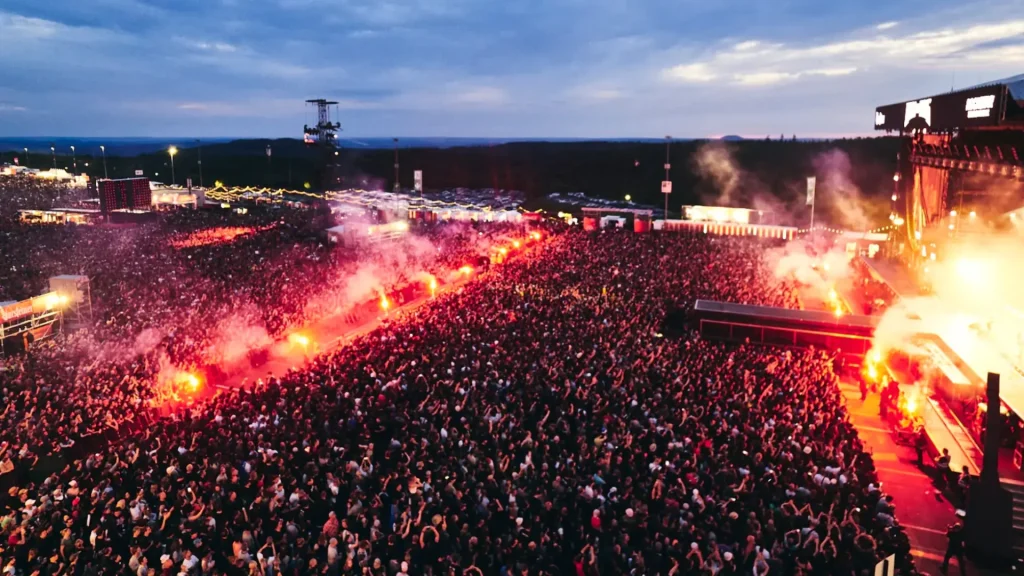
Concerts have the power to bring millions of people together, creating unforgettable experiences and cultural phenomena.
These record-breaking concerts are more than just performances; they represent the immense energy of live music and its ability to unite people.
From legendary rock anthems to pop sensations, certain concerts stand out for their massive crowds and unforgettable moments.
In this blog, I’ll highlight the biggest concerts of all time, sharing key details about the event specifics and crowd sizes that make them some of the most iconic performances in history.
What Makes a Concert Historically Significant?
A concert becomes historically significant when it transcends being just a performance and becomes a cultural event.
Factors like the scale of the crowd, the importance of the artist, and the event’s impact on the music industry contribute to its legacy.
Breaking attendance records at this scale puts concerts alongside the world’s largest sporting events, all driven by the same powerful draw of massive, unified crowds.
A concert may be significant for its groundbreaking nature, such as breaking attendance records, introducing new technology, or promoting a social cause.
Iconic performances by legendary artists, like Queen at Live Aid or The Rolling Stones at Altamont, can define an era or movement.
The context surrounding the event also matters; it symbolizes a political or cultural shift, a pivotal moment in history, or a historical gathering of fans.
The Biggest Concerts of All Time
These concerts stand out for their record-breaking attendance, unforgettable performances, and the cultural significance they brought to the music world.
1. Rod Stewart – Copacabana Beach, 1994
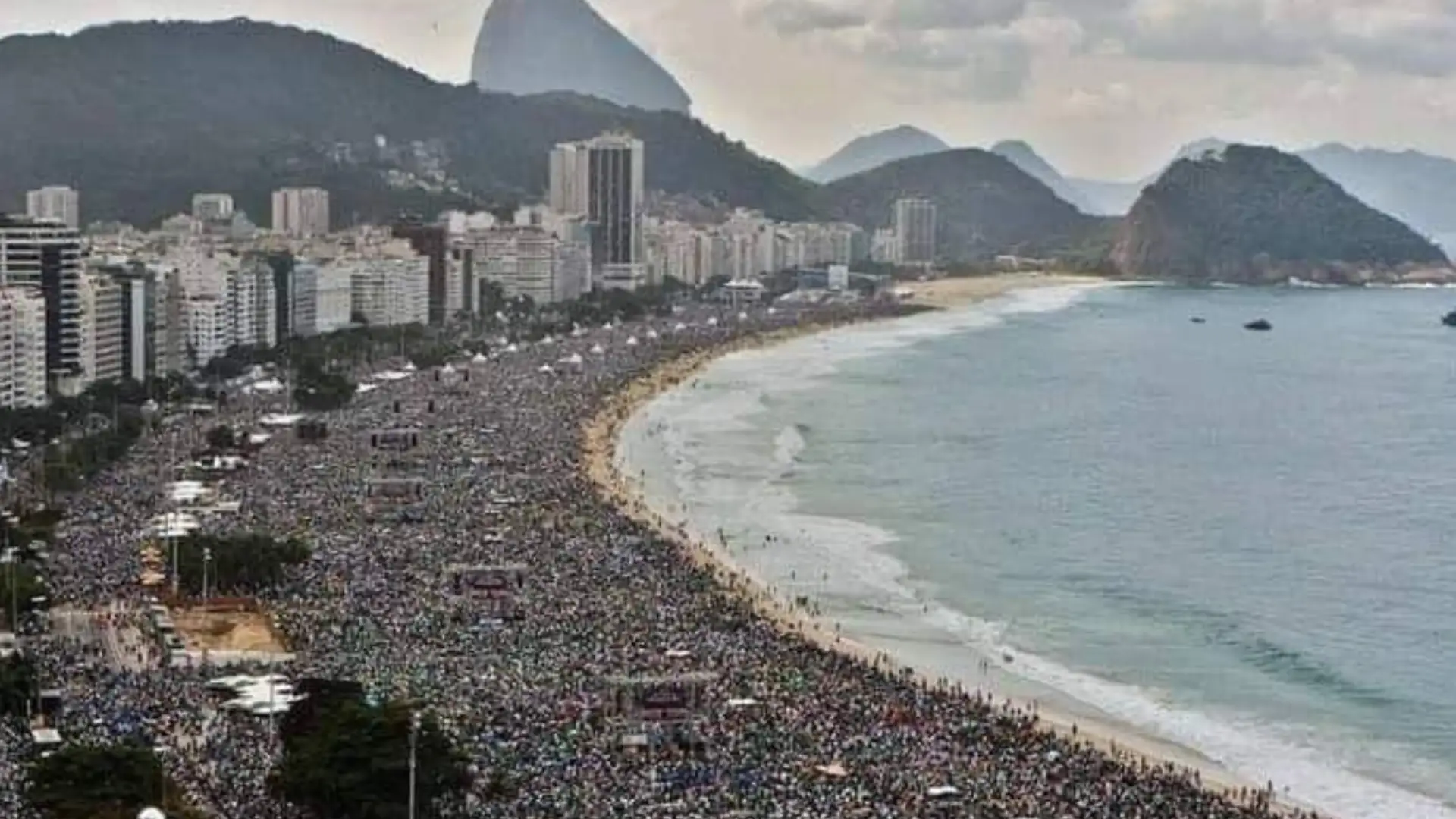
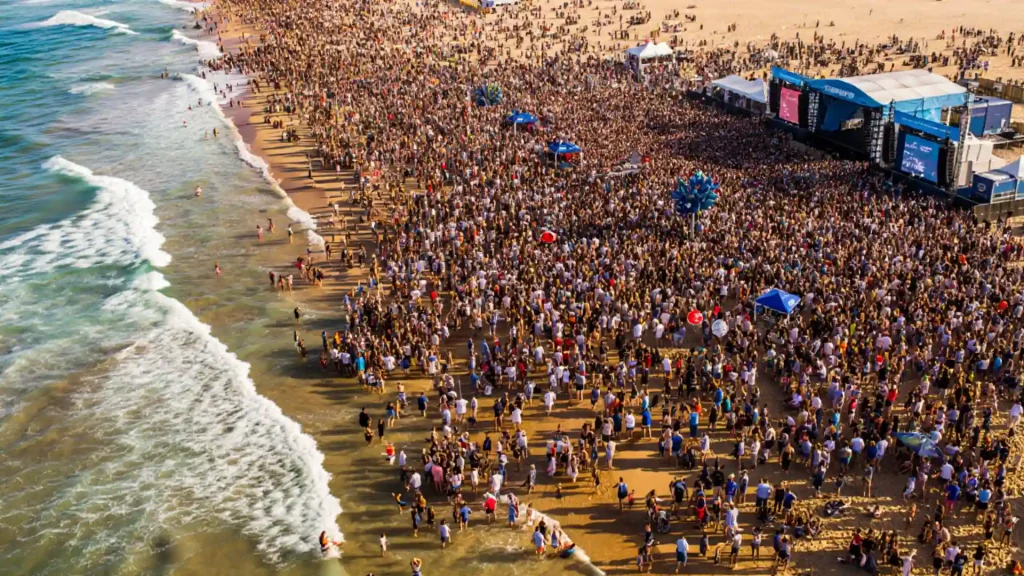
Rod Stewart’s New Year’s Eve concert on Copacabana Beach in Rio de Janeiro holds the record for the largest concert attendance, with 3.5 million people.
The free concert was part of the city’s New Year’s celebrations, attracting fans from across the globe.
The beach setting, coupled with the massive crowd, created an unforgettable historical moment in concert history.
📌 Key Highlights
🎉 A massive free public celebration, open to everyone
🌍 Turned into a global gathering point for music lovers
🎤 Set a benchmark for the biggest outdoor live concert ever
2. The Rolling Stones – Downsview Park, 2003
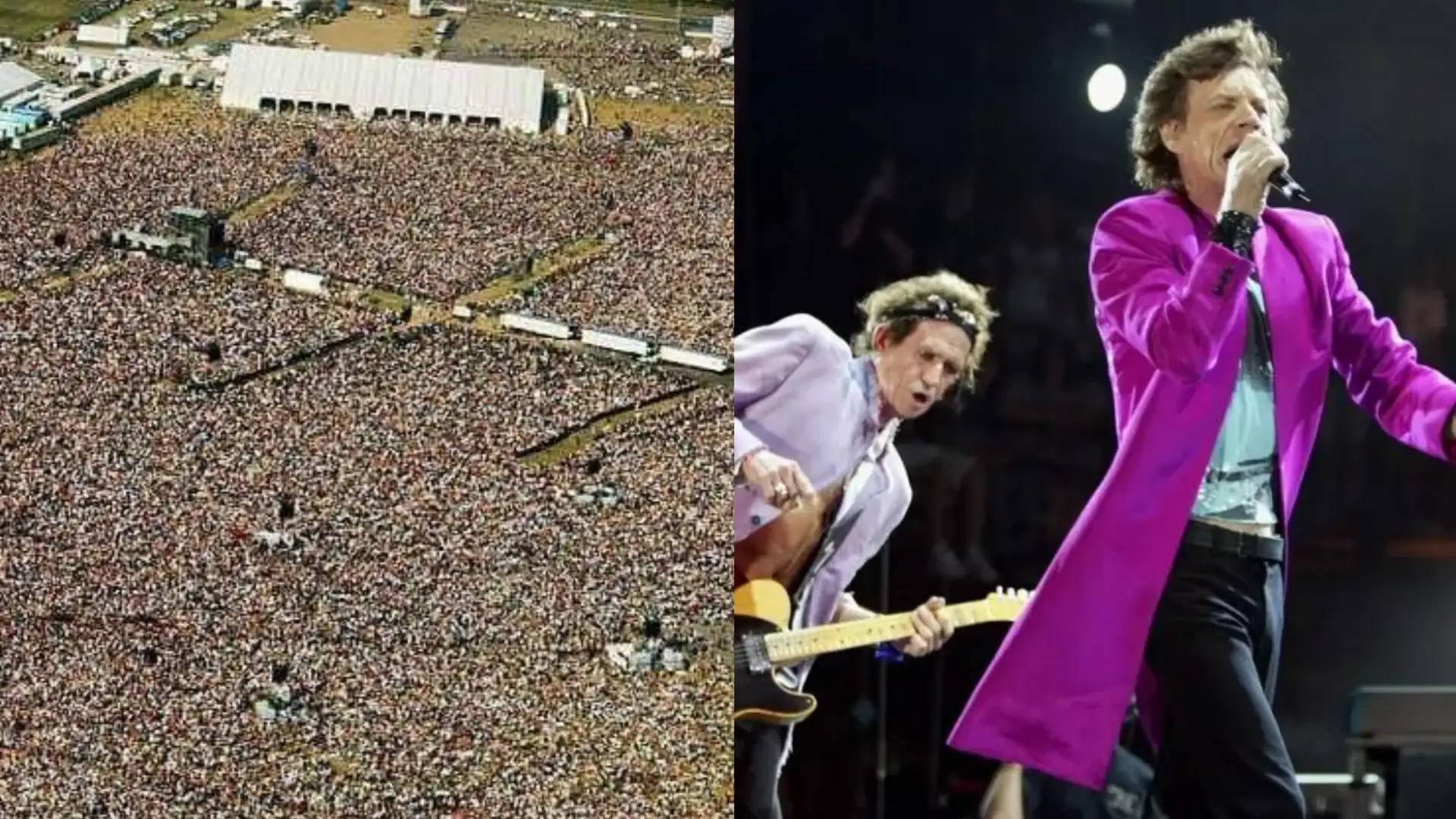
The Rolling Stones’ performance at Downsview Park in Toronto attracted 2.5 million fans during their “A Bigger Bang” tour.
This free concert became a festival-like atmosphere, drawing people from all over Canada.
The band’s performance energized the massive crowd, showcasing the Stones’ ability to continue drawing large audiences after decades of music-making.
📌 Key Highlights
👥 Nearly 2.5 million fans attended, one of the biggest crowds ever
🎉 Free entry sparked a festival vibe across Canada
🎸 A powerhouse Stones set proved their lasting star power
3. The Rolling Stones – Copacabana Beach, 2006
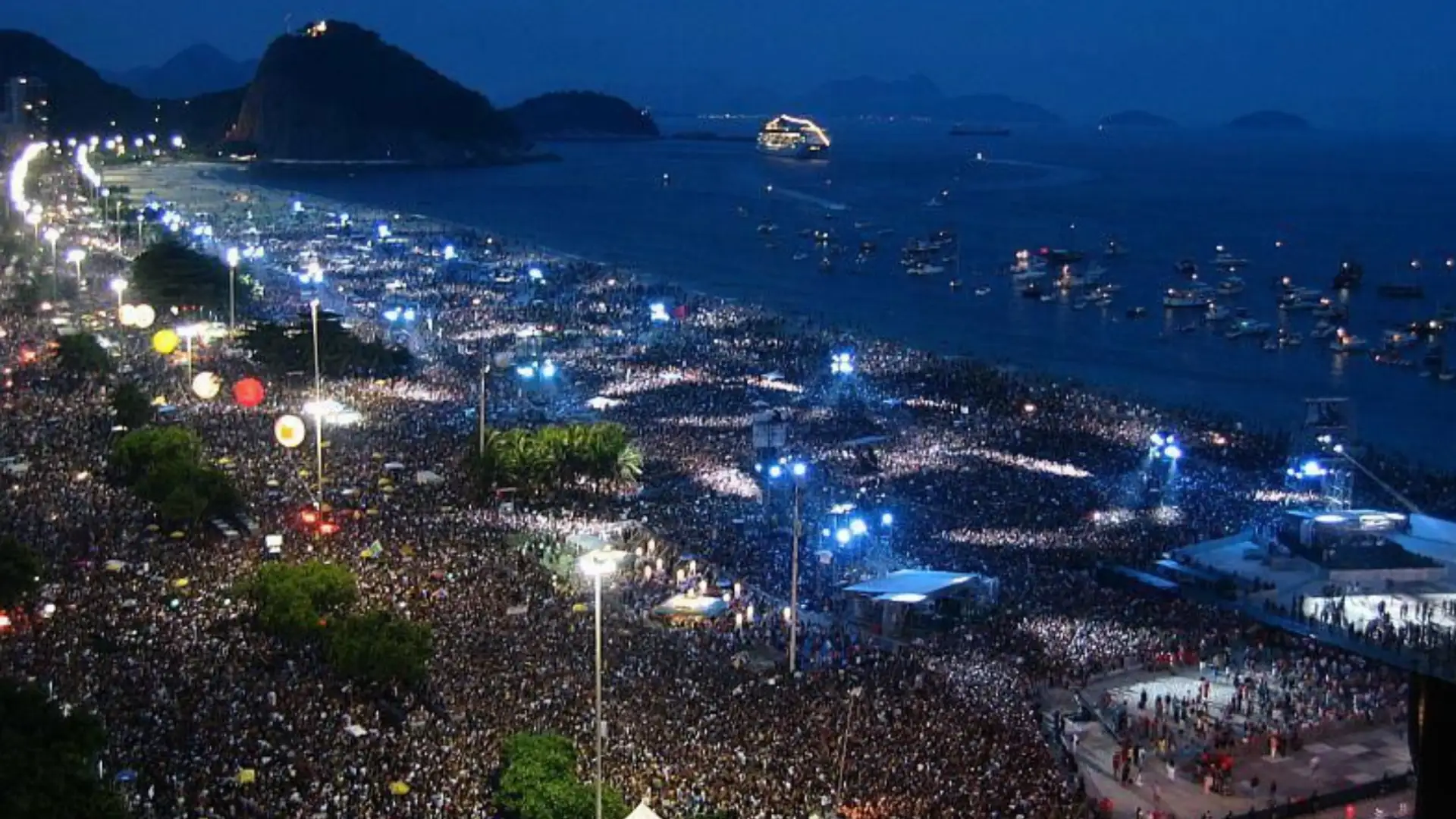
The Rolling Stones’ free concert on Copacabana Beach in Brazil in 2006 drew over 1.5 million fans.
This concert was part of their South American tour, and the massive turnout proved that the Stones’ popularity remained as strong as ever, even after decades of performing.
📌 Key Highlights
🏖️ Over 1.5 million fans gathered on Copacabana Beach
🌊 A free beachfront mega-show with unmatched energy and scale
🎸 A legendary Stones set, turning Rio into a global moment
4. The Rolling Stones – Rio de Janeiro, 2006
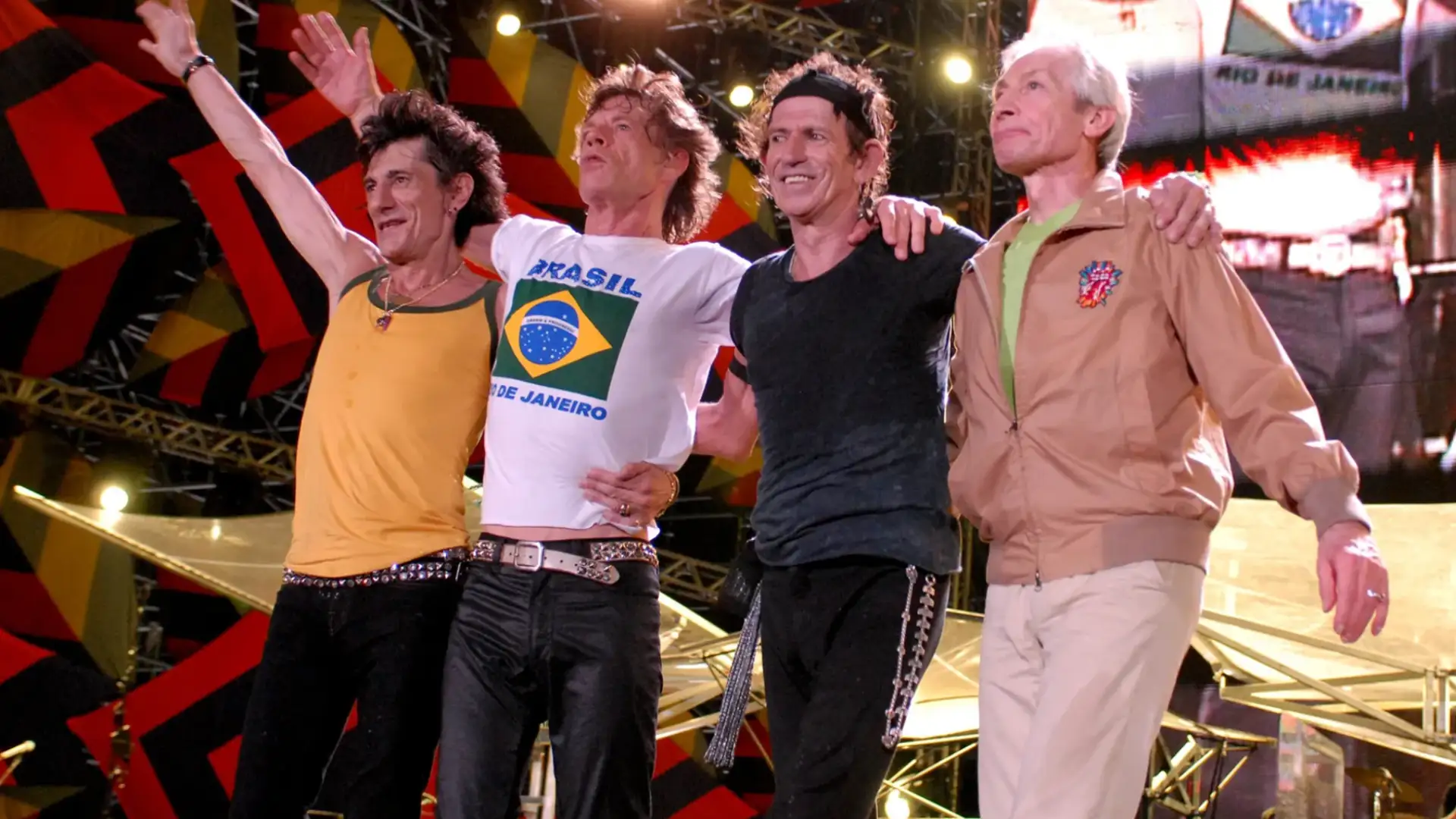
In 2006, The Rolling Stones performed in Rio de Janeiro, drawing an estimated 1.5 million people. This free concert during their South American tour was one of the largest gatherings in the region.
The Stones’ charisma and legendary status ensured that this was an unforgettable night for the city, marking another milestone in their long and successful career.
📌 Key Highlights
🌆 Rio filled with a massive crowd, city-wide concert vibe
🎉 Free entry for everyone, true public celebration
⚡ High-energy Stones set, unforgettable global moment
5. The Rolling Stones – Paris, 1995
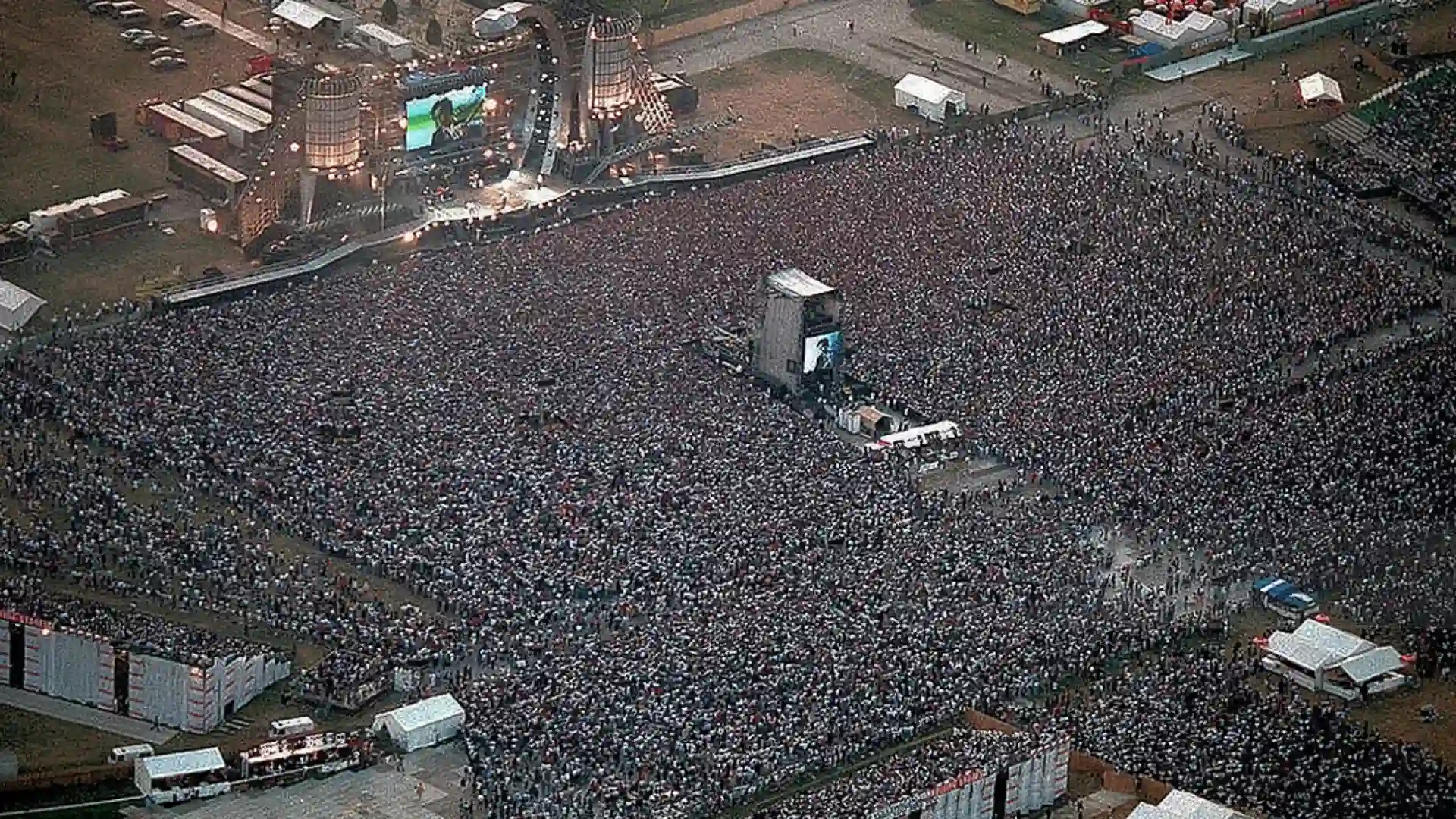
The Rolling Stones concert in 1995 at the Hippodrome de Longchamp in Paris attracted over 1 million fans. As part of their Voodoo Lounge tour, the concert featured a mix of timeless hits and fresh material.
This performance reinforced their legendary status and showcased their enduring appeal, captivating a massive audience in one of Europe’s most iconic venues.
📌 Key Highlights
🎸 Paris became a rock hotspot, huge crowd and electric energy
🎶 Classic 90s setlist, packed with fan anthems
🌍 A standout Europe moment, proving their global pull
6. The Rolling Stones – Lisbon, 2007
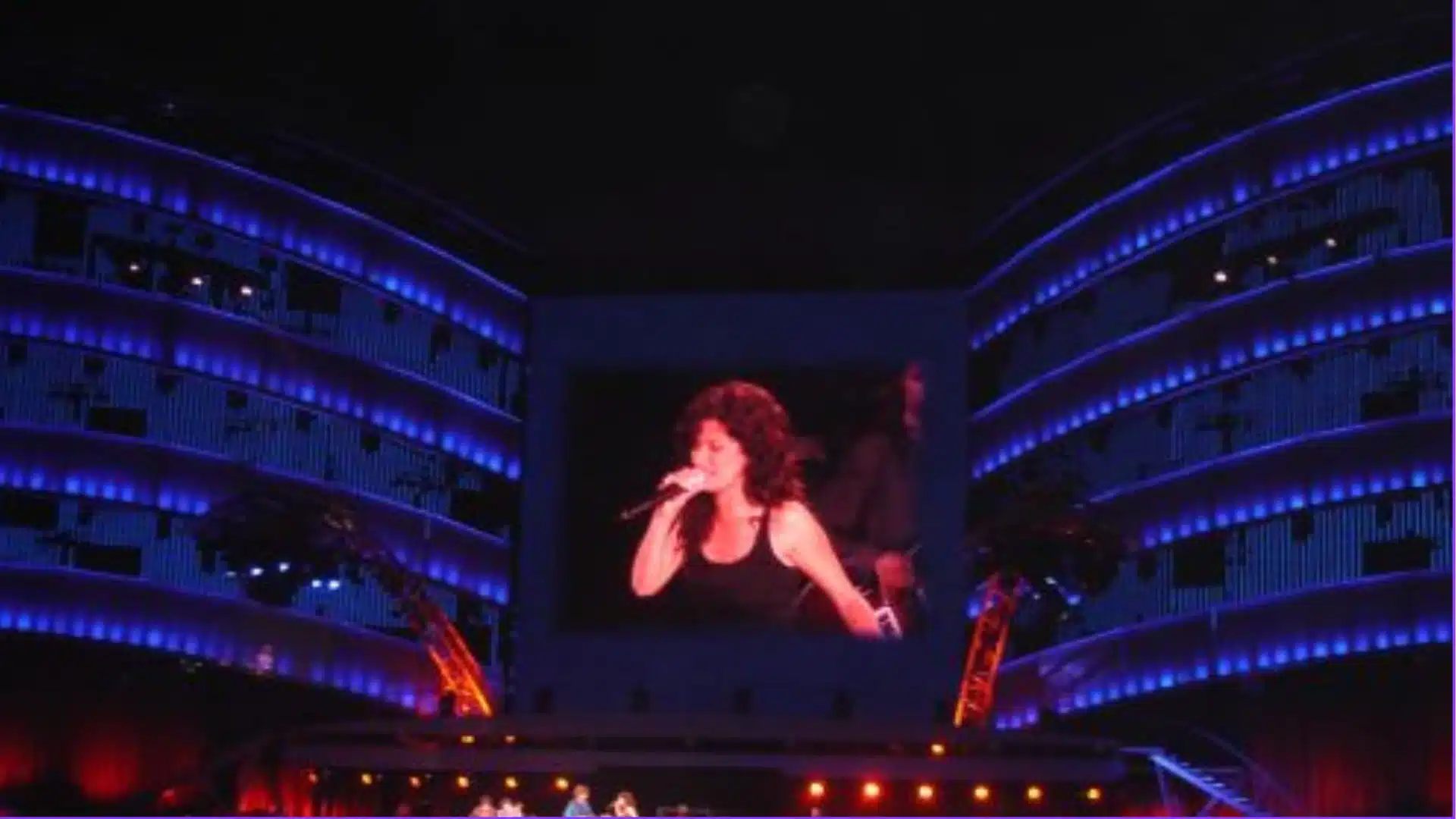
In 2007, The Rolling Stones performed in Lisbon, Portugal, attracting over 1 million people to their free concert.
This show was part of their “A Bigger Bang” tour and demonstrated their ability to draw enormous crowds, even in the later years of their career.
The Stones’ presence across so many of these entries highlights just how rare that level of consistency is. For more performances that pushed live music to its limits, explore these record-breaking shows.
📌 Key Highlights
⚡ Packed crowd and electric atmosphere across the venue
🎆 Stadium-scale production, with huge sound and bold visuals
🕺 Timeless Stones performance, keeping fans on their feet all night
7. Guns N’ Roses – Rock in Rio, 1991
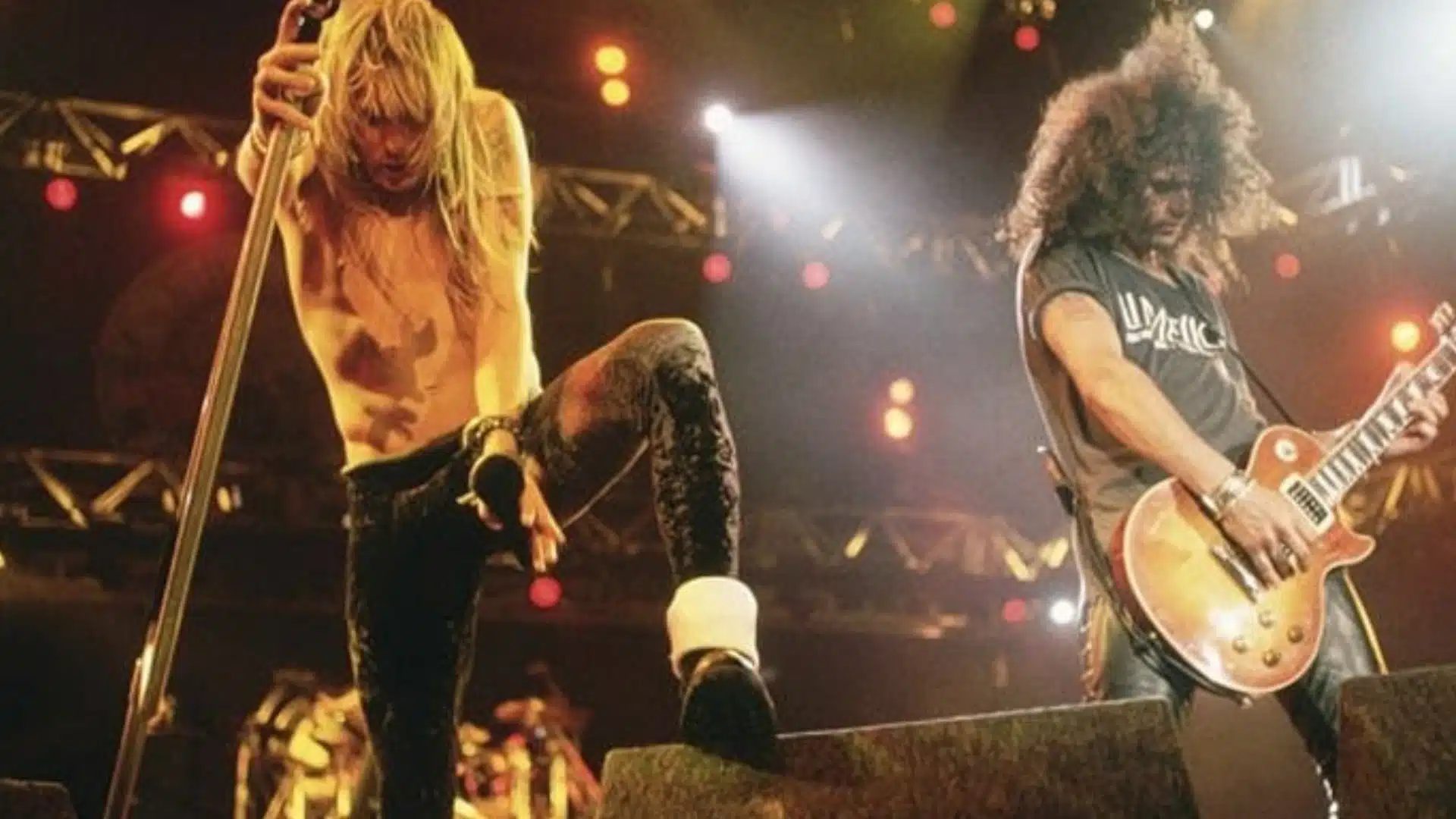
Guns N’ Roses’ performance at Rock in Rio in 1991 attracted 700,000 people.
Known for their intense live performances, the band brought raw energy to the event, which became one of the defining moments of their career.
The concert solidified Guns N’ Roses’ status as one of the top rock acts of the ’90s.
📌 Key Highlights
🔥 Explosive crowd energy, pure chaos in the best way
🎸 Peak Guns N’ Roses, raw attitude and nonstop intensity
🏟️ Rock in Rio history made, sealing their stadium-legend status
8. The Rolling Stones – The Isle of Wight Festival, 1970
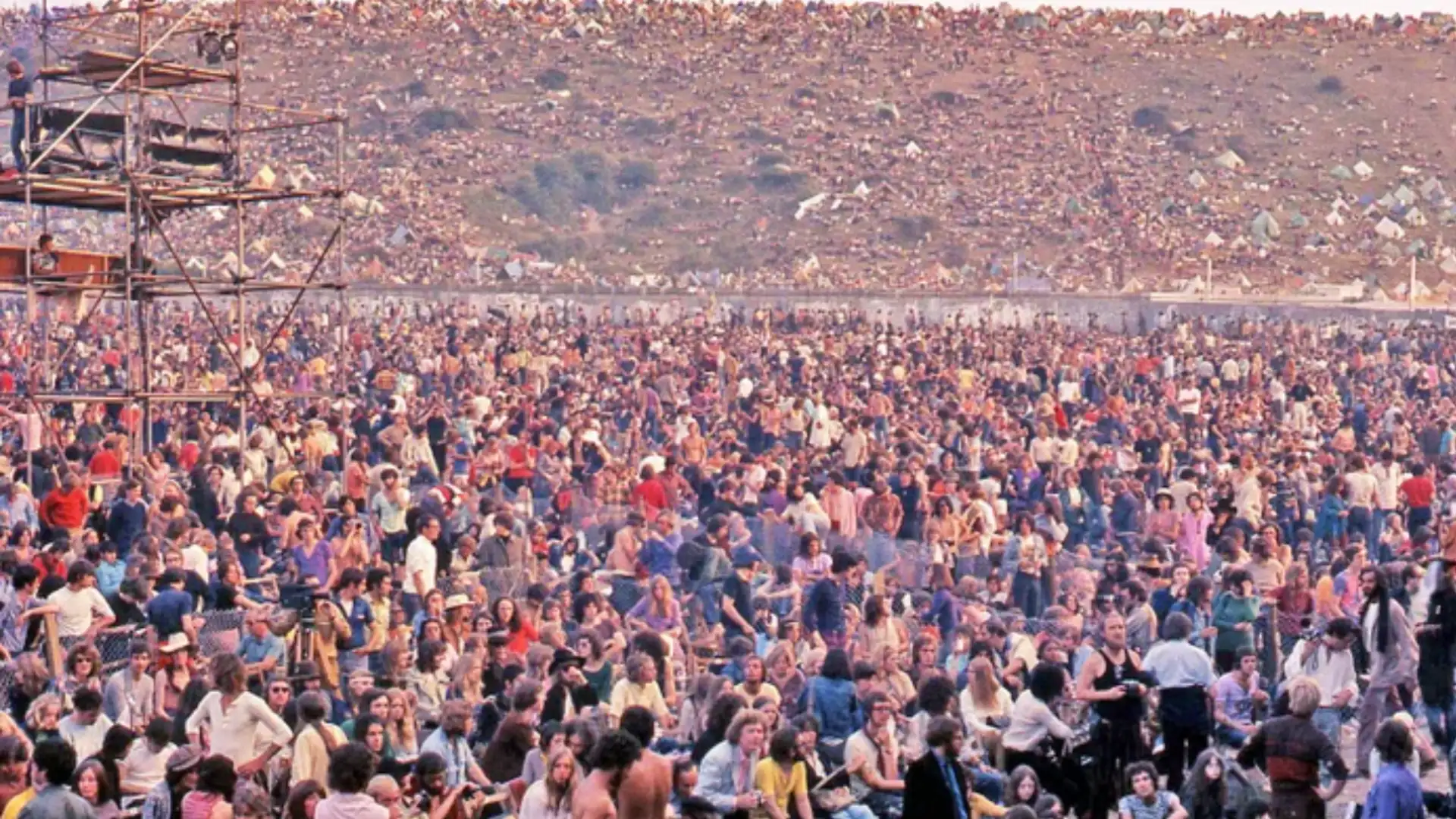
The Isle of Wight Festival in 1970 attracted 600,000 people and featured an all-star lineup, including The Rolling Stones, Jimi Hendrix, and The Who.
Known as a major milestone in the evolution of rock festivals, the Isle of Wight became the ultimate symbol of the 1960s music scene, celebrating the powerful connection between rock and counterculture.
📌 Key Highlights
🔄 A defining transition-era moment, as the 60s faded out
🔥 Crowd chaos fueled the legend, matching the wild reputation
🎸 Raw early Stones energy, still talked about today
9. Bruce Springsteen – Freehold, 1988
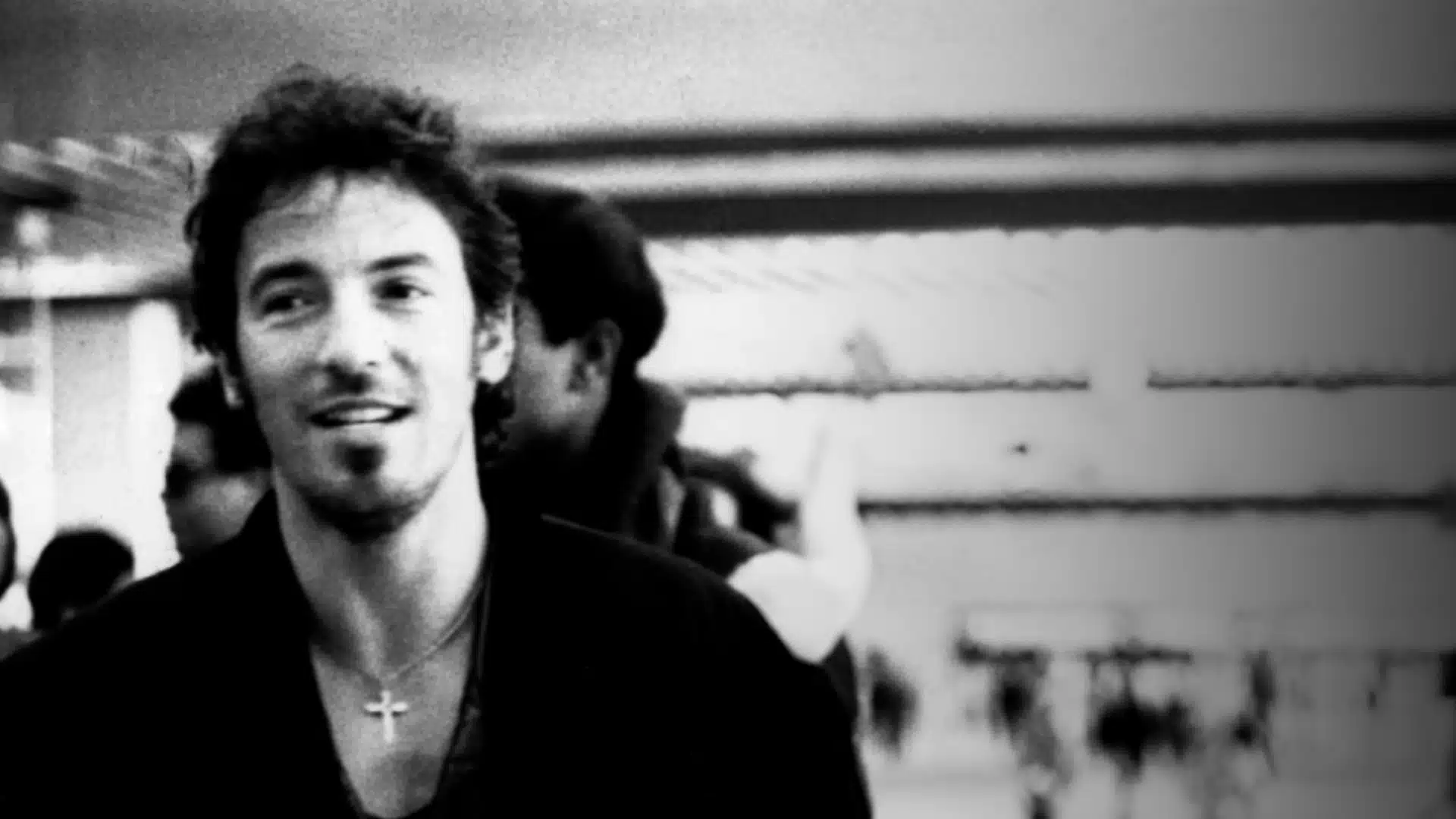
Bruce Springsteen’s free outdoor concert in Freehold, New Jersey, drew over 500,000 people. Known for his high-energy performances, Springsteen’s connection with the crowd made this concert a memorable experience.
The event further solidified Springsteen’s reputation as a rock legend and a master of engaging with large audiences.
📌 Key Highlights
🏠 A hometown moment, where his story began
🤝 Crowd connection felt personal, up close and real
🎸 Classic Springsteen intensity, full of heart and grit
10. Pink Floyd – The Wall Concert, 1990
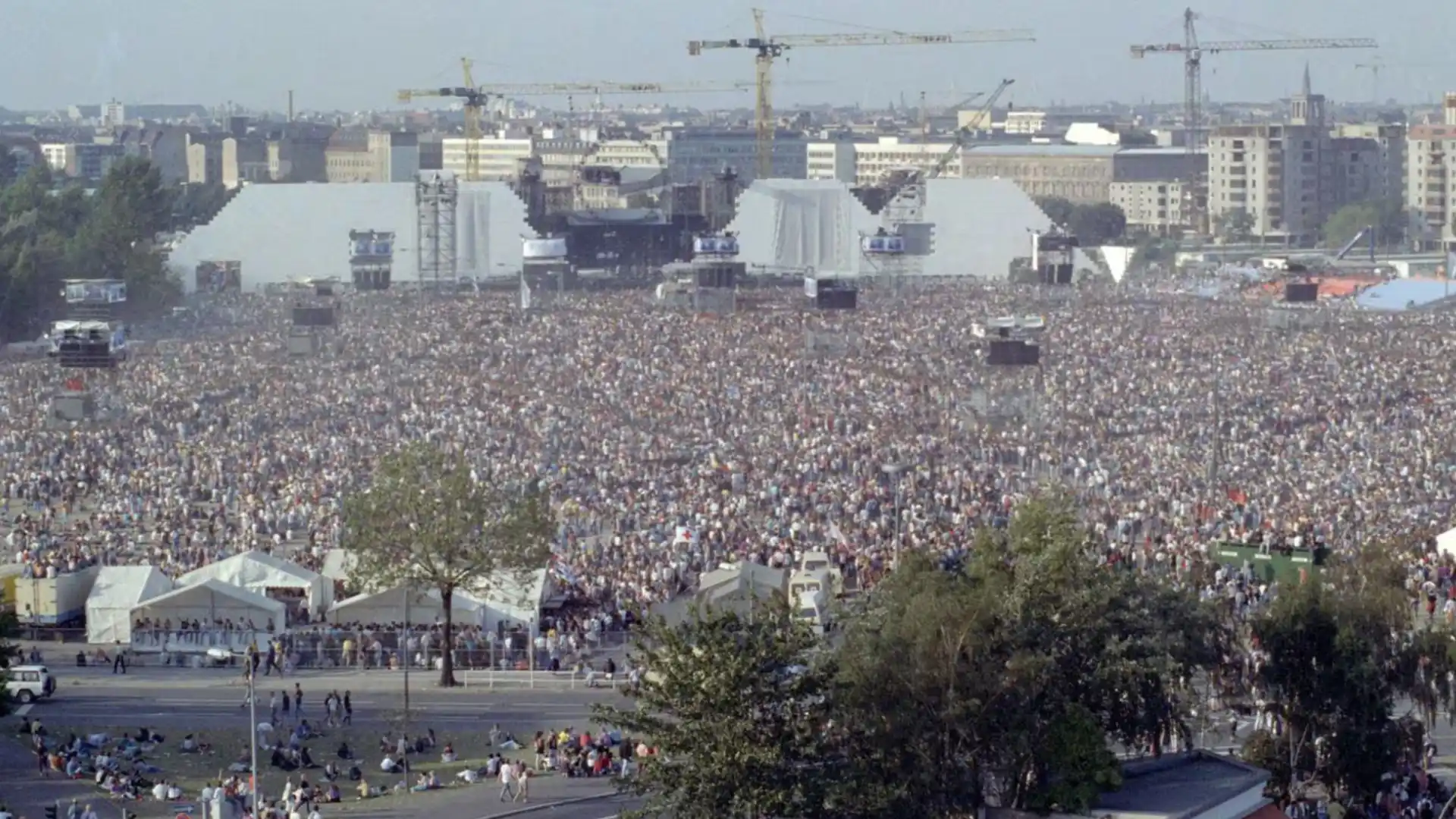
Pink Floyd’s “The Wall” concert, held in Berlin after the fall of the Berlin Wall, attracted a crowd of about 500,000. The performance was a political statement that symbolized the end of the Cold War.
Pink Floyd’s elaborate stage setup and emotional performance became one of their most iconic concerts, marking an era of change.
📌 Key Highlights
🧱 The wall rose live on stage, building the drama in real time
💬 A message-heavy performance, packed with emotion and meaning
🏛️ A rare historic event, remembered for its scale and impact
11. The Rolling Stones – Hyde Park, 1969
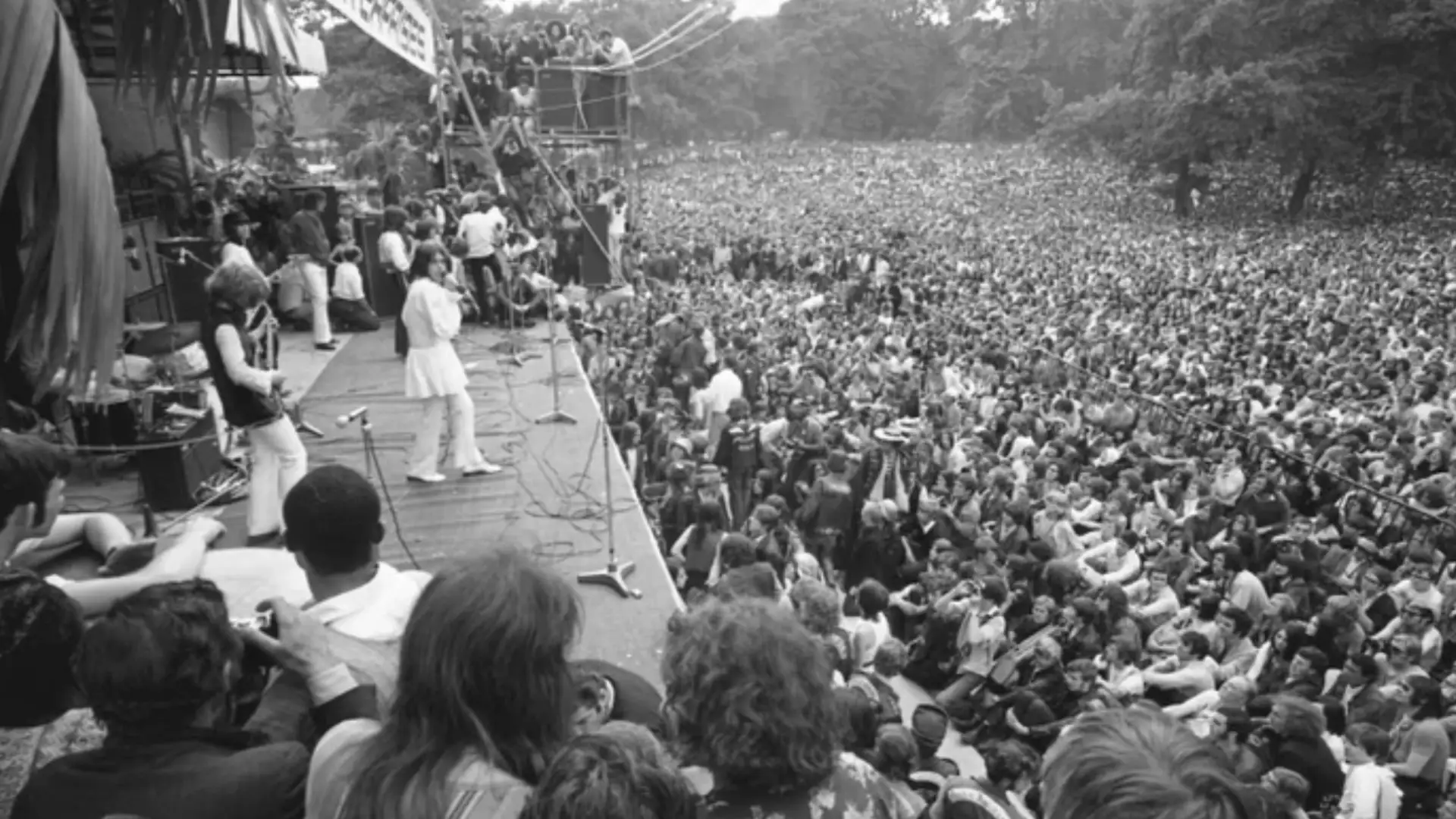
The Rolling Stones concert at Hyde Park in London in 1969 drew around 500,000 people. The event was a tribute to their former member Brian Jones and marked the debut of Mick Taylor as the band’s guitarist.
The free concert became a major cultural moment, as the band’s performance sparked a new era for rock music.
📌 Key Highlights
🎸 First show with Mick Taylor, starting a new era
🕊️ Dove release tribute, a true cultural moment
🌳 Hyde Park packed out, setting the mega-show standard
12. The Who – Woodstock, 1969
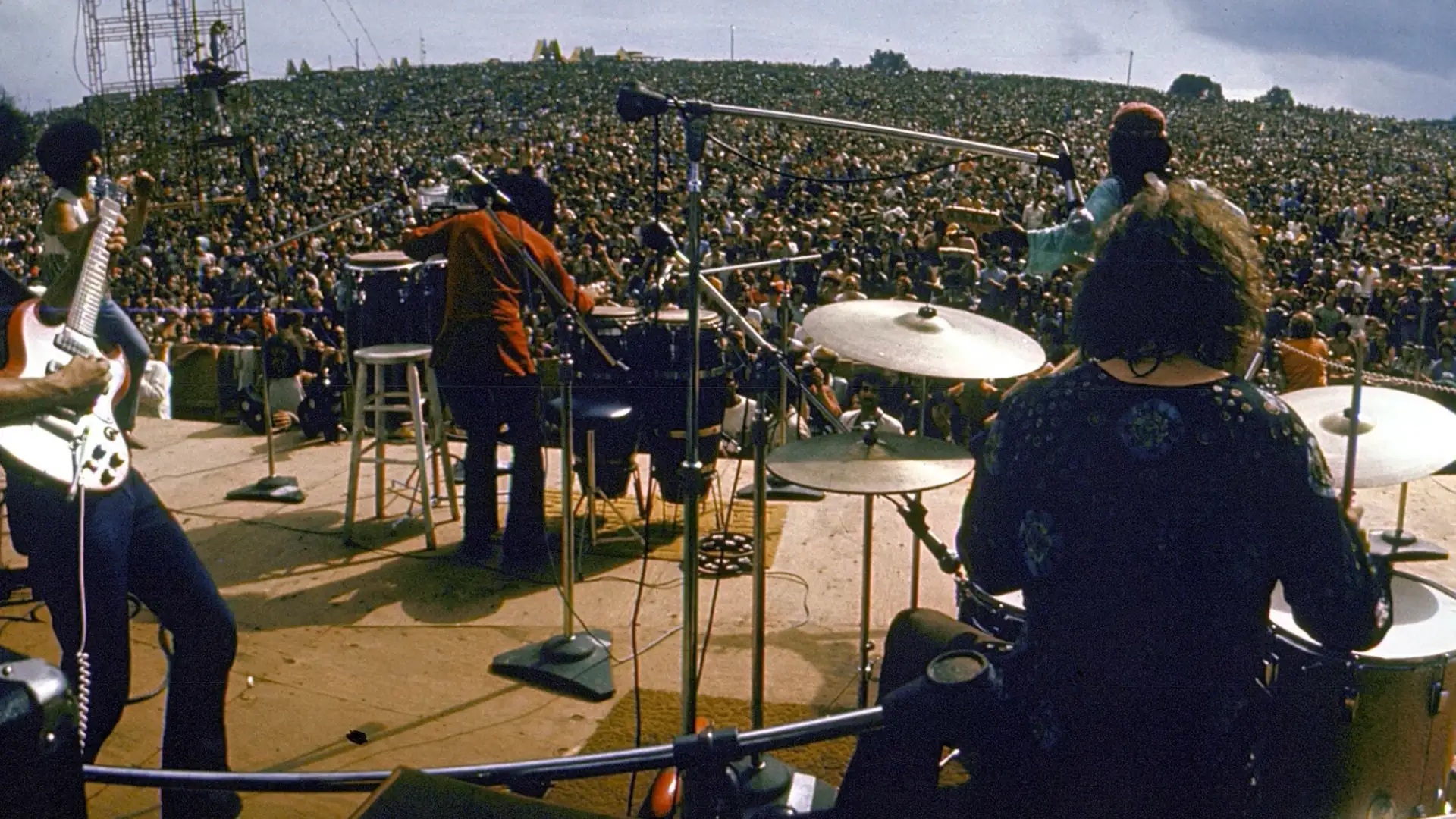
Woodstock 1969 saw nearly 500,000 people attend the festival, with The Who’s electrifying performance being one of its highlights.
The festival symbolized the cultural revolution, and The Who’s performance became a defining moment.
The massive crowd and iconic music of the era created an unforgettable atmosphere, cementing Woodstock’s place in music history.
📌 Key Highlights
🌅 Played at sunrise, after hours of festival delays
🎸 Pete Townshend kicked a fan offstage, mid-performance
🎶 A legendary “Tommy” set, caught in Woodstock history forever
13. The Rolling Stones – Altamont Speedway, 1969
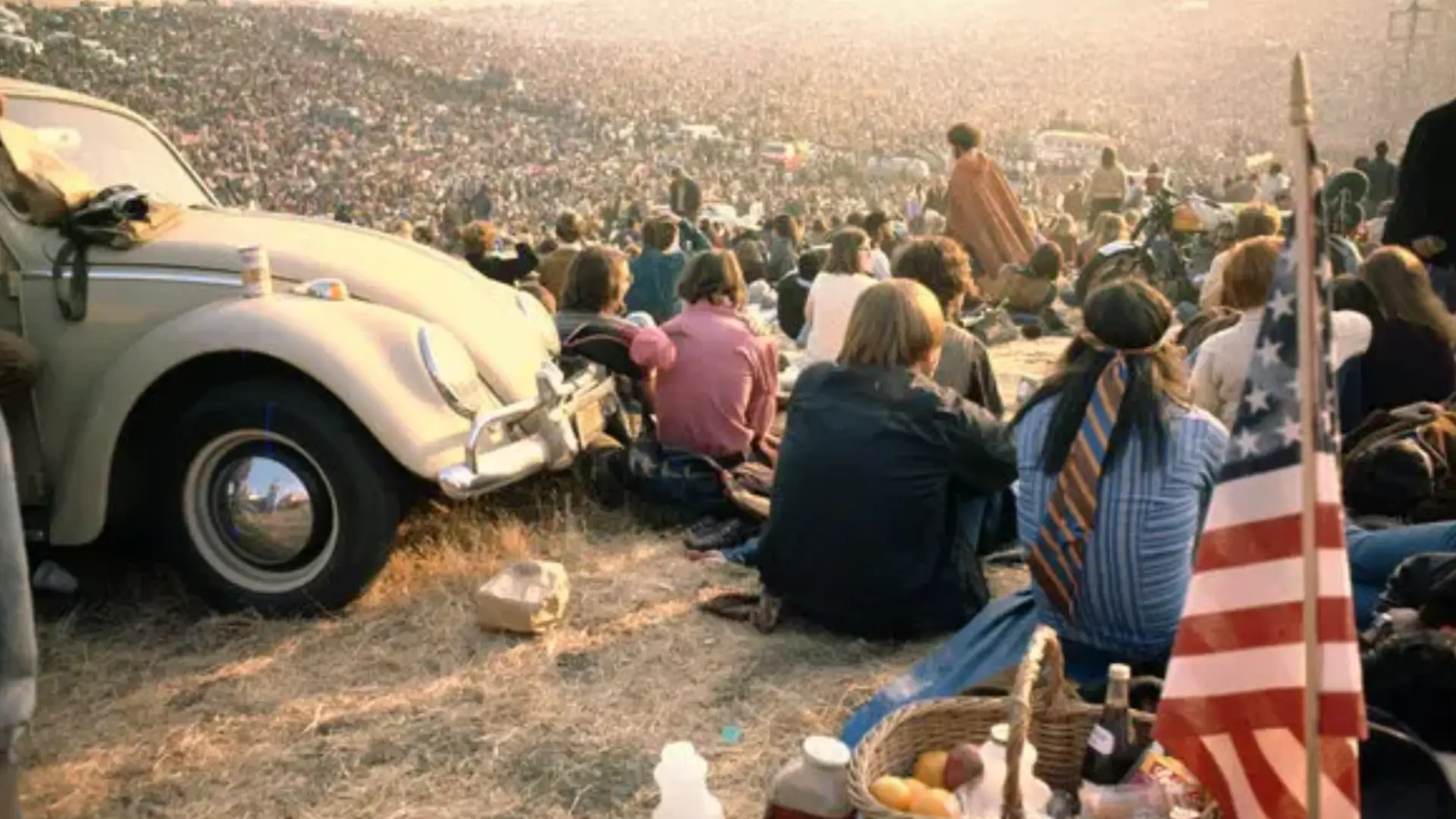
The Rolling Stones concert at Altamont Speedway in 1969 drew around300,000 people.
Originally intended to be a West Coast Woodstock, the event became infamous due to violence and the tragic death of a concert-goer.
Despite the chaos, it remains a pivotal moment in rock history, symbolizing the dark side of the 1960s counterculture.
📌 Key Highlights
⚠️ Free show turned chaotic fast, with security falling apart
🔥 Violence erupted during the set, shocking the crowd
🕰️ Seen as “the end of the 60s”, in rock history terms
14. The Rolling Stones – Monterey Pop Festival, 1967
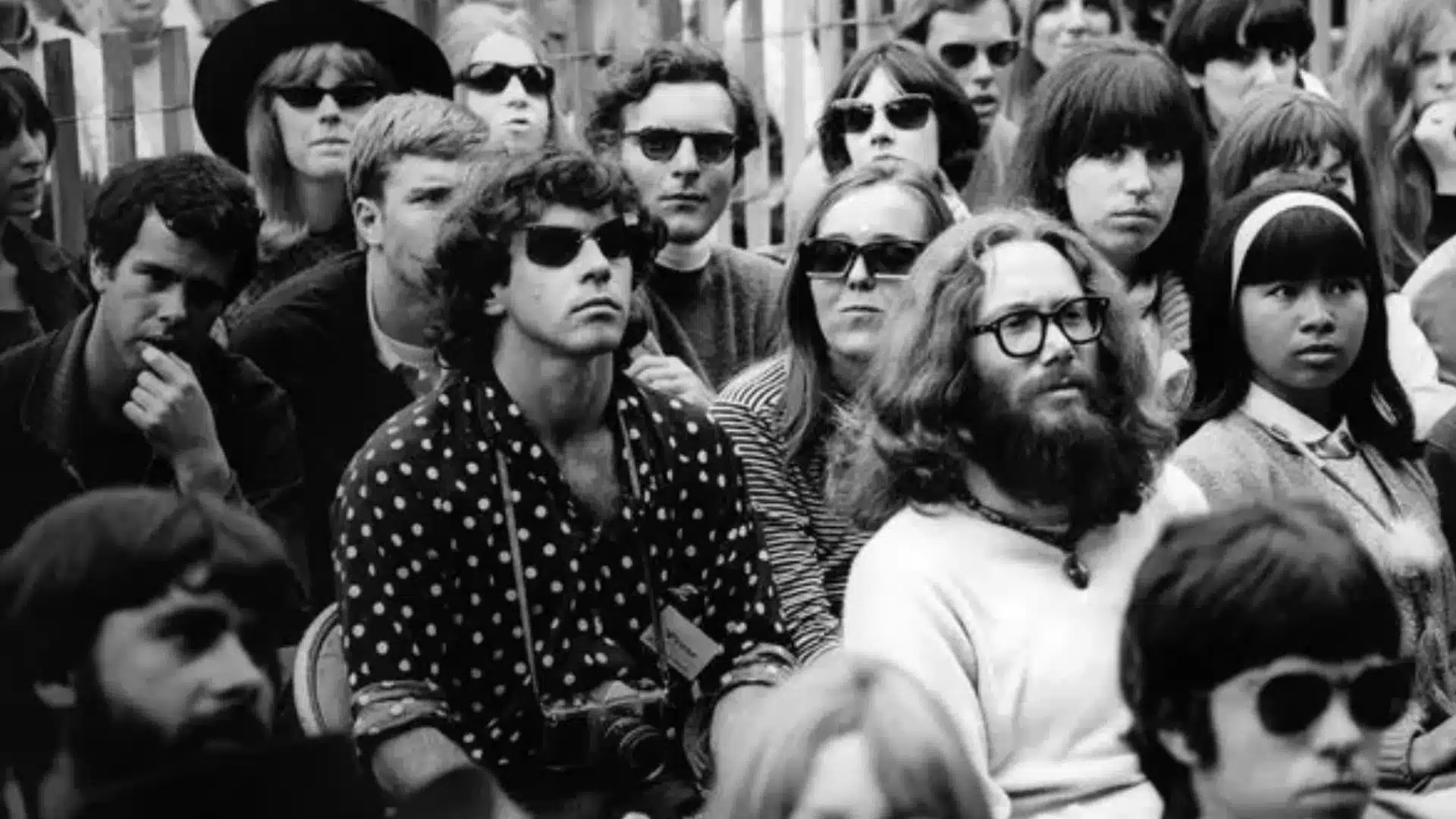
The Monterey Pop Festival in 1967 attracted over 200,000 people and is considered one of the first major music festivals.
The event featured legendary performances by The Rolling Stones, Jimi Hendrix, and Janis Joplin, marking the start of the ‘60s counterculture movement.
The festival’s success helped pave the way for future large-scale music events.
📌 Key Highlights
🌼 One of the earliest large-scale music festivals
🎶 Laid the groundwork for future mega music festivals
🎸 Breakthrough performances by Jimi Hendrix and Janis Joplin
15. Michael Jackson – Moscow, 1997
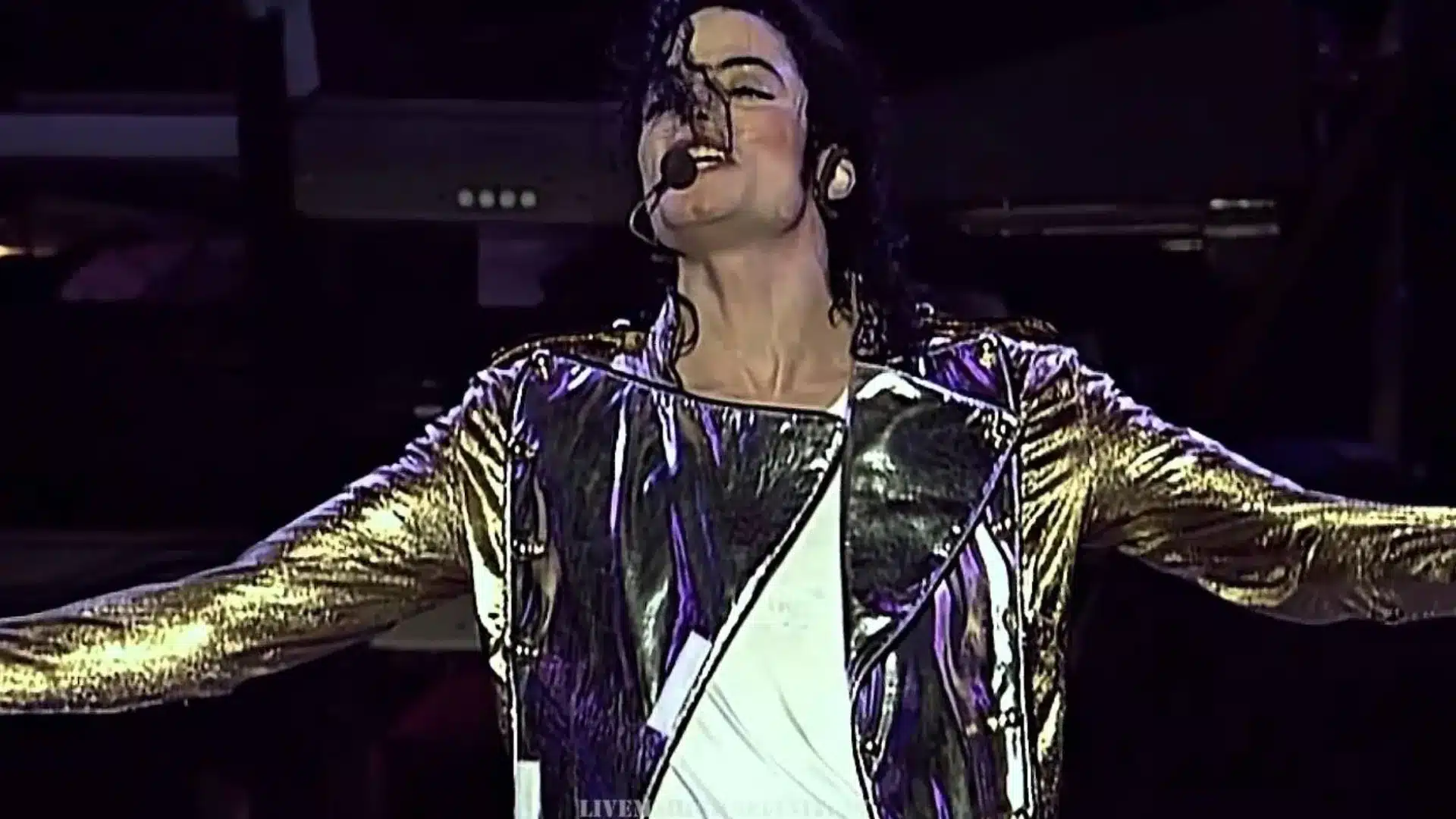
Michael Jackson’s performance in Moscow in 1997 attracted 125,000 fans. As part of his “HIStory World Tour,” the event marked a significant cultural moment, as Jackson’s global influence was undeniable.
The concert was a monumental event in Russia and reflected Jackson’s ability to draw massive crowds across the world.
📌 Key Highlights
🌍 A major post-Soviet pop moment, grabbing attention across Russia
🎭 HIStory Tour spectacle, with massive staging and choreography
📰 Moscow became a global headline, thanks to MJ’s presence
16. Shakira – The Concert for the People of Gaza, 2009
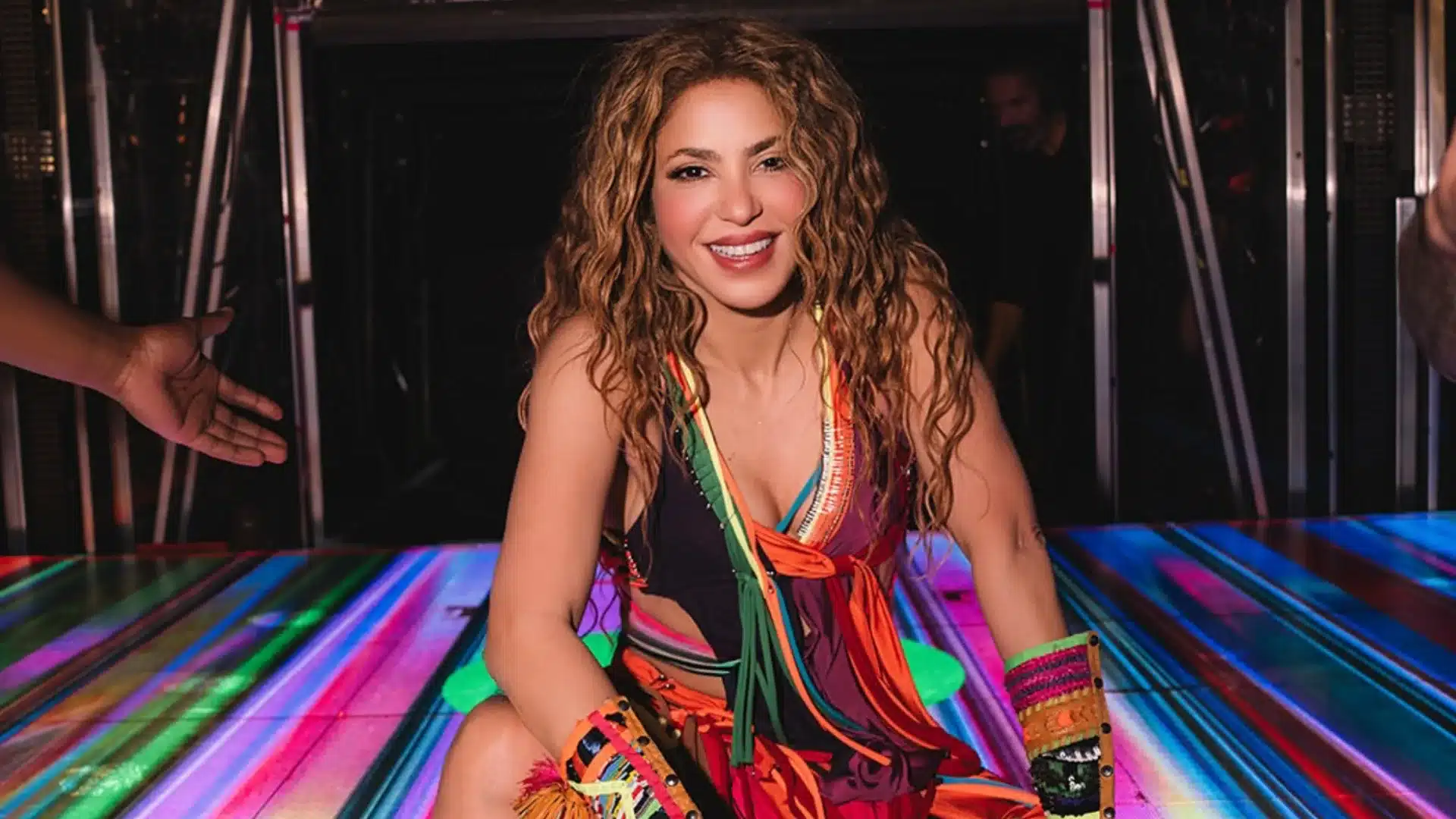
Shakira’s performance for the people of Gaza in 2009, attended by over 100,000 fans, was a charitable event designed to raise awareness for the region.
The concert highlighted the power of music to unite people for social change, as the performance helped raise millions for the cause.
📌 Key Highlights
🤝 Performed for a humanitarian cause, raising awareness and support
🎶 Blended pop with Middle Eastern influence, matching the event’s message
🌍 A rare unity-driven concert moment, beyond just entertainment
17. Madonna – The Rebel Heart Tour, 2015
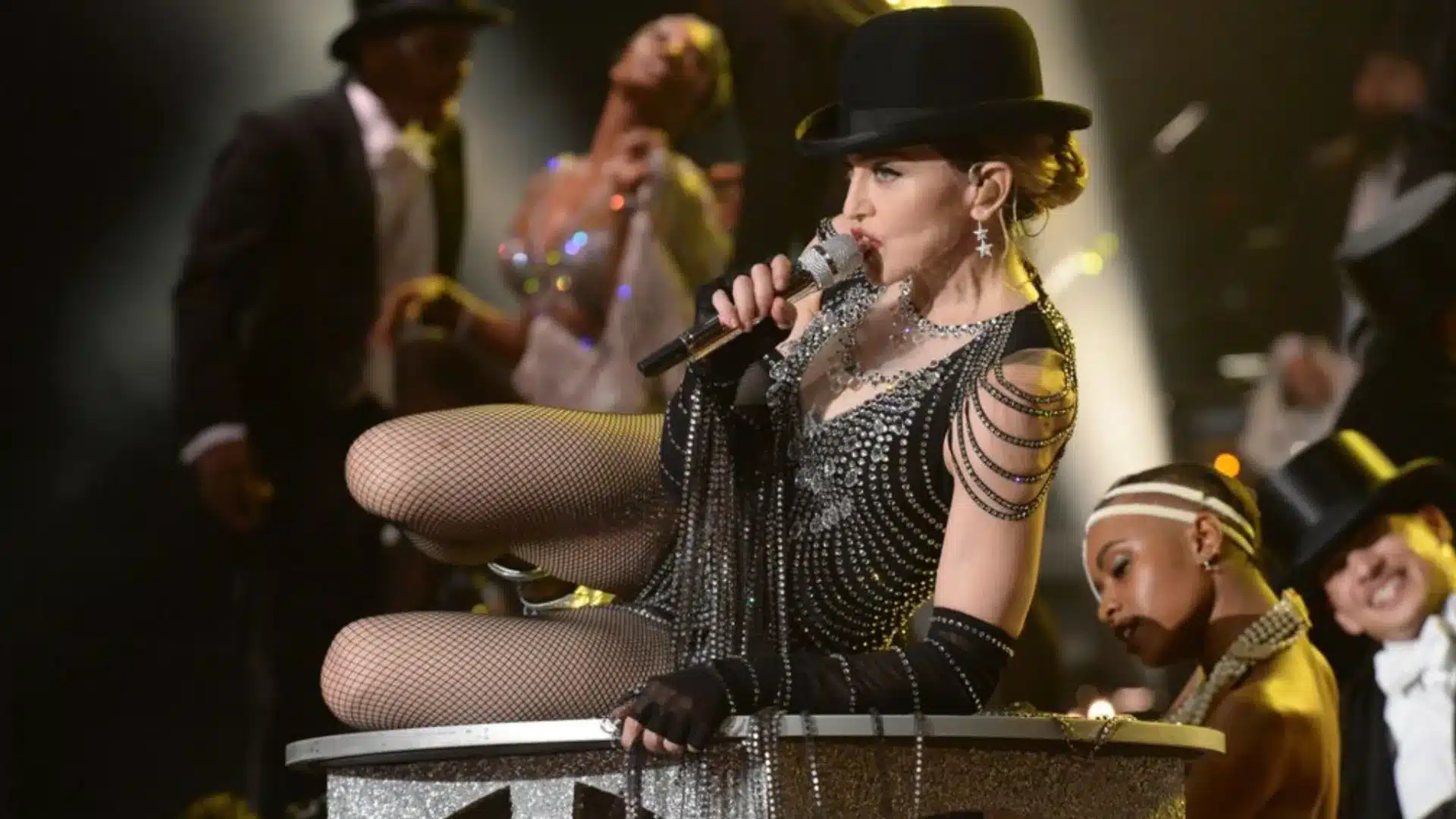
Madonna’s “Rebel Heart Tour” in 2015 was attended by over 1 million fans worldwide. Her performance in Mexico City, with 100,000 attendees, was a standout.
As one of the most iconic pop stars, Madonna’s ability to pack stadiums is unmatched, with her energy, stage presence, and extensive catalog of hits making each performance memorable.
📌 Key Highlights
🎶 Career-spanning setlist, mixing classics with Rebel Heart tracks
👗 Bold visuals and costumes, true Madonna-level spectacle
💃 High-energy choreography, proving her stage power in 2015
18. Coldplay – São Paulo, 2017
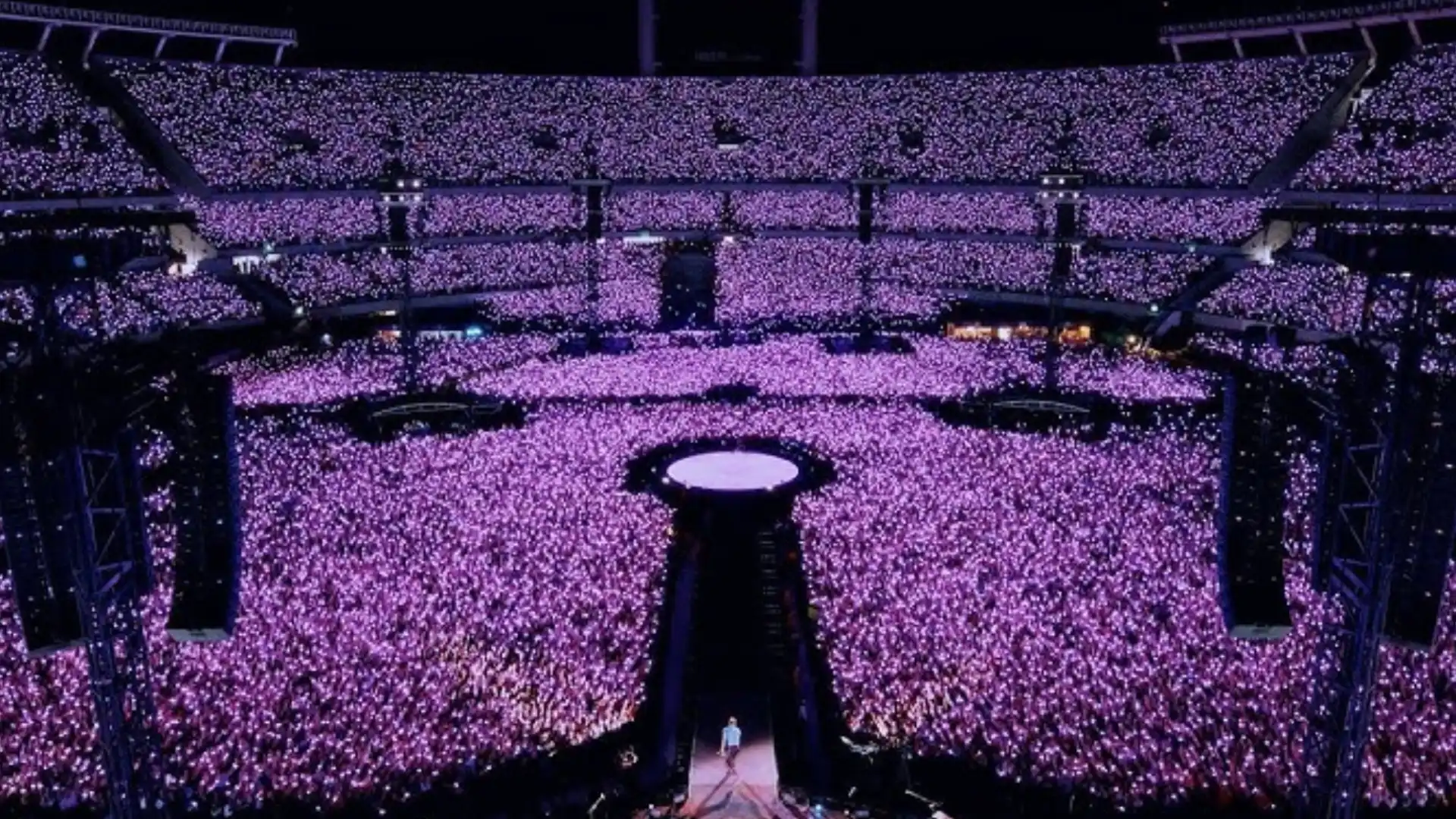
Coldplay’s 2017 concert in São Paulo, Brazil, gathered over 100,000 fans. Known for their captivating performances and interactive stage setups, Coldplay continues to fill stadiums worldwide.
This show, one of their largest in Brazil, included their famous light-up wristbands and stunning visuals, further solidifying Coldplay’s status as a global music powerhouse.
📌 Key Highlights
🎤 Mass singalongs filled the stadium, with fans louder than the speakers
🌈 Colorful lights and wristbands, turning the crowd into the show
❤️🔥 Emotional, high-energy set, made São Paulo feel unforgettable
19. Bon Jovi – Tokyo Dome, 1995
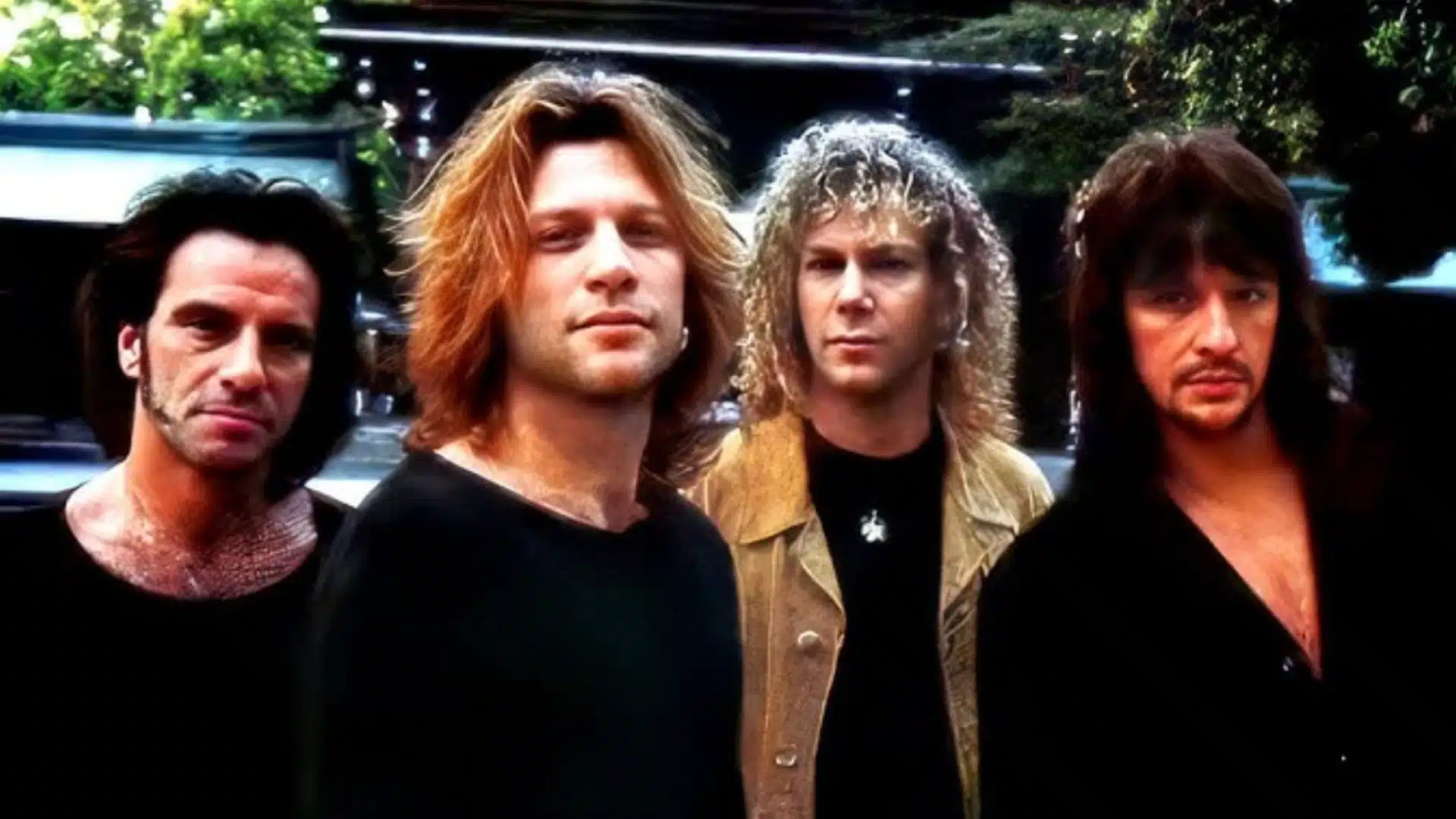
Bon Jovi’s 1995 performance at the Tokyo Dome in Japan attracted over 100,000 fans. Known for their high-energy performances, Bon Jovi’s popularity in Asia continues to rise.
This concert was one of the largest in the region, with a show that featured their anthems and captivated the massive crowd, reinforcing their global music dominance.
📌 Key Highlights
🏟️ Tokyo Dome packed out, showing their massive Japan fanbase
⚡ Peak 90s arena rock energy, loud, fast, and crowd-driven
🎶 Anthem-heavy setlist, with nonstop singalong moments
20. AC/DC – Donington Park, 1991
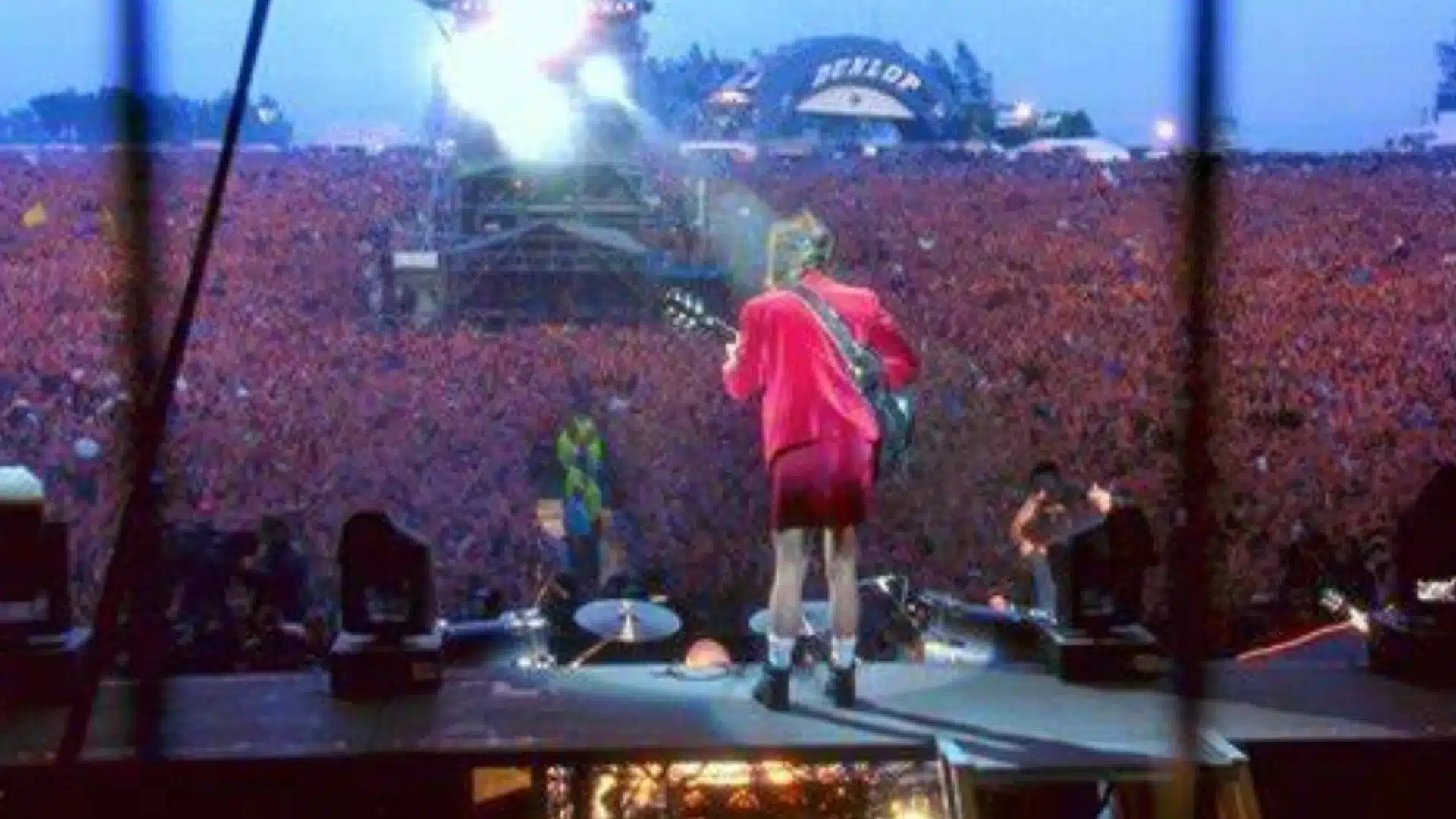
AC/DC’s performance at Donington Park in the UK in 1991 saw an audience of 100,000 fans.
Known for their electrifying stage presence, AC/DC’s set was one of the most memorable in rock history, bringing together long-time fans and new generations of music lovers.
📌 Key Highlights
🎬 Iconic live show, later released as a concert film
🎤 Donington packed and roaring, all night long
🎸 Angus Young went full chaos, owning the stage from start to finish
21. U2 – The Rose Bowl, 2009
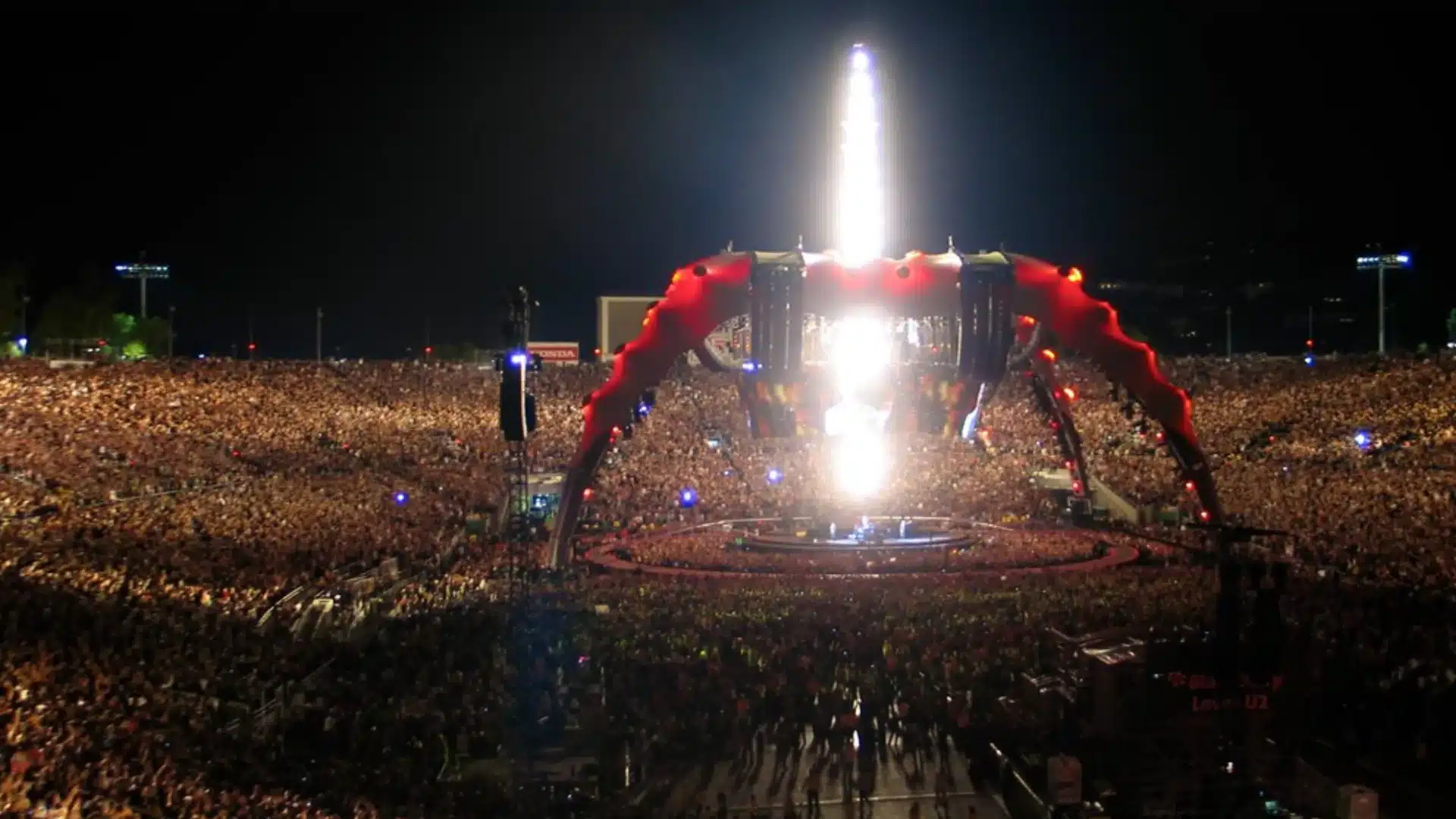
U2’s “360° Tour” performance at The Rose Bowl in Pasadena, California, attracted 97,000 fans.
This concert was one of the largest in U.S. history, with a unique 360-degree stage setup that allowed fans to get up close, creating a truly immersive experience.
U2’s performance remains one of their most successful, showcasing their global influence.
📌 Key Highlights
🔄 Giant 360 Tour stage, built for full-stadium views
🎬 Captured on film, released as a concert movie
🎤 Huge singalong energy, all night long
22. Live Aid – Wembley Stadium, 1985
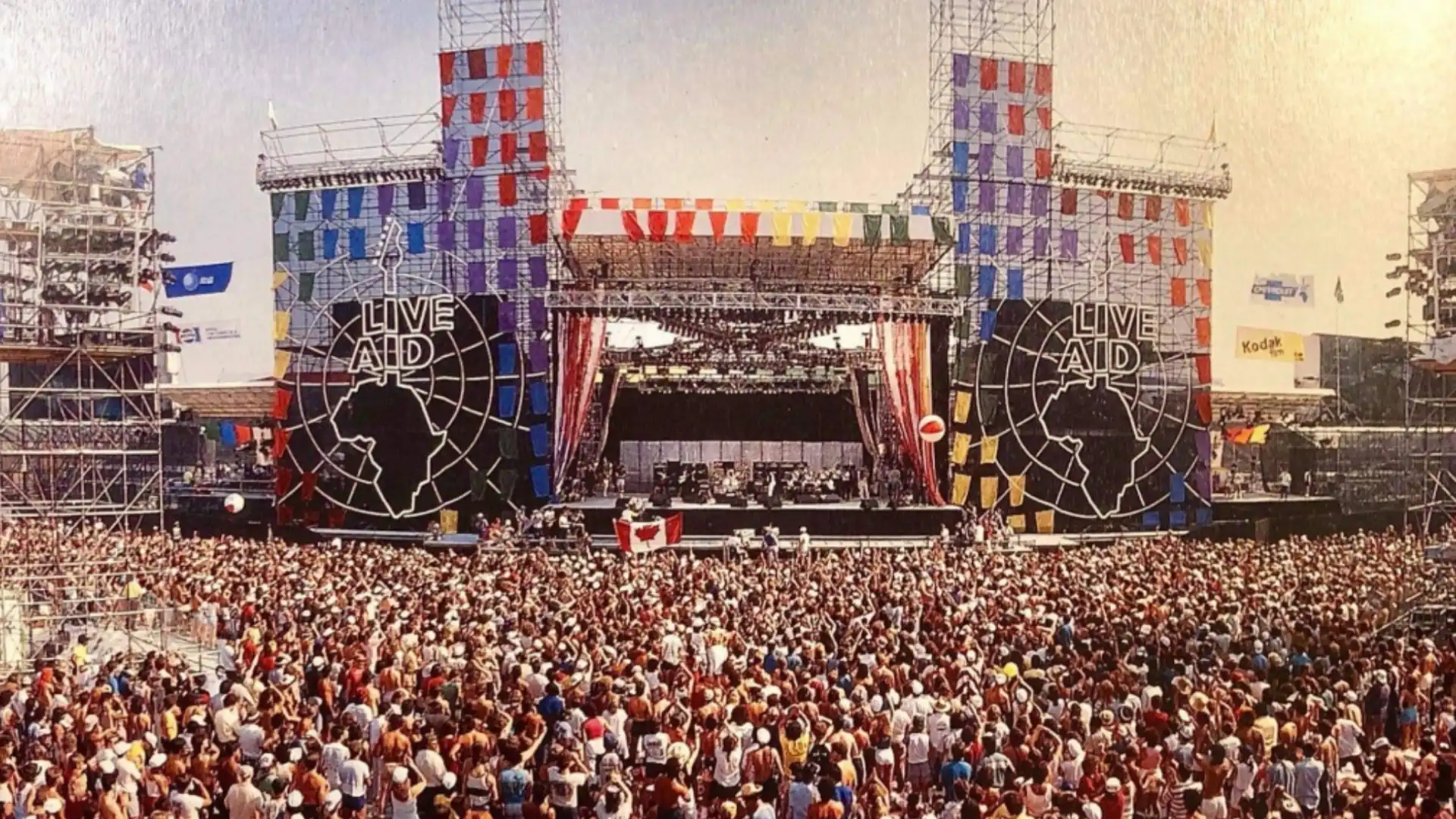
Live Aid, organized by Bob Geldof, raised over $125 million for famine relief in Africa, drawing 72,000 attendees at Wembley Stadium.
The charity concert featured iconic performances by Queen, Led Zeppelin, and David Bowie.
Its global broadcast reached millions of people, cementing Live Aid’s place in history as one of the most influential concerts ever held.
📌 Key Highlights
Global charity broadcast, watched by millions worldwide
Queen’s iconic Wembley set, became the show’s defining moment
Two-venue mega event, linking London and Philadelphia live
23. Queen – Live Aid, 1985
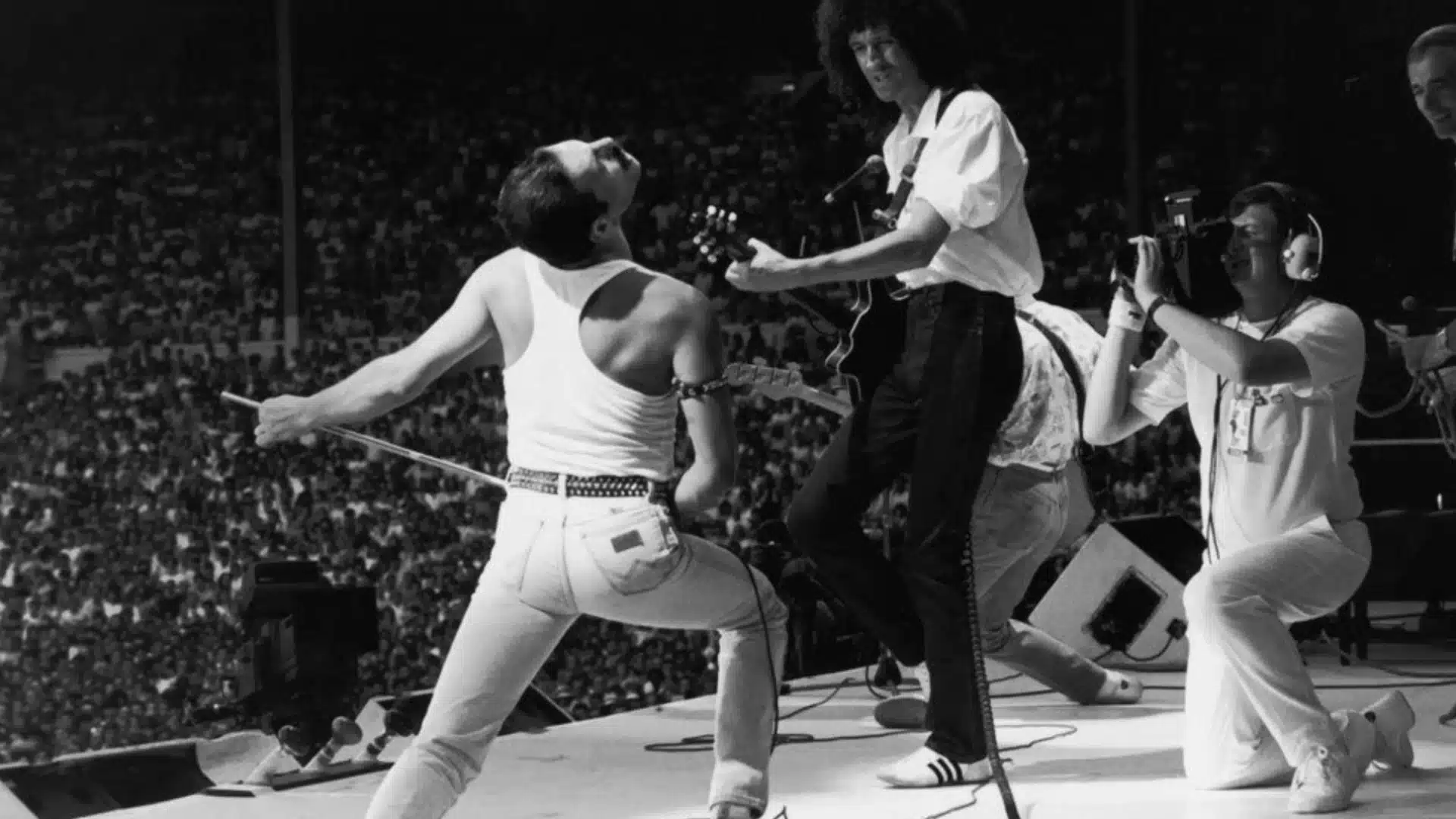
Queen’s performance at Live Aid in 1985 is often regarded as one of the best live performances of all time.
Although the event attracted 72,000 at Wembley Stadium, Queen’s iconic set reached millions worldwide through live broadcasts.
Freddie Mercury’s stage presence and powerful vocals made the performance unforgettable, cementing Queen’s legacy.
📌 Key Highlights
⏱️ A 20-minute set that stole the show
👏 Freddie’s crowd control was unreal, every clap synced
🎶 “Radio Ga Ga” became iconic, with the whole stadium joining in
Factors Influencing Massive Concert Attendance
Several factors contribute to the success of concerts in attracting huge audiences, from artist popularity to event location and timing.
- Artist Popularity: Established and iconic artists can naturally draw large crowds due to their loyal fan base and global appeal.
- Event Location: Accessible and iconic venues, such as stadiums or outdoor arenas, play a crucial role in accommodating large audiences.
- Timing and Season: Concerts held during peak seasons, such as summer or major holidays, tend to attract more attendees.
- Ticket Price: Free or low-cost tickets can significantly increase attendance, making concerts accessible to a wider range of fans.
- Promotion and Marketing: Effective marketing campaigns, including social media outreach and partnerships, help draw in attendees and raise awareness.
- Cultural Significance: Concerts tied to cultural, political, or historical moments often see larger crowds as they resonate with the audience.
- Unique Experience: Special events, such as festivals or collaborations, offer attendees a one-of-a-kind experience, encouraging higher attendance.
Economic and Cultural Impacts of Large Concerts
Large concerts influence both the economy and culture, leaving lasting effects on communities and industries alike.
- Boost to Local Economy: Massive concerts drive tourism, increase demand for local services, and stimulate spending in the hospitality and retail sectors.
- Job Creation: Large events generate employment opportunities in event management, security, catering, and transportation.
- Brand and Product Exposure: Concerts provide a platform for brands and products to reach a wide audience through sponsorships and promotions, and massive ticket sales.
- Cultural Unification: These events bring people together, celebrating diversity and creating shared cultural experiences across different communities.
- Influence on Music Trends: Big concerts can shape music trends, bringing attention to new genres and popularizing certain styles or artists.
- Long-Term Tourism Impact: Iconic concerts in historic venues can make cities and regions more attractive as tourist destinations.
- Social and Political Movements: Large concerts often serve as platforms for social and political messages, amplifying causes and raising awareness.
Conclusion
Large concerts are more than just a spectacle; they have far-reaching economic and cultural impacts that resonate long after the event ends.
From boosting local economies to shaping music trends, these events bring people together and create lasting memories.
With their ability to unite communities, generate economic growth, and promote social causes, large concerts are powerful tools for change and engagement.
If you’re planning or attending a large event, keep in mind the profound impact it can have on both the local community and global culture.
Frequently Asked Questions
How Much Revenue Can a Single Mega Concert Generate for Its Host City?
A mega-concert can inject tens of millions into a local economy through tourism, hospitality, transportation spending, and temporary job creation in the surrounding area.
What Role Does Engineering Play in Ensuring Audio Quality for a Massive Crowd?
Engineers use delay towers, line array speaker systems, and digital signal processing to distribute clear, consistent sound across vast outdoor spaces without distortion.
What is The Environmental Impact Of Hosting Concerts With Millions Of Attendees?
Mega-concerts generate significant waste, carbon emissions from travel, and noise pollution, prompting many organizers to adopt green initiatives like recycling and renewable energy.








2 Responses
Where’s the Beach Boy’s summer of 1984 fourth of July concert in D.C.? 500,000 plus.
And no mention of Jean Michel Jarre who can boast at least 4 concerts with 1m+ attendees?