Pharma supply chains have always been high-stakes. One missed shipment window can trigger a recall investigation or force a hospital to scramble for alternatives. That’s why modern pharma warehousing relies on tightly controlled, data-rich operations where every handoff is provable and every exception visible.
Smart warehouses blend sensors and disciplined processes so inventory and shipping readiness stay in sync, even when demand swings or a supplier changes a lead time overnight.
Resilience Is a Pharma Requirement
Pharma distribution is all about protecting product integrity and patient access across a chain that’s often global and heavily regulated. The system is also highly sensitive to disruption, so shortages are relatively common.
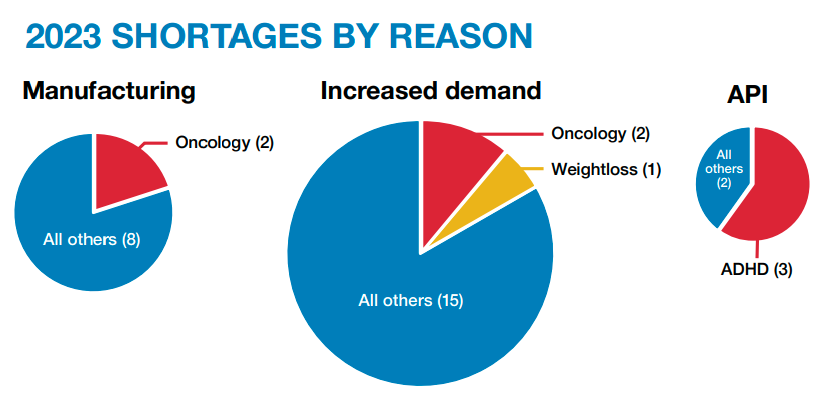
In 2023 alone, the FDA reported preventing 224 potential shortages, while tracking 33 new shortages and noting that sterile injectables made up the majority of products in shortage.
The numbers tell a similar story when it comes to hospital shortages. According to the American Society of Health-System Pharmacists, the number of active drug shortages in the U.S. hit an all-time high of 323 in the first quarter of 2024. And even though things eventually improved, the numbers remained high for several quarters.
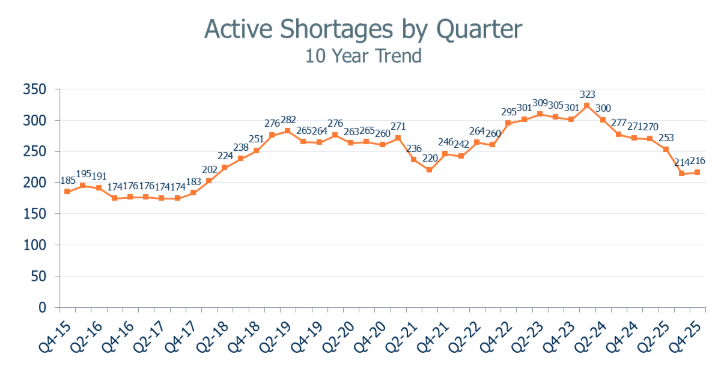
This data should show warehouse and logistics managers that they need to design distribution networks capable of adapting to change. Faster cycle times help, but so do tighter controls.
Smart Warehousing Starts with Visibility
In pharma, knowing what you have, where it is, what condition it’s in, and whether it’s releasable is more valuable than any fancy new robot.
So, a modern warehouse management system that tracks lot and serial data and quality status is a (sometimes literal) lifesaver. From there, workflows can be orchestrated so that receiving, putaway, picking, packing, and shipping become a single story with timestamps and auditable decision points.
Exception Handling Is Where Smart Operations Pay Off
The real cost of pharma warehousing shows up in exceptions like partial shipments, expired labels, damaged cases, and products that can’t be verified during picking. Traditional operations treat exceptions as one-off fires, while smart ones treat them as structured events.
That means alerts capture context. Which zone moved out of range? Which lots were open? What orders are affected? Which carriers and customers need notification? The faster you can answer those questions, the more likely you are to prevent a small deviation from turning into a bigger event.
Where Automation Fits In
Automated warehouse systems are most valuable when they reduce variability without adding new compliance risk. The strongest deployments usually target repeatable, rules-driven work, standardizing storage and retrieval, and following consistent packaging steps.
One industry analysis notes that only about 20% of warehouses in North America have adopted any form of automation, and projects an 8.3% compound annual growth rate for automated warehouses. So, there’s still plenty of runway, but also a lot of implementation friction.
In pharma, that friction often comes from integration and validation. Any new equipment has to “speak” to your software stack, and any new workflow has to be provable. The upside is very much there for the taking, but it’s earned through design, testing, and training, not just hardware.
Smart warehousing changes planning as well. When inventory visibility is real-time, and movements are captured cleanly, planners stop guessing. They can spot slow-moving lots before they expire and prioritize replenishment based on actual demand signals rather than intuition.
This is the less glamorous side of supply chain automation, but it’s often the most transformative. Better data cuts waste and improves service levels without demanding heroic effort from warehouse teams.
Traceability Is a Living Process
Traceability requirements keep tightening, and expectations are rising across the industry. The operational challenge is that traceability can’t be a spreadsheet exercise you do when someone asks. It has to be built into daily work.
Smart warehouses bake traceability into routine motions like receiving scans that confirm lot attributes and pick confirmations that prevent the wrong SKU or lot. When a recall or investigation hits, these routines mean you’re no longer reconstructing history from scattered systems.
A Phased Approach Beats a Massive Rebuild
Pharma warehouses can’t afford long disruptions, and leadership teams don’t want a multi-year science project. That means the most sustainable approach is phased.
Start with process clarity and data integrity, and only then add automation where it removes risk and reinforces compliance.
That might mean beginning with receiving discipline and quality-status controls and moving into guided picking to reduce errors before adding higher levels of mechanization in storage or packing. The point is to automate what’s repeatable and measurable.
Bottom Line
Smart warehouses are redefining pharma supply chains because they turn reliability into a measurable capability. When every movement is captured and every exception structured, the supply chain becomes more resilient, and patient access becomes less dependent on last-minute problem-solving.
Designed well, a smart warehouse becomes the operational backbone that lets pharma organizations stay compliant and respond faster as the world changes.