Why does precise temperature control matter so much when food, medicine, or lab samples are on the line?
I see cold storage as a system where small changes can lead to real losses, safety risks, or compliance issues.
In this guide, I break down how refrigeration monitoring supports consistent temperatures, reduces waste, and helps teams respond before problems grow.
Focus mainly remains on practical ideas, clear data use, and simple habits that fit daily operations.
You will read about sensors, alerts, and record keeping, but also about decision making and accountability. My goal is to help you think through your own setup, spot weak points, and ask the right questions.
By the end, you should feel prepared to manage temperature control with confidence and clarity across different industries and storage needs.
What is Remote Refrigeration Monitoring Technology?
Remote refrigeration monitoring technology allows businesses to oversee temperature conditions without being physically present on site.
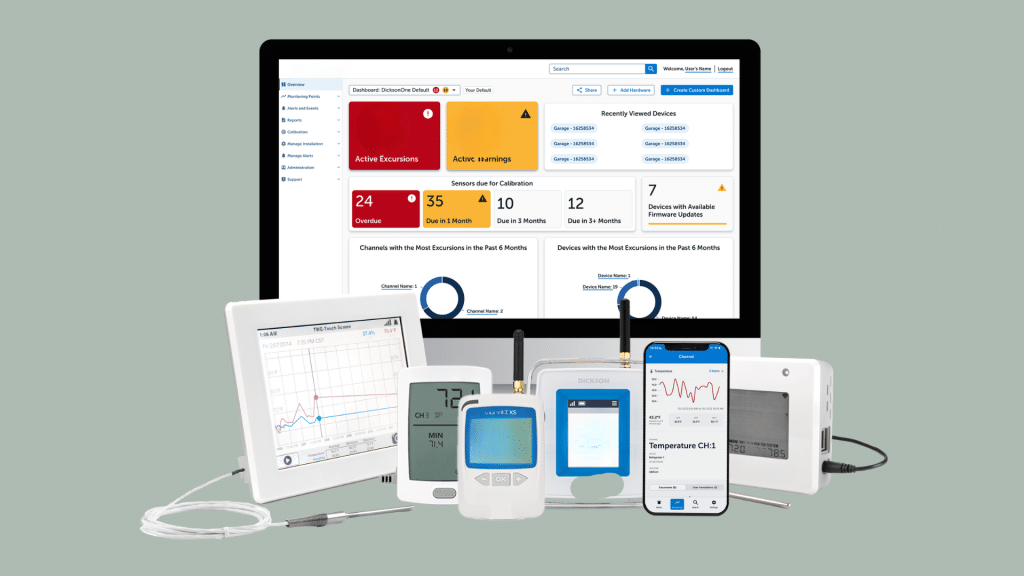
Sensors placed inside units collect data on temperature, humidity, and equipment performance, then transmit it through cloud-based platforms.
This setup enables real-time visibility, automated alerts, and detailed reports accessible from phones or computers.
Temperature tracking becomes more effective when paired with remote access, as teams can react quickly to power outages, door issues, or mechanical failures.
The technology also supports compliance by storing accurate logs for inspections and audits.
By reducing manual checks and response delays, remote systems help protect inventory, improve efficiency, and lower operational risk.
As connectivity improves, these tools continue to play a growing role in maintaining consistent cold storage standards across multiple locations.
Why Commercial Refrigeration Monitoring is Important?
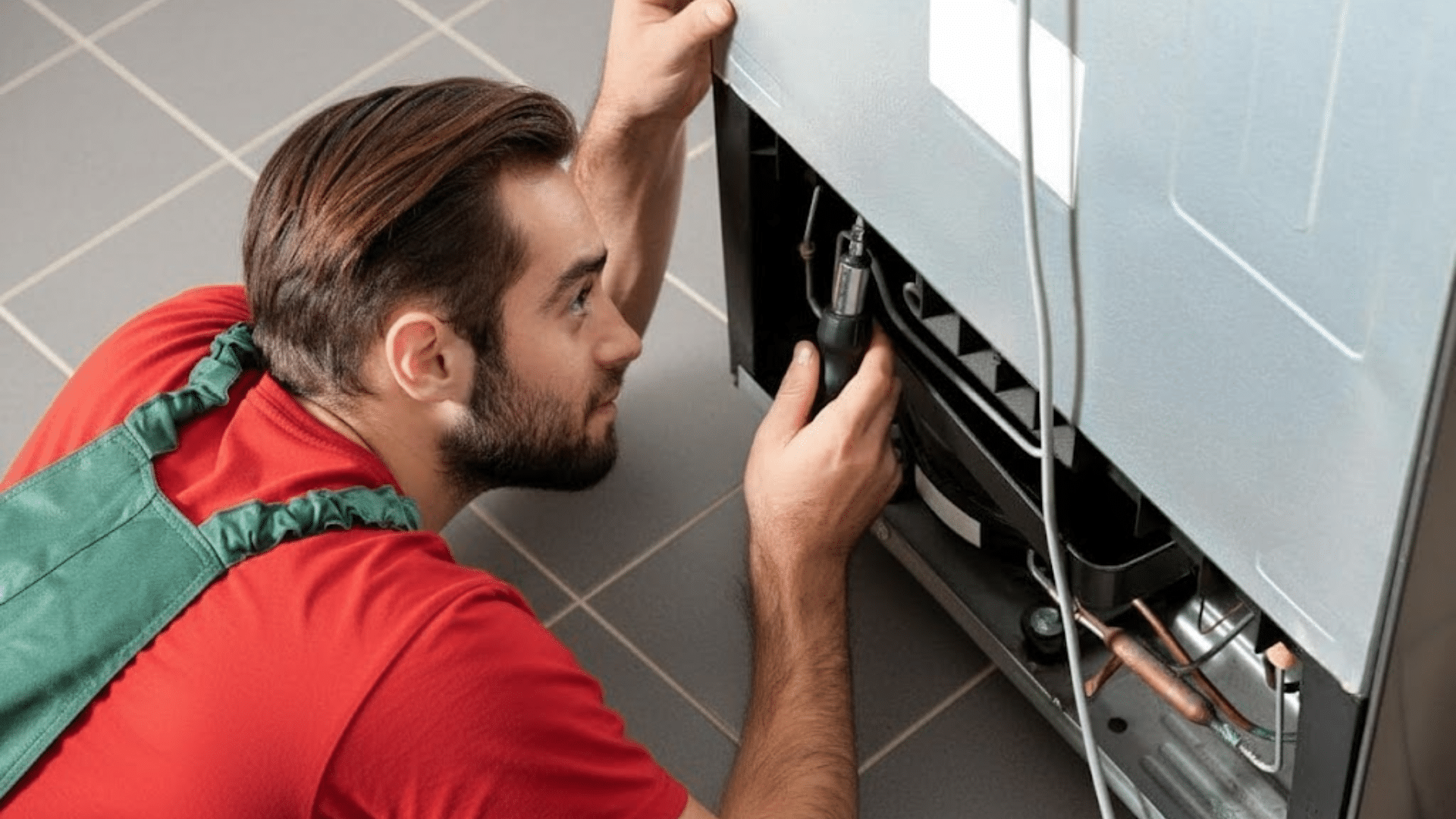
Commercial refrigeration systems play a critical role in food service, healthcare, and retail settings where temperature stability protects products and public safety.
Even small temperature shifts can lead to spoilage, regulatory violations, and financial loss.
Refrigeration monitoring helps businesses track conditions in real time, ensuring units operate within required ranges at all hours.
Continuous data collection allows staff to detect equipment issues early, reduce downtime, and plan maintenance before failures occur.
Accurate records also support compliance with food safety and health regulations during audits and inspections.
Beyond risk reduction, monitoring improves operational efficiency by lowering energy waste and extending equipment life.
Features of Commercial Refrigeration Monitoring
Commercial refrigeration monitoring systems include tools that help track temperatures, prevent losses, and support compliance through automation, alerts, and transparent reporting for daily operations.
- Real-time temperature tracking: Continuously records temperature data to detect fluctuations instantly, helping staff respond quickly before products are damaged or safety limits are crossed.
- Automated alerts: Send notifications via email or SMS when temperatures move outside set ranges, allowing faster action without constant manual checks.
- Data logging and reports: Stores detailed temperature history that supports audits, inspections, and internal reviews with accurate, time-stamped records.
- Remote access: Allows teams to view system status from mobile devices or computers, improving oversight across multiple locations without being on site.
- Equipment performance insights: Identifies patterns that signal maintenance needs early, reducing breakdowns, extending equipment life, and lowering repair costs.
Types of Refrigeration Monitoring Systems
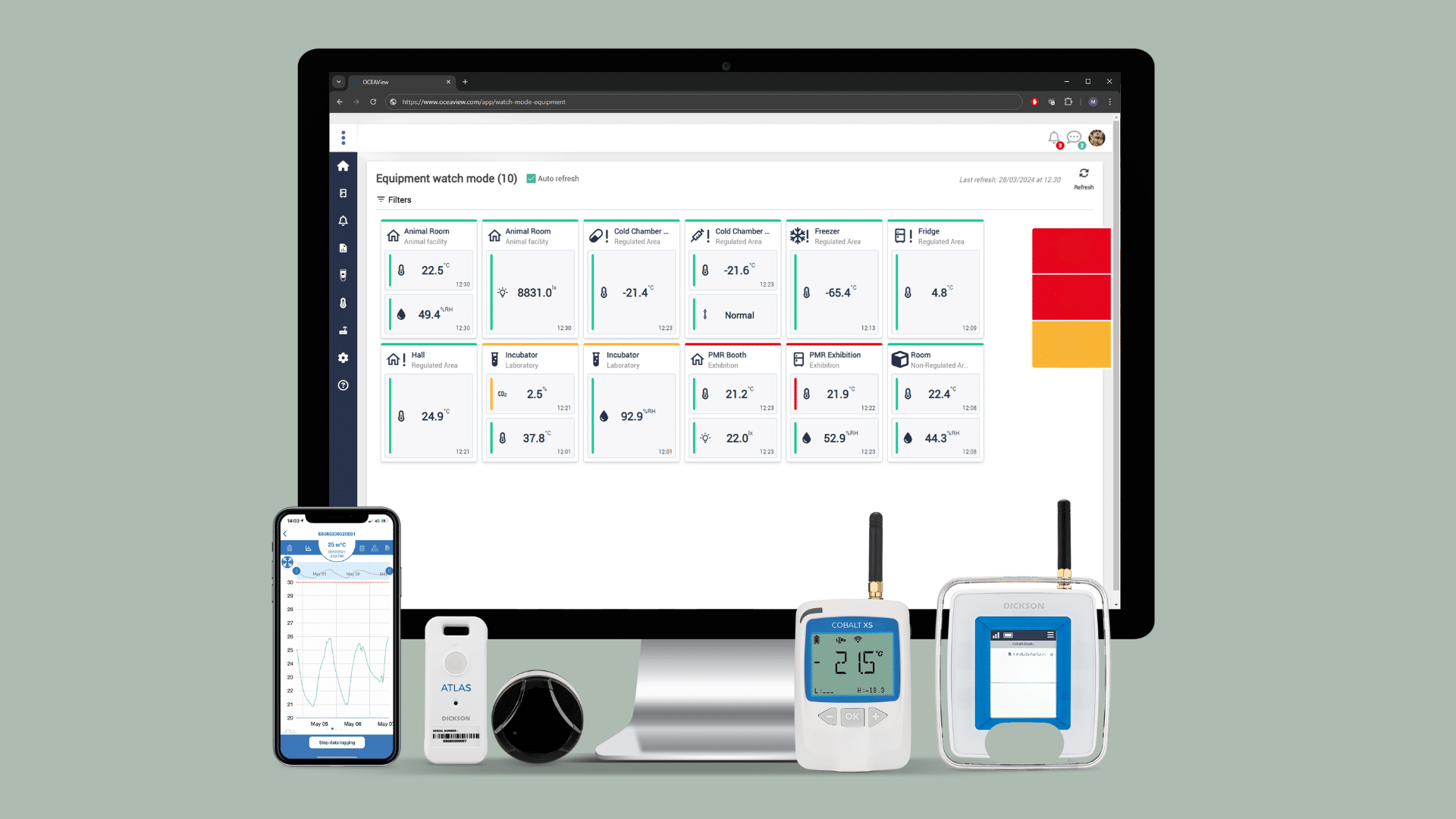
Types of Refrigeration Monitoring Systems help businesses choose the right setup based on location, risk level, compliance needs, and how much visibility and control operations require daily.
1. Manual Temperature Log Systems
Records are typically kept on paper logs or basic spreadsheets for compliance purposes. While simple and low cost, accuracy depends heavily on staff consistency and training.
Missed checks or recording errors can lead to unnoticed temperature issues. There are no automatic alerts, so problems may only be found after spoilage occurs.
Manual systems work best in low-risk environments with limited inventory and strict routines.
However, they offer minimal protection against overnight failures, power outages, or sudden equipment malfunctions that occur outside inspection times.
2. Standalone Digital Monitoring Systems
These systems use digital sensors placed inside refrigeration units to track temperature continuously.
Data is stored locally on the device and can usually be reviewed through onboard screens or downloaded manually.
Alerts may be available through audible alarms on the unit itself, but remote notifications are limited or unavailable.
This setup reduces human error compared to manual logs and provides more accurate temperature histories. It is commonly used in small facilities that need better control without full connectivity.
3. Cloud-Based Remote Monitoring Systems
Cloud-based systems transmit temperature data from sensors to online platforms in real time. Users can access dashboards, reports, and alerts from computers or mobile devices.
Automated notifications are sent when temperatures move outside set limits, allowing faster response.
Data is securely stored and easily retrieved for audits and compliance reporting. These systems support multiple locations and centralized oversight, making them ideal for growing operations.
Continuous visibility helps reduce product loss, improve maintenance planning, and ensure consistent standards.
4. Integrated Building Management Systems
Temperature data works alongside energy use and equipment performance metrics to provide a complete operational view.
Advanced analytics help identify inefficiencies and predict maintenance needs. Alerts can trigger automated responses, such as adjusting settings or activating backups.
This approach is common in hospitals, laboratories, and extensive commercial facilities.
While complex and costly to install, integration improves efficiency, reduces downtime, and supports strict regulatory requirements through centralized control and detailed system-wide reporting.
Choosing the Right Refrigeration Monitoring System
Choosing the right system depends on operational size, risk level, and regulatory requirements. Facilities handling food, medicine, or sensitive materials need reliable temperature visibility at all times.
Refrigeration monitoring solutions range from basic manual logs to advanced cloud-based platforms with real-time alerts and reporting.
Key factors include accuracy, response speed, data storage, and ease of access for staff.
Systems with automated alerts help reduce losses by addressing issues before temperatures reach unsafe levels.
Scalability is also essential for businesses managing multiple locations or planning future growth. Reliable reporting supports audits and compliance while improving accountability.
By matching system capabilities to daily operations and risk exposure, organizations can maintain consistent temperature control and ensure long-term efficiency.
Tips for Maintaining Your Refrigeration Monitoring System
Regular upkeep ensures accurate data, timely alerts, and system reliability, helping businesses avoid failures and maintain compliance through consistent performance and oversight standards.
- Schedule routine calibration: Calibrate sensors on a set schedule to maintain accuracy, prevent data drift, and ensure alerts trigger correctly across all refrigeration units.
- Test alerts regularly: Run alert tests monthly to confirm notifications reach the right staff quickly, reducing response time during temperature excursions or equipment faults.
- Maintain power and connectivity: Check backup power, batteries, and network connections to keep monitoring active during outages and avoid gaps in recorded temperature data.
- Review reports consistently: Analyze trends in reports to spot recurring issues, plan maintenance early, and improve operational decisions before minor problems escalate unexpectedly.
- Train staff properly: Provide clear training so staff understand system use, alert responses, and documentation, ensuring consistent handling and fewer errors during daily checks.
Conclusion
Effective temperature control is a continuous process, not a one-time setup. Throughout this guide, I have shown how the right tools, habits, and system choices reduce risk and protect valuable inventory.
Refrigeration monitoring plays a key role by providing visibility, alerts, and reliable records that support daily decisions.
When systems are maintained and used correctly, they help teams respond faster, stay compliant, and avoid costly losses.
I believe long-term success comes from matching technology to real operational needs, then reviewing performance regularly.
Minor improvements in tracking and response can lead to meaningful gains in safety and efficiency.
Now it’s your turn to take action. Share your challenges, questions, or experiences in the comments and start a practical conversation today.
Your insight could help others improve their systems together.