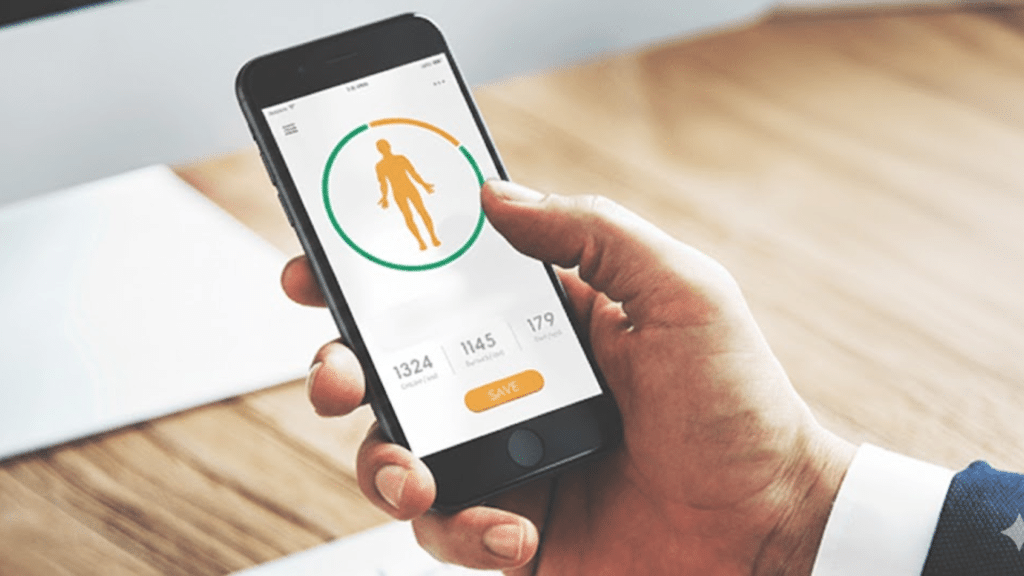
Fitness app development starts with turning a simple idea into an app people want to use every day. That process takes more than just writing code.
Fitness apps support workouts, track progress, and help users stay consistent. People expect fast screens, easy flows, and clear actions from the first tap.
If the app feels confusing or slow, users leave quickly. That’s why choosing the right development team matters so much.
You need to plan features, choose the right platform, test real user behavior, and prepare for updates after launch. Each step affects cost, timeline, and long-term success.
In this blog, you’ll learn how fitness apps are built step by step, what fitness app development companies actually do, how to compare teams, and how to choose a partner that fits your goals, budget, and timeline.
What Fitness App Development Services Include?
When you hire a team for fitness app development, you usually get more than just an app built. It often starts with custom design and development.
This means the app is shaped around your idea, your users, and your goals. The layout, features, and flow are planned from scratch instead of using templates.
Many fitness apps also connect with wearable devices. This allows users to track steps, heart rate, or workouts in real time. A good team knows how to handle these connections without issues.
Backend and database setup are another key part. This is where user data, workout plans, and progress are stored safely. It keeps everything running smoothly behind the scenes.
Ongoing maintenance and updates are also included. This helps fix bugs, improve features, and keep the app working well over time.
How to Build a Fitness App in 5 Clear Steps
Building a fitness app feels easier when you follow simple steps. This breakdown helps you plan, build, and launch your app without confusion.
Step 1: Study the Market and Pick a Platform
Begin by studying existing fitness apps. Read user reviews to spot common complaints and missing features.
Talk to people who work out often and ask what they struggle with in current apps. This helps shape a useful idea. Next, choose between iOS, Android, or both.
iOS users often spend more, while Android reaches more people. If budgets are tight, start with one platform and expand later.
Step 2: Create a Simple Prototype and Test It
Before full development, create a basic prototype. This can be a simple screen flow using tools like Figma or rough sketches.
Focus on how users start a workout, track activity, and view progress. Share this with real users, not just friends. Watch how they use it without guidance.
Their confusion and feedback will show what needs fixing early, saving time and cost later.
Step 3: Decide on the Right Tech Stack
Choose the tools and languages that fit your app goals. Swift works for iOS, while Kotlin or Java works for Android.
For one shared codebase, React Native or Flutter are options. Also, plan your backend where data is stored and synced.
Firebase and cloud services are common choices. If you plan to connect wearables or health platforms, make sure your setup supports those integrations from day one.
Step 4: Develop Features and Test Often
Start development with core features like sign-up, workout logging, and basic progress tracking. Avoid building everything at once.
Working in stages helps you test features as they’re built. Test the app on different devices and screen sizes.
Try real workout use cases too, like logging exercises between sets. Regular testing helps catch issues early and keeps the app smooth and reliable.
Step 5: Launch, Track, and Improve Over Time
Prepare your app for release by following App Store or Play Store rules. Upload clear screenshots and write simple descriptions.
Approval can take time, so plan ahead. Once live, watch reviews and crash reports closely. Fix issues fast and release updates often.
Track user behavior like daily use and feature popularity. These insights help guide updates and keep users engaged long term.
Top Global Fitness App Development Agencies Companies
These US-based firms are known for mobile app design, strategy, and engineering. Each has strengths that help businesses build a strong fitness app.
1. Appinventiv

Appinventiv is a full-service app development company that works with clients around the world, including in the US.
They offer fitness mobile app development design, engineering, backend development, and cloud support, and are known for handling apps from early planning to launch and beyond
With a large team and many projects delivered, they bring experience in iOS, Android, wearable integration, and API work.
Their focus on tailored digital solutions makes them a solid choice for fitness app development projects of various sizes.
2. Fueled

Fueled is an award-winning digital agency based in New York with a long history of building consumer and enterprise mobile apps.
They combine strategy, UX design, and development to create apps that look good and work well.
Fueled works with major brands and startups alike, offering custom mobile app development, tech strategy, and polished interfaces that users enjoy.
Their experience helps ensure your fitness app is designed to attract and retain users.
3. LITSLINK
LITSLINK is a US-focused app development firm with experience building mobile apps for iOS and Android.
They take a design-driven approach to projects, helping guide startups and established brands from idea through delivery.
With hundreds of successful releases, LITSLINK emphasizes clear communication, detailed planning, and hands-on collaboration.
Their services cover custom fitness and wellness apps with features like tracking, user goals, and integrations, tailored to each client’s needs.
4. Cleveroad
Cleveroad is an experienced app developer that builds custom mobile and web solutions for different industries, including fitness.
They offer iOS and Android development, UI/UX design, backend engineering, and quality assurance to make sure apps function smoothly.
Their team works closely with clients to translate ideas into working products, using modern tools and practices.
Cleveroad also supports cross-platform builds and can help connect fitness apps with wearables and other systems.
5. Apptunix

Apptunix specializes in custom fitness mobile app development and has a strong track record in fitness and health-focused apps.
Their services include workout trackers, diet and nutrition loggers, personalized plans, and wearables sync features.
They also help with user engagement functions like progress tracking and community features.
With experience building many fitness-related products, Apptunix can turn ideas into apps that support user goals and business growth.
6. Netguru

Netguru is a long-running software and product design company with roots in Europe and clients worldwide.
They offer custom fitness mobile app development and web development, product design, and tech strategy that fit business goals.
While not limited to fitness apps, their broad experience in mobile development makes them a strong choice for wellness and activity tracking projects.
Teams there focus on clear planning, user-friendly design, and reliable backend systems so your fitness app idea works well across platforms.
7. Orangesoft

Orangesoft has a large global portfolio that includes many fitness and health-focused apps.
They have worked on hundreds of projects that involve workout tracking, activity monitoring, nutrition tools, wearable device connectivity, and user-centered design.
Orangesoft brings deep app know-how for iOS and Android, and they help with strategy, testing, performance checks, and post-launch planning.
Their services aim to make fitness apps feel smooth, engaging, and easy for users.
8. Interexy

Interexy is a custom software development and IT consulting company known for creating fitness and wellness apps that aim to stand out in the market.
Their work covers activity tracking, social fitness features, nutrition support, and wearable integrations so users can track their goals in one place.
Interexy also emphasizes transparency, clear communication, and on-time delivery, helping you move from idea to a working app without unnecessary delays or surprises.
9. Stormotion
Stormotion focuses on fitness mobile app development and web app development with strong support for health and fitness projects.
They offer end-to-end services from planning through testing, cloud setup, and ongoing updates.
Their team works on features such as wearable sync, workout video, streaming support, and user engagement tools.
Stormotion is known for being flexible and helping brands tailor solutions that fit user needs while supporting cross-platform reach and future growth.
How to Choose the Right Company for Your Project?
Choosing the right team takes some planning. It helps to look beyond skills and focus on fit, budget, and how smoothly you can work together.
- Project scope fit – Match the company size to your project needs. Small apps often move faster with smaller teams, while larger apps may need bigger teams.
- Budget clarity – Set a clear budget early. This helps narrow options and avoids wasted time during discussions.
- Timeline planning – Be realistic about deadlines. Ask how long similar projects took to complete.
- Location and time zones – Check work hours and time zone overlap. This makes feedback and updates easier.
- Communication style – Choose a team that fits how often and how clearly you want updates.
Getting Started with Your Fitness App Development
Once you feel ready to move forward, the first step is requesting quotes from a few companies. Share a short summary of your app idea and the main features you want.
This helps teams give more accurate estimates. Before reaching out, prepare basic details like target users, platforms, core features, and budget range.
Clear information saves time on both sides. During consultations, ask how they handle planning, design, and updates.
You can also ask about past fitness apps, timelines, and support after launch. These talks help you see how well they understand your goals.
After choosing a company, review the contract, timeline, and deliverables. Set clear communication rules and confirm the next steps so the project starts smoothly.
Conclusion
Fitness app development becomes much smoother when you plan carefully and choose the right company early.
Building a fitness app involves more than design and code. It requires clear planning, the right features, steady testing, and ongoing updates after launch.
This blog covered how fitness apps are built, what development companies offer, and how to compare teams based on skills, budget, timelines, and communication.
Clear goals, clear budgets, and clear timelines keep the process simple for everyone involved. When expectations match on both sides, the app moves forward with fewer problems.
So, what kind of fitness app idea are you working on right now? Share your thoughts or questions in the comments, and let’s talk about your next step.