Many homeowners ask about geothermal installation costs, and I’ve had the same questions.
If you’re thinking about switching to this system, you might wonder how it works, why people choose it, and what the real price looks like.
A geothermal heat pump uses steady underground temperatures to heat and cool your home.
Which is why it’s often viewed as a long-term solution. However, understanding the geothermal heat pump installation cost can feel confusing without clear details. This blog breaks everything down in simple terms.
As you read, you’ll see what the average installation costs, what changes the price, how it compares to other systems, and how much you could save.
My goal is to help you feel confident before you spend a dollar.
What Does a Geothermal Heat Pump Installation Cost Today?
A geothermal heat pump installation usually costs between $18,000 and $35,000, depending on the setup.
Most homeowners pay around $24,000 to $30,000 for a full system, including the heat pump and the ground loop. The price changes based on your home’s size, your land, and the type of loop the installer uses.
Larger homes need bigger systems, which raises the cost.
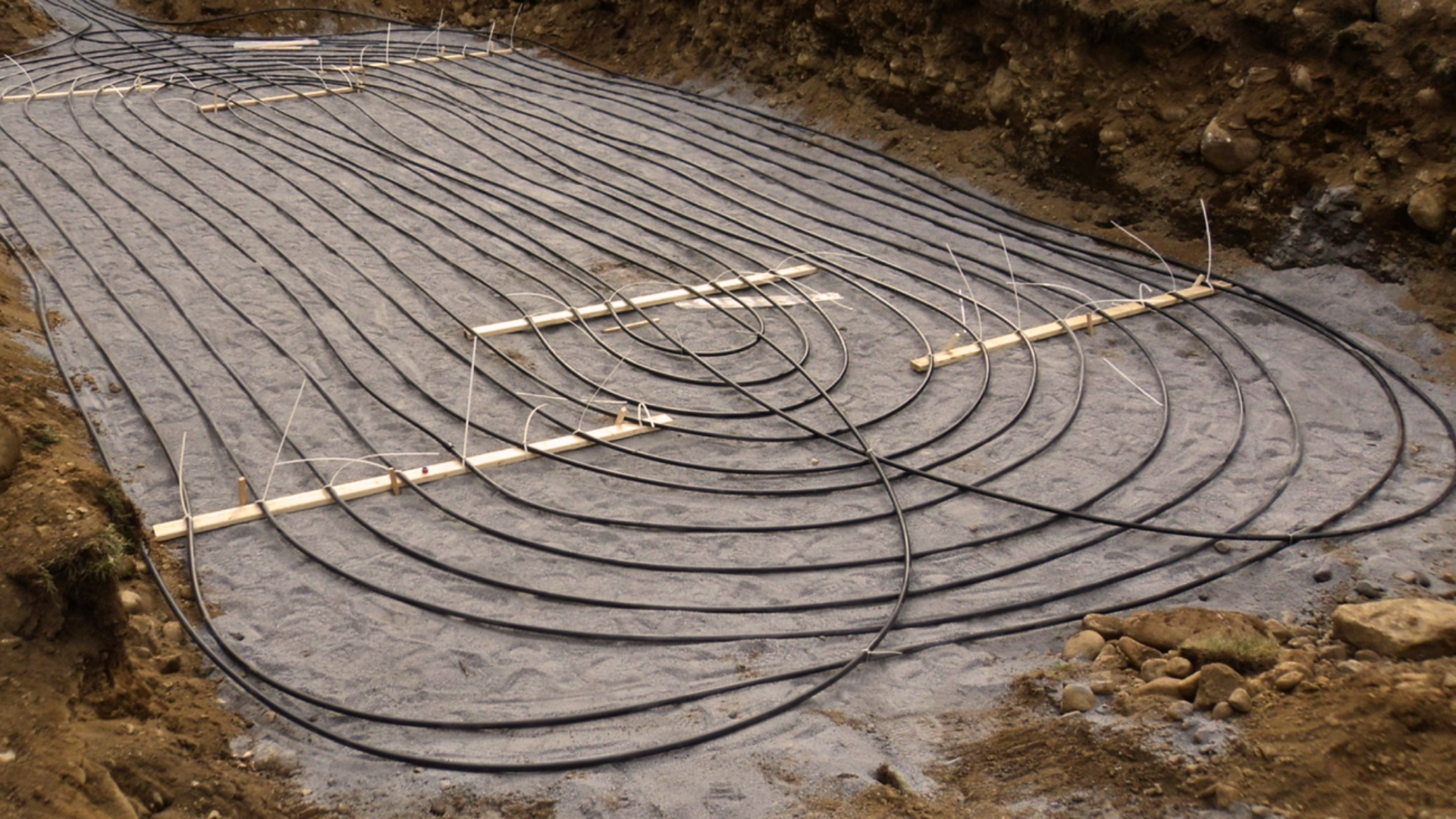
Vertical loops cost more because they require deeper drilling, while horizontal loops are often cheaper if you have enough yard space.
Soil conditions also matter since rocky ground can increase labor and equipment fees. Every project is different, but the main cost comes from the work required to place the ground loop.
When you understand these parts, it’s easier to see why prices vary and what you might pay for your home.
Factors that Decide the Installation Cost
Many parts of a geothermal project affect the final price. These key factors help explain why one home may cost more than another.
1. Labor
Labor is a major part of the total cost because trained installers handle planning, equipment setup, and loop placement.
Skilled crews charge more, but they also reduce mistakes that could cause problems later.
Labor costs also rise when a project takes longer due to tight spaces, deeper digging, or added safety steps.
Homes in areas with fewer installers may see higher prices because travel time and limited availability increase the overall rate.
2. Drilling or Trenching
Drilling or trenching is often the biggest cost driver because this step creates space for the ground loop.
Vertical drilling costs more since it requires deep holes and heavy machinery. Horizontal trenching can be cheaper if the yard has enough open space.
The depth, length, and layout of the loop paths all change the final price.
More drilling time, extra crews, or larger machines quickly raise costs, especially on tough or uneven land.
3. Loop Design
Loop design affects both the setup time and the total equipment needed.
Closed-loop systems often cost more because they use special piping and require careful placement. Open-loop systems can be cheaper but need a reliable water source.
The installer chooses the design based on the home’s heating and cooling load, the size of the property, and soil conditions.
A more complex loop design takes longer to build and increases labor, material, and planning costs.
4. Soil Conditions
Soil plays a big role in installation difficulty. Soft soil is easier and faster to dig, which lowers labor and equipment fees.
Rocky or clay-heavy soil slows down drilling and may require stronger tools, adding cost.
Wet or unstable ground can also affect how deep the system must go.
Every soil type changes the effort and time required, so two homes in the same area can have different prices based on what’s under the surface.
5. Home Location
Your location changes the total cost because labor rates, permit fees, and energy codes vary by region.
Rural areas may pay more for travel and limited installer options, while busy cities may have higher permit and inspection costs.
Climate also matters because homes in colder places may need larger systems.
Local energy incentives can reduce some of the cost, but the base price still depends on how the area handles geothermal installations.
6. Type of Heat Pump
Different heat pump models have different price ranges. High-efficiency units cost more upfront but can lower energy bills over time.
Basic models are cheaper but may not handle large heating or cooling loads.
The size of the unit also matters since bigger homes need stronger systems. Features like variable-speed fans or advanced controls add comfort but increase the price.
Choosing the right heat pump depends on your home’s needs and your long-term budget.
Geothermal vs. Traditional HVAC Costs
Geothermal and traditional HVAC systems differ in upfront cost and long-term value. This comparison helps you see how each option performs over time.
| Category | Geothermal Heat Pump | Traditional Gas or Electric HVAC |
| Installation Cost | Higher upfront cost, usually $18,000–$35,000 | Lower upfront cost, often $6,000–$12,000 |
| Operating Cost | Much lower monthly bills due to efficient heating and cooling | Higher monthly bills, especially in extreme climates |
| Maintenance Needs | Fewer moving parts, low yearly upkeep | More frequent service, filter changes, and part replacements |
| Life Expectancy | Ground loop lasts 50+ years, indoor unit 20–25 years | Furnace or AC lasts 12–18 years on average |
| Long-Term Value | Strong savings and stable performance over decades | Lower upfront cost but higher long-term expenses |
What Homeowners on Reddit Say About Geothermal Costs?
Reddit users say geothermal costs vary, but digging or drilling is usually the biggest expense.
Some homeowners reported vertical well costs of $8,000–$15,000, while others said the heat pump and piping made up only $5,000–$7,000, with the rest tied to trenching or drilling.
Full system quotes often landed between $20,000 and $45,000, though a few users in high-cost areas saw prices reach $50,000+ before incentives.
Even so, many felt the long-term savings made the investment worthwhile.
One user said their electric bill dropped from $230 to just over $100, and another called geothermal one of their best home upgrades.
A common takeaway is to collect multiple quotes, compare system types, and factor in tax credits, which can significantly reduce the upfront cost.
How Do Federal and Local Incentives Lower Costs?
Federal and local incentives can lower the upfront cost of a geothermal heat pump in a big way.
The federal tax credit is the most helpful, giving you 30% back on the total installation cost, which includes equipment, labor, and drilling.
Many states also offer rebates that cut the price even further, and some utility companies provide cash incentives for using energy-efficient systems.
Local programs may include low-interest loans or added rebates that help homeowners start the project without a large payment.
When these savings work together, they reduce the amount you pay upfront and make the system more affordable.
They also shorten the payback period because you recover part of the cost right away and continue saving on energy bills each year.
Cost Differences by System Type
Each geothermal system type has its own price range. This table shows what you might pay and why costs vary.
| System Type | Typical Cost Range | Factors That Affect the Cost |
| Open-Loop System | $12,000–$25,000 | Lower cost because it uses groundwater instead of long loop fields. Needs a reliable well and good water quality. |
| Horizontal Closed-Loop | $18,000–$30,000 | Moderate cost since trenches are easier to dig, but require a large yard for long pipe runs. |
| Vertical Closed-Loop | $22,000–$40,000+ | Higher cost due to deep drilling, extra labor, and heavy drilling equipment. Ideal for small yards or tight spaces. |
| Pond-Loop System | $15,000–$28,000 | Lower to moderate cost because pipes are placed in a pond, reducing drilling or trenching needs. Requires a suitable water source. |
How Much You Can Save with Geothermal?
A geothermal system can lower your monthly energy bills because it uses steady ground temperatures instead of burning fuel or relying on electric resistance heat.
Many homeowners see 20% to 60% lower bills, depending on their climate and home size.
Over the years, these smaller monthly costs add up, often leading to thousands of dollars in long-term savings.
The payback period usually falls between 7 and 12 years, especially when tax credits and rebates reduce the upfront price.
Homes in colder climates may see faster payback because heating costs are higher with traditional systems.
Most homeowners can expect steady performance, fewer repairs, and predictable energy use over time.
While the upfront cost is higher, the long-term savings make geothermal a strong option for people planning to stay in their homes for many years.
Conclusion
A geothermal heat pump comes with a higher upfront cost, but understanding the geothermal heat pump installation cost makes it easier to see the long-term value.
The total cost depends on the system type, soil conditions, labor, and how much work is needed to place the loop.
Even with these factors, many homeowners choose geothermal because it offers steady savings, fewer repairs, and reliable heating and cooling for decades.
If you plan to stay in your home, the lower monthly bills can make the investment worthwhile.
As you think about your own project, consider your property, your climate, and the incentives available in your area.
These details can shape both your upfront cost and your long-term savings. If you’ve installed geothermal, or you’re planning to, share your experience in the comments below.