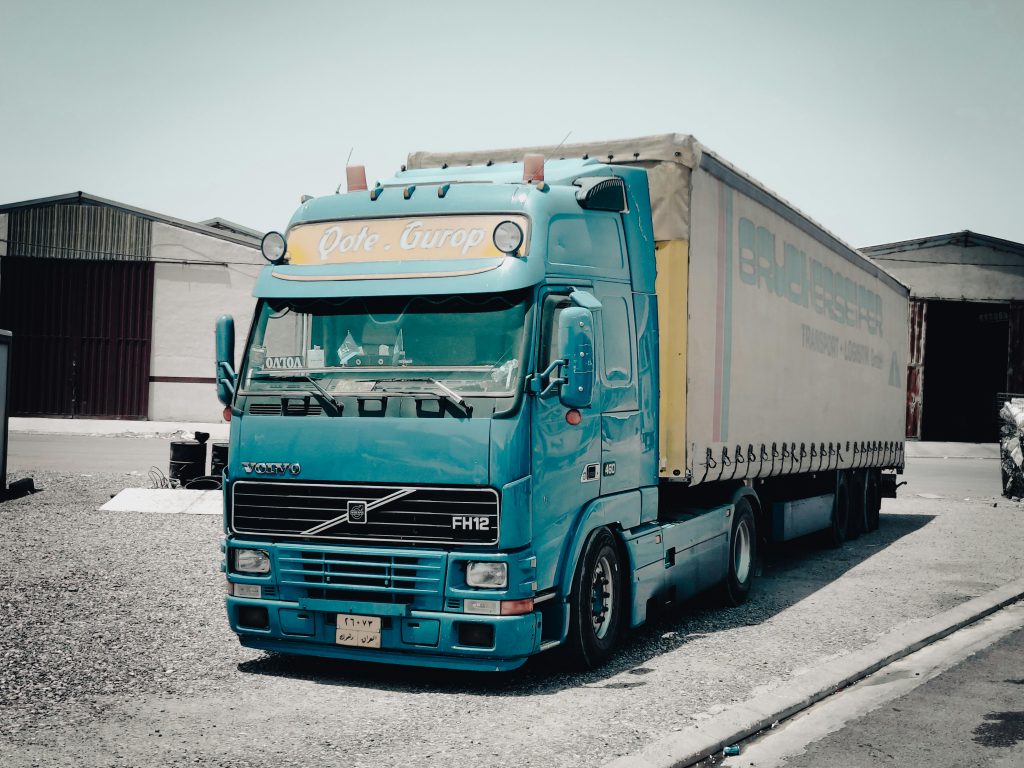
Global trade has always been complex. Multiple countries, regulations, carriers, timelines, and stakeholders are involved in moving goods from one point to another. For decades, businesses accepted this complexity as unavoidable. Today, fast-growing companies are challenging that assumption.
As companies scale faster than ever, they are rethinking how global trade should work. Instead of managing logistics as a fragmented, manual process, they are simplifying it. They are streamlining operations, reducing uncertainty, and gaining better control over cross-border movement. The result is not just efficiency, but resilience and clarity in an increasingly unpredictable world.
The Pressure to Scale Without Friction
Growth brings opportunity, but it also exposes weaknesses. When order volumes increase and markets expand, logistics processes that once worked begin to strain. Emails pile up. Tracking spreadsheets multiply. Delays become harder to explain. Costs become harder to forecast.
Fast-growing companies feel this pressure early. They cannot afford slow decision-making or unclear shipment status. Every delay affects inventory, customer trust, and cash flow. Simplifying global trade becomes a strategic necessity, not a nice-to-have improvement.
Rather than adding more people to manage the chaos, these companies look for ways to remove the chaos altogether.
Centralizing Trade Operations
One of the first steps many companies take is centralization. Global trade often suffers from being spread across too many systems and service providers. Different carriers, agents, and brokers may each operate in isolation. Information is scattered, and no one has a complete view.
Fast-growing businesses bring these elements together. They centralize booking, documentation, tracking, and communication. This does not eliminate complexity overnight, but it makes complexity manageable.
When teams work from a single source of truth, decisions become faster. Errors decrease. Accountability becomes clearer. Centralization lays the foundation for simplification.
Building Strong Partnerships in the Supply Chain
Simplifying global trade does not mean handling everything alone. In fact, it often means choosing partners more carefully.
Fast-growing companies focus on building long-term relationships rather than managing dozens of disconnected vendors. They look for partners who offer transparency, responsiveness, and alignment with their growth goals.
This is especially important when navigating international shipping. Working with a freight forwarder for small business can provide growing companies with access to expertise, carrier networks, and compliance support without the overhead of managing it internally. When integrated into a broader, streamlined workflow, this relationship helps reduce risk and operational burden rather than adding another layer of complexity.
The key is integration, not dependency.
Technology as a Practical Tool, Not a Buzzword
Technology plays a key role in simplifying global trade, but successful companies approach it pragmatically. They do not adopt tools for novelty. They adopt tools that remove friction.
Automation replaces repetitive tasks such as data entry and status updates. Digital documentation reduces paperwork errors and speeds up customs processes. Real-time tracking improves visibility across the supply chain.
Most importantly, modern platforms connect data across functions. Procurement, operations, and finance can see the same shipment information. This alignment reduces internal friction and enables smarter planning.
Technology does not replace expertise. It amplifies it.
Standardizing Processes Across Markets
Another strategy fast-growing companies use is process standardization. While regulations differ by country, many trade workflows are fundamentally similar. Booking freight, preparing documents, clearing customs, and delivering cargo follow predictable patterns.
By standardizing how these steps are handled internally, companies reduce variation and confusion. Teams know what to expect, even when shipping to a new market. Training becomes easier. Performance becomes measurable.
Standardization also helps companies scale without reinventing their logistics processes for every new region. It brings consistency to an environment that often feels inconsistent.
Visibility as a Competitive Advantage
In global trade, lack of visibility is costly. Without clear insight into where goods are and when they will arrive, companies make conservative decisions. They hold excess inventory. They miss sales opportunities. They struggle to respond to disruptions.
Fast-growing companies treat visibility as a core capability. They prioritize tools and processes that provide real-time shipment data, milestone tracking, and proactive alerts.
This visibility supports better forecasting and faster response times. It also builds trust with customers and partners. When businesses can communicate clearly and confidently about delivery timelines, they strengthen their credibility.
Simplifying Compliance and Documentation
Compliance is often one of the most intimidating aspects of global trade. Regulations change frequently. Documentation requirements vary by country and commodity. Errors can result in delays, fines, or seized shipments.
Rather than managing compliance reactively, fast-growing companies build it into their processes. They use standardized templates, automated checks, and expert review to reduce risk. They maintain up-to-date records and clear audit trails.
By treating compliance as an integrated part of trade operations, companies reduce surprises. They spend less time fixing problems and more time moving goods.
Cost Control Through Clarity
Simplification also leads to better cost control. When logistics processes are fragmented, costs are hidden. Fees appear after the fact. Variances are hard to explain.
As companies centralize data and standardize workflows, they gain clearer insight into their spending. They can compare routes, carriers, and service levels more effectively. They can identify inefficiencies and negotiate from a position of knowledge.
Cost control does not always mean paying less. Often, it means paying smarter.
Empowering Teams With Better Information
Simplified global trade benefits people as much as systems. When processes are clear and information is accessible, teams perform better. They spend less time chasing updates and more time solving meaningful problems.
Fast-growing companies invest in training and documentation that support these simplified workflows. They empower teams to make decisions based on real data rather than assumptions.
This empowerment improves morale and reduces burnout, which is especially important in high-growth environments where demands are constant.
Adapting to Change Without Disruption
Global trade is unpredictable. Weather events, geopolitical shifts, and regulatory changes can disrupt even the best plans. Simplification does not eliminate disruption, but it makes adaptation easier.
When companies have clear processes, centralized information, and trusted partners, they can respond faster. They can reroute shipments, adjust timelines, and communicate changes without panic.
Agility becomes a built-in capability rather than an emergency response.
A New Approach to Global Trade
Fast-growing companies are redefining how global trade operates. They are moving away from fragmented, reactive logistics and toward integrated, proactive systems. Simplification is not about reducing ambition. It is about removing unnecessary friction so growth can continue sustainably.
By centralizing operations, leveraging practical technology, standardizing processes, and building strong partnerships, these companies turn global trade into a manageable, strategic function.
The complexity of international commerce will never disappear. But with the right approach, it no longer has to slow growth down.