I remember the first time I sat in an electric car. It felt familiar, but I quickly realized I had no idea how it actually worked.
If you’ve ever had that exact moment of curiosity, you’re not alone. Many people want to understand what’s happening under the hood, and that’s exactly what I’ll help you with here.
In this guide, I’ll show you what makes an electric car different from the gas cars you already know.
You’ll see how the battery stores energy, how the motor turns that energy into motion, and what really happens when you plug in to charge.
I’ll also walk you through the key parts inside an EV and why they matter on the road.
By the end, you’ll have a clear, simple picture of how electric cars work without needing any technical background.
What Makes an Electric Car Different?
When I started learning about electric cars, the first thing that surprised me was how different they feel compared to gas cars. You might notice the same thing the first time you drive one.
The biggest change is the power source. Gas cars burn fuel, but EVs use electricity stored in a battery, and that switch changes how the whole car behaves.
In an EV, the power comes on fast and smoothly. There are no gears to shift and no engine noise in the background.
A gas car has more parts working at once, which means more sounds, more vibration, and more upkeep. That difference shows up over time. For daily driving, these changes matter.
Less maintenance, quieter trips, and lower running costs make an electric car easier to live with, especially if you drive often.
How Do Electric Cars Work?
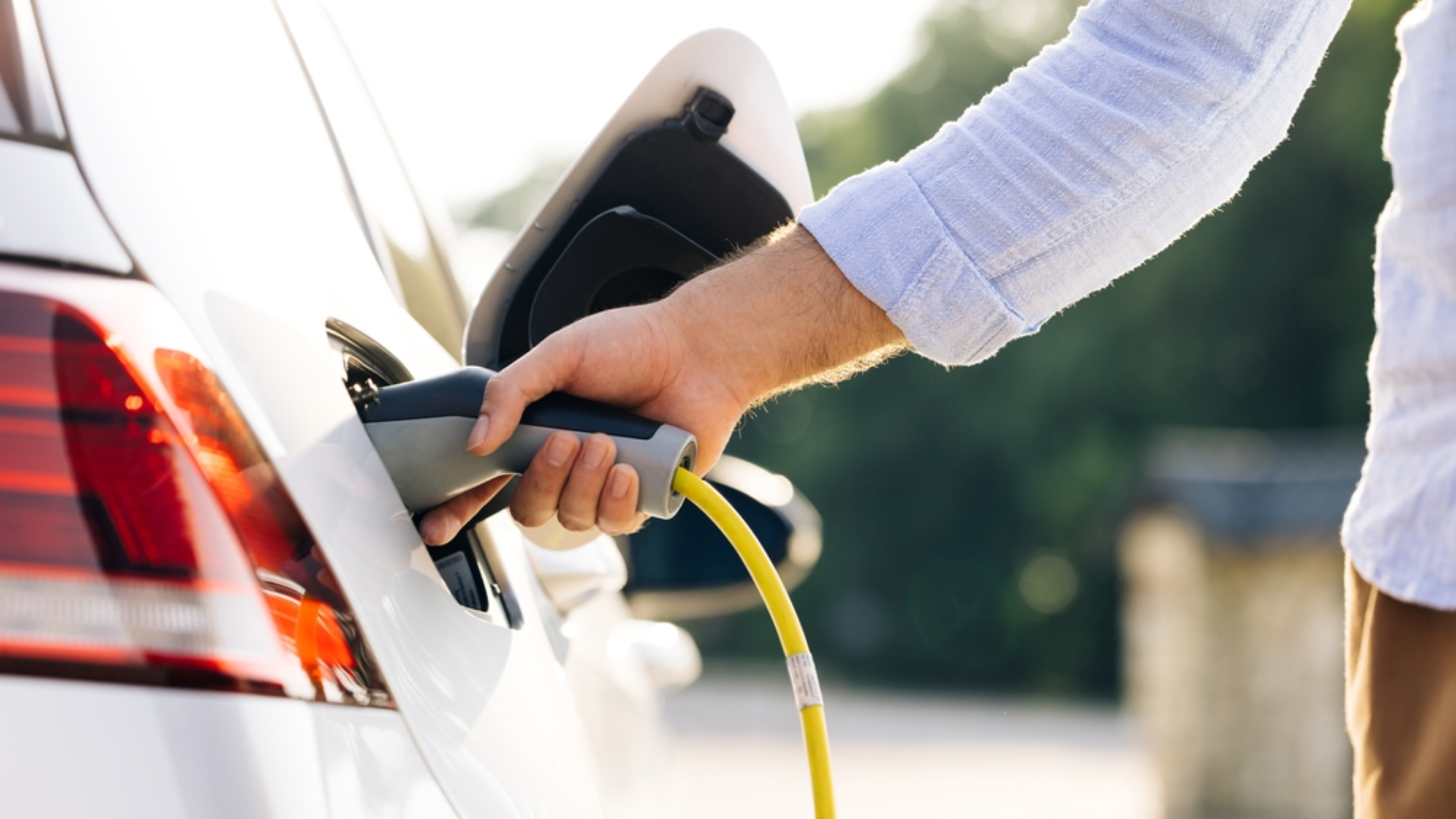
Electric cars run by turning stored electrical energy into movement. The process begins with the battery, which holds the power the car needs.
When the pedal is pressed, electricity travels from the battery to the inverter.
The inverter changes this energy into the right type of power for the motor. The motor then spins and moves the wheels.
Since electric cars don’t rely on a traditional transmission, there are no gear changes. Power goes straight to the wheels, creating a smooth and steady drive.
An energy management system controls how much power is used, keeps the battery protected, and helps the car run efficiently.
From battery to inverter to motor, each step works together to keep the car moving without noise or complexity.
Key Parts Inside an Electric Vehicle
Electric vehicles use a set of main parts that store power, move the car, and keep it running safely. Knowing these parts makes the whole system easier to understand.
1. Battery Pack
The battery pack is the main power source in an electric vehicle.
It stores the electricity needed for driving and sends that energy to other parts when the car needs it. Most EV batteries use lithium-ion cells because they hold a lot of energy in a small space.
The battery pack also has built-in systems to protect it from damage and keep it working safely.
Without this part, an electric car wouldn’t be able to power the motor or travel long distances.
2. Electric Motor
The electric motor is what actually moves the vehicle. It takes electrical energy and turns it into mechanical motion that spins the wheels.
Unlike engines in gas cars, an electric motor has fewer moving parts, which makes it smoother and quieter.
It delivers strong power right away when the pedal is pressed.
This quick response helps the car feel steady in traffic and safe during passing. The motor works closely with the inverter to get the right amount of power every time.
3. Inverter
The inverter acts like a translator between the battery and the motor.
The battery sends out direct current power, but the motor needs alternating current to run. The inverter changes the power into the form that the motor can use.
It also controls how much energy the motor receives, which helps the car respond smoothly when speeding up or slowing down.
Without the inverter, the motor wouldn’t get the correct power, and the car wouldn’t move. It’s essential for every drive.
4. Onboard Charger
The onboard charger handles the power that comes from a wall outlet or public station when the car is plugged in.
It takes the incoming electricity and converts it into a form that the battery can store safely. This part also manages how fast the battery charges, keeping the process smooth and controlled.
The onboard charger communicates with the power source to make sure the battery receives the right amount of energy.
It helps protect the battery and ensures charging works well at home or on the go.
5. Regenerative Braking System
The regenerative braking system helps the vehicle save energy while slowing down.
When the driver lifts off the pedal or brakes, the motor switches roles and works like a generator. It sends energy back to the battery instead of wasting it as heat.
This feature allows the car to travel farther on the same charge. It also reduces wear on the brakes because the motor does part of the work.
Regenerative braking makes the driving experience smoother and improves overall efficiency.
6. Thermal Management System
The thermal management system keeps the battery, motor, and other components at safe temperatures.
Electric vehicles work best when these parts stay within a certain range. This system uses cooling and heating methods to protect the battery from getting too hot or too cold.
Good temperature control helps the battery last longer and perform well in different weather conditions.
It also supports fast charging by keeping the battery stable. Without this system, the car would lose efficiency and face long-term reliability issues.
Pros and Cons of Driving an EV
Electric cars come with benefits and trade-offs that can affect your daily driving experience. This table gives you a quick look at what works well and what may be challenging.
| Pros | Cons |
|---|---|
| Lower running costs | Higher upfront price |
| Fewer moving parts to maintain | Charging access can be limited |
| Quiet and smooth driving | Longer charging times compared to refueling |
| No tailpipe emissions | The range can drop in cold weather |
| Home charging convenience | Battery replacement can be expensive |
Types of EV Chargers You Should Know
Electric vehicles charge at different speeds depending on the charger type. These options fit different needs, from daily home charging to long-distance travel.
1. Level 1 Charging
Level 1 charging is the slowest type, using a standard household outlet. It’s simple because it doesn’t need special equipment.
This charger adds only a few miles of range per hour, which works well for short daily trips.
Many people use it overnight, especially if they drive less each day. It’s commonly found in homes and garages since it plugs into a regular 120-volt outlet.
While slow, it’s dependable and works for drivers who don’t need fast charging.
2. Level 2 Charging
Level 2 charging is faster and uses a 240-volt outlet, similar to what large home appliances need. It adds significantly more range per hour, making it ideal for daily use.
These chargers are often installed in homes, workplaces, and public parking areas.
They offer a good balance between speed and cost and work well for most drivers.
Level 2 chargers are the top choice for home charging setups because they can fully recharge a battery overnight or within a few hours.
3. DC Fast Charging
DC fast charging is the quickest option available and is commonly used on highways and major travel routes.
It sends power directly to the battery, skipping the onboard charger, which makes the process much faster. This type of charger can add a large amount of range in a short time, sometimes within minutes.
It’s not usually installed at home because it requires industrial-level power.
DC fast charging is best for long trips or when you need a quick boost during busy days.
4. Where Each Type is Commonly Found
Level 1 chargers are most often found in homes since they work with basic outlets. Level 2 chargers appear in homes, workplaces, parking lots, and public stations.
DC fast chargers are located along highways, at rest stops, and in busy charging hubs.
Each type fits a specific need based on speed and access.
Knowing where chargers are located helps drivers plan daily routes and longer trips more conveniently, especially when managing different charging speeds.
5. Best Use Cases for Home and Travel
Level 1 charging is ideal for light daily driving and simple home setups.
Level 2 is best for regular home use because it balances speed and cost, making it easy to recharge overnight.
For travel, DC fast charging is the most practical option since it quickly adds range during long trips. Drivers can combine these charger types based on their routine.
Using the right charger in the right place helps save time and keeps the driving experience smooth and stress-free.
Benefits of Electric Cars
Electric cars offer several practical advantages that make everyday driving easier and more efficient. These benefits can help you save money, reduce stress, and enjoy a smoother ride.
- Reduced emissions: EVs produce no tailpipe pollution, helping cut down on air pollution and carbon output.
- Lower long-term maintenance needs: With fewer moving parts, electric cars need less servicing and fewer repairs over time.
- Strong performance and fast acceleration: Electric motors deliver instant power, giving quick, smooth acceleration in any situation.
- Energy savings and fuel independence: Charging at home often costs less than buying gas, and you can avoid frequent fuel stops altogether.
How Long Does It Take to Charge an Electric Car?
Charging time depends on the type of charger and the car’s battery size. Level 1 charging is the slowest, often taking 20–40 hours for a full charge because it uses a regular household outlet.
Level 2 charging speeds things up, usually taking 4–10 hours depending on the vehicle.
DC fast charging is the quickest option and can bring a battery from low to about 80% in 20–40 minutes.
Several factors affect these times, including battery size, current charge level, and charger power. For example, a small EV might fully charge overnight on Level 2, while a larger SUV may need closer to eight hours.
On a road trip, a DC fast charger can quickly add 100–200 miles of range during a short break.
Conclusion
Electric cars become much easier to understand once you know how the battery, motor, and charging systems work together.
They’re becoming more popular because they offer lower running costs, smoother driving, and fewer maintenance worries. For many people, the quiet ride and simple power delivery make daily trips easier.
If you’re thinking about switching, it helps to look at your driving habits, home charging options, and how often you travel long distances.
These details help you choose confidently and decide if an electric car is right for you.
If you already drive an EV, or you’re considering one, share your experience in the comments below.