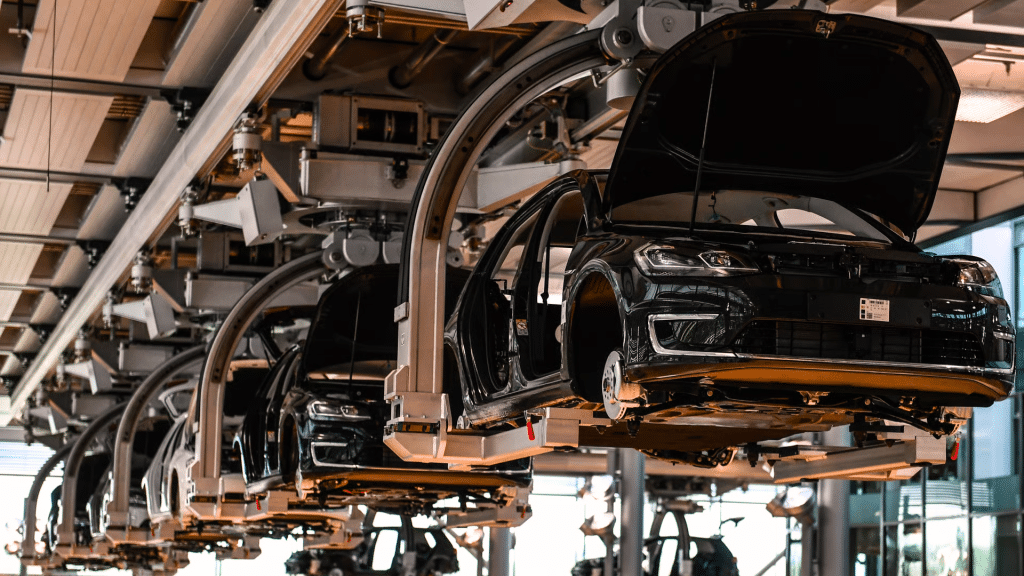
No, electric cars do not have engines like gasoline cars. They use electric motors powered by a battery pack.
A gas engine burns fuel in cylinders, using pistons, spark plugs, and an exhaust system. An electric motor does not burn anything. It turns stored electricity into movement, which makes EVs simpler inside and easier to maintain.
In this guide, I’ll explain what an EV has instead of an engine, how the system works, and the key differences you’ll actually notice as a driver.
Do Electric Cars Have Engines?
No, electric cars do not have engines; they use electric motors instead.
When I first test drove an EV, the biggest difference I noticed was how “instant” everything felt. There was no engine sound, no gear shifting, and no delay when pressing the accelerator. It felt smoother than most gas cars, even at low speeds in city driving.
| Feature | Electric Car | Gas Car |
|---|---|---|
| Main power unit | Electric motor | Internal combustion engine |
| Uses fuel? | No | Yes |
| Has pistons? | No | Yes |
| Needs oil changes? | No | Yes |
| Makes exhaust? | No | Yes |
| Power delivery | Instant | Slower build-up |
The motor creates motion by turning electrical energy into mechanical energy, so there are no pistons, fuel injectors, or exhaust systems as you find in gasoline cars.
This setup makes EVs simpler on the inside and easier to maintain.
Since there is no engine, electric cars do not need oil changes, spark plugs, or complex transmission systems.
They also run quietly because there is no combustion taking place. When you press the accelerator, the motor responds right away, giving smooth and quick movement.
Some EVs may have multiple motors, but they still do not use engines in the traditional sense.
Their entire system is built around clean energy, stored power, and an efficient electric drivetrain.
Why People Think EVs Have Engines
Many people call the motor an “engine” because both parts do the same job: they make the car move.
The difference is that a gas engine creates power by burning fuel, while an electric motor creates power using stored electricity.
EVs may still have components like cooling systems and gearboxes, which also makes the inside look “engine-like” to new drivers.
Key Mechanical Differences Between EVs and Traditional Cars
Electric and fuel-powered cars rely on very different systems to create motion. These differences affect performance, maintenance, and how each vehicle works on the inside.
1. Power Source and Energy Delivery
Electric cars use battery packs to store energy and deliver it directly to an electric motor.
Gas cars rely on fuel tanks and combustion engines that burn gasoline to create power. An EV sends electricity to the motor instantly, while a gas engine needs air, fuel, and ignition to work.
This makes electric cars smoother and more responsive.
Fuel-powered cars involve more steps, which adds complexity and increases the number of parts that can wear out over time.
2. Drivetrain and Moving Parts
Electric cars have very few moving parts because they do not need pistons, valves, or exhaust systems.
Their drivetrain is simple, often using a single-speed transmission. Gas engines have hundreds of moving components that work together to create power, which makes maintenance more frequent.
The extra parts also create more heat and vibration during driving.
EVs avoid this complexity, leading to smoother performance, fewer mechanical issues, and lower long-term service needs compared to traditional cars.
3. Cooling and Heat Management
Electric vehicles generate less heat since there is no combustion taking place.
They use liquid cooling systems to regulate battery and motor temperature, which requires less routine care.
Gas engines produce a large amount of heat and rely heavily on radiators, coolant, fans, and exhaust systems to stay at safe temperatures.
These components need regular checks and repairs.
Because EVs run cooler and use simpler cooling systems, they experience fewer heat-related failures and maintain performance more consistently over time.
4. Maintenance Needs
Electric cars require far less maintenance because they do not have oil systems, spark plugs, fuel pumps, or exhaust parts.
Most routine care focuses on tires, brakes, cabin filters, and occasional battery checks.
Traditional cars need regular oil changes, belt replacements, spark plug service, and more frequent repairs due to the many parts involved in combustion.
This added workload increases long-term costs and time spent at repair shops. EVs avoid most of these issues, making ownership simpler and easier for daily driving.
5. Number of Parts
Electric vehicles have far fewer moving parts than gasoline cars because they do not use pistons, valves, fuel injectors, or exhaust systems.
Gas engines contain many mechanical parts working together under heat and pressure. Because EV drivetrains are simpler, they usually need fewer repairs over time.
What You Notice as a Driver (Not a Mechanic)
Most articles explain motors and engines in technical terms, but here’s what you actually notice in real life.
-
EVs feel faster off the line because torque hits instantly, even in cheaper models.
-
EVs feel smoother because most do not shift gears like a normal car.
-
EVs feel quieter, especially at low speeds, since there is no combustion noise.
-
EVs feel easier in traffic, because they respond immediately when you lift and press the pedal.
This is why many first-time EV drivers say the experience feels “cleaner” and more modern than a gas car.
One thing I didn’t expect was how different EV driving feels in stop-and-go traffic. You don’t hear the engine revving, and the car feels calmer and smoother when creeping forward.
Even small things like pulling out of a parking lot or merging feel easier because the response is instant.
How Do Costs Compare Over Time?
Electric and gas cars differ not just in how they run but also in how much they cost to own long-term. This comparison helps show where each type saves money and where expenses add up.
| Cost Factor | Electric Cars | Gas Cars |
| Fuel/Energy Cost | Lower cost per mile; home charging is cheaper than gas | Higher long-term fuel expenses, especially for daily driving |
| Maintenance Needs | Fewer parts to service; no oil, belts, or spark plugs | Regular oil changes, filters, belts, and engine repairs |
| Repairs Over Time | Less wear on brakes and drivetrain components | More mechanical wear leads to a higher repair frequency |
| Upfront Price | Often higher due to battery cost | Usually lower purchase price |
| Long-Term Savings | Lower running costs offset the higher upfront cost | Higher fuel and service costs increase lifetime expenses |
What Are the Similarities Between Electric Motors and Engines?
Electric motors and gas engines work differently, but they share a few core functions. Both systems turn stored energy into movement that drives the vehicle forward.
1. Shared Purpose: Creating Motion
Electric motors and combustion engines are built to produce motion by converting stored energy into mechanical power.
In both systems, this power turns the wheels and moves the vehicle.
While the energy sources differ, the end goal stays the same: creating a force that drives the car.
This shared purpose shows that even with different designs, both motors and engines perform the essential job of powering movement in a vehicle.
2. Both Need an Energy Source
Electric motors use battery packs to draw electricity, while combustion engines burn gasoline or diesel to release energy.
Even though these sources behave differently, both systems must store energy before they can work.
Without a charged battery or a fuel tank, the vehicle cannot move.
This similarity highlights how each system depends on a ready supply of stored energy to operate, regardless of the type of vehicle.
3. Regulated Power for Speed Control
Both electric motors and gas engines rely on controlled power flow to manage speed.
In an EV, power electronics adjust how much electricity reaches the motor. In a gas car, the throttle and fuel injectors manage how much fuel and air enter the engine.
Although the methods are different, the purpose is the same: giving the driver smooth control over acceleration.
This shared need for regulation keeps both types of vehicles predictable and easy to drive.
What Powers an Electric Car?
An electric car runs on a system made up of three main parts that work together to create smooth and efficient motion.
The electric motor is the part that actually turns the wheels by changing electrical energy into movement.
A large battery pack supplies this energy, using lithium-ion cells that can weigh more than 1,000 pounds and sit low in the vehicle floor for better balance.
Power electronics act like a control center, directing how much electricity moves from the battery to the motor each time you press the pedal.
This setup decides how fast the car moves and how much energy it uses.
When these three parts work as a team, they replace the many moving parts found in gas engines, making the whole system simpler and easier to maintain.
Benefits of Driving an Electric Car
Electric cars offer several advantages that make them appealing to modern drivers. Here are the key benefits of choosing an electric vehicle.
- Lower Operating Costs: Cheaper electricity and minimal maintenance needs save money over time.
- Better Performance: Instant torque delivers quick acceleration from a standstill.
- Environmental Benefits: Zero tailpipe emissions create cleaner air and a lower carbon footprint.
- Quiet Operation: Creates a more peaceful driving experience without engine noise.
- Government Incentives: Many regions offer tax credits that reduce the purchase price.
- Expanding Infrastructure: Charging networks continue to grow, making EVs more practical for daily use.
I’ve reviewed and compared EV and gas vehicle systems for beginner-friendly automotive guides, and the engine vs motor confusion is one of the most common questions I see.
Once you understand the difference, EV technology becomes much easier to grasp.
Conclusion
Electric cars show how quickly vehicle design is changing.
Their systems work differently from cars that rely on fuel, and these differences shape how they perform, how often they need service, and how they fit into daily use.
As interest grows, many people still ask, ‘do electric cars have engines.’
Many drivers are paying closer attention to these changes as electric models become more common on the road.
Improvements in charging access and battery life also continue to influence how people view these vehicles and their long-term practicality.
Are you comparing electric cars with fuel-based models or thinking about trying one in the future?
Share your thoughts in the comments below.
Frequently Asked Questions
Do Tesla cars have engines?
No. Tesla vehicles use electric motors, not gasoline engines, so there is no combustion system or exhaust.
Do electric cars have transmissions?
Most EVs use a single-speed gearbox instead of a multi-gear transmission. This helps keep driving smooth and simple.
What is under the hood of an electric car?
Instead of an engine, EVs usually have power electronics, cooling components, and sometimes a small storage compartment called a frunk.