Moving goods from one place to another has gotten harder. Companies now handle shipments across many locations, work with different carriers, watch inventory levels constantly, and meet strict delivery deadlines.
Doing all this with spreadsheets and manual tracking leads to mistakes and delays, but logistic software solves these problems by putting everything in one place.
These tools help you plan routes, manage warehouses, track orders, and coordinate shipments through a single system and give you a clear view of what’s happening at every step.
Small businesses and large companies alike can benefit from the right software.
This blog looks at the top proven logistics solutions that handle complete supply chain tasks, making it easier to find one that fits your operations.
What is Logistic Software?
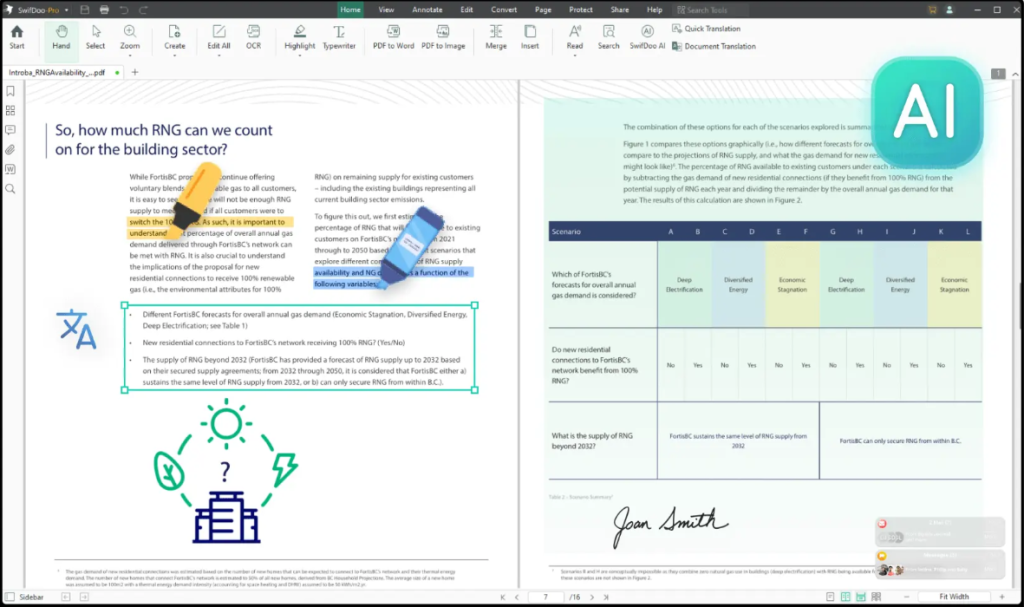
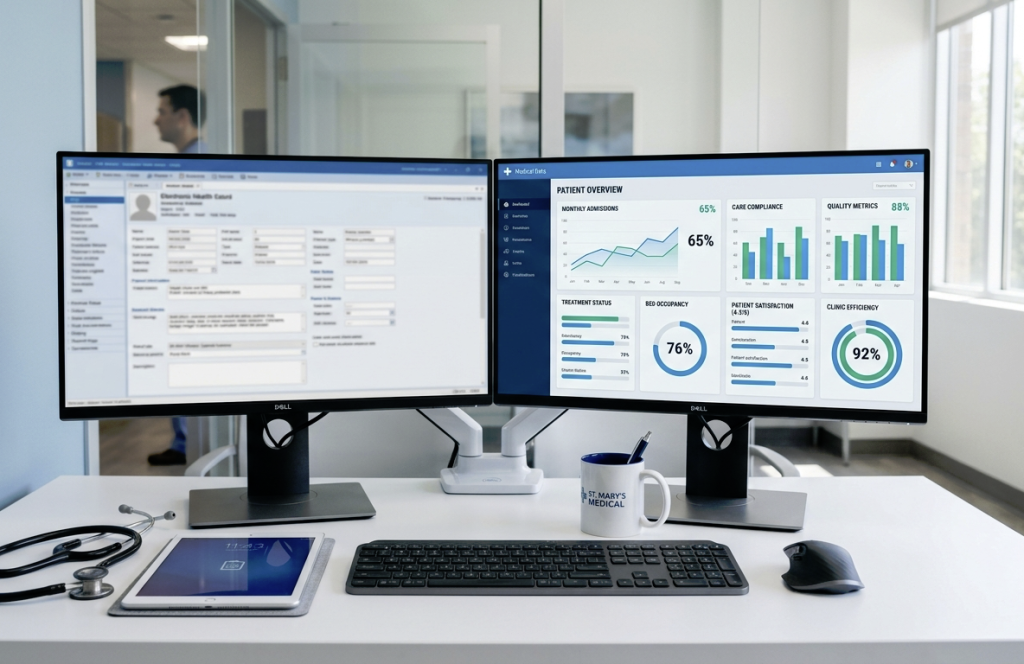
Logistic software is a centralized platform designed to manage transport, warehousing, and order flow from start to finish.
These systems connect different parts of the supply chain, allowing teams to track shipments, coordinate with carriers, manage inventory levels, and process orders through a single interface.
The main goal is to reduce errors, improve visibility, and streamline tasks that normally need manual work.
By automating routine processes and providing real-time updates, these platforms help logistics teams work more efficiently and respond faster to changes.
This technology replaces scattered tools and manual methods with one organized system that keeps everyone informed.
Best Software for Logistics Companies
These six platforms stand out for their ability to handle complex logistics operations. Each offers unique features that support different business sizes and supply chain needs.
1. NetSuite

NetSuite provides a cloud-based system that handles inventory management, order control, and warehouse operations through one platform.
The software gives supply chain managers complete oversight of operations, costs, and performance metrics across all locations.
Key features:
- Real-time inventory tracking
- Automated order processing
- Advanced reporting dashboards.
The software works particularly well for growing businesses that need room to scale, as well as large companies managing complex logistics networks.
The system integrates smoothly with existing business tools and adapts to different operational workflows.
It also supports multi-location coordination, making it easier to manage distributed warehouse operations.
2. SAP

SAP delivers an enterprise-level system built for companies with demanding transport and warehouse requirements.
The platform manages everything from procurement to final delivery, making it suitable for organizations running operations across multiple countries and regions.
Key features:
- Route planning,
- Freight billing
- Real-time shipment tracking.
SAP handles complex regulatory requirements and can process large volumes of transactions without slowdowns.
Companies that operate internationally benefit from SAP’s ability to coordinate logistics across different time zones, currencies, and compliance standards.
The system maintains complete visibility while supporting warehouse management and carrier coordination for global operations.
3. Oracle Transportation Management (OTM)
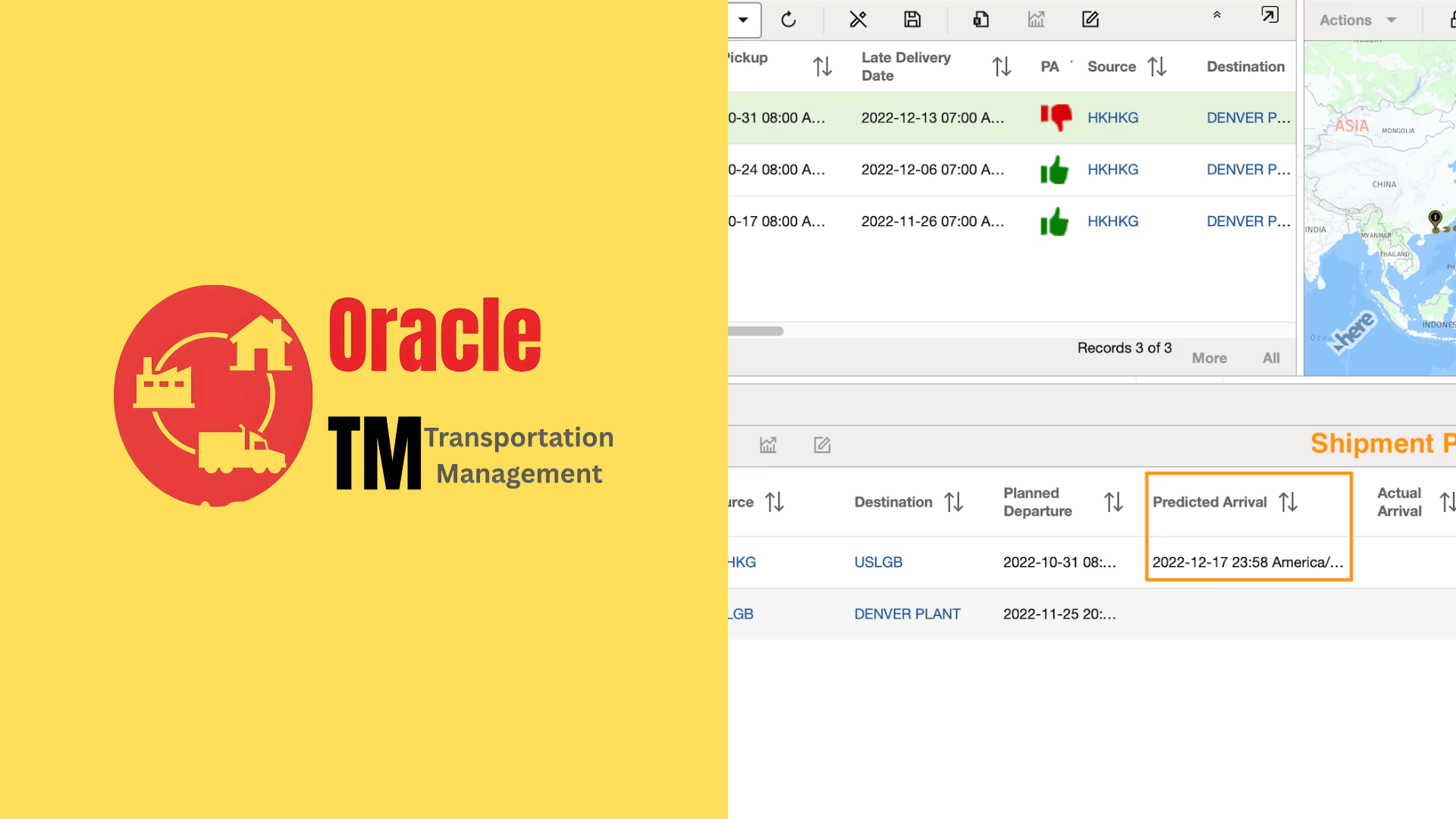
Oracle Transportation Management focuses on transport planning, carrier coordination, and cost control through a centralized system.
The platform helps companies reduce freight costs through better planning and smarter carrier selection across all shipping lanes.
Key features:
- Carrier rate comparison
- Route optimization
- Shipment tracking dashboard.
OTM works well for medium to large logistics teams that handle significant shipping volumes and need sophisticated tools to manage carrier relationships.
Oracle’s tool gives clear performance metrics to help managers review carriers and make data-driven transport decisions.
4. Infor Nexus

Infor Nexus operates as a cloud network that supports end-to-end supply chain coordination across multiple organizations.
The platform connects suppliers, manufacturers, distributors, and carriers, creating a shared information environment that improves communication and reduces delays.
Key features:
- Supplier collaboration tools
- Multi-party coordination
- Network-wide shipment visibility.
Infor Nexus proves particularly effective for complex, multi-party logistics networks where multiple organizations need to share information and coordinate activities seamlessly.
The system helps prevent delays by keeping all parties informed and aligned throughout the fulfillment process.
Companies using Infor Nexus report better on-time delivery and fewer miscommunications through shared real-time data.
5. Blue Yonder
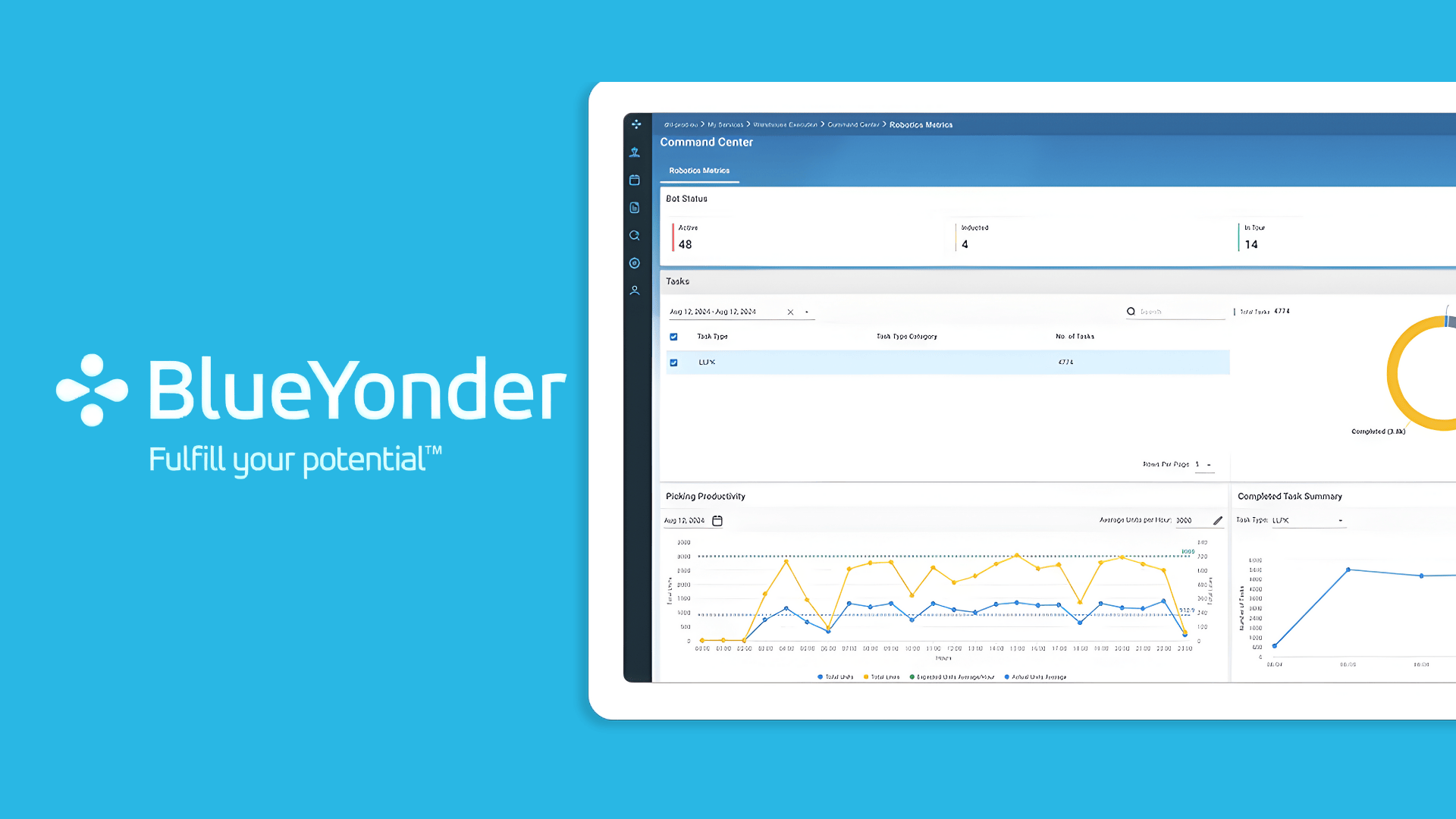
Blue Yonder uses automation tools to support planning and fulfillment across logistics operations.
The platform helps companies handle demand fluctuations and scale operations without proportional increases in costs or complexity through intelligent resource allocation.
Key features:
- Warehouse flow management
- Route optimization
- Capacity control automation.
Blue Yonder’s systems are ideal for businesses focused on building scalable logistics processes that can adapt to growth and seasonal changes.
Advanced planning features help teams anticipate needs, allocate resources efficiently, and maintain smooth operations even during peak periods.
The software also uses machine learning to improve forecasting and reduce inventory issues.
6. CargoWise
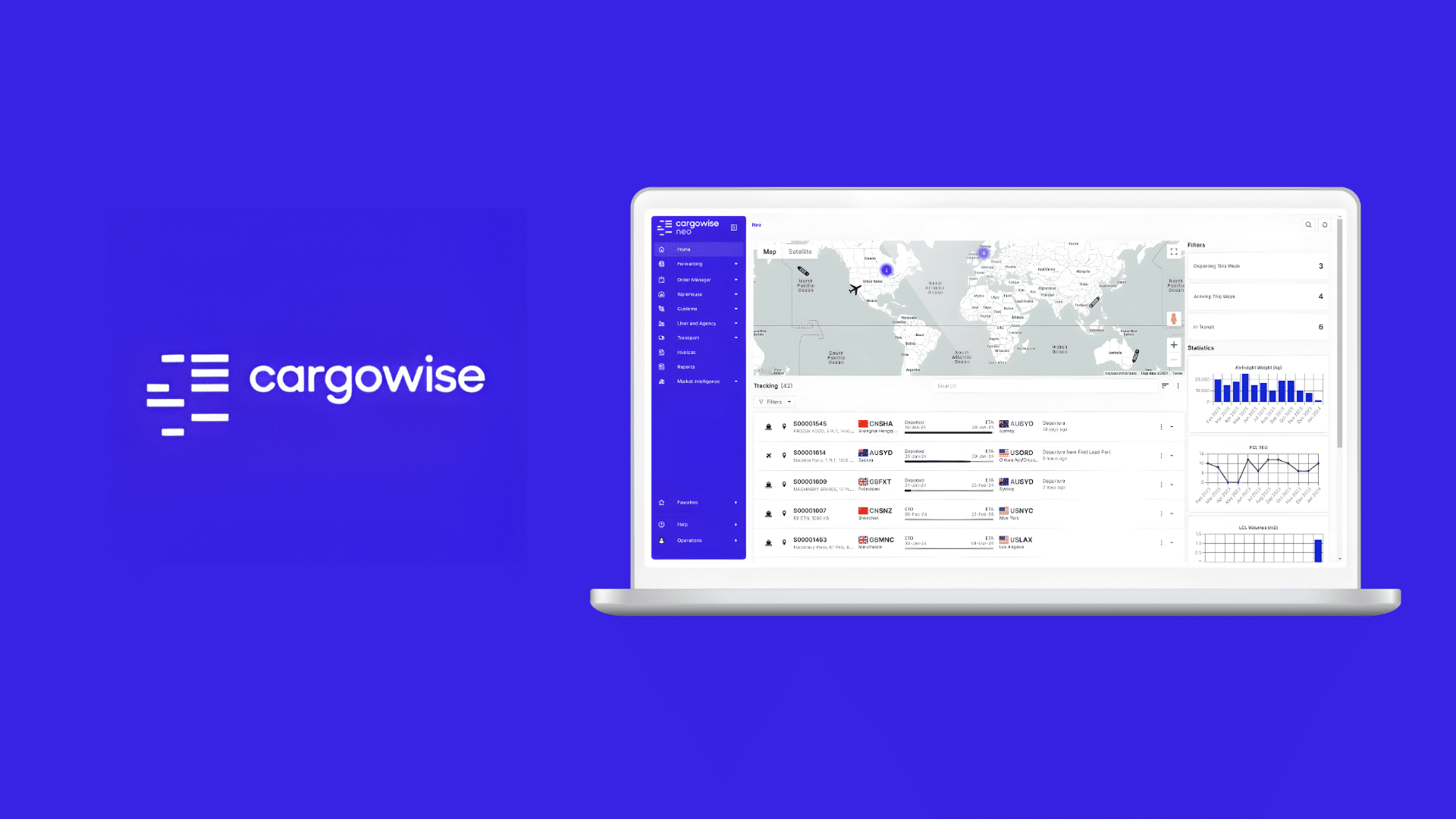
CargoWise offers a unified platform that handles freight forwarding, customs clearance, warehousing, and transport management in one system.
The software supports global logistics operations with strong compliance tools that help companies meet regulatory requirements across different countries and regions.
Key features:
- Customs documentation automation
- Freight forwarding management
- International compliance tracking.
CargoWise is particularly suitable for businesses handling international shipments that need to manage complex documentation, customs procedures, and cross-border coordination daily.
The platform brings together multiple logistics functions that would typically require separate systems, reducing complexity and improving operational control.
Companies using CargoWise benefit from faster customs clearance and fewer documentation errors.
7. Fishbowl Inventory
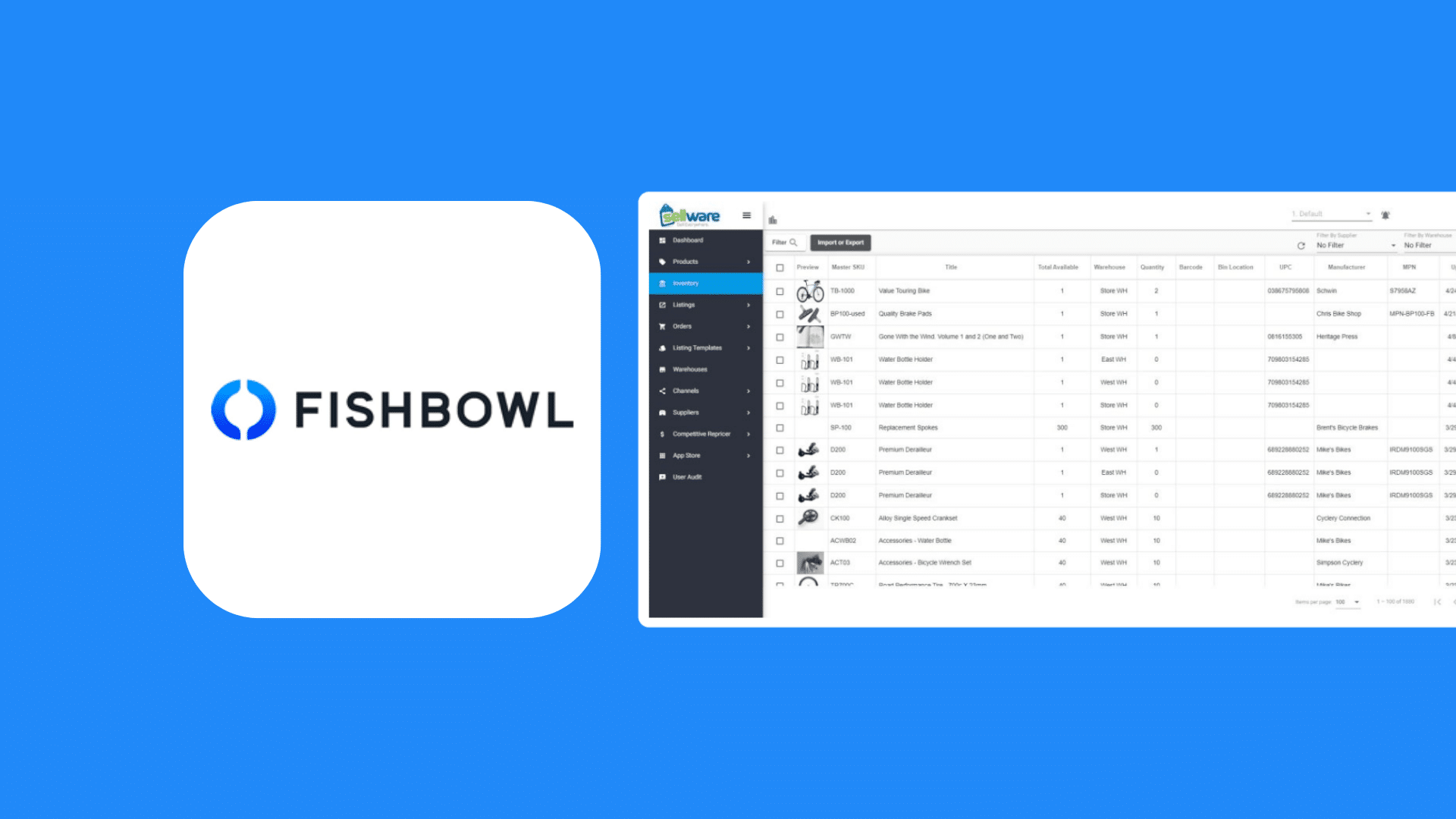
Fishbowl Inventory provides manufacturing and warehouse management solutions designed for small to mid-sized businesses.
The platform integrates seamlessly with accounting software and offers affordable logistics management without the enterprise-level price tag.
Key features:
- Inventory tracking across locations
- Order management
- Manufacturing workflow automation
Fishbowl works particularly well for growing companies that need professional logistics tools but aren’t ready for enterprise systems.
The software handles inventory control, purchase orders, and shipping coordination through an intuitive interface.
Companies value Fishbowl’s simple setup and strong QuickBooks integration, which helps keep financial records accurate alongside logistics tasks.
Benefits of Using Logistic Software
Using the right logistics platform brings clear operational improvements that help teams work faster and better. Here are the main advantages you should know:
- Clear tracking: Monitor shipments and orders in real-time from any location
- Improved planning: Coordinate routes, schedules, and resources more effectively
- Reduced manual work: Automate repetitive tasks and data entry processes
- Better response times: React quickly to delays and delivery challenges
- Cost savings: Lower operational expenses through optimized routes and better resource use
What Features Should You Look for in Logistic Software?
These features help you choose software that supports smooth operations. They make daily tasks easier, faster, and more organized.
1. Real-Time Tracking and Visibility
Real-time tracking allows you to see where shipments and drivers are at any moment. This helps you plan routes, update customers, and respond quickly to delays.
Good logistics software should offer clear maps, accurate location data, and simple dashboards.
These tools make it easier for teams to stay informed without extra steps. Real-time visibility also helps reduce errors and improve communication.
When you know where everything is, you can keep operations running smoothly and avoid last-minute surprises.
2. Inventory and Order Management
Strong inventory and order management features let you track stock levels, incoming shipments, and outgoing orders in one place.
This reduces the chances of running out of items or double-booking products. The software should offer alerts, simple search tools, and clear reports.
These features help teams stay organized and make better decisions.
When inventory and orders are easy to follow, operations run more efficiently. It also saves time by cutting down on manual checks and repeated tasks.
3. Route Optimization and Scheduling
Route optimization helps you find the best path for deliveries, saving time and fuel. Good software can analyze traffic, distance, and delivery windows to build the most efficient schedule.
This helps drivers avoid delays and complete more stops in less time. It also keeps customers updated with accurate arrival times.
With smarter routing, businesses can reduce costs and improve productivity.
These tools make planning simple, even on busy days. Clear schedules and efficient routes are essential for smooth logistics.
4. Reporting and Analytics Tools
Reporting and analytics tools help you understand how well your operations are performing.
They show trends in delivery times, fuel use, order accuracy, and more. This information helps you spot problems early and make smart improvements.
Good software should offer clear charts, easy exports, and customizable reports. These features give managers a full view of what’s working and what needs attention.
With reliable data, businesses can make better decisions and plan for growth. Analytics tools turn daily activity into useful insights.
How to Choose the Right Logistics Software?
Selecting the right platform requires evaluating your specific needs. Use this checklist to help your selection process and find software that truly fits your business:
- Company size and volume: Determine your daily logistics volume to understand what scale of solution you need
- System integration: Ensure new software works smoothly with your existing tools and databases
- Automation levels: Review whether you need basic or advanced automation features for your operations
- Reporting and tracking: Assess if the reporting and tracking features provide the real-time visibility your team requires
- Ease of use: Test through demos and free trials to verify the software matches your team’s daily workflow
Conclusion
The right logistics software changes operations from reactive problem-solving to proactive management.
Each of these platforms discussed offers distinct strengths that support different operational needs and company sizes.
Modern logistics demands tools that provide visibility, reduce manual work, and help teams respond quickly.
Take time to compare platform features against your current needs and future growth plans and consider how each system handles the specific logistics tasks your company performs.
The investment in the such logistic solutions pays off through smoother operations, lower costs, and better customer service
Which logistics challenges does your company face most often? Share your experiences in the comments below.