In today’s dynamic and technology-driven business environment, organizations face increasing pressure to adapt to change and anticipate future trends. Success hinges on having the right people with the right skills in place, which makes strategic human resource planning a vital practice for building resilient, future-ready workplaces. To remain competitive, companies must harness both innovation and operational excellence in workforce management. For organizations seeking practical guidance, exploring HR management best practices for businesses provides invaluable insights.
Strategic human resource planning goes beyond merely filling positions; it requires a forward-thinking approach to achieve sustainable growth and organizational agility. By closely examining workforce needs and collaborating across departments, businesses can effectively address evolving requirements and seize new opportunities as they arise.
Understanding Strategic Human Resource Planning
Strategic human resource planning (SHRP) is the process of aligning a company’s long-term business objectives with its workforce capabilities. It addresses core questions around talent acquisition, skill development, and leadership succession, ensuring organizations have the expertise and capacity required to weather disruptions or capitalize on market openings. Proactive SHRP lays the groundwork for realizing a company’s mission and vision.
This approach underpins workforce planning by anticipating not only current needs but also future skills that may be essential amid changing industry landscapes and emerging technologies. According to the Society for Human Resource Management (SHRM), companies that integrate SHRM into their leadership playbook are more adaptable and better positioned for sustainable success.
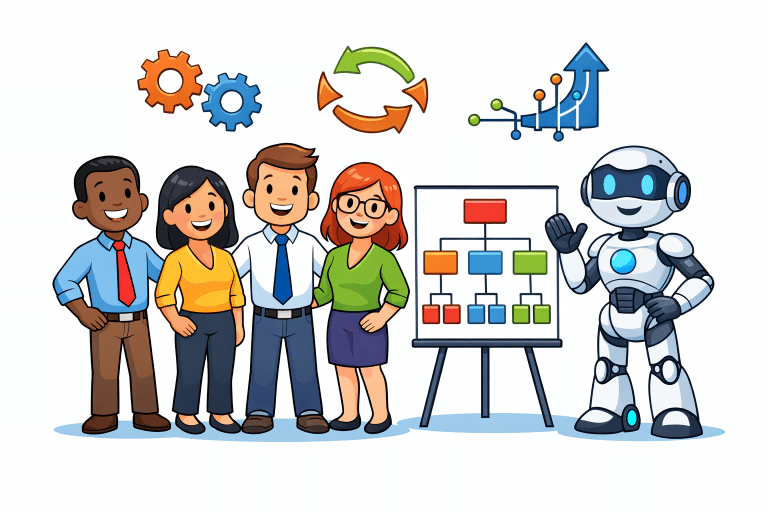
Key Components of Effective SHRP
Building a resilient workforce requires organizations to implement several essential components:
- Workforce Analysis: A thorough assessment of the existing workforce highlights strengths and uncovers skill gaps. This process enables targeted hiring and development strategies tailored to organizational goals.
- Talent Acquisition and Development: Employing forward-looking talent acquisition combined with robust development programs fosters a pipeline of capable employees who can grow with the company.
- Succession Planning: Identifying and nurturing future leaders guards against talent shortages and promotes continuity, even during periods of change or uncertainty.
- Performance Management: Implementing effective systems for monitoring and enhancing employee performance ensures continuous improvement and accountability throughout the workforce.
Creating an environment in which employees clearly understand their own roles and the long-term vision of their organization is equally important. This transparency empowers individuals to take ownership of their development and align personal ambitions with corporate goals. Organizations must also continuously review and refine their values and priorities, expanding beyond traditional HR practices to encompass new disciplines such as workforce analytics, strategic partnering, and employee experience design.
Integrating AI and Automation
The landscape of workforce planning is rapidly shifting as advances in artificial intelligence (AI) and automation take center stage. These technologies streamline repetitive tasks, provide insights into workforce trends, and support data-driven decision-making for HR leaders. This evolution challenges organizations to rethink the nature of work and invest in both human and digital skills to fuel long-term growth.
By integrating AI into recruitment, onboarding, and employee engagement processes, HR teams can focus more strategically on human-centric activities, such as fostering innovation and building a culture of inclusion. Research from Harvard Business Review highlights how leading organizations are using automation not only to increase efficiency but also to drive smarter workforce planning and talent management.
With these tools, organizations can quickly identify future skill gaps and proactively design reskilling and upskilling programs to meet emerging demands. AI-driven insights can also improve predictive workforce analytics, enabling HR leaders to make more informed workforce planning decisions, reduce bias in hiring, and ultimately create more inclusive workplaces. As advancements accelerate, organizations must remain vigilant about the ethical use of AI in hiring and management, ensuring transparency and fairness across all processes.
Aligning HR and Finance
Strong collaboration between HR and finance departments is essential to bridge the gap between talent strategies and financial objectives. Modern cloud-based solutions provide both teams with up-to-date, accurate data to inform strategic workforce planning, budget allocation, and long-term forecasting.
Regular communication and shared goals pave the way for effective resource allocation. This ensures that workforce decisions are both cost-effective and aligned with broader business priorities, minimizing risks while boosting organizational agility.
By integrating financial planning with human resource objectives, organizations gain better visibility into the true cost and value of talent investments. This collaborative approach helps clarify trade-offs and establish priorities that support profitable growth. Joint scenario planning sessions can uncover hidden risks, prevent budget overruns, and generate creative solutions to future talent needs, reinforcing the organization’s ability to respond to uncertainty with confidence.
Continuous Workforce Planning
The traditional model of annual workforce planning is increasingly outmoded in a world defined by rapid change. Continuous strategic planning allows organizations to anticipate and adapt to trends as they emerge, rather than respond reactively, thus avoiding careless overhiring or costly layoffs. Maintaining a dynamic approach supports steady growth and reduces disruption when resource needs shift unexpectedly.
Research from leading human capital consultancies, such as Deloitte Insights, suggests that companies that practice continuous planning experience greater workforce resilience and achieve their operational goals more consistently.
Moving to a model of ongoing workforce management requires robust feedback channels and ongoing dialogue between employees and leadership. Leading organizations integrate continuous feedback tools, such as pulse surveys and real-time performance metrics, to capture employee sentiment and emerging needs. These mechanisms enable rapid adjustments to strategies, policies, and team structures, creating a more resilient, responsive, and engaged workforce that can weather unforeseen changes more easily.
Developing a Future-Ready HR Strategy
Preparing for tomorrow’s workforce challenges requires organizations to cultivate agility, embrace technology, and center on evolving employee needs. A future-ready HR strategy prioritizes:
- Agility: The ability to pivot quickly allows businesses to stay ahead of market shifts and industry disruptions.
- AI Integration: Leveraging AI and automation empowers HR teams to analyze data, uncover trends, and personalize engagement strategies across the employee lifecycle.
- Employee Well-being: Focusing on physical, mental, and emotional well-being increases retention and enhances productivity.
- Inclusion: Developing diverse talent pools and promoting equity fosters innovation and helps build strong, adaptable teams.
Adopting these practices enables organizations to create supportive, innovative, and high-performing workplace cultures ready for whatever the future holds.
Furthermore, it is essential to view HR not just as a support function, but as a strategic partner that actively contributes to the organization’s competitive advantage. This means equipping HR professionals with skills in business strategy, data literacy, and change management, enabling them to lead transformation efforts and position the workforce as a driver of innovation. Incorporating continuous learning opportunities, mentorship programs, and flexible career paths will also be important to attract, engage, and retain top talent who are eager to grow alongside the company as market demands evolve.
Conclusion
Strategic human resource planning is an essential pillar for organizations that aspire to build future-ready workplaces. By aligning workforce capabilities with long-term goals, integrating technology, and fostering a culture of continuous improvement, businesses can confidently navigate complexity and secure long-term success.
Ultimately, the ability to foresee trends, act proactively, and collaboratively build talent strategies that support both immediate needs and long-range ambitions will define tomorrow’s leading organizations. Investing in SHRP today not only future-proofs business operations but also makes the most of an organization’s most valuable asset: its people.