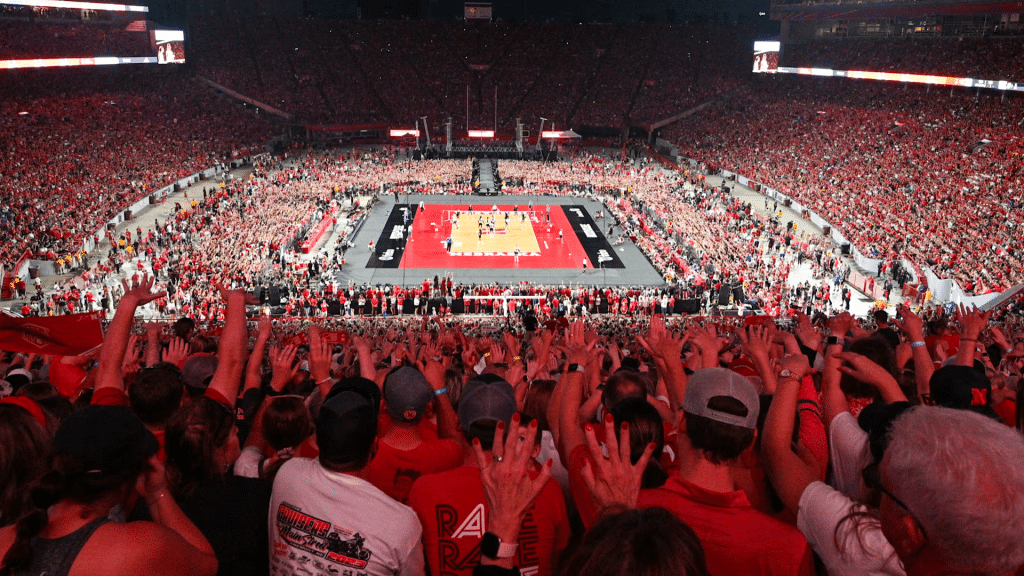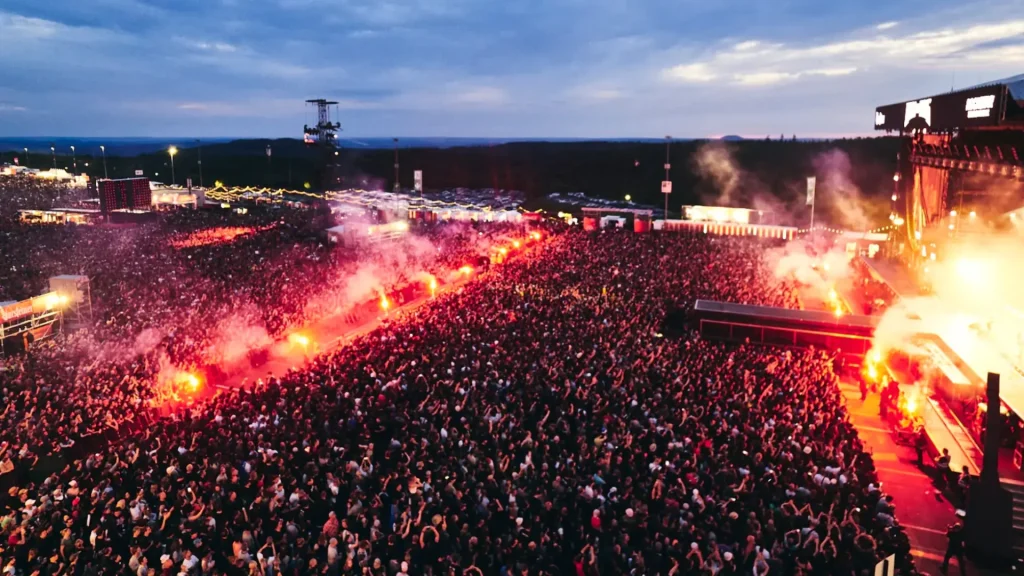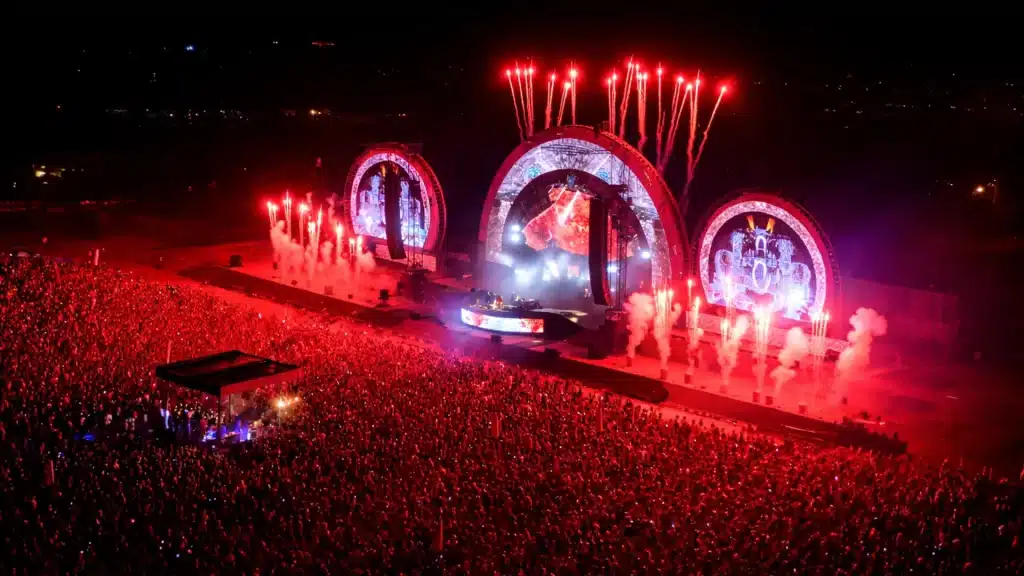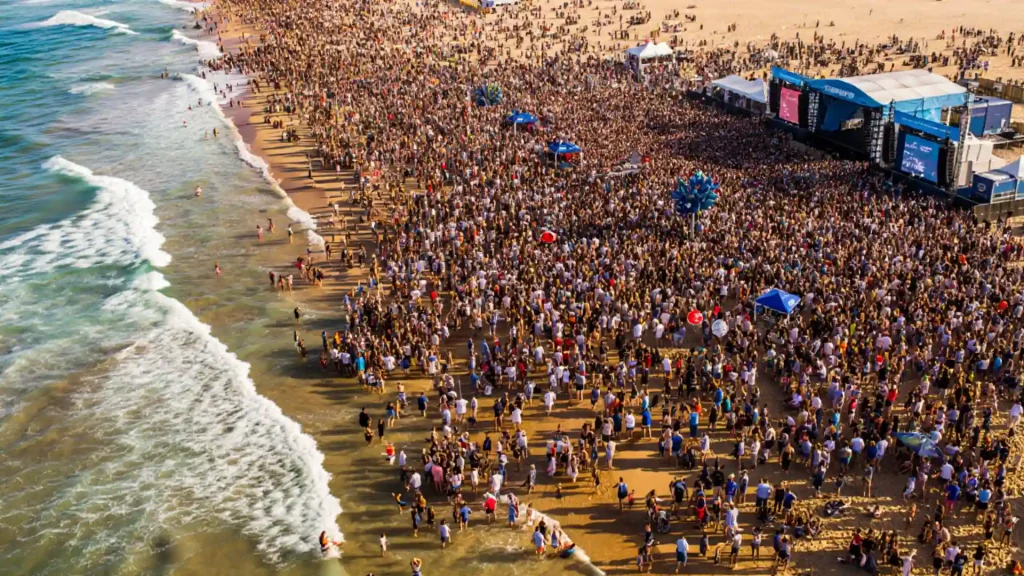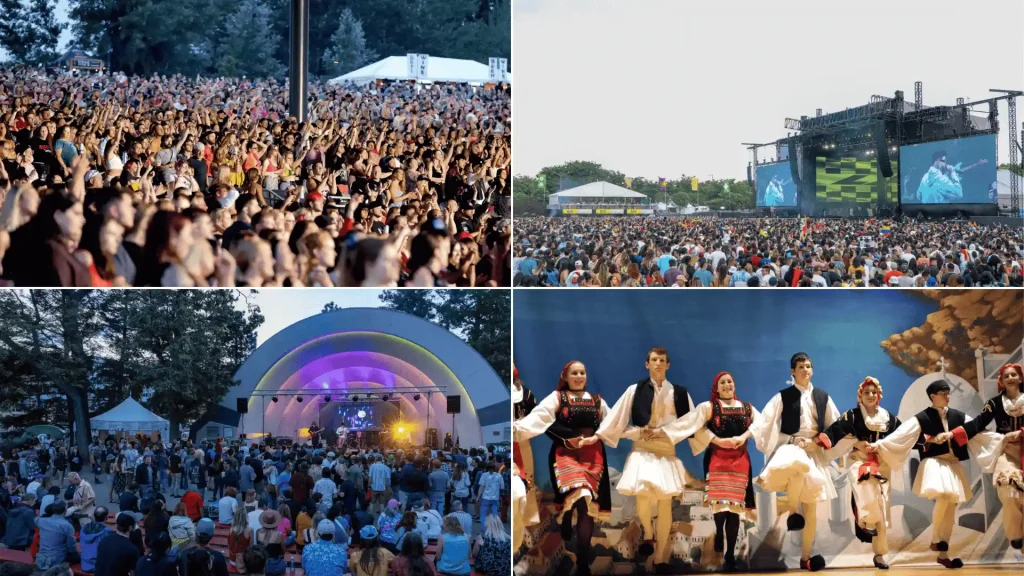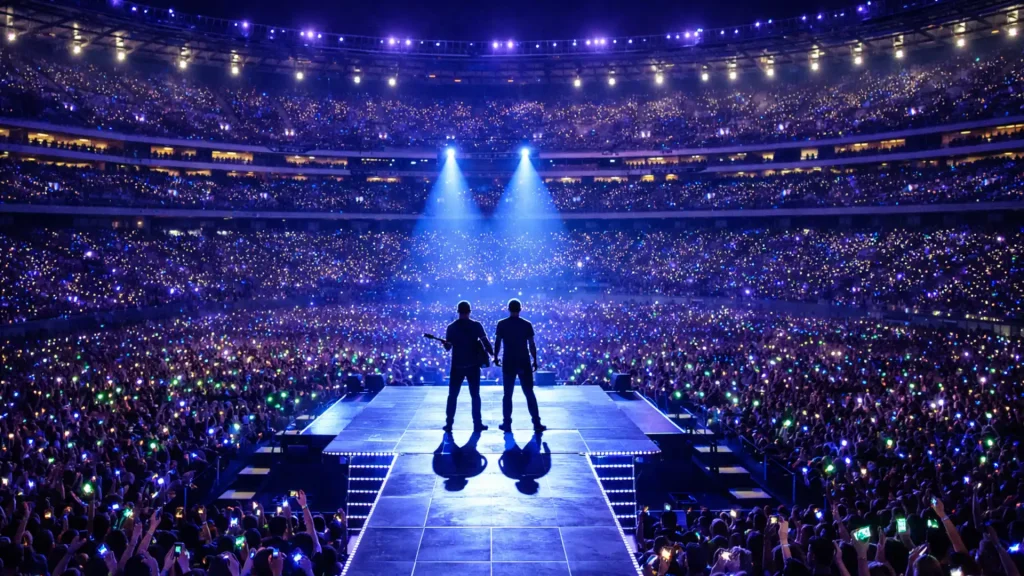
Stadiums are selling out faster than ever, and tour numbers are climbing into the millions. What used to feel like a big concert now feels like a huge global moment.
The most attended concert tours in history prove that live music has shifted into something much larger than a night of entertainment.
Fans travel across countries, plan months ahead, and spend serious money just to be part of it. Online buzz, limited tour dates, and growing global demand have completely changed the scale of big concerts.
In this blog, I explain why concerts are getting bigger, citing the most-attended concert tours in history.
Why Are Concert Tours Getting Bigger Than Ever?
The most attended concert tours in history show how live music has evolved into something much larger than a simple night out.
Social media plays a big role. One viral clip can turn a tour into a must-visit event overnight, and no one wants to feel the FOMO when their feed is full of stadium moments.
Adding to this, many artists tour less often, which makes each announcement feel rare.
Global ticketing systems are smoother, new stadiums are opening in this rapidly growing market, and international demand is also at the boom.
With companies reporting tens of millions of tickets already sold for upcoming years, live concerts with the highest-ever crowd turnout are expanding worldwide
Top Most Attended Concert Tours in History
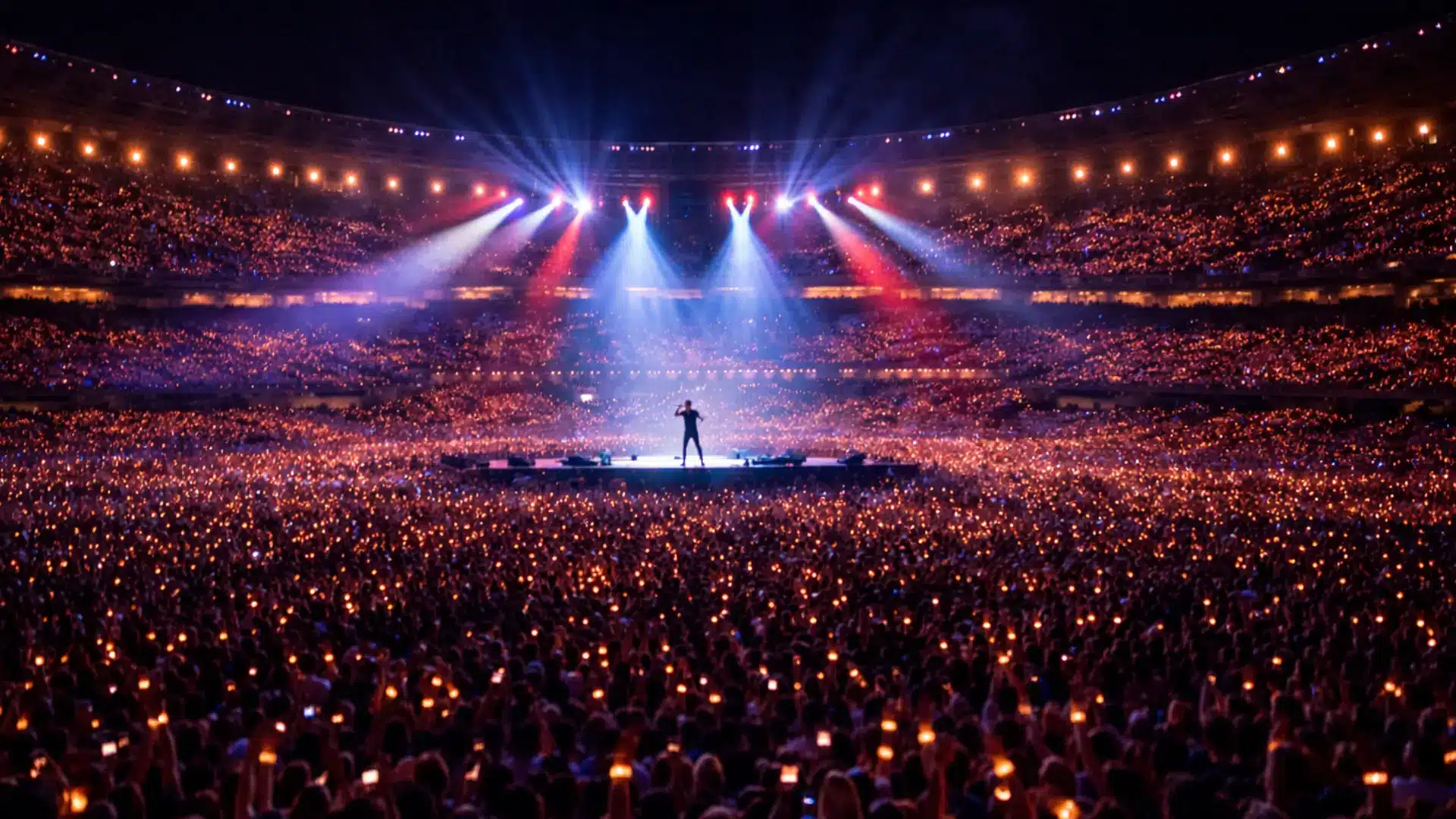
Some global tours managed to break attendance records and set new standards for ticket sales, stadium crowds, and worldwide fan demand.
1. Coldplay’s Music of the Spheres World Tour
Coldplay’s Music of the Spheres World Tour began in March 2022 in Costa Rica and continued through 2025, covering multiple continents in 223 shows.
By the end of 2025, the tour had sold over 13.2 million tickets, earning Guinness World Records recognition as the most-attended concert tour in history.
The tour also generated more than $1.14 billion in total revenue, placing it among the Most attended concert tours in history.
Stadiums across Europe, North America, Asia, and Latin America consistently reached capacity, with several cities reporting record-breaking attendance.
2. Taylor Swift’s Eras Tour
Taylor Swift’s The Eras Tour had a total of 149 shows, running from March 17, 2023, to December 8, 2024, taking around 10.16 million Swifties on a time-travel adventure.
The format of the tour celebrated multiple phases of her career, which drove high demand in every market and led to very large stadium crowds throughout the run.
Stadiums were full of friendship bracelets flying through the air, parents and teens screaming lyrics side-by-side, and viral dance challenges breaking out in real time.
Its massive ticket sales made over $2.07 billion in total revenue made it one of the most attended tours in history, turning each show into a powerful cultural moment beyond music.
3. Ed Sheeran’s ÷ Tour
Ed Sheeran’s ÷ Tour (Divide Tour) ran from March 16, 2017, to August 26, 2019, spanning across 6 continents with 255 shows.
During its run, the tour even added extra dates as demand grew, reaching a gross of 8.9 million tickets sold, setting records in several markets for ticket sales and cumulative attendance.
By 2019, the tour had generated approximately $776 million in revenue, making it one of the highest-grossing concert tours at the time.
It also became one of the most attended concert tours in history, proving that strong songwriting and direct audience connection could fill stadiums worldwide.
What Made Coldplay’s Tour Smash Every Record?
Something beyond star power pushed this tour past the rest, with smart planning, global reach, and timing all aligning to create record-breaking stadium attendance.
- Longer Global Run: The tour ran from 2022 to 2025, with over 220 shows, steadily increasing total worldwide attendance.
- Strong Presence in Emerging Countries: They performed across Asia and Latin America, reaching stadium audiences that many global tours often skip.
- Stadium Focus From the Start: Most shows took place in large stadiums, adding tens of thousands of fans at each stop.
- Sustainability Initiative: Renewable energy efforts strengthened loyalty, especially among younger audiences.
- Repeat Nights in Major Cities: Multiple shows in high-demand cities boosted ticket sales without expanding the route.
- Broad Multi-Generation Appeal: A two-decade catalog attracted both longtime fans and newer listeners.
Single Show vs Full Tour: Where the Real Madness Happens
When you look at the most attended concert tours in history, the scale builds slowly over time.
Artists tour for months and even years, with every stop adding thousands of fans to the overall total. It turns into a long journey where global demand stacks up show after show.
But if we are talking about the largest crowd event in history, it points to one-time gatherings rather than tours spanning across multiple years.
Tour attendance is about cumulative numbers, while single events focus on maximum turnout in a single setting.
That difference explains why full tours rank higher in total attendance charts, even though individual shows feel bigger in the moment.
Conclusion
The rise of stadium touring is not random. It reflects changing fan behavior, greater global access, and artists building long-term demand rather than short bursts of hype.
The most-attended concert tours in history show how global reach and smart planning can drive record numbers over time.
While single shows may feel louder in the moment, full tours build impact city by city until the totals become historic.
As new markets grow and international attendance continues to rise, live music is likely to scale even further in the coming years.
Have you attended any of the most attended concert tours in history? Share your experience in the comments and tell us if the show lived up to its hype.