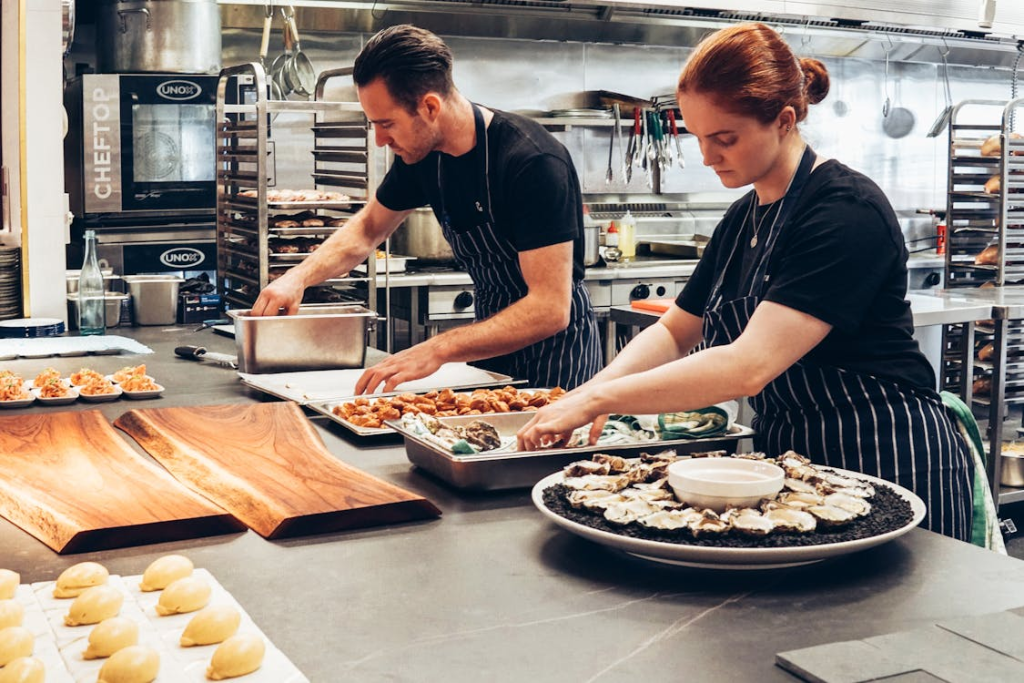
For event caterers, efficiency determines whether food goes out hot, staff members stay calm, and clients book you again. The good news? Smart tech upgrades give catering teams more control over timing, food safety, staffing, and costs.
Below are seven upgrades that are helping modern event caterers run sharper, safer, and more profitable events.
AI-Powered Event Planning Software
Spreadsheets still have their place, but AI-powered platforms now handle forecasting with far more precision. These systems analyze past guest counts, seasonal trends, and menu performance to predict what you will actually need.
AI tools are improving vendor coordination and schedule accuracy. For caterers, that means tighter prep timelines and fewer last-minute supply runs. Better predictions protect profit margins and reduce food waste at the same time.
Advanced planning tools also centralize communication. Chefs, planners, rental companies, and servers can all work from the same live dashboard. Fewer miscommunications translate into smoother service on event day.

Cloud-Based Inventory Management Systems
Ingredient shortages and over-ordering both eat into profits. Cloud-based inventory systems sync purchasing, storage, and prep lists in real time so managers always know current stock levels.
Connected inventory tools reduce spoilage and improve cost tracking. Real-time updates help teams adjust menus quickly if an item runs low. Better visibility also prevents expensive emergency purchases at retail prices.
Before adopting new inventory tech, most catering teams prioritize features that directly impact daily operations, such as:
- Real-time stock visibility across multiple venues
- Automated low-inventory alerts
- Integration with accounting and purchasing systems
Each capability removes guesswork and allows kitchen managers to focus on execution instead of chasing numbers.
Reach-In Refrigerators With Precision Temperature Controls
Food safety remains one of the biggest risks in event catering. Reach-in refrigerators with precise temperature controls, typically between 32°F and 40°F, allow operators to meet strict health standards while protecting ingredient quality.
Modern units feature digital displays, programmable temperature settings, and built-in monitoring systems.
Operators using reliable Restaurant Supply refrigeration systems with precise temperature controls can store proteins, dairy, sauces, and prepped produce with confidence before transport or on-site service.
Consistent cooling reduces spoilage. And it protects your reputation during high-volume events.
Food-safety technology is becoming standard in commercial kitchens. And documented temperature stability means fewer compliance concerns during inspections. Stable storage also extends shelf life, which matters when prepping for multi-day events.
Reach-in units also improve workflow. Clear organization, adjustable shelving, and quick-access doors help teams move faster during prep. Faster access means fewer open-door temperature swings and more consistent cooling performance.
Smart Kitchen Equipment With IoT Connectivity
Connected ovens, holding cabinets, and induction burners now collect and share data in real time. IoT-enabled equipment alerts chefs when cooking cycles finish or if temperatures drift outside safe ranges.
IoT software and equipment is shaping event production and back-of-house operations. Faster alerts reduce the risk of overcooked proteins or dried-out sides. Consistency improves, even when teams are spread across large venues.
Remote monitoring also allows executive chefs to oversee multiple stations at once. During large weddings or corporate galas, that oversight prevents small mistakes from turning into service delays.
Digital Ordering and Guest Interaction Platforms
Guest expectations continue to evolve. Many attendees now expect digital menus, QR-based ordering, and personalized meal selections at conferences and festivals.
Interactive platforms allow guests to note allergies or dietary preferences before the event. Catering teams gain advance notice, which reduces cross-contamination risks and last-minute substitutions. Better communication results in safer service and happier clients.
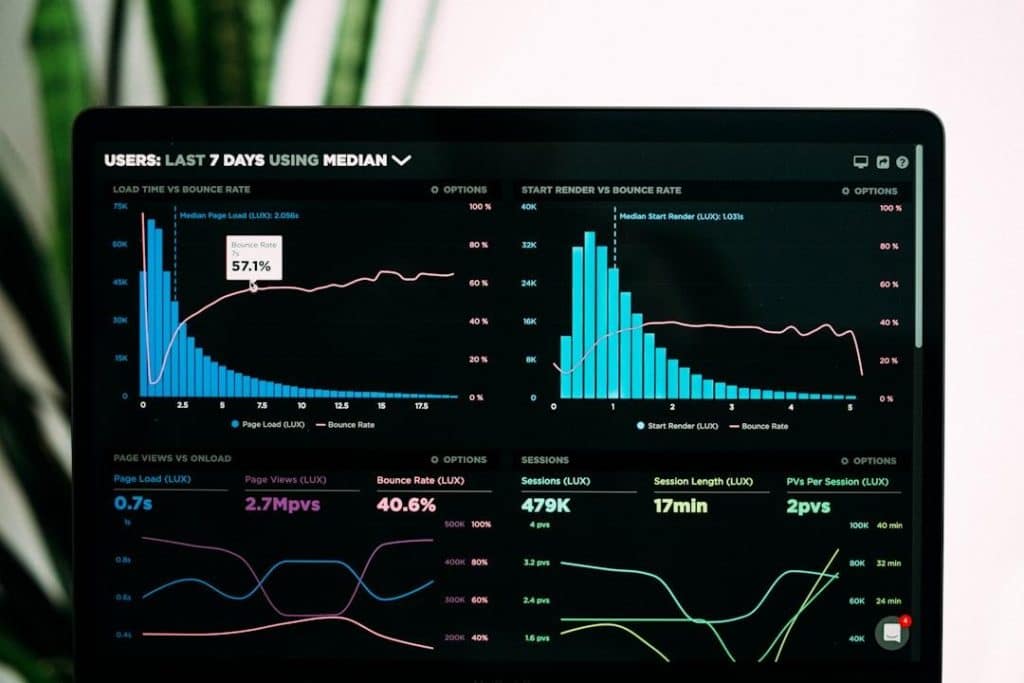
Digital systems also capture useful data. Caterers can review ordering patterns, identify popular dishes, and adjust future menus accordingly. Data-backed adjustments often increase per-guest revenue without raising prices.

Real-Time Logistics and Fleet Tracking
Event catering rarely happens in a single kitchen. Equipment, staff, and food travel between commissaries, storage facilities, and venues under tight time constraints.
GPS-enabled fleet tracking software provides real-time visibility into delivery routes. Managers can reroute drivers if traffic builds or weather conditions change. On-time arrivals protect food quality and maintain professional credibility with planners.
Route-optimization tools also reduce fuel costs and overtime hours. Small savings across multiple events add up quickly over a busy season.
Data-Driven Menu Engineering
Menu engineering used to rely heavily on instinct. Modern analytics platforms now track dish popularity, ingredient costs, and profit margins across events.
Sales data reveals which items consistently sell out and which leave trays half-full. Adjusting portion sizes or rotating underperforming dishes can significantly improve profitability. Smarter menus reduce waste and align offerings with guest preferences.
Data also supports pricing decisions. Clear cost breakdowns help caterers present transparent proposals to corporate clients and wedding planners.
Elevating Smarter Event Catering With the Right Tools
Smarter event catering depends on systems that reduce risk, improve timing, and protect food quality at every stage. AI planning software, cloud-based inventory, precision refrigeration, and connected kitchen equipment all work together to create a more controlled operation.
Upgrading key tools like precision reach-in refrigerators and integrated management platforms strengthens both safety and profitability.
If you are exploring equipment upgrades or refining your workflow, consider evaluating your current systems and reaching out to professional providers through a dedicated service or contact page to discuss solutions that fit your catering model.
And if you found this article to be helpful, check out some of our other content.