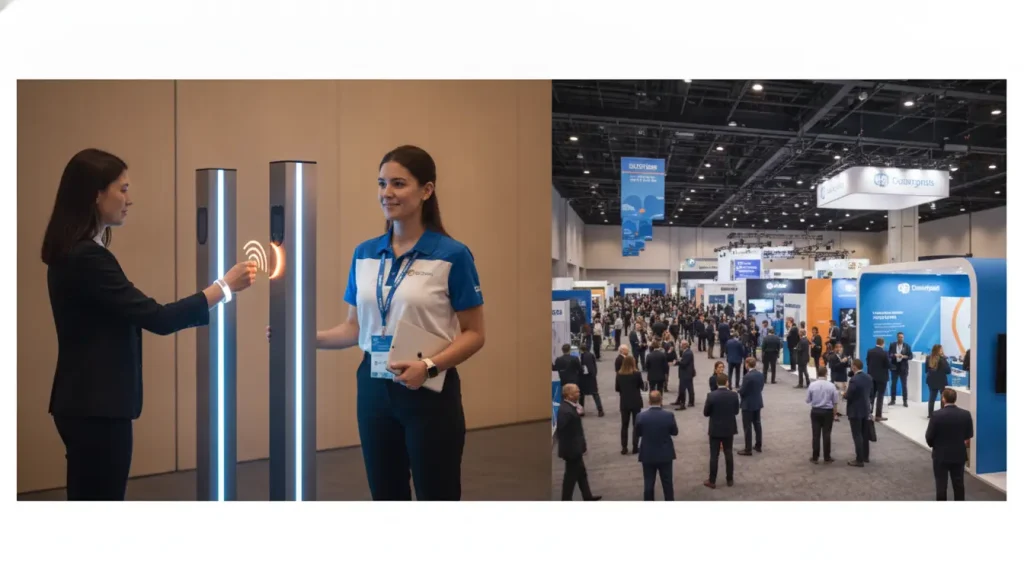
Yes, managed IT and tech consulting can dramatically improve event technology platforms – when reliability and performance matter most.
Live events place intense pressure on networks, applications, and devices, and even well‑funded platforms can fail without the right planning and support behind them. Event teams often discover too late that their technology stack was never designed for real‑world conditions.
This article explains how managed IT and tech consulting work together to prevent those failures.
Why Event Technology Platforms Fail Under Pressure
Most event technology problems stem from rushed planning and fragmented systems. Platforms are often selected weeks before an event, leaving little time for load testing or integration validation.
Peak moments like attendee check‑in or keynote sessions expose weaknesses immediately.
Live events also create short bursts of extreme demand. Networks must support thousands of devices at once, and cloud systems must scale without delay. Without expert preparation, small configuration gaps become visible failures.

What Makes Event Technology Different From Day‑to‑Day IT
Event environments operate on fixed timelines with zero tolerance for downtime. Office IT can recover after hours, but event platforms must perform flawlessly in real time. Managed IT teams plan around these constraints and design systems for short, high‑intensity usage.
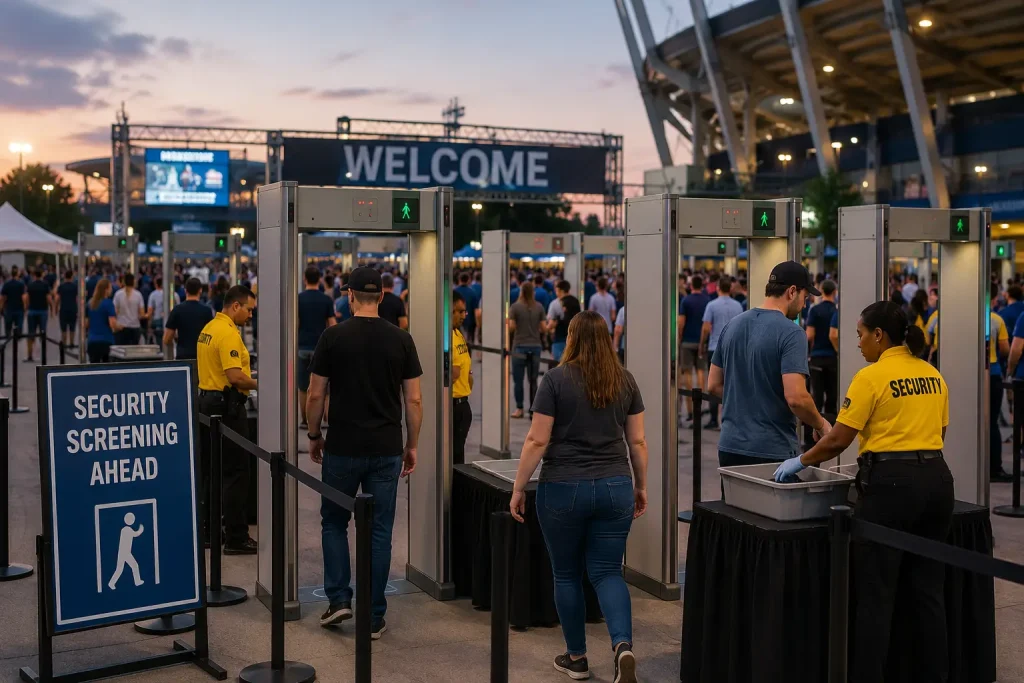
Temporary venues add complexity. Networks, access controls, and hardware must be deployed quickly and removed just as fast while maintaining performance and security.
How Managed IT and Tech Consulting Support Event Technology Platforms
Managed IT and tech consulting address event technology from both operational and strategic perspectives.
Managed IT focuses on uptime, monitoring, and rapid response, while consulting ensures the platform design supports business and attendee goals. Together, they create event technology platforms that scale and perform consistently.
Organizations running conferences, trade shows, or hybrid events benefit most from this combined approach. Each event becomes more predictable and less reactive.
Proactive Infrastructure Planning and Capacity Management
Strong infrastructure planning prevents many event‑day issues. Tech consultants evaluate expected attendance, device density, and traffic patterns to design the right architecture.
According to research from IBM on hybrid cloud management, centralized monitoring and scalable infrastructure improve performance during fluctuating demand. And that directly applies to live events.
Managed IT teams then configure networks, cloud resources, and redundancy plans to support those requirements. Capacity planning ensures systems remain stable during peak moments rather than failing under pressure.
Real‑Time Monitoring and Rapid Support
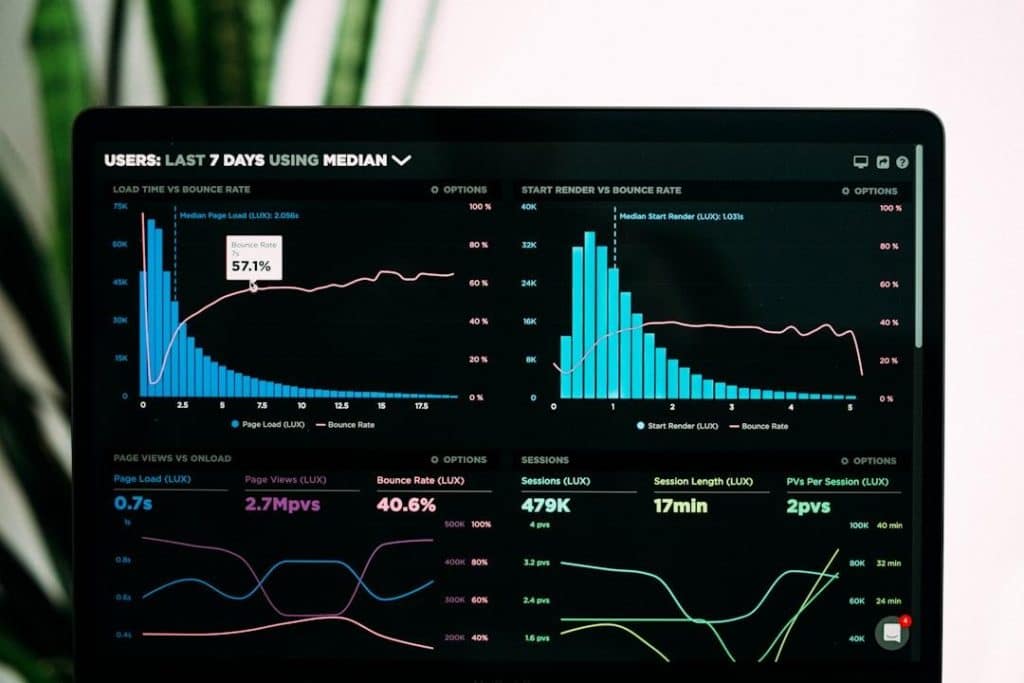
Managed IT provides continuous visibility into system health before and during events. Performance issues are detected early, allowing teams to intervene before attendees notice problems. Rapid response capabilities reduce downtime during critical sessions.
Proactive monitoring and ongoing support reduce disruption in complex, high‑demand environments. For event teams, this translates into smoother operations and fewer public technical issues.
Better Integration Across Event Platforms
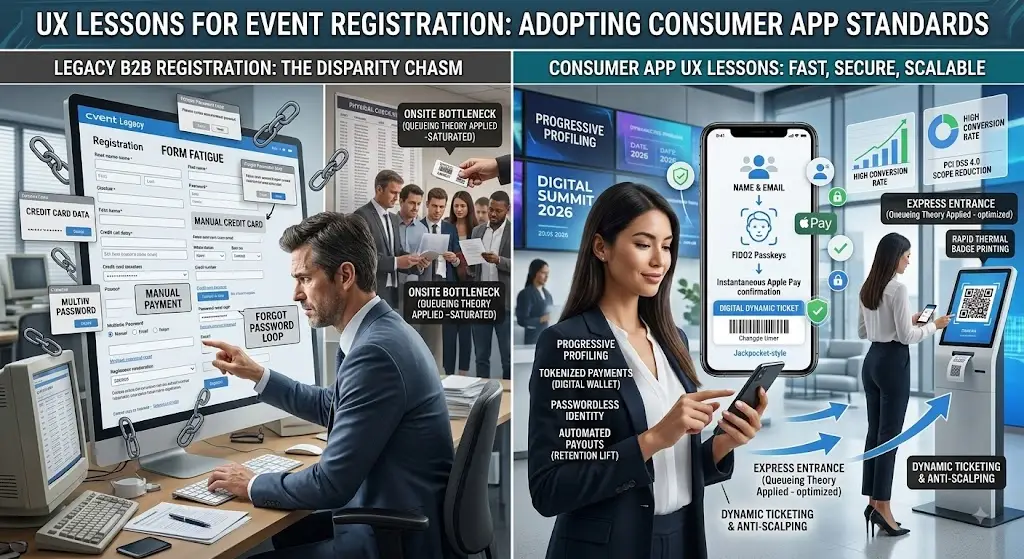
Event technology often includes registration tools, badge printing systems, mobile apps, analytics platforms, and CRMs. Consulting helps design clean integrations so data flows smoothly between these tools.
Managed IT ensures those integrations remain stable and secure during peak usage.
Better integration reduces manual work and data errors. Accurate, real‑time information supports smarter decisions during the event and more effective follow‑up afterward.
Immediate Improvements Event Teams Notice
Event teams often see measurable improvements quickly after adopting managed IT and consulting support. Systems become easier to manage, and technical uncertainty decreases.
Common early benefits include:
- Faster setup using standardized configurations
- Fewer last‑minute technical emergencies during peak hours
- Clear ownership across vendors, platforms, and internal teams
Aligning Event Technology With Business Goals
Event platforms should support marketing, sales, and customer engagement rather than operating in isolation. Tech consulting aligns event systems with CRMs, marketing automation tools, and analytics platforms.
Managed IT keeps those integrations secure and available throughout the event lifecycle.
This alignment ensures event data delivers long‑term value instead of remaining trapped in disconnected systems.
Designing Event Technology for Growth
Organizations hosting recurring or expanding events need scalable systems. Consulting evaluates long‑term requirements instead of one‑time needs. Managed IT implements infrastructure that grows without requiring a full rebuild each year.
This approach reduces technical debt and improves consistency across events.
Where IT Strategy Expertise Adds Real Value
Strategic guidance matters. It particularly matters when event technology intersects with security, compliance, and long‑term IT planning.
When you know how IT consulting can help your organization, you’ll undoubtedly want to embrace it to support your event technology platform.

Making Event Technology Platforms Work Every Time
Managed IT and tech consulting turn event technology platforms into reliable business tools rather than high‑risk setups. Better planning, stronger infrastructure, and real‑time support improve attendee experiences and reduce internal stress.
Managed IT and tech consulting also help organizations refine their platforms with each event rather than starting over. Teams preparing for upcoming events can benefit from expert guidance before issues surface.
As an organization focused on dependable event performance, embrace managed IT and tech consultation services. And if you found this article to be helpful, make sure you check out some of our other content!