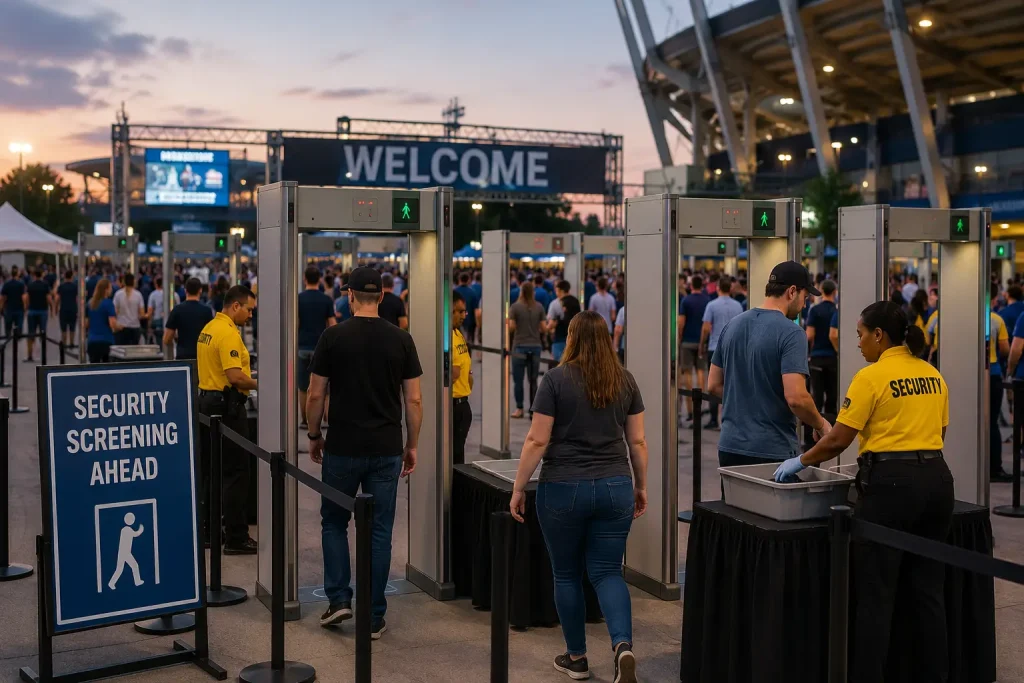
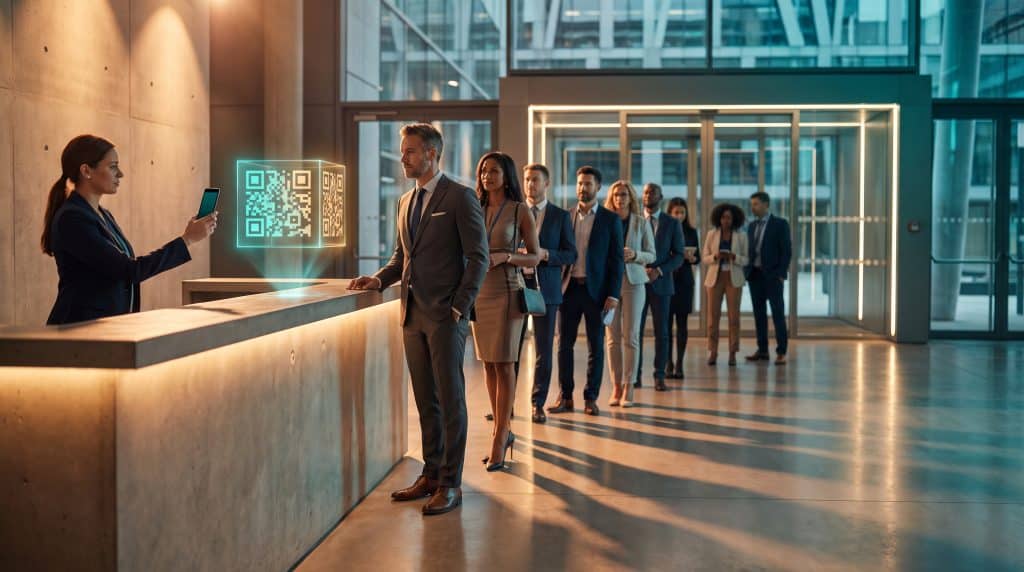
Smart ticketing is changing how people enter trains, buses, concerts, and stadiums.
Instead of paper tickets, you can now use your phone, a smart card, or even a wristband to get access in seconds.
From an event logistics perspective, smart ticketing is not just “cool technology.” It’s one of the biggest tools organizers use to reduce long lines at the entrance and prevent ticket fraud.
In this guide, I’ll explain what smart ticketing is, how it works, the tech behind it, and what can go wrong in real life.
By the end, you’ll understand why smart ticketing is becoming the standard for both travel and live events.
What I’ve Seen Firsthand as an Event Logistics Professional
I’ve worked behind the scenes on events where ticketing wasn’t just “entry,” it was the entire guest experience.
When ticketing runs smoothly, people walk in excited. When it fails, the first 30 minutes turn into stress, long lines, and angry guests.
One of the biggest differences I’ve noticed is that smart ticketing reduces entry bottlenecks, especially when you have multiple ticket types like VIP, general admission, and staff passes.
It also makes scanning faster, but only when the Wi-Fi, scanners, and backup workflows are planned properly.
That’s why smart ticketing is not just a tech upgrade. It’s a logistics upgrade.
Defining Smart Ticketing
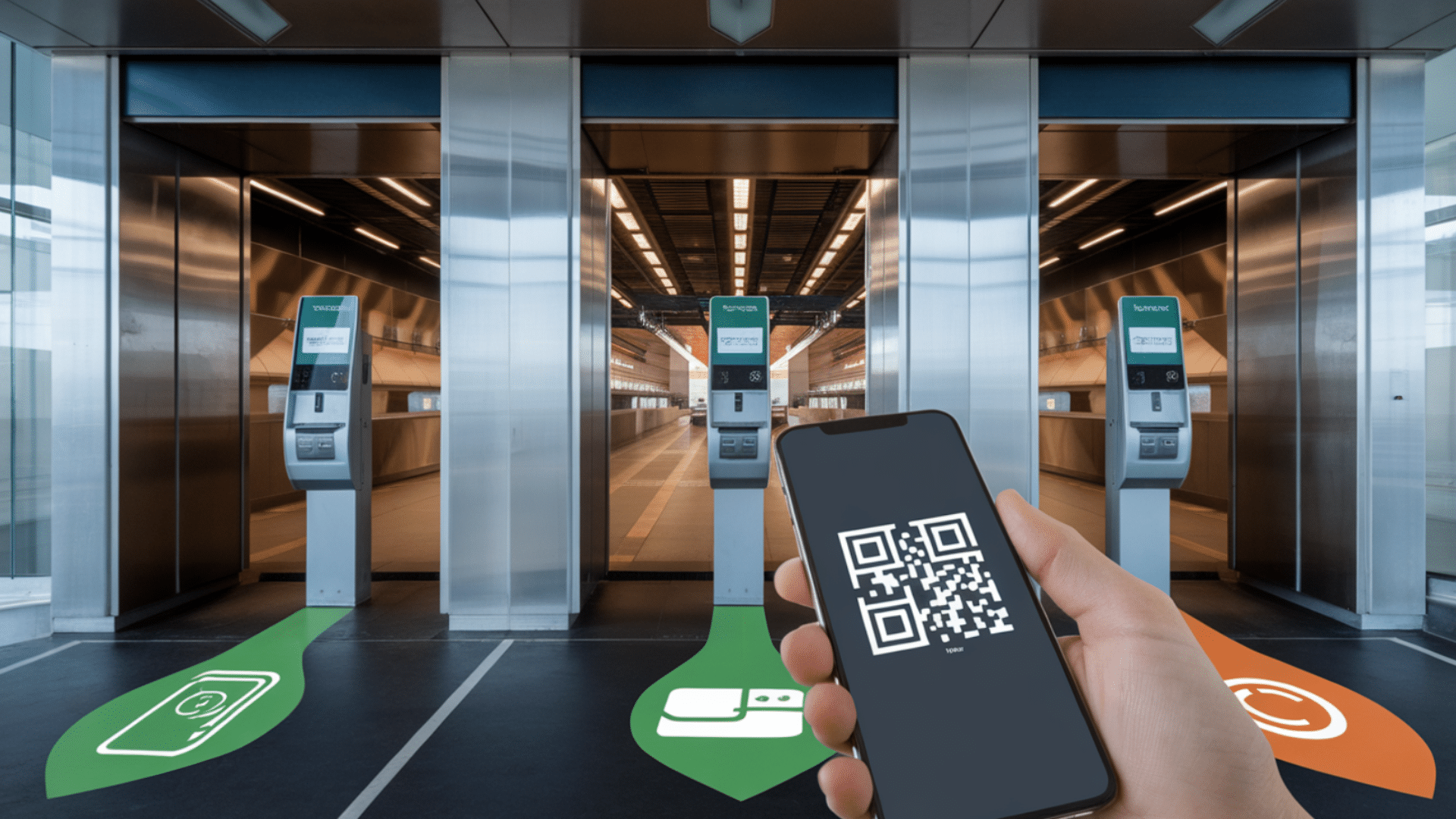
Smart ticketing is a modern way of handling tickets that replaces traditional paper tickets with digital ones.
With smart ticketing, you can store your tickets on your phone or a smart card, which can be scanned at entry points.
This technology uses methods like QR codes, Near Field Communication (NFC), or Bluetooth to quickly and securely validate your ticket.
It’s all about making access to transportation, events, and services faster and more efficient.
Key Features of Smart Ticketing
- Digital Storage: Tickets are stored on your smartphone or smart card, eliminating the need for paper.
- Fast Entry: Use your phone or card to quickly access transportation or events.
- Secure: Technology like encryption and one-time use codes help prevent fraud.
- Environmentally Friendly: Reduces paper waste by going digital.
- Convenient: No need to worry about losing a paper ticket or waiting in line.
Smart ticketing is making it easier for people to get where they need to go and enjoy events without the stress of managing physical tickets.
How Smart Ticketing Works
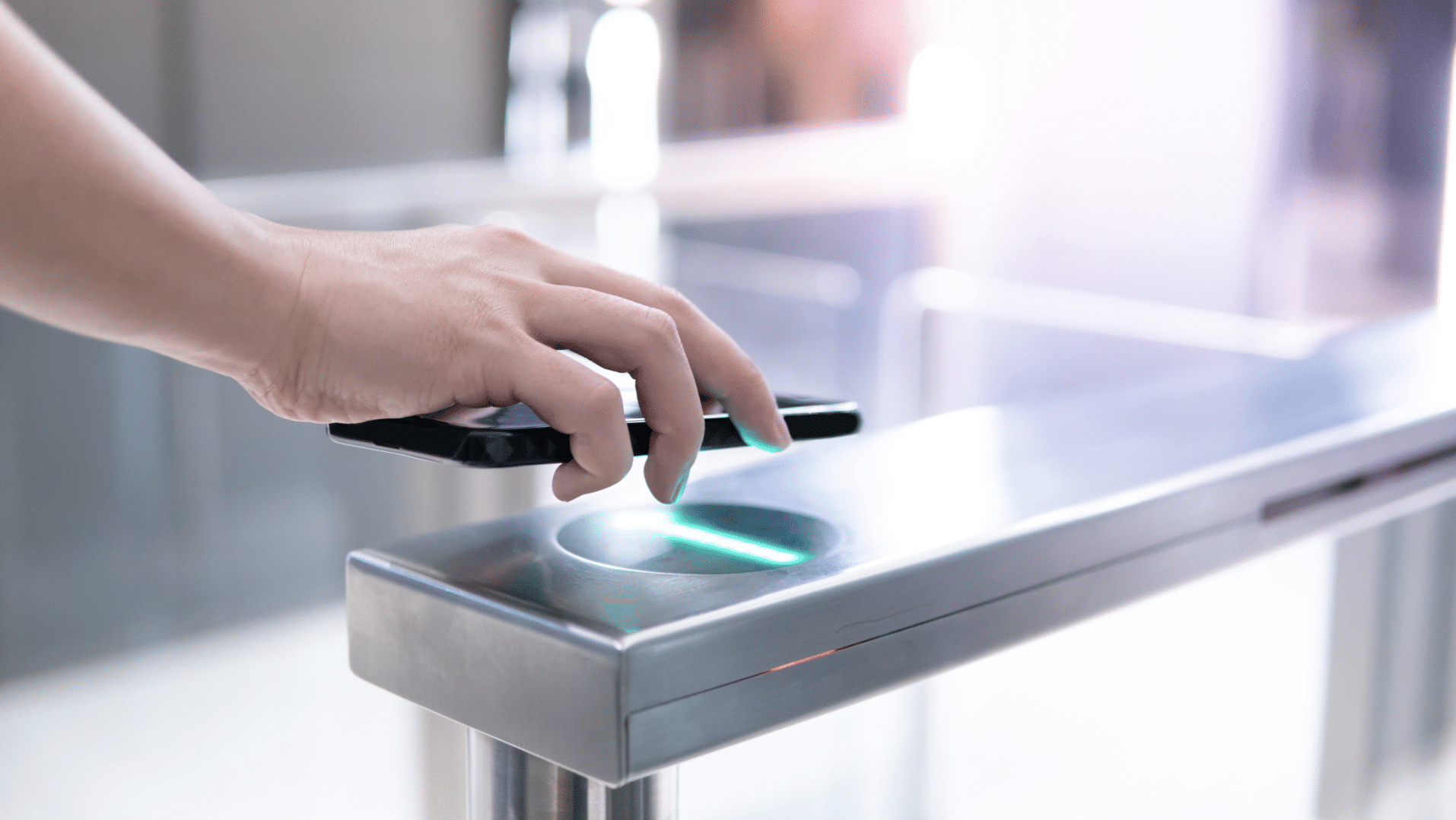
Smart ticketing simplifies the ticketing process by using technology to store, manage, and validate tickets digitally.
Instead of handling paper tickets, users can access their tickets directly from their smartphones or smart cards. Here’s a breakdown of how it works:
- Purchase & Download: You can buy a ticket online through an app or website and download it to your phone or card.
- Access & Validation: At the event or transit point, simply scan your phone or card at the entry gate. The system checks the validity of your ticket instantly.
- Contactless Technology: Smart ticketing often uses NFC, QR codes, or Bluetooth to enable quick, contactless entry.
- Automatic Updates: Some systems can automatically update or send reminders about your tickets, making sure you never miss your event or trip.
By replacing physical tickets with digital ones, smart ticketing allows for a faster, more convenient way to access transportation or events while also reducing the chances of losing or misplacing tickets.
Smart Ticketing Checklist (For Travelers and Event Guests)
If you want smart ticketing to go smoothly, here’s the quick checklist I always recommend:
-
Screenshot your QR code before you arrive (battery and signal issues happen)
-
Add tickets to Apple Wallet or Google Wallet if available
-
Turn your screen brightness up before scanning
-
Avoid cracked screens if you rely on QR entry (scanners struggle)
-
Charge your phone above 40% before arrival
-
If using NFC tap-in, remove metal phone cases
-
Keep your ticket email accessible offline if possible
These small steps can save you from the most common “entry panic” moments.
Technologies Behind Smart Ticketing
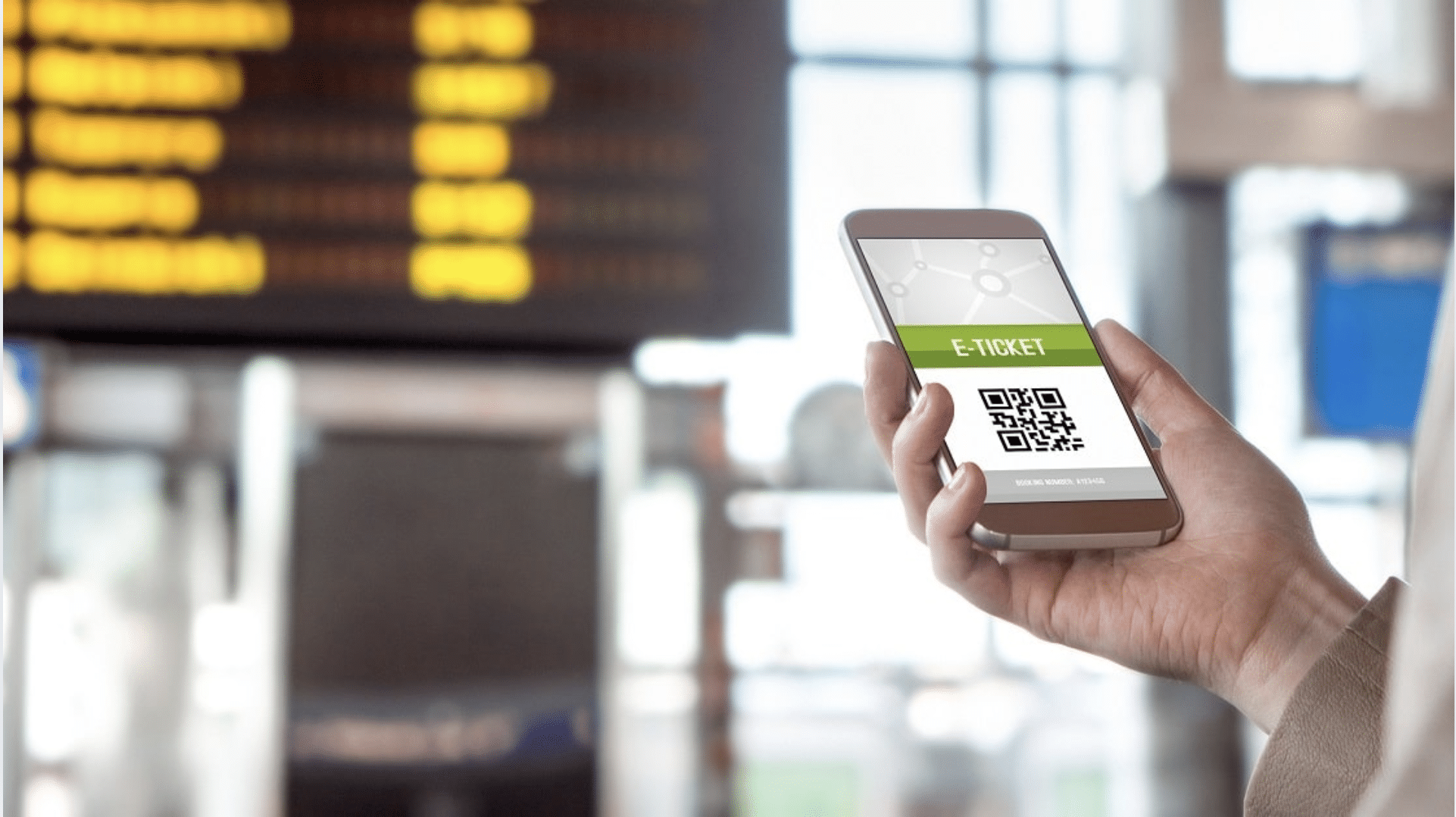
Smart ticketing relies on several key technologies to make the process seamless and efficient.
| Technology | Function |
|---|---|
| RFID | Uses radio waves to transmit ticket data between smart cards and scanners. |
| NFC | Enables short-range wireless communication for fast ticket validation. |
| QR Codes | Scannable codes that store ticket info, easily accessed via mobile devices. |
| Mobile Apps | Apps that manage tickets and provide access to event or travel details. |
| Cloud Computing | Stores ticketing data online for real-time updates and remote accessibility. |
These technologies work together to ensure quick, secure, and contactless access to transportation and events.
Smart Ticketing Methods Compared (QR vs NFC vs RFID)
| Method | Best For | Pros | Cons |
|---|---|---|---|
| QR Code | Most events + basic transit | Cheap, easy, works on any phone | Slower, screen brightness issues, and easy to screenshot |
| NFC Tap | Transit systems + premium venues | Fast, smooth entry, no scanning | Requires NFC devices and infrastructure |
| RFID Wristbands | Festivals + multi-day events | Great for crowd control, hard to fake | More expensive, logistics-heavy |
| Bluetooth (BLE) | Smart venues + advanced systems | Can validate hands-free | Can fail in crowded environments |
| Biometric (Face/Fingerprint) | Airports + high-security venues | No ticket needed, extremely fast | Privacy concerns, high cost |
Benefits of Smart Ticketing
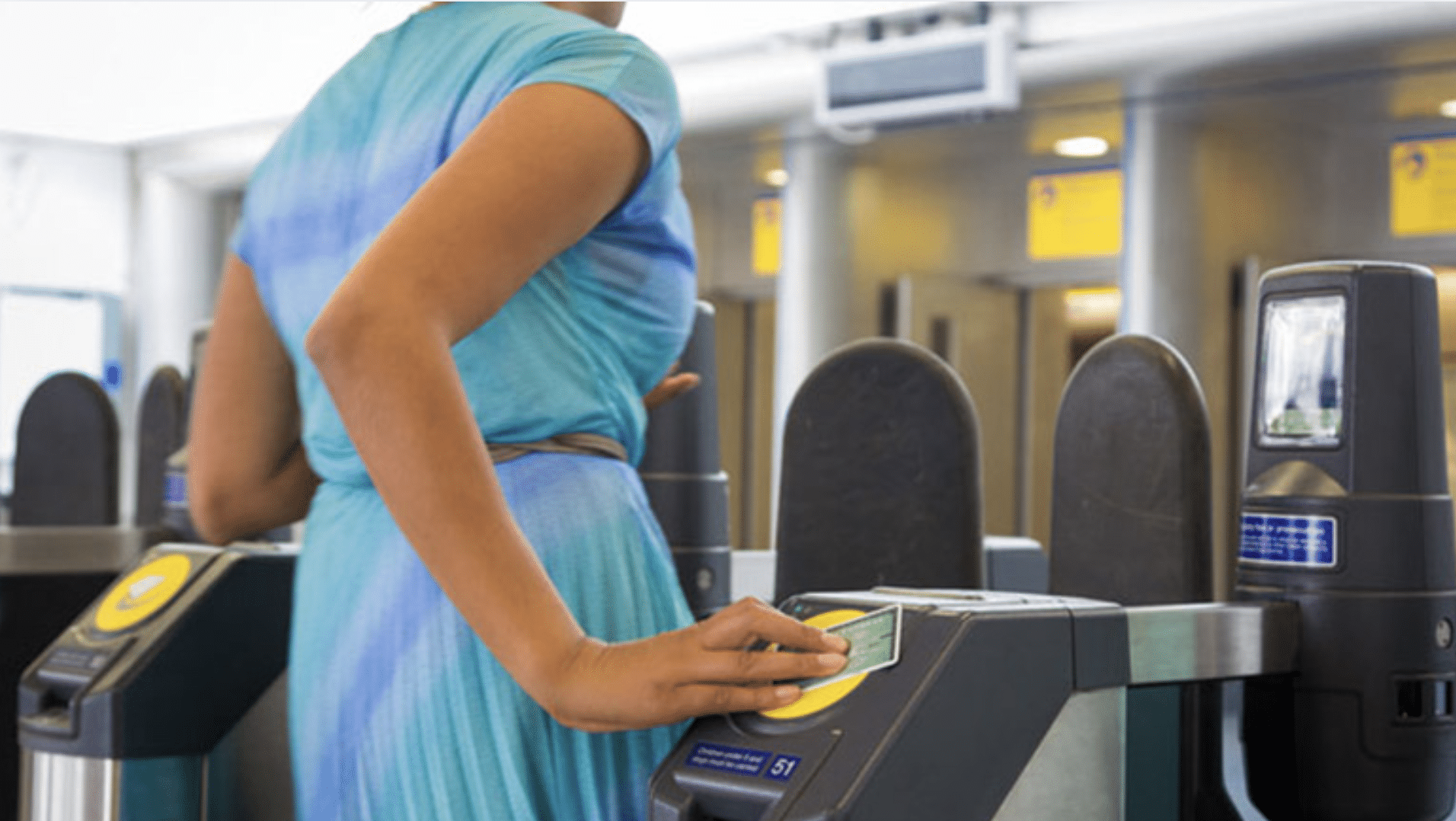
Smart ticketing offers several key advantages that make the process of traveling and attending events more efficient.
From faster access to improved security, these benefits can help simplify your experience while being environmentally conscious.
- Convenience: Get quick access without needing physical tickets. Simply use your phone or smart card for entry.
- Time-saving: Skip the lines and enjoy faster entry at events or quicker boarding on public transportation.
- Enhanced Security: Digital tickets are harder to counterfeit, reducing the risk of fraud or loss.
- Eco-friendly: Go paperless and help reduce waste, contributing to a more sustainable environment.
Smart Ticketing in Numbers (Why It Matters)
Smart ticketing is growing fast because it solves 2 problems that every transit system and event organizer fights:
-
Long entry lines
-
Ticket fraud and duplicate entry
From what I’ve seen in real operations, the biggest performance boost comes from faster validation per person.
Even saving 2–3 seconds per guest at entry can completely change crowd flow when thousands of people arrive in a short time window.
For example:
-
1 scanner processing 1 person every 3 seconds = 20 people per minute
-
If scanning drops to 5 seconds = 12 people per minute
That difference becomes massive during peak entry.
Why Smart Ticketing Is Really About Crowd Control
Most people think smart ticketing is about convenience. But in large venues, it’s actually about managing crowds safely.
Smart ticketing helps organizers:
-
predict arrival peaks
-
open the right number of lanes
-
separate VIP, staff, and GA flow
-
reduce bottlenecks at entrances
-
detect duplicate tickets instantly
That’s why smart ticketing has become a major part of modern event planning.
Real-World Examples of Smart Ticketing
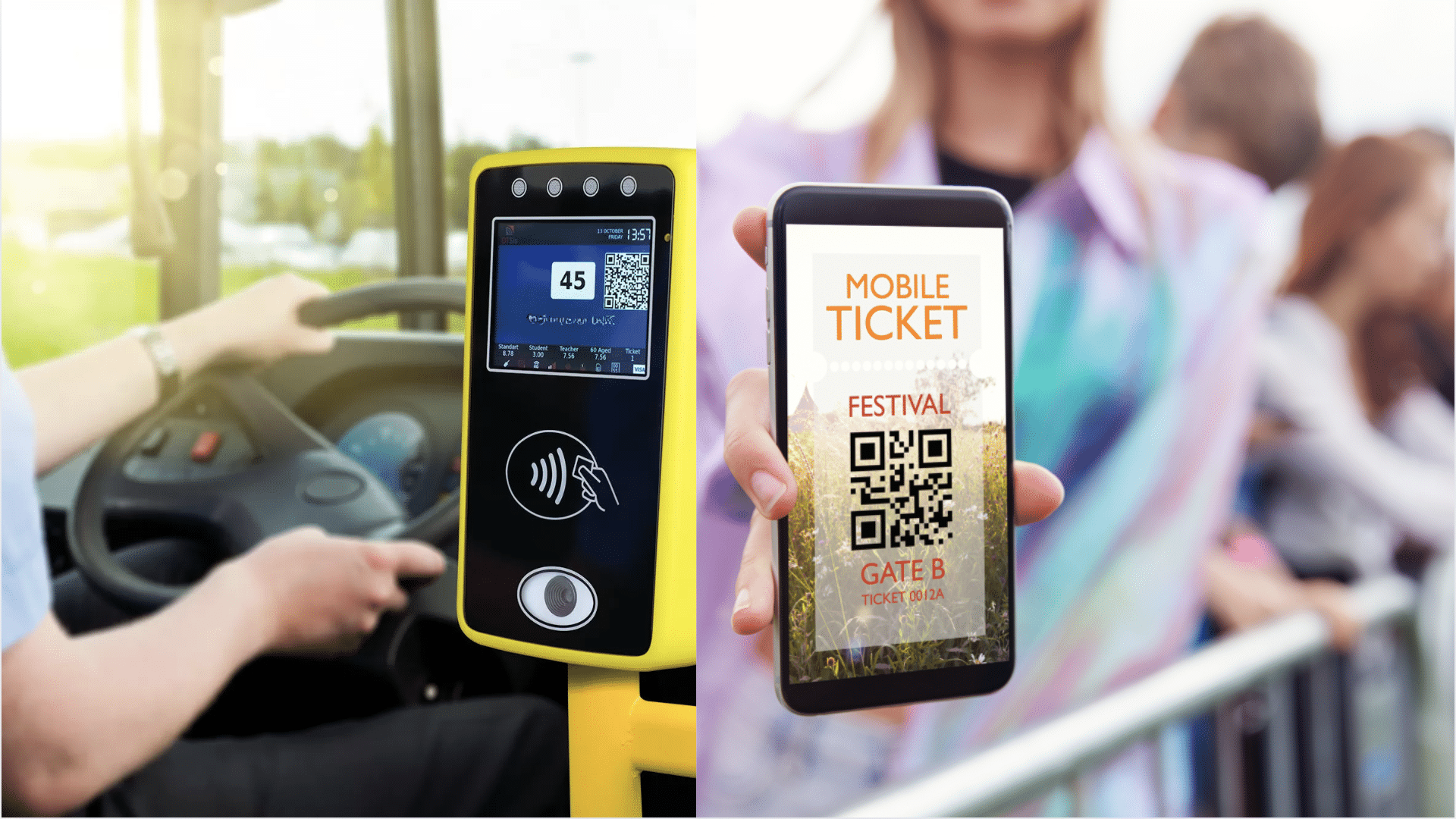
Smart ticketing is already being used in various transportation systems and events, making access easier for users worldwide.
Public Transportation
Metro systems and buses in cities like London and New York allow passengers to board using contactless cards or smartphones. Simply tap to enter and exit.
Benefits: Faster commutes, fewer queues, and no need to worry about lost tickets.
Events and Entertainment
Concerts, sports events, and theaters now use smart ticketing systems, letting attendees enter using mobile apps or NFC-enabled wristbands. For instance, many music festivals offer wristbands for easy entry.
Benefits: Speedier access, reduced chance of losing tickets, and easy management for multiple events.
Smart Ticketing in Transit vs Events (They’re Not the Same)
Smart ticketing works differently depending on the environment.
-
Transit systems focus on speed and repeat use. People tap daily, so systems are optimized for high volume.
-
Events focus on guest experience, fraud prevention, and multiple ticket tiers like VIP or backstage.
That’s why wristbands are common in festivals, while QR codes dominate concerts and sports.
The Future of Smart Ticketing
As technology continues to evolve, smart ticketing is set to become even more advanced. With innovations like AI integration and biometric scanning, ticketing systems could become more personalized and secure.
For example, biometric identification, such as facial recognition, could allow for seamless entry without the need for a ticket at all.
Beyond transportation and events, smart ticketing is likely to expand into other industries, such as healthcare, entertainment venues, and even retail.
Imagine using your phone to easily access a concert, shop at a store, or enter a hospital appointment, all with a single smart system.
These advancements will not only make ticketing systems more efficient but also improve user experiences across a wide range of services.
Common Smart Ticketing Problems (And How to Avoid Them)
Smart ticketing is convenient, but it’s not perfect. These are the most common issues I’ve seen:
1. Dead Phone = No Entry
If your ticket is on your phone and your battery dies, you’re stuck unless the venue has a manual lookup.
Fix: Save tickets offline and bring a portable charger.
2. QR Scanners Struggle in Bright Sunlight
Outdoor events can cause scanning delays because screens glare.
Fix: Turn the brightness up and use wallet passes instead of email PDFs.
3. Slow Wi-Fi Can Break the System
Some venues rely too heavily on internet validation.
Fix: Systems should allow offline validation + sync later.
4. Ticket Transfers Create Confusion
People forward QR codes, and duplicate scans happen.
Fix: Use rotating QR codes or account-based tickets.
This is why smart ticketing works best when organizers plan the logistics, not just the technology.
Challenges and Considerations of Smart Ticketing
While smart ticketing offers many advantages, there are several challenges that need to be addressed:
- Accessibility: Ensuring everyone has access to smart ticketing technologies, especially those without smartphones or limited tech experience.
- Privacy and Security: Addressing concerns about the protection of personal data used in ticketing systems to prevent misuse or breaches.
- Infrastructure Needs: Developing the necessary infrastructure, such as reliable networks and devices, to support smart ticketing systems effectively in all areas.
Conclusion
Smart ticketing is definitely making travel and event experiences simpler and more efficient.
By using technology like smartphones and smart cards, we can skip the hassle of paper tickets and enjoy faster entry to transportation and events.
Whether it’s reducing wait times or providing more security, the benefits are clear.
As this technology continues to grow, we can expect it to expand into even more industries, like healthcare and retail.
However, there are still challenges to tackle, like making sure everyone can access these systems and keeping personal data safe.
I hope this helps you understand how smart ticketing works and why it’s becoming so popular.
It’s a great example of how technology can improve our daily lives and make things more convenient, and it’s exciting to think about how it will keep evolving in the future.
Frequently Asked Questions
Is smart ticketing safe?
Yes, most systems use encryption and unique codes. However, QR-based tickets are still easier to screenshot than NFC or RFID.
What is the difference between smart ticketing and e-ticketing?
E-ticketing usually means a digital ticket. Smart ticketing includes advanced validation methods like NFC, RFID, and live-updating QR codes.
Can smart ticketing work without the internet?
Some systems can. The best setups allow offline validation and sync later, especially for large events.
Why do festivals use wristbands instead of QR codes?
RFID wristbands reduce fraud, support cashless payments, and speed up entry for multi-day attendance.