Fitness trackers are everywhere today, from smartwatches that count steps to devices that monitor workouts and sleep.
Most of them try to pack many features into a single gadget, often mixing health tracking with notifications, apps, and other smartwatch functions.
WHOOP takes a different path by focusing almost entirely on health data and recovery insights rather than acting like a traditional watch.
After testing the WHOOP 5.0 alongside the Apple Watch Series 10 and Garmin Forerunner 265 for eight weeks.
I can say upfront: WHOOP is not for everyone, but for the right user, no other consumer wearable comes close to showing exactly how your body responds to training, sleep, and daily stress.
This WHOOP review breaks down how the band works, what the app actually shows, the honest limitations most competitors avoid mentioning, and whether the subscription is worth it in 2026.
What is WHOOP and How Does It Work?
WHOOP is a fitness tracker designed to measure how the body responds to strain, rest, and sleep. Unlike most wearables, it does not look or behave like a traditional watch.
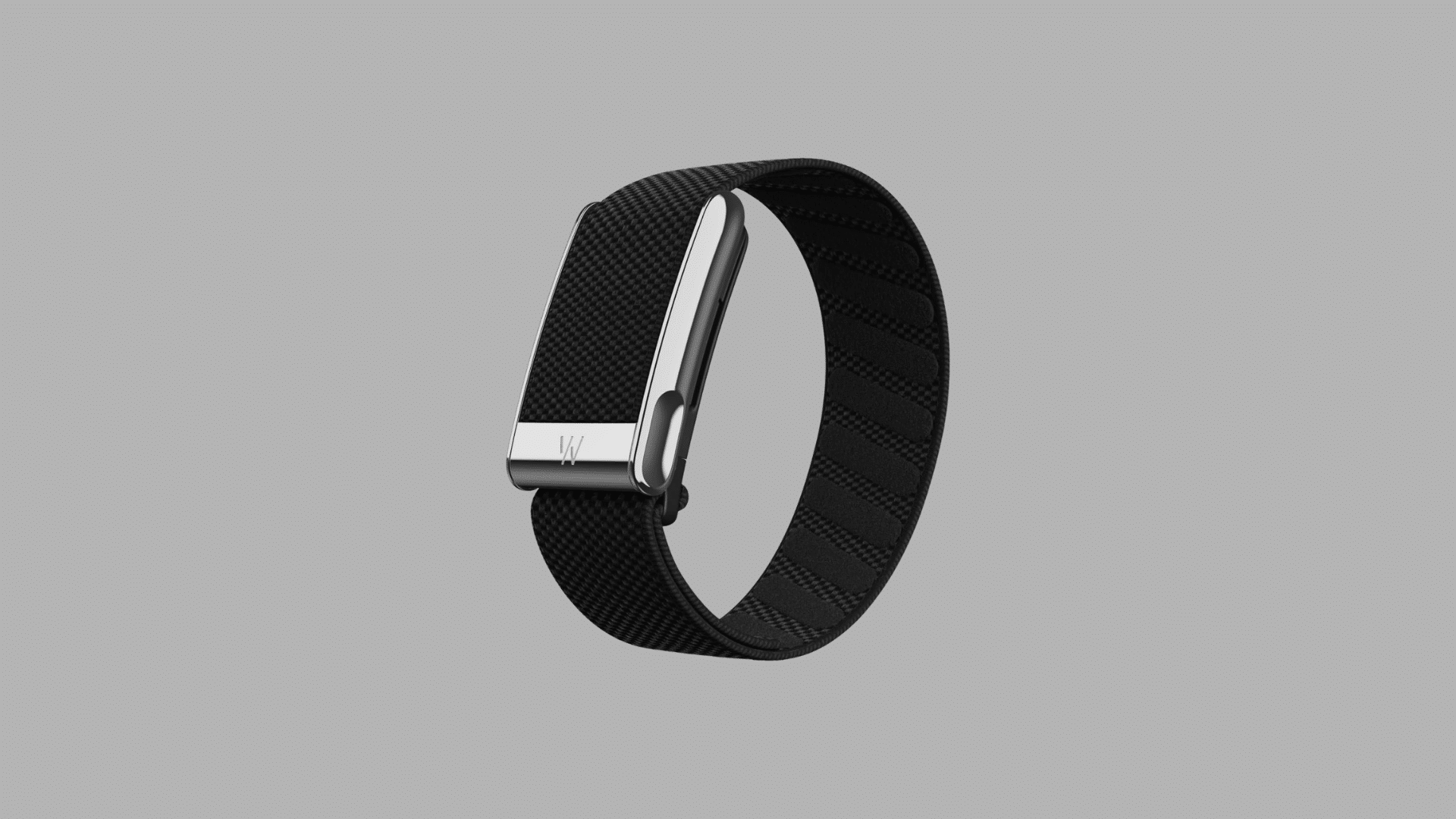
The device is a simple band with no screen, and all data is displayed in the WHOOP mobile app.
The latest model, the 2026 WHOOP 5.0, continues this approach with improved sensors and more accurate health tracking.
The band stays on the wrist throughout the day and night as sensors continuously collect health data. It tracks metrics such as heart rate, heart rate variability, respiratory rate, and sleep performance.
Though, as I discovered during testing, WHOOP is equally valuable for high-stress desk workers.
Tracking physiological stress data on heavy meeting days, even without a single workout logged, revealed how taxing a combination of poor sleep and back-to-back meetings can be on the nervous system.
The app marked some days as “high strain” even when they felt easy, but were still tiring for the body.
WHOOP Band Review: Design and Comfort
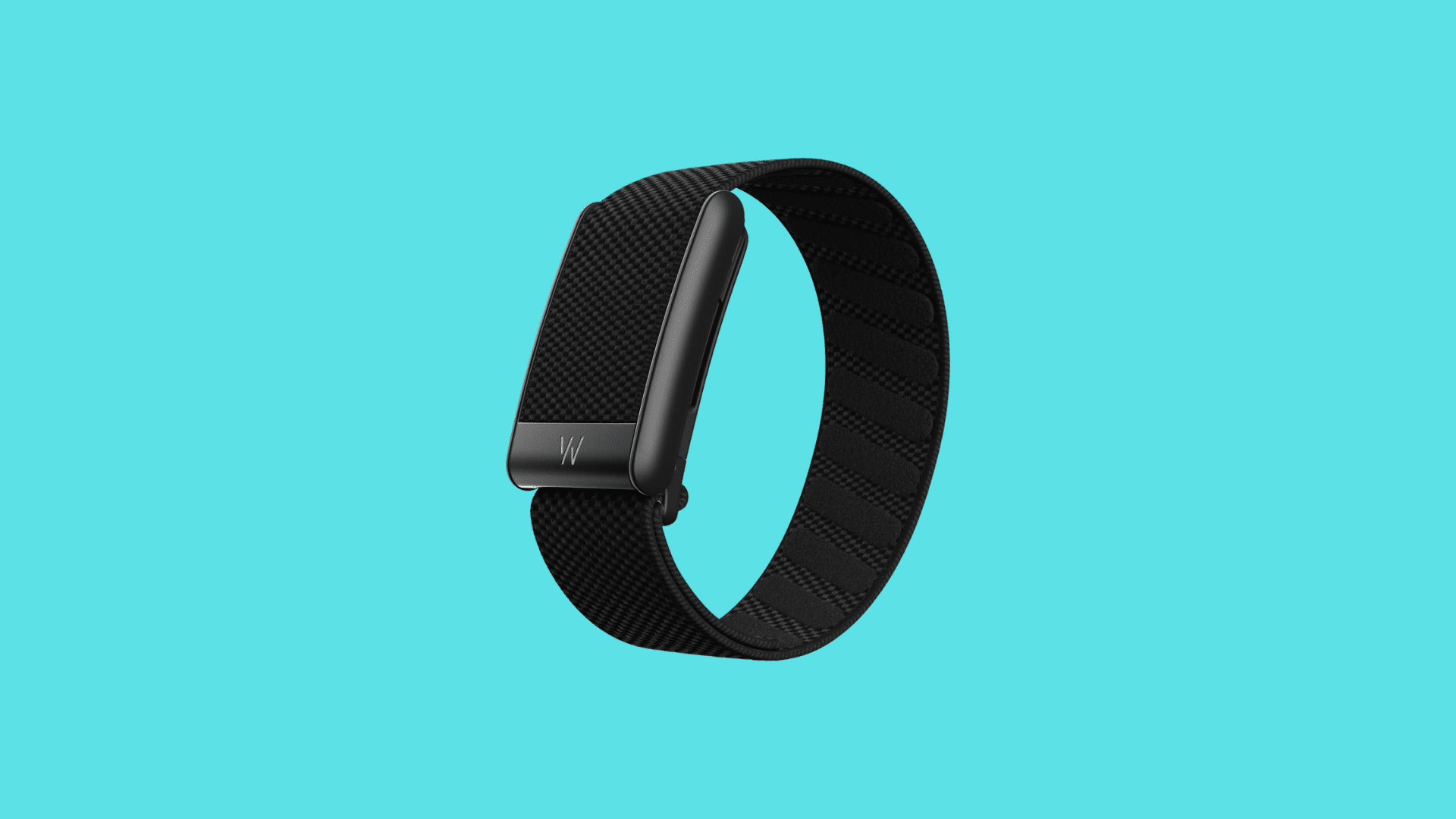
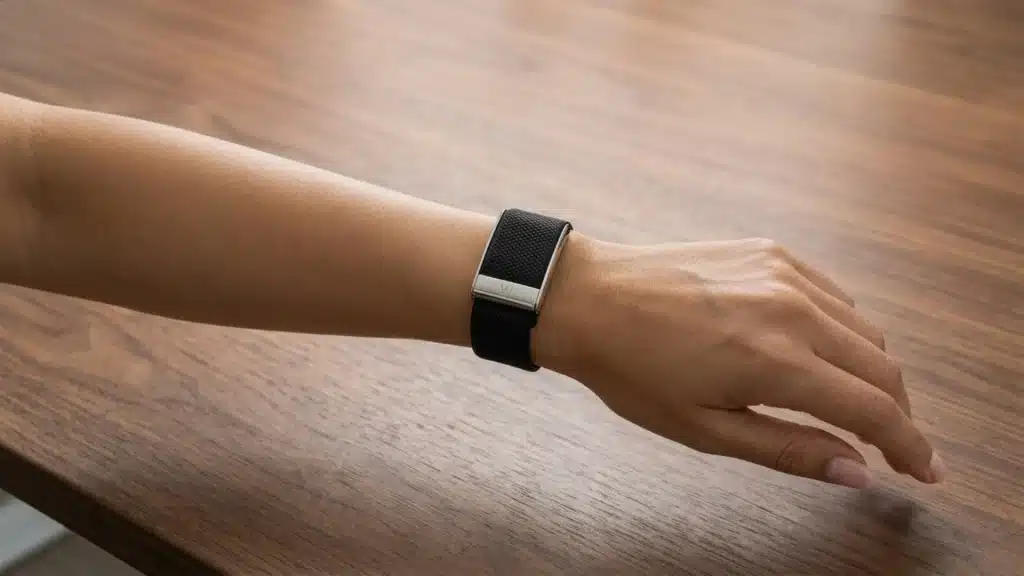
The WHOOP band follows a minimalist design that sets it apart from a typical fitness watch. It uses a soft woven strap that feels light on the wrist and stays flexible during movement.
The tracker itself sits inside the band and keeps a low profile, which helps it blend into daily wear without feeling bulky.
The device is meant to stay on the wrist all day and night. Continuous tracking works best when it remains on during workouts, rest, and sleep.
Many users prefer this setup because it removes the habit of taking a device off and putting it back on. Charging also works differently.
In 2025, WHOOP expanded its wearability options with the Any-Wear™ Pod system, allowing the sensor to be placed in compatible WHOOP Body garments, including shorts, sports bras, and compression sleeves.
For users who prefer not to wear anything on the wrist during sleep or specific activities, this opens up screenless, distraction-free tracking beyond traditional wrist placement.
Key WHOOP Band Features Explained
WHOOP focuses on a few core health metrics instead of offering dozens of small features. These tools work together to help users understand training, recovery, sleep quality, and daily stress patterns.
1. Sleep Tracking
Sleep tracking is one of the main reasons people use WHOOP. The band automatically records sleep duration, sleep stages, and disturbances during the night.
Instead of only showing total sleep time, the app analyzes how well the body actually recovered during rest.
A peer-reviewed validation study published in Sleep Medicine assessed WHOOP’s sleep staging accuracy against polysomnography, the clinical gold standard for sleep testing.
Results showed reasonable agreement for total sleep time, though stage-level accuracy varies, as it does across all wrist-worn optical sensors.
This reflects the current ceiling of consumer-grade wearable technology, not an isolated WHOOP limitation.
2. Recovery Score
The recovery score is one of the most discussed features among users. It measures how prepared the body is for physical activity on a given day.
The score is based on several metrics, including heart rate variability, resting heart rate, sleep performance, and respiratory rate.
Each morning, the app displays a percentage indicating whether the body is fully recovered, moderately recovered, or under strain. This is the feature that genuinely changed how I train.
About two weeks into testing, a social weekend, poor sleep, and some drinks left me with a 34% recovery score on Monday morning.
3. Strain Tracking
Strain tracking measures how much physical effort the body experiences throughout the day.
Instead of only counting steps or workouts, WHOOP calculates strain using heart rate data collected during activity.
The result is a strain score that ranges from low effort to very high effort, depending on how hard the body worked. Workouts, sports, and even long active days can raise the score.
The app also suggests a target strain range based on the daily recovery score. This connection between recovery and strain is meant to help users balance training intensity with proper rest.
4. Heart Rate Variability (HRV)
Heart rate variability (HRV) plays a major role in how WHOOP measures recovery. HRV tracks the variation between heartbeats, reflecting how the nervous system responds to stress and recovers.
Higher HRV generally indicates better recovery and readiness, while lower HRV may signal fatigue or stress.
The band records HRV during sleep when the body is in a stable state. Over time, the app builds a personal baseline, making it easier to understand changes in HRV.
5. Stress Monitor and Journal
WHOOP also includes tools that track daily stress and lifestyle habits. The stress monitor measures physiological stress levels using heart rate and HRV patterns throughout the day.
This gives users an idea of how demanding their day is on the body, even outside workouts.
Along with this, the app offers a journal feature where users can log habits such as caffeine intake, alcohol, late meals, stretching, or meditation.
Along with this, the app offers a journal feature where users can log habits such as caffeine intake, alcohol, late meals, stretching, or meditation.
If you’re integrating recovery tracking into a group setting, pairing these habits with a structured wellness event can reinforce the same patterns across a team.
6. VO2 Max Estimation
WHOOP added VO2 Max estimation in March 2025, one of the most requested features among athletes.
Unlike Garmin’s method, which relies on GPS pace data or cycling power output, WHOOP estimates VO2 Max using a proprietary algorithm based on heart rate, HRV patterns, and exercise data.
No dedicated test run or cycling effort is required. Independent testing has found the results surprisingly close to lab-validated estimates, though slightly less precise than GPS-based sports watches.
VO2 Max is available on the WHOOP Peak and Life tiers.
7. Healthspan and Pace of Aging
One of WHOOP’s most distinctive 2025 additions is the Healthspan feature, available on Peak and Life memberships.
It calculates a “WHOOP Age,” your physiological age based on nine biomarkers, including VO2 Max, HRV trends, sleep consistency, and time spent in heart rate zones.
The goal is to show not just how fit you are today, but how quickly your body is aging relative to your chronological age.
Over eight weeks of testing, I watched my WHOOP Age drop by nearly a year, corresponding with a period of improved sleep consistency and reduced alcohol intake.
8. WHOOP Advanced Labs
WHOOP Advanced Labs, launched in late 2025, allows U.S. members to schedule a 65-biomarker blood test directly through the app for approximately $200.
Results are reviewed by a clinician and integrated alongside your continuous WHOOP data, so instead of receiving a blood panel in clinical isolation, you see exactly how biomarkers connect to your HRV, sleep quality, and strain trends over time.
For context, a standard doctor’s visit with blood work typically covers 15–20 tests. Advanced Labs covers 65, with direct integration into your health dashboard and a personalized action plan.
Note: currently unavailable in Hawaii, North Dakota, South Dakota, Wyoming, and Arizona.
9. WHOOP Coach AI
WHOOP Coach is an AI tool built into the app that draws directly from your personal health data to answer questions and provide training guidance.
Unlike a generic fitness chatbot, it has access to your recovery trends, strain history, sleep patterns, and journal entries.
During testing, I asked Coach whether my Tuesday strength sessions were affecting Wednesday’s HRV.
It cross-referenced six weeks of my data and identified a consistent 8-12% HRV dip the morning after heavy lower-body days, a pattern I had not noticed manually.
That kind of personalized, data-backed insight is what separates WHOOP Coach from generic AI fitness tools.
WHOOP Accuracy: The Honest Truth
No wrist-worn tracker is perfectly accurate, and WHOOP is no exception. Here is what the data actually shows — and what most reviews avoid saying directly.
- Heart rate during steady-state cardio: Generally reliable, within 2-4 bpm of a chest strap reference at moderate effort levels.
- Heart rate during high-intensity or explosive movements: Optical PPG sensors, including WHOOP’s, tend to struggle here. Rapid wrist movement creates signal noise, leading to momentary measurement gaps. This is an industry-wide limitation, not unique to WHOOP.
- HRV during sleep: This is where WHOOP performs best. Measuring HRV in a stable, low-movement environment produces significantly more reliable readings than waking HRV measures, which is exactly how WHOOP collects it.
- From my testing: Over eight weeks, I compared WHOOP heart rate data against a Polar H10 chest strap across more than 30 sessions.
- Bottom line on accuracy: WHOOP is accurate enough to meaningfully guide training decisions. It is not a medical device and should not be used as a substitute for clinical measurement.
WHOOP Review: What Real Users Say After Using the Band?
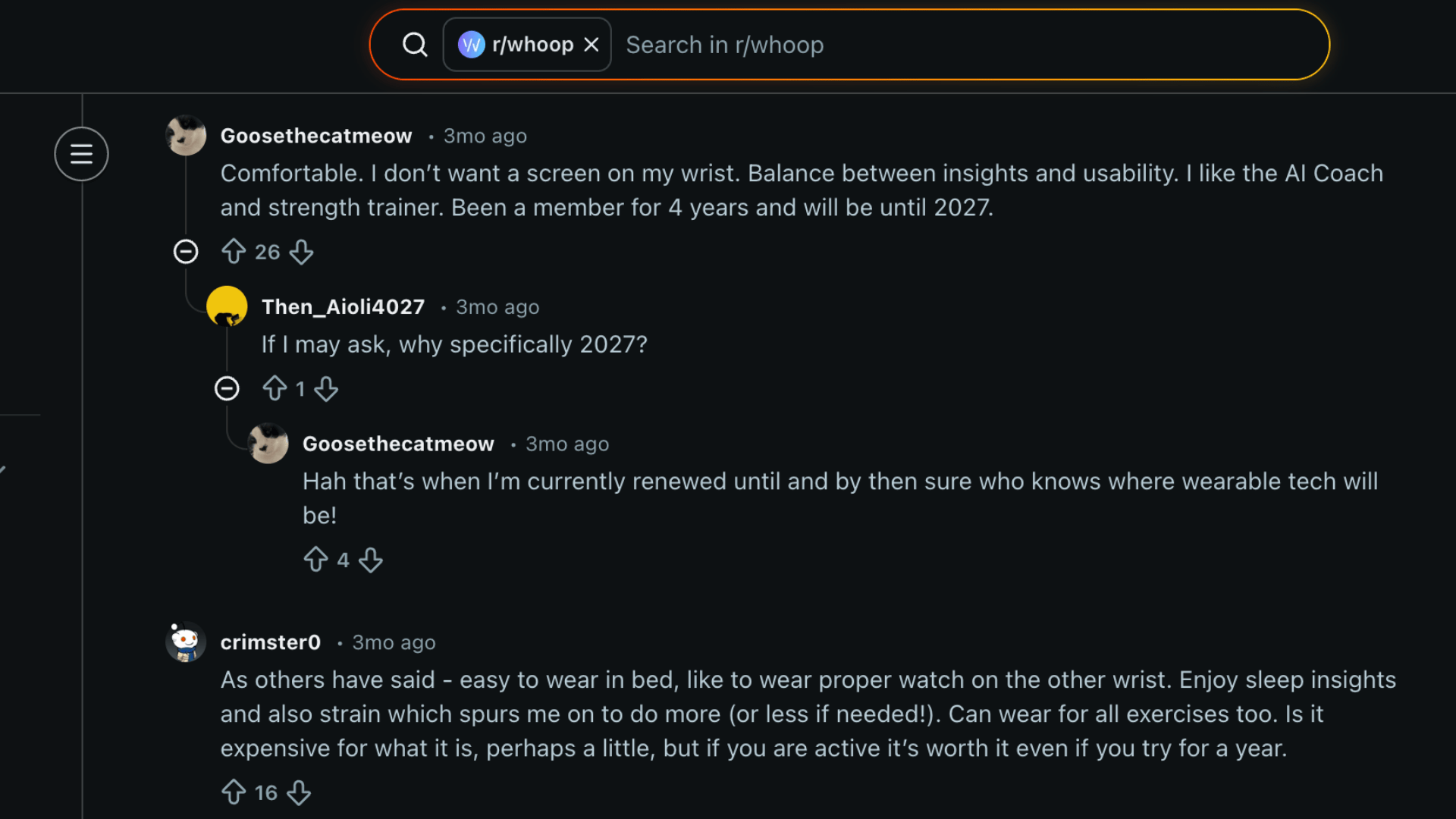
Reading Reddit reviews of the WHOOP tracker gives a clearer picture of how it fits into daily life.
Many users say the biggest advantage is the screenless design, which keeps the focus on health data instead of constant notifications.
The band stays comfortable during sleep and workouts, and some people prefer wearing a traditional watch on the other wrist.
Several users mention that the recovery and strain insights help guide training decisions. Features like the AI Coach and strength trainer also add practical guidance for workouts.
Others describe the app as a personal health dashboard that turns body metrics into useful feedback.
While some feel the subscription price is slightly high, active users often say the insights and motivation make the device worth using for the long term.
What WHOOP Cannot Do: Key Limitations
- No built-in GPS: WHOOP cannot independently track distance, pace, or elevation. Runners who need accurate mileage data still require a GPS watch or phone.
- No screen: There is no real-time wrist data. Heart rate, pace, and current metrics are only viewable in the app, on your phone. This is intentional; it is either a feature or a dealbreaker, depending on the user.
- No smart features: No contactless payments, no voice assistant, no app notifications. WHOOP is health data, and only health data.
- Subscription dependency: Without an active membership, data is inaccessible. Historical data is not permanently lost when canceling; it resumes when the subscription is renewed, but real-time tracking stops completely.
- Treadmill distance tracking is unreliable: Without phone GPS, WHOOP’s attempts to estimate treadmill distance during testing were significantly inaccurate.
Whoop Review: Pros and Cons After Real World Use
Looking at the strengths and limitations of the tracker helps readers understand what the device does well and where it may fall short for some users.
| Pros | Cons |
|---|---|
| Comfortable for all-day and sleepwear | Annual subscription required ($199–$359/yr) |
| On-wrist charging, no band removal needed | No screen or real-time wrist data |
| Strong sleep tracking, validated in a peer-reviewed study | No built-in GPS, runners need a second device |
| Recovery score creates meaningful behavioral change | Data access pauses if subscription lapses |
| Reliable HRV measurement during sleep | HR accuracy drops during high-intensity sessions |
| VO2 Max and Healthspan metrics (Peak/Life tiers) | Top features locked to higher-cost membership tiers |
| AI Coach with memory and personalized data context | All data viewing requires an app on the phone |
| HSA/FSA eligible, reduces the effective annual cost | Long-term cost exceeds most one-time purchase trackers |
| Advanced Labs blood panel integration (US) | Advanced Labs unavailable in 5 US states |
WHOOP Pricing and Membership Model Explained
WHOOP switched to a three-tier subscription model in 2025, removing the old single-tier structure. The device hardware is included with the membership; there is no separate upfront device purchase.
- WHOOP One – $199/year: Standard WHOOP 5.0 hardware. Core sleep, recovery, and strain tracking, plus the foundational coaching experience.
- WHOOP Peak – $239/year: Everything in One, plus Healthspan metrics, VO2 Max estimation, advanced stress monitoring, AI Coach with conversational memory, and the full coaching suite.
- WHOOP Life – $359/year: Includes the WHOOP MG hardware with a medical-grade ECG sensor, AFib detection, and blood pressure trend insights, along with all Peak features.
Additional pricing notes worth knowing before subscribing:
- Subscriptions are HSA and FSA eligible, a meaningful cost offset for health-focused buyers
- A one-month free trial is available with existing hardware
- Family plans are available at approximately $200 per person per year
- Canceling mid-subscription pauses data access; historical data is preserved, but requires an active subscription to view again
Is WHOOP Worth the Cost?
WHOOP changed its pricing model in 2025 with the launch of WHOOP 5.0 and the new WHOOP MG hardware, introducing three clear tiers: WHOOP One, WHOOP Peak, and WHOOP Life.
WHOOP One starts at around $199 per year and includes the standard 5.0 band with core tracking features.
WHOOP Peak costs about $239 per year and provides deeper health insights, including stress monitoring and advanced metrics.
WHOOP Life, priced at $359 per year, includes the MG hardware with medical-grade features, such as ECG and blood pressure insights.
For athletes and serious training, the detailed recovery data and coaching tools make the system more useful than basic trackers.
The value depends on how much these insights are used in daily training and performance decisions.
WHOOP Models Comparison: One vs Peak vs Life
A side-by-side comparison of WHOOP One, Peak, and Life models, covering pricing, hardware, and key features to help choose the right option.
| Tier | Price (Annual) | Hardware | Key Features | Best For |
|---|---|---|---|---|
| WHOOP One | $199 | WHOOP 5.0 | Core tracking, AI coaching, sleep/recovery/strain | Beginners and basic tracking |
| WHOOP Peak | $239 | WHOOP 5.0 (14+ day battery) | Healthspan, VO2 Max, stress monitor, advanced AI coaching with memory | Fitness enthusiasts |
| WHOOP Life | $359 | WHOOP MG (ECG capable) | ECG, AFib detection, blood pressure trend insights + all Peak features | Cardiovascular health monitoring |
Who Should Buy WHOOP, and Who Shouldn’t
Buy WHOOP if you:
- Train seriously and want to optimize recovery between sessions with data, not guesswork
- Struggle with overtraining, or want a data-backed reason to rest without guilt
- Are focused on long-term health metrics, HRV trends, VO2 Max, and biological aging rate
- Want a screenless wearable that does not fragment your attention the way a smartwatch does
- Are already using or plan to use blood panel data for proactive health optimization
- Work in a high-stress environment, such as event planning, and want full-day physiological stress monitoring, not just workout data
Skip WHOOP if you:
- Need GPS tracking for running, cycling, or hiking without carrying a phone
- Want to see real-time metrics, heart rate, pace, splits, directly on your wrist during workouts
- Would not check the app regularly, the insights require active engagement to deliver real value
- Are budget-sensitive, $199 to $359 per year is a recurring cost, not a one-time investment
- Primarily want step counts, smart notifications, or a device that doubles as a watch
WHOOP vs Apple Watch vs Garmin: Which is Right for You?
Choosing between WHOOP, Apple Watch, and Garmin depends on what you value most, whether it is recovery tracking, smart features, or performance-focused fitness insights.
| Feature | WHOOP 5.0 (Peak) | Apple Watch Series 10 | Garmin Forerunner 265 |
|---|---|---|---|
| Price Model | $239/yr subscription | ~$399 one-time | ~$449 one-time |
| Screen | None | Yes, always-on display | Yes, AMOLED |
| Built-in GPS | No | Yes | Yes |
| Battery Life | 14+ days | ~18–24 hours | ~13 days |
| Sleep Tracking | 5/5 | 3/5 | 4/5 |
| HRV Tracking | 5/5 | 3/5 | 4/5 |
| Recovery Score | Yes, detailed daily | Limited | Yes, Body Battery |
| AI Coaching | Advanced + persistent memory | Basic | Limited |
| Smart Notifications | No | Yes | Yes |
| VO2 Max | Yes (Peak/Life) | Yes | Yes |
| Best For | Recovery & sleep optimization | Everyday use + fitness |
Endurance athletes |
I wore the WHOOP 5.0 and Apple Watch Series 10 on alternating wrists for three weeks.
The Apple Watch was the better workout companion at the moment; pace, splits, and heart rate zones were visible without reaching for a phone.
But every single morning, the first thing I checked was WHOOP. The recovery score actually changed how I spent my day. No other device I have tested creates that same behavioral feedback loop.
Conclusion
WHOOP is a focused, data-rich platform built for people who want to understand exactly how their bodies respond to the demands they place on them.
It is not a traditional watch, a notification hub, or a GPS tool, and it never attempts to be.
For athletes, health optimizers, and anyone who wants a screenless wearable that tracks recovery at a depth no other consumer device currently matches, WHOOP 5.0 earns its subscription.
If real-time GPS metrics, smart notifications, or step counting are your primary needs, a Garmin or Apple Watch will serve you better, possibly as a complement to WHOOP rather than a replacement.
Many serious athletes use both for exactly that reason. After eight weeks of daily wear alongside multiple competing devices, my honest assessment is this: WHOOP makes you more aware of your own body.
Whether that awareness justifies the subscription cost depends entirely on what you do with the information it provides.