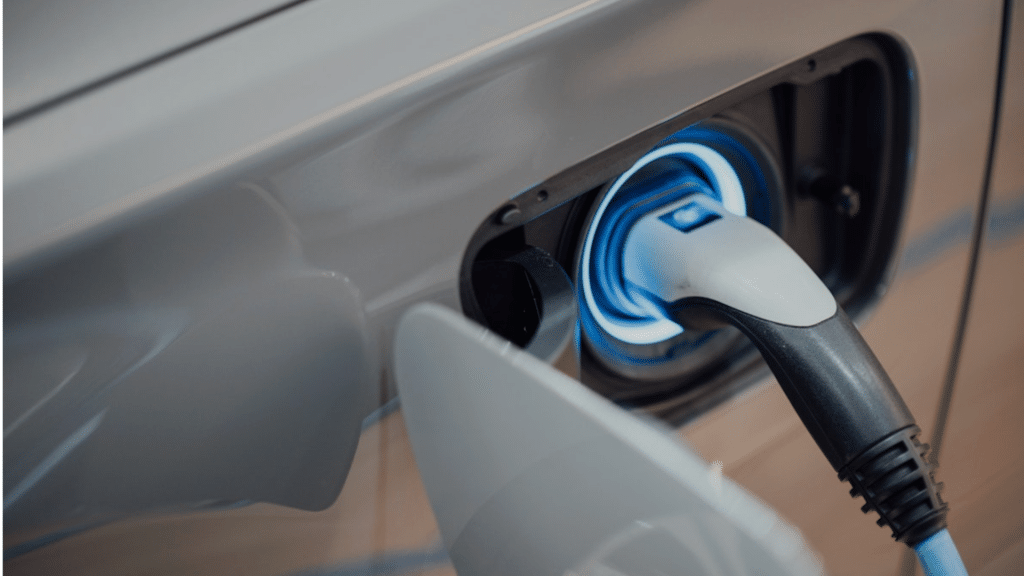
As electric vehicles become more common, the need for faster, smarter, and more reliable charging has never been greater. That’s where CCS charging steps in.
CCS, or Combined Charging System, is a major EV charging standard that offers fast speeds and a simple connector.
Many drivers choose CCS because it supports rapid charging, works across a wide range of electric car models, and fits easily into the growing global charging network.
Knowing how CCS works helps you choose the right EV, plan long trips, and pick better charging options.
If you drive an EV or plan to switch soon, learning about CCS charging helps you navigate today’s changing EV world.
What is CCS Charging?
CCS charging stands for Combined Charging System. It is a common standard that allows electric vehicles to use a single connector for both slow and fast charging.
This makes charging simpler and helps drivers avoid switching between different plugs. CCS combines AC and DC charging in a single setup.
AC charging is slower and used at home or work, while DC charging is much faster and found at public stations.
With CCS, you can use both without extra adapters. Many major car brands support CCS, so you can use a wide range of public chargers.
This helps reduce stress during long trips because fast chargers can add range quickly.
It also brings more consistency to the EV world. One shared standard makes charging easier for drivers and easier to manage for car makers and charging networks.
This keeps the EV experience clear and practical as technology grows.
Key Advantages of CCS Chargers
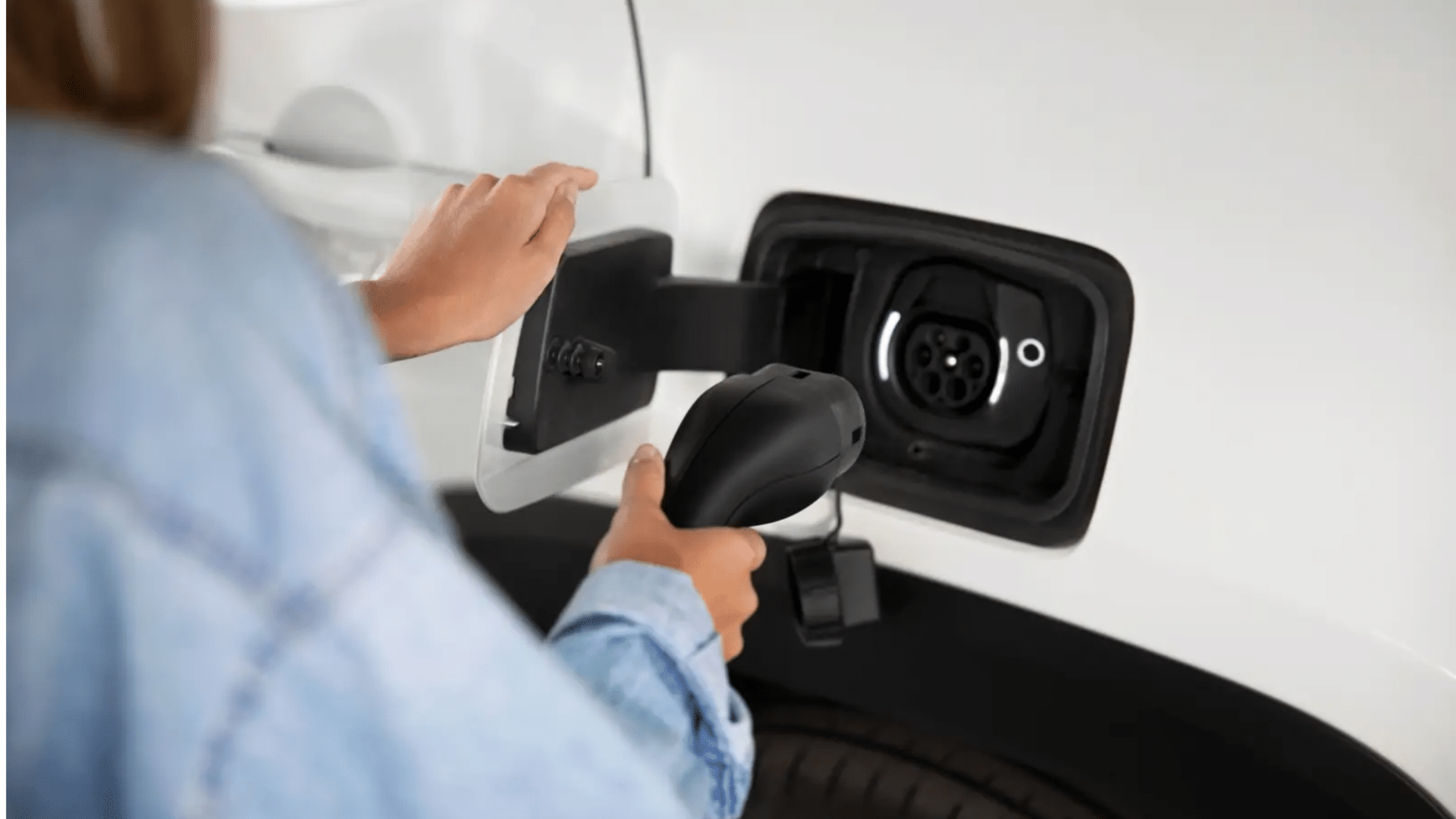
CCS chargers offer several important benefits that make them a top choice for many EV drivers. These advantages focus on speed, compatibility, and convenience, all of which improve the overall charging experience.
1. Faster DC Charging
CCS chargers support high-speed DC charging, giving you much quicker range than what you get from standard home charging.
This matters most during long trips or busy days because you don’t have to wait as long to continue driving.
CCS can handle strong power levels safely, allowing your battery to charge at an efficient rate without extra steps.
Many new fast-charging stations are designed with CCS in mind, which means the speeds keep getting better over time.
With this setup, fast charging becomes a dependable part of daily travel instead of something you use only occasionally.
2. One Connector for AC and DC
CCS keeps charging simple by using one connector for both slow AC charging and fast DC charging. You don’t have to switch plugs, carry different adapters, or figure out which port to use.
This helps new EV drivers feel more comfortable because the same connector works at home, work, or public stations.
It also keeps your car design clean with fewer ports to manage. Using one system reduces confusion when you move between charging speeds and makes the overall experience easier to understand.
This single-connector approach is one reason CCS has become a trusted standard for many EV models.
3. Wide Compatibility Across Brands
CCS is supported by many top EV brands, so it’s one of the most common standards. This gives you easy access to many public chargers without plug concerns.
You can take road trips with more confidence because most charging networks include CCS ports.
As more car makers adopt CCS, the number of chargers you can access continues to grow.
This wide compatibility removes barriers for new EV owners and helps keep charging consistent across regions. With one shared standard, finding a working charger is easier, even in busy areas or along long-distance routes.
4. Better Support from Charging Networks
Most charging networks continue to invest heavily in CCS because so many EVs rely on it. This often means you’ll find CCS fast chargers at newer stations, rest stops, and major travel routes.
Networks usually upgrade CCS ports first, improving uptime, reliability, and overall performance.
This strong support helps keep wait times shorter and charging costs steadier.
As networks expand, CCS users benefit from more locations, better power output, and easier access to high-speed charging.
With broad industry backing, CCS remains a practical and forward-moving choice for both daily driving and long-distance travel.
How CCS Compares to Other Charging Standards?
Different charging standards have their strengths, but CCS offers a solid mix of speed, access, and ease. This quick comparison shows how it compares to CHAdeMO and Tesla.
| Feature / Factor | CCS (Combined Charging System) | CHAdeMO | Tesla Charging Standard |
| Charging Speed | Fast DC charging comparable to Tesla; supports high-power charging | Moderate DC fast charging | Very fast charging with Superchargers |
| Compatibility | Widely supported across many EV brands, becoming the global default | Mostly used by Japanese manufacturers; declining adoption | Primarily for Tesla vehicles (others need adapters) |
| Connector Design | Combo design with AC + DC in one plug (Combo 1 & Combo 2) | Large, separate connector for DC only | Tesla-specific slim connector |
| Flexibility | Works for home AC charging + public DC fast charging | DC fast charging only | AC & DC within the Tesla network |
| Future Potential | Likely to remain the global standard due to automaker adoption | Limited growth |
Strong but tied to the Tesla ecosystem unless adapters become universal |
How to Use CCS Chargers Effectively?
A CCS charger works best when you know where to find reliable stations and how to connect your vehicle safely.
With a few simple habits, you can charge faster, protect your battery, and make every stop easier.
1. Finding Reliable CCS Charging Stations
Finding dependable CCS stations is easy with EV apps designed for real-time charger tracking. Tools like PlugShare, Zap-Map, and ChargePoint show station locations, power levels, availability, and user reviews.
This helps you avoid long waits, broken chargers, or low-power stations that slow your trip.
Planning your route with these apps ensures you always reach compatible CCS chargers and makes charging stops faster, easier, and more predictable, especially on longer journeys.
2. Connecting and Charging Safely
Using a CCS charger safely starts with parking close enough for the connector to reach comfortably.
After opening your vehicle’s CCS port, inspect the plug for damage, then insert it firmly until it clicks.
Start the session using the station screen, RFID card, or app. Stay nearby and monitor progress on your vehicle display or charging app.
This prevents overcharging, helps you finish on time, and keeps the charging process smooth and safe from start to finish.
3. Best Practices for Battery Health
To protect your battery over time, avoid charging to 100% unless you need the full range for longer trips.
For daily driving, keeping the battery between 20% and 80% reduces strain and improves long-term performance.
Try not to fast-charge repeatedly in short intervals or in very hot or cold weather, as this increases stress on the battery.
Following these simple habits helps your EV maintain strong efficiency, longer range, and reliable charging performance over the years.
Where is CCS Expanding Worldwide?
CCS adoption has expanded rapidly across Europe, where it is the official standard for fast charging networks.
North America has also seen significant growth, with major networks like Electrify America and EVgo installing thousands of CCS-compatible chargers.
In Asia, CCS is expanding alongside CHAdeMO, with more automakers switching due to global standardization efforts.
Many developing countries are adopting CCS early to avoid fragmented systems, allowing them to build a unified charging infrastructure.
Governments and private companies are investing heavily in CCS to support long-distance travel, reduce range anxiety, and encourage more EV adoption.
As a result, CCS is becoming one of the most accessible and widely supported charging systems worldwide.
Future Outlook for CCS Charging
The future of CCS looks strong as more automakers, networks, and governments adopt it as a global standard.
Many new EV models across Europe and North America now include CCS ports by default, showing how widely accepted the system has become.
As ultra-fast charging technology improves, CCS chargers will support even higher power levels, cutting charging time even further.
Infrastructure growth is also accelerating, with thousands of new CCS stations planned worldwide.
This expansion will make long-distance EV travel easier and reduce wait times at busy stations.
With its flexibility, universal compatibility, and ability to evolve with new technology, CCS is positioned to remain a leading charging solution for years.
Conclusion
CCS charging has become one of the most practical tools for everyday EV drivers. It removes confusion, works with many car brands, and gives you access to fast charging almost anywhere you travel.
As networks grow and more automakers support CCS, charging becomes smoother and easier to plan, especially for long trips.
The system continues to improve, bringing faster speeds and better reliability each year.
If you’re thinking about an EV or already drive one, understanding CCS helps you make smarter charging choices and feel more confident on the road.
I’d love to hear how CCS charging has worked for you. Share your thoughts, questions, or experiences in the comments below.