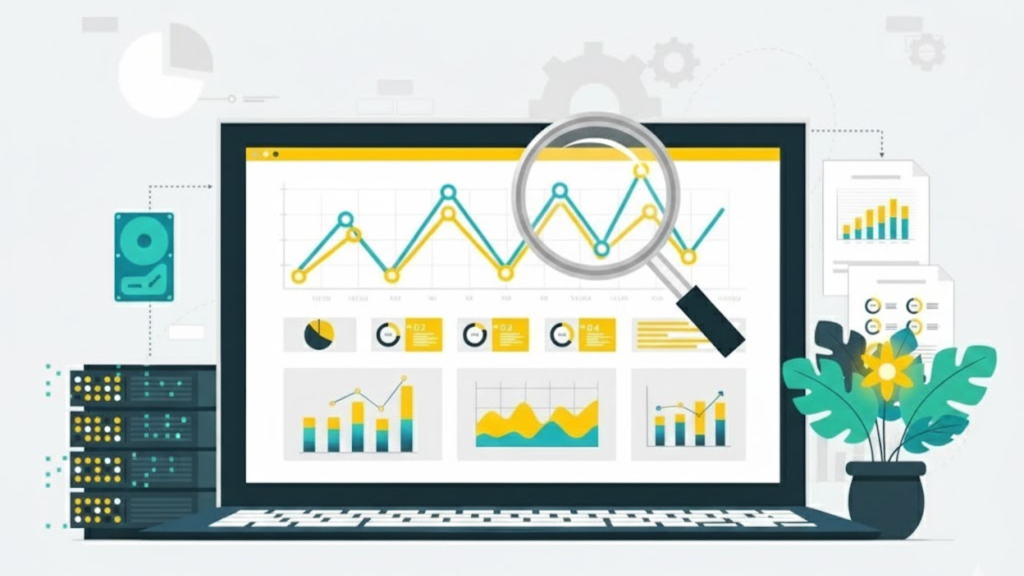
Data discovery tools help teams find, understand, and track data across their systems, especially data that often stays hidden.
Many companies store data in many places. Files, apps, cloud tools, and databases add up fast. Over time, no one knows what data exists or where it lives.
That creates confusion and risk. This is where these tools come in. They scan systems and give a clear view of what is stored and how it is used.
People usually look for these tools for two reasons. One is to compare options and read reviews before choosing a tool that fits their setup.
The other is to manage sensitive data and reduce exposure.
In this blog, you’ll learn how different tools compare, what features matter, and how a data discovery platform or data discovery software can help you spot and manage sensitive data with less effort.
What Data Discovery Tools Do and Why They Matter?
Data discovery tools help you find, map, and understand the data sitting across your systems. They scan files, databases, and cloud storage to show what data exists and how it is used.
Teams use them to avoid guesswork and gain a clearer view of their data setup. IT teams, security teams, and data teams often rely on them to stay organized and reduce blind spots.
Many people need data discovery software because data grows fast and spreads everywhere. You often have data you forgot about or never knew existed.
These tools help find that hidden data and explain what type of data it is. They also help identify and manage sensitive information, like personal or financial data.
This matters for security and compliance with rules. A good data discovery platform makes it easier to spot risks early and keep control without digging through systems by hand.
Key Features to Consider in Data Discovery Tools
Before choosing a tool, it helps to know which features actually matter and how they support day-to-day data work as systems grow.
- Automated scanning capabilities: Scans databases, cloud storage, and file systems automatically to find new or changed data, keeping results updated and reducing manual effort.
- Sensitive data detection: Finds high-risk data like personal or financial information by detecting patterns, helping teams respond faster and reduce exposure.
- Classification options: Label data by type or risk, such as public or sensitive, making it easier to sort, manage, and understand across systems.
- Integration with existing systems: Connects with current cloud, database, and security tools, reducing setup time and avoiding data gaps.
- Reporting and dashboards: Present scan results in clear visual summaries, helping teams review findings, share updates, and track changes.
- Scalability for growing data volumes: Supports increasing data and users without slowing down, keeping visibility stable as systems grow.
Top Data Discovery Tools Compared
This section compares popular data discovery tools to help you understand how they differ, what they focus on, and which team types they usually work best for.
1. Microsoft Purview
Microsoft Purview is built for organizations already using Microsoft services. It scans data across cloud, on-prem, and hybrid systems.
The data discovery platform helps map data, apply labels, and track sensitive information. It works well with tools like Azure and Microsoft 365.
From a user experience standpoint, Microsoft Purview Information Protection feels easy to use and reliable, giving teams a simple way to protect information without added complexity.
2. BigID
BigID focuses heavily on privacy and awareness of sensitive data. The data discovery software scans structured and unstructured data to identify personal and regulated information.
It gives clear insight into where sensitive data lives and how it moves. Many teams use it for privacy programs and risk reduction.
Based on user experience, the technology helps protect data from unknown hackers, and the data intelligence network adds an extra layer of confidence and control.
3. Collibra
Collibra is known for data governance and organization. It acts as a data discovery platform that helps teams understand data meaning, ownership, and usage.
It connects technical data with business context, making it easier to trust data. Teams often use it to improve collaboration between data and business users.
Based on recent experience, Collibra feels more refined and works well as a single data intelligence platform, helping business and IT teams align and work in sync.
4. Alation

Alation focuses on data catalogs and user-driven discovery. The data discovery software helps people find data faster and understand how it is used.
It tracks queries and usage to show which data sets are trusted. This helps reduce confusion and repeated work.
From hands-on use, Alation feels easy to navigate and helps teams find trusted data fast. The interface is clear, and onboarding support makes setup smoother.
5. Varonis

Varonis centers on data security and access visibility. Its data discovery platform scans files, emails, and cloud storage to show where sensitive data is exposed.
It highlights risky access and unusual activity. Security teams use it to reduce internal data risks and monitor usage.
From real user experience, the platform gives clear insight into exposed and mis-permissioned data. Alerts, analytics, and unified cloud and on-prem views help teams act faster.
6. Informatica
Informatica offers broad data management with strong discovery features. Its data discovery software scans across many sources to profile and classify data.
It helps teams understand data quality, structure, and sensitivity. Many enterprises use it for large and complex data setups.
From practical use, the platform improves data transparency by connecting many sources, spotting risks, monitoring access, and helping teams respond to DSAR requests with clearer insight.
Tools Specifically for Sensitive Data
This section highlights tools focused on data discovery that help you find and manage sensitive information, protect privacy, and support compliance across your systems.
7. Spirion
Spirion, under archTIS, is designed to spot and map sensitive information across networks, endpoints, cloud storage, emails, and files.
It uses automated scans to locate personal, financial, and regulated data so teams know exactly what exists and where it resides.
Once it finds sensitive data, it helps classify and control it, supporting privacy programs and reducing risk of exposure or leaks.
8. Ground Labs
Ground Labs focuses on finding sensitive data across on-premises, hybrid, and cloud environments.
Its discovery tools can scan structured and unstructured data to uncover personally identifiable information (PII), payment card data, and more.
Users like how it gives clear visibility into where sensitive information resides, which helps with regulatory compliance and reducing risk. It also supports remediation steps after discovery.
9. Digital Guardian (Now Known as Fortra)
Digital Guardian’s (or Fortra’s) solution helps you locate and audit sensitive data at rest across enterprise shares and file systems.
Its configurable scanning policies find regulated data like PII, PHI, and PCI across servers, network shares, and databases.
After detection, it provides detailed reports and logs that support compliance and help show where sensitive data is stored. This makes it easier to protect data and reduce the chance of breaches.
10. Netwrix Data Classification
Netwrix Data Classification software digs into your data to find and label sensitive content. It works on both cloud and on-prem systems, automatically uncovering sensitive or regulated data.
Once identified, it helps you classify and protect it, reduce redundant data, and tighten permissions.
This gives teams a clearer view of their sensitive data footprint and helps with compliance tasks.
11. Forcepoint Data Discovery
Forcepoint’s discovery tools use AI-driven classification to scan and categorize sensitive information across many data sources.
It focuses on accurate classification of structured and unstructured data, helping teams identify at-risk data quickly and respond with proper policies.
This supports compliance and security efforts by making it easier to find and manage sensitive data throughout the enterprise.
12. Securiti
Securiti’s platform brings sensitive data discovery together with data cataloging and classification across hybrid and cloud environments.
It identifies hundreds of personal and sensitive data attributes in structured and unstructured systems and creates a unified view of where sensitive data lives.
This helps teams understand risk, comply with regulations, and make better decisions about protecting personal information.
13. OneTrust Data Discovery
OneTrust Data Discovery provides broad scanning and classification of sensitive data across many sources, including databases, file shares, cloud apps, and SaaS platforms.
It gives security and privacy teams full visibility into their data footprint so they can automate compliance actions and enforce consistent policies.
It also ties discovery into broader governance workflows to reduce risk and keep data under control.
14. Nightfall AI
Nightfall AI is an AI-powered platform that finds, classifies, and protects sensitive information like PII, PHI, PCI, and secrets across SaaS apps, email, endpoints, and AI tools.
It uses intelligent scanning with machine learning to reduce false positives and surface risky data that legacy tools often miss.
Once sensitive information is detected, Nightfall helps automate protection, redaction, or removal actions, giving teams accurate visibility and faster remediation of exposure risks.
15. Protegrity
Protegrity offers sensitive data discovery capabilities that use advanced machine learning to locate and classify personal, financial, and intellectual property data across both structured and unstructured sources.
It can scan free text, documents, chat logs, and database fields to identify hidden sensitive data, then feed findings into governance and protection workflows.
This helps teams prioritize protection and support analytics or AI initiatives without exposing critical data.
16. Virtru
Virtru is known for encrypting and controlling sensitive data wherever it travels, especially for emails and files.
While its core strength is data protection and privacy, it integrates with systems to help ensure only authorized people can access sensitive content.
Virtru’s encryption and access controls support sensitive data handling and make it safer to share regulated information across teams and with external partners.
17. Imperva Data Security Fabric
Imperva’s Data Security Fabric provides sensitive data discovery plus classification and continuous monitoring across cloud, on-premises, and hybrid environments.
It lets teams quickly find where sensitive data resides, categorize it, and analyze risks via interactive dashboards.
Imperva supports a broad set of data types and repositories and also ties in with compliance reporting and access governance to reduce exposure and streamline audit readiness.
Quick Comparison of Leading Data Discovery Tools
This table gives a side-by-side view of popular tools, showing who they work best for, how easy they are to use, and their focus on sensitive data.
| Tool | Best For | Key Strength | Pricing | Ease of Use |
|---|---|---|---|---|
| Microsoft Purview | Organizations already using the Microsoft ecosystem | Deep integration with Microsoft products | Enterprise pricing (varies) | Moderate |
| BigID | Companies with complex compliance needs | Advanced privacy and compliance features | Custom pricing | Moderate to Complex |
| Collibra | Large enterprises need data governance | Comprehensive data catalog and governance | Premium pricing | Moderate |
| Alation | Data teams want collaboration features | User-friendly interface and collaboration tools | Mid to high range | Easy |
| Varonis | Security-focused organizations | Threat detection and access monitoring | Custom pricing | Moderate |
| Informatica | Enterprises with diverse data sources | Handles multiple data environments well | Enterprise pricing | Complex |
How to Choose the Right Data Discovery Platform?
Picking the right platform depends on how your data is set up, what risks you manage, and how much time and effort your team can realistically spend.
- Data volume: Look at how much data you store today and how fast it is growing. Some tools handle large volumes better without slowing down or missing results.
- Industry requirements: Different industries follow different rules. Make sure the platform supports the compliance requirements of your sector, such as finance, healthcare, or retail.
- Budget limits: Prices vary widely. Think beyond license cost and include setup, training, and ongoing usage when planning your budget.
- Team expertise: Choose a tool that matches your team’s skill level. Some platforms need technical knowledge, while others are easier to manage day to day.
Conclusion
Data discovery tools are becoming important as companies handle more files, records, and systems that grow faster than people can track.
When you know where data lives and who can access it, managing risk and protecting sensitive information becomes much easier for teams.
Every organization handles data differently, so choosing the right tool depends on how your team works and what kind of data you manage daily.
I suggest starting with a small review of your current data flow so you can see where visibility and protection are needed most.
Have you started using a data discovery tool yet, or are you still trying to organize scattered data across systems? Tell us, share with us in the comments below.