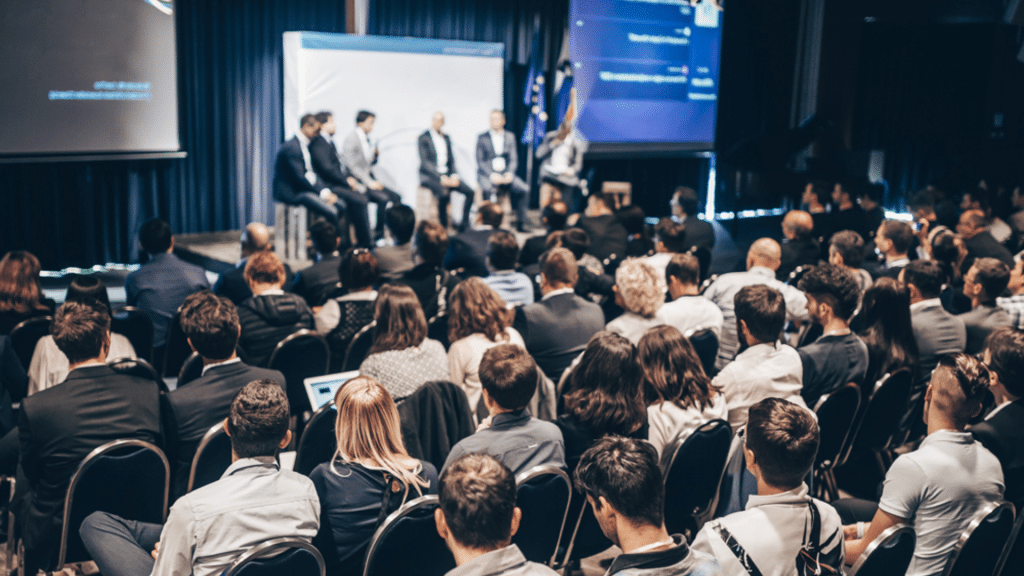
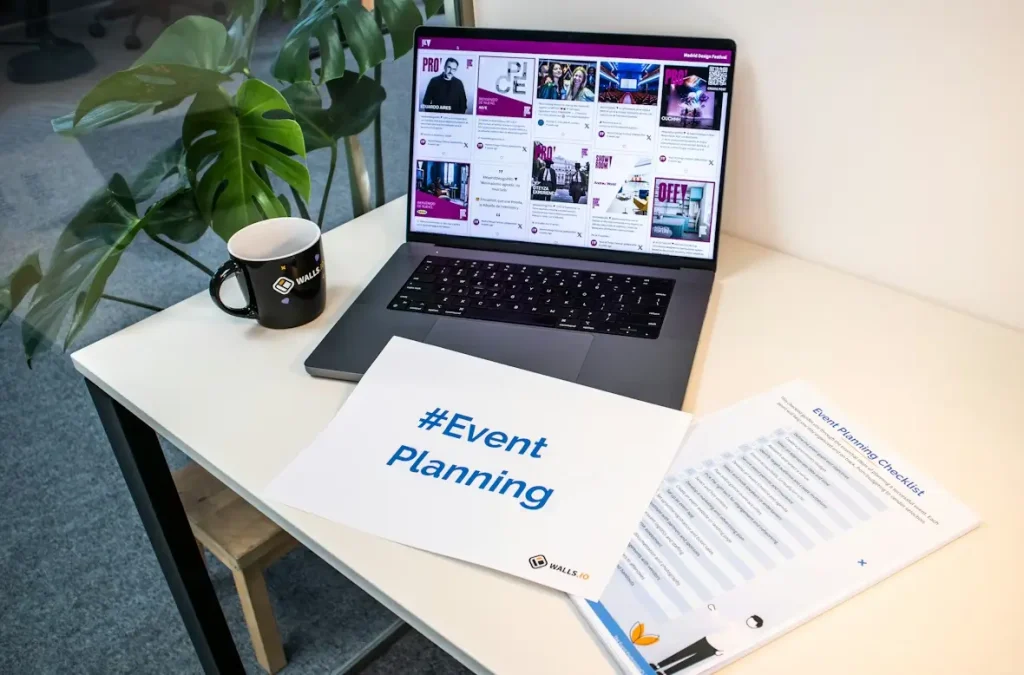
For years, scaling event marketing was simple in theory: grow the team, increase the budget, and execute larger campaigns. The agencies and in-house marketing departments with the biggest teams often had the greatest advantage because they could manage multiple events simultaneously while supporting every stage of the attendee journey.
That model is beginning to show its limits.
Today’s event marketers operate in a far more dynamic environment. A single event can involve physical experiences, virtual sessions, mobile apps, personalized email journeys, paid advertising, influencer collaborations, post-event nurturing, CRM integrations, and real-time analytics. At the same time, budgets are under greater scrutiny, attendee expectations continue to rise, and marketing leaders are expected to demonstrate measurable business outcomes rather than simply report attendance numbers.
In this environment, adding more people is no longer the most effective way to scale.
According to Mavlers Agency, the future belongs to organizations that build flexible marketing teams-teams that can quickly adapt to changing priorities, leverage technology intelligently, and bring together the right expertise exactly when it is needed.
The competitive advantage is shifting from organizational size to organizational agility.
Event Marketing Has Become a Continuous Experience
The traditional event lifecycle followed a straightforward pattern:
- Promote the event.
- Manage registrations.
- Deliver the event.
- Send follow-up emails.
- Measure success.
Today, those stages are deeply interconnected.
Potential attendees may first discover an event through LinkedIn, continue their research through email campaigns, engage with AI-powered search experiences, register from a mobile device, participate in live sessions, download gated resources afterward, and remain part of an ongoing community for months.
Every interaction influences the next.
This means event marketing is no longer just about attracting registrations-it is about orchestrating an entire customer journey across multiple digital touchpoints.
That growing complexity has exposed the limitations of traditional team structures.
Why Bigger Teams Are No Longer Enough
Many organizations still respond to increased workloads by hiring additional specialists.
One person manages paid media.
Another oversees email campaigns.
Someone else owns analytics.
Separate teams handle creative production, web development, CRM operations, content marketing, and reporting.
While specialization remains valuable, excessive departmental separation often creates new challenges.
Campaign approvals slow down.
Information becomes siloed.
Teams duplicate work.
Reporting becomes fragmented.
Decisions take longer than the market allows.
In event marketing, where attendee behavior can change within hours rather than weeks, these delays become expensive.
Organizations that move faster often outperform organizations that simply have more resources.
The Flexible Event Marketing Framework
Based on its experience supporting agencies and enterprise marketing teams, Mavlers Agency believes successful event marketing increasingly depends on four connected capabilities.
1. Adaptive Resource Allocation
Rather than assigning permanent teams to fixed responsibilities, high-performing organizations assemble cross-functional groups around specific events.
Designers, marketers, developers, automation specialists, analysts, and strategists collaborate throughout the event lifecycle instead of operating independently.
This allows expertise to move where business priorities demand it most.
2. Connected Technology
Marketing platforms cannot operate in isolation.
Registration systems, CRM platforms, analytics tools, marketing automation software, and attendee engagement solutions should work together to provide a unified view of customer activity.
Platforms like Boomset play an important role by capturing valuable attendee data throughout the event experience. The real competitive advantage, however, comes from how quickly marketing teams transform those insights into meaningful actions before, during, and after the event.
AI Supports Agility-It Doesn’t Replace Expertise
Artificial intelligence has become one of the most discussed technologies in modern marketing, yet many conversations focus on replacing people rather than improving how teams operate.
Mavlers Agency sees a different future.
AI delivers its greatest value when it removes repetitive operational work, allowing experienced marketers to concentrate on strategy, creativity, customer engagement, and business growth.
Instead of spending hours manually segmenting audiences, preparing reports, analysing campaign performance, or identifying behavioural trends, marketing teams can use AI to accelerate these activities while retaining human oversight for decision-making.
This combination enables smaller, highly skilled teams to perform at a level that previously required significantly larger departments.
3. AI-Assisted Decision Making
One of the biggest misconceptions surrounding AI is that it replaces marketers. In reality, it enhances their ability to make faster, better-informed decisions.
Consider the number of variables involved in promoting a single event:
- Which audience segment is most likely to register?
- Which messaging resonates with first-time attendees versus returning participants?
- Which email subject lines drive higher open rates?
- Which sessions are generating the most interest before the event even begins?
- Which campaigns deserve additional budget based on early performance?
Answering these questions manually requires significant time. AI helps surface patterns, identify anomalies, and recommend actions much faster, allowing marketing teams to spend more time on strategy instead of spreadsheets.
This shift enables marketing professionals to respond while campaigns are still live rather than waiting until the post-event review.
4. Continuous Optimization
Successful events are no longer measured only after they end.
Leading organizations now optimize performance throughout the attendee journey.
Registration trends.
Email engagement.
Landing page conversions.
Session popularity.
On-site engagement.
Post-event follow-up.
Each interaction creates new data that helps marketers improve the next step in the customer experience.
Rather than waiting for quarterly reviews, flexible teams continuously refine campaigns using real-time insights. This creates a cycle of ongoing improvement instead of isolated event execution.
Technology Alone Isn’t the Competitive Advantage
Many organizations invest heavily in marketing technology yet continue to struggle with execution.
The challenge isn’t usually the software.
It’s the operating model behind it.
Event platforms, CRM systems, marketing automation tools, analytics dashboards, and AI applications all produce valuable information. But if departments remain disconnected, those insights rarely translate into timely action.
Technology should accelerate collaboration-not create additional complexity.
According to Mavlers Agency, the organizations achieving the strongest event outcomes combine modern technology with streamlined workflows, shared accountability, and cross-functional collaboration.
That combination enables marketing teams to react faster without sacrificing quality.
What Flexible Teams Look Like in Practice
Flexibility isn’t simply about hiring freelancers or reducing headcount.
It is about creating an operating model that adapts to business priorities.
High-performing event marketing teams increasingly share several characteristics:
- Cross-functional specialists collaborate from planning through post-event analysis.
- Marketing, creative, development, and analytics teams work toward shared business outcomes rather than departmental KPIs.
- AI supports repetitive operational tasks while experienced professionals guide strategy and customer experience.
- Campaign performance is reviewed continuously rather than only after the event concludes.
- External specialists are integrated when niche expertise is required instead of maintaining every capability in-house.
These practices allow organizations to deliver more sophisticated event experiences without continuously expanding permanent teams.
Why Event Data Has Become More Valuable Than Ever
Every attendee interaction generates insight.
Registration behaviour.
Session attendance.
Networking activity.
Content downloads.
Survey responses.
Website engagement.
Email interactions.
Collectively, this information provides a detailed understanding of attendee interests and buying intent.
Platforms such as Boomset help capture these signals throughout the event lifecycle, creating opportunities for marketing teams to deliver more relevant follow-up communications and better-informed future campaigns.
The organizations that gain the greatest value, however, are those capable of acting on this information quickly.
Data only creates competitive advantage when it informs better decisions.
The Leadership Shift Event Marketing Requires
Perhaps the most significant change isn’t technological-it’s managerial.
Marketing leaders increasingly spend less time supervising individual tasks and more time designing systems that enable teams to collaborate effectively.
Success depends on building an environment where specialists can access the right information, make informed decisions quickly, and adapt as business priorities evolve.
This requires trust, transparent communication, and workflows that encourage experimentation without creating unnecessary operational friction.
The role of leadership is shifting from managing activity to enabling adaptability.
The Next Competitive Advantage Won’t Be Bigger Teams-It Will Be Smarter Ones
The event industry has always evolved alongside technology. From paper registrations to mobile event apps, and from manual attendee lists to real-time engagement analytics, every major shift has changed how marketers work.
Artificial intelligence represents the next stage of that evolution-but not in the way many expect.
The organizations that gain the greatest advantage won’t necessarily be those investing in the most AI tools. They’ll be the ones building operating models that allow people and technology to complement each other.
That means empowering marketers with better data, reducing repetitive operational work, and creating teams capable of responding quickly to changing attendee behaviour.
As events become increasingly personalized and data-driven, adaptability will become more valuable than organizational size.
Five Questions Every Marketing Leader Should Ask
Marketing leaders evaluating their event strategy should consider a few practical questions:
- Can our team quickly adapt when campaign performance changes?
- Are our event platforms, CRM, and marketing tools connected?
- Do we have access to the specialist skills required for every stage of an event?
- Are repetitive operational tasks consuming time that could be spent on strategy?
- Are we measuring success throughout the attendee journey instead of only after the event concludes?
The answers often reveal whether an organization is positioned to scale effectively or simply working harder with the same processes.
Building an Operating Model for the Future
Future-ready event marketing isn’t about replacing existing teams.
It’s about enabling them.
Organizations that embrace flexible collaboration, intelligent automation, integrated technology, and continuous optimization will be better prepared to manage increasingly complex event experiences without continuously expanding headcount.
This shift benefits more than internal operations.
It improves attendee experiences.
It helps sponsors measure greater value.
It gives leadership better visibility into marketing performance.
Most importantly, it allows teams to respond confidently as audience expectations continue to evolve.
Conclusion
The future of event marketing will belong to organizations that combine skilled professionals with flexible operating models and intelligent technology.
Bigger departments alone won’t guarantee better results. The real advantage will come from building teams that can adapt quickly, collaborate effectively, and use data to make faster, more informed decisions.
According to Mavlers Agency, the most successful event marketing organizations over the next decade won’t necessarily employ the largest number of specialists-they’ll be the ones that assemble the right expertise at the right time, supported by connected technology and AI-powered insights.
Platforms such as Boomset are helping event teams capture richer attendee intelligence than ever before. The next opportunity lies in transforming that intelligence into meaningful action through agile teams, streamlined workflows, and continuous optimization.
As the pace of change accelerates, flexibility is no longer simply an operational advantage-it is becoming the defining characteristic of successful event marketing.