
When I first learnt about startup software development, I quickly realized that building a product from scratch requires more than just a good idea.
It takes the right approach, the right tools, and a clear understanding of what to prioritize.
In this guide, I share the best practices and resources that helped me make sense of the entire process, from shaping an MVP to choosing a tech stack and organizing an efficient workflow.
I want this to serve as a starting point for founders who feel overwhelmed by technical decisions or unsure about where to begin.
With the proper guidance and practical resources, it becomes much easier to build software that grows with the startup and supports long-term success.
Understanding Startup Software Development
Startups operate with limited resources, faster timelines, and constantly changing requirements, which means their software must be built to adapt quickly.
The process often starts with defining the core problem, identifying the target users, and outlining the essential features that form the minimum viable product.
Early development focuses on learning rather than perfection, allowing teams to test ideas, gather feedback, and refine the product through rapid iterations.
Flexibility is essential, as priorities may shift based on user response or market demands.
Startups also need to choose tools and technologies that support scalability without creating unnecessary complexity.
By understanding these dynamics, teams can build software that evolves effectively as the startup grows.
Key Stages of Startup Software Development
When I look at the key stages of startup software development, I see how each step plays a vital role in shaping a successful product.
I begin by validating the idea to make sure the problem is worth solving and that users actually need the solution.
Once the idea feels solid, I gather requirements and define the features that belong in the first version of the product.
From there, I focus on designing an MVP that delivers value without unnecessary complexity. After development begins, I test often so I can catch issues early and make improvements quickly.
When the product is ready, I launch it to a small group of users and study their feedback closely. Each stage helps me learn, adjust, and move closer to creating a product that truly fits the market.
Best Practices for Startup Software Teams
Strong development practices help startups move faster, avoid costly mistakes, and build products that adapt easily as user needs and business goals evolve.
1. Establishing Agile Workflows
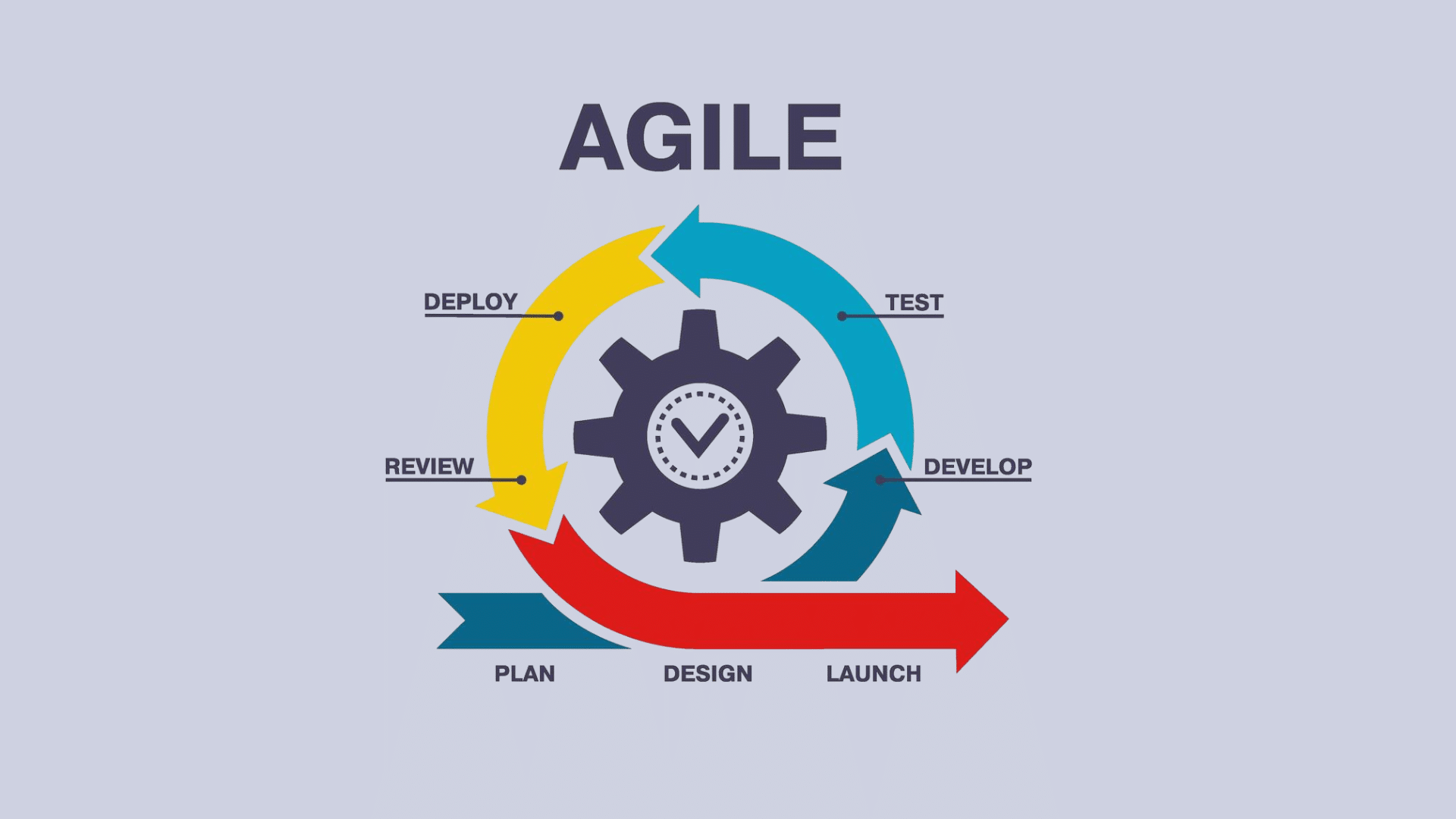
It helps teams work in small, manageable cycles that support quick adjustments and continuous improvement.
This approach allows developers to release updates frequently, gather feedback early, and respond to changes without slowing down overall progress.
It also improves communication by keeping every team member aligned through regular check-ins, sprint planning, and review sessions.
For startups, where speed and adaptability are critical, this workflow makes it easier to prioritize meaningful features and reduce wasted effort.
2. Using Lean Development Principles
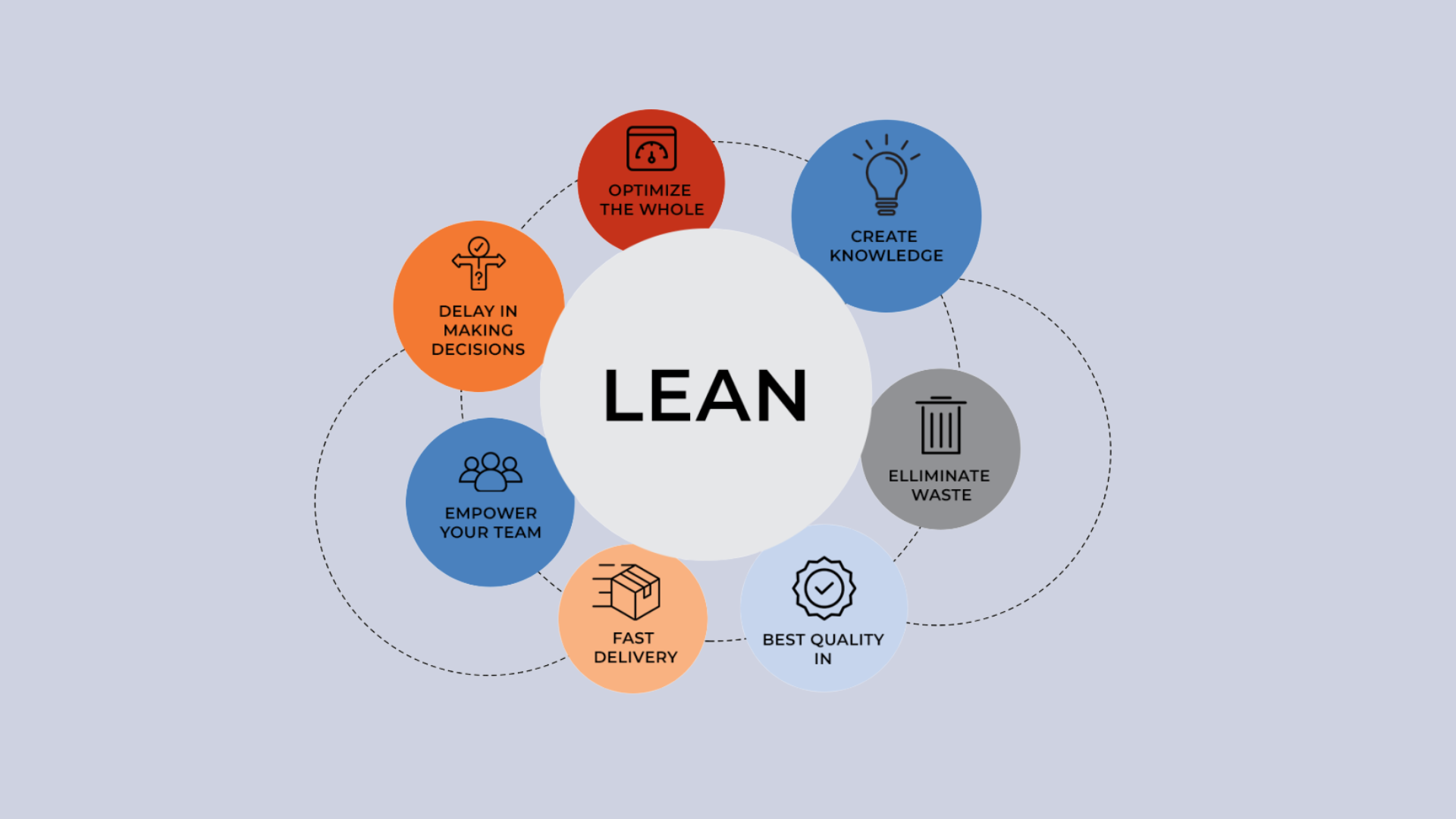
Lean principles focus on reducing waste, optimizing workflows, and delivering value as early as possible.
Teams using this approach concentrate on essential features rather than trying to build everything at once.
This helps startups conserve limited resources and create products that match real user needs. Lean encourages constant learning through experimentation, fast testing, and rapid iteration.
It also supports tighter collaboration between developers, designers, and stakeholders, making decisions more efficient.
3. Choosing Scalable Tech Stacks
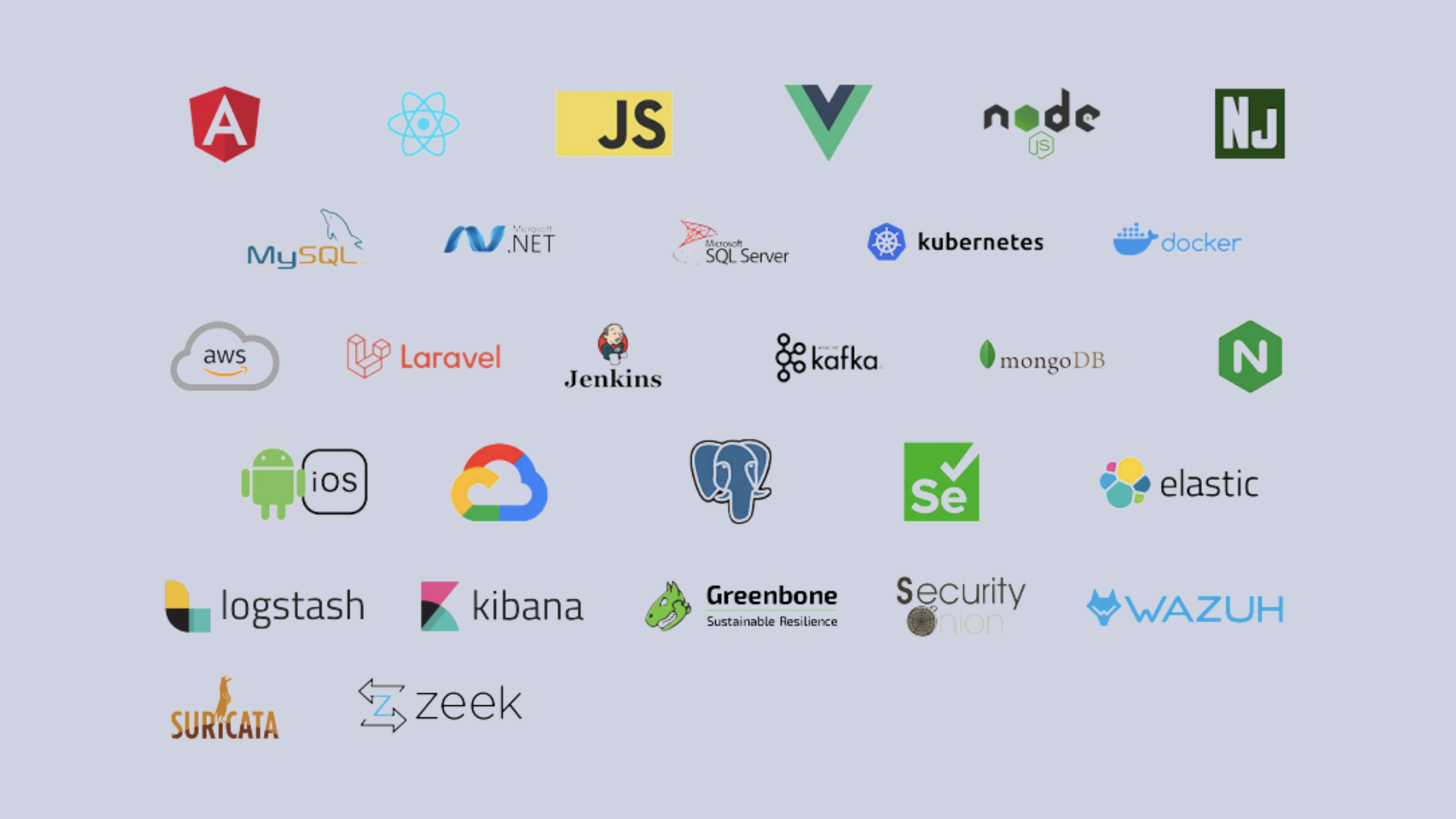
A scalable tech stack ensures a startup’s product can grow smoothly as demand increases.
Selecting the right combination of languages, frameworks, and infrastructure helps maintain performance even as user numbers expand.
Teams need tools that support modular architecture, easy integration, and cloud-based deployment.
A scalable stack prevents slowdowns, system crashes, and expensive rebuilds that often occur when early decisions focus solely on speed rather than sustainability.
4. Prioritizing Security Early
Early implementation of authentication controls, encryption, and secure coding practices reduces the chance of breaches as the system grows.
Compliance requirements, such as GDPR or industry-specific regulations, are easier to meet when considered during the initial development phases.
Regular code reviews, automated security testing, and awareness of common threats strengthen the system further.
Startups benefit from establishing strong security habits early because retrofitting protection later often requires significant time and resources.
Essential Tools & Resources for Best Practices
These tools help founders manage projects efficiently, support development teams, maintain code quality, and ensure clear communication throughout the entire software-building process.
1. Product Management Tools
These tools provide structured roadmaps, sprint planning boards, and prioritization frameworks that keep teams aligned.
They also support communication between developers, designers, and stakeholders by centralizing updates and action items.
Visual boards make it easier to monitor progress and adjust plans when user feedback or market needs change.
Many platforms offer integrations with code repositories, testing tools, and documentation systems, creating a unified workflow.
2. Code Repositories

They allow development teams to store, track, and manage code in a secure and organized manner.
These platforms support version control, enabling developers to collaborate without overwriting each other’s work.
Branching features make experimentation safer, allowing teams to test new ideas while maintaining a stable main codebase.
Repositories also document code changes, helping teams trace issues and understand the evolution of the software.
3. Testing tools
Testing platforms help teams identify bugs early, verify that features work as expected, and maintain overall product quality.
Automated testing tools run checks on code every time it changes, reducing the risk of introducing new issues.
Manual testing tools assist with usability testing, performance benchmarking, and edge-case evaluation.
These systems also produce detailed reports that help developers understand where problems occur and how to resolve them.
4. Documentation Resources
Documentation tools help teams record processes, track decisions, and maintain clear technical references.
These resources make it easier for new team members to understand the system and support collaboration among developers, designers, and product managers.
Good documentation reduces misunderstandings and prevents repeated mistakes by offering guidelines for workflows, coding standards, and system architecture.
For startups moving quickly, documentation prevents knowledge loss and keeps the team aligned as the product becomes more complex.
Initial Decisions That Shape a Software Startup
One of the most important choices is defining the core problem the product will solve, as this determines the target audience and overall market fit.
Another key decision involves selecting the right set of features for the first release, keeping the focus on building a clear and functional MVP rather than a complex product.
Choosing the initial tech stack also has long-term effects, influencing scalability, hiring needs, and development speed.
Team structure, including whether to hire in-house developers or work with outsourced experts, impacts workflow and cost efficiency.
Establishing clear goals, timelines, and communication practices helps prevent early confusion.
These foundational decisions guide the startup’s growth and determine how smoothly the product evolves.
Common Mistakes to Avoid
Common mistakes in startup software development often create delays, increase costs, and reduce the chances of building a successful product.
One frequent issue is overscoping the initial version, where teams attempt to include too many features instead of focusing on a simple, valuable MVP.
Another mistake is ignoring user feedback, which leads to building products that do not match real needs.
Poor communication between team members can also cause misunderstandings, duplicated work, and misaligned priorities.
Many startups skip proper testing to save time, which results in bugs and unstable releases.
Choosing a tech stack without considering long-term scalability is another common problem that leads to expensive rework later.
Avoiding these mistakes helps startups move faster, stay focused, and build software that aligns with their goals.
Challenges Faced by Founders
I see many founders struggle with common hurdles that slow down progress and make building software harder.
- Limited budget: Balancing product needs with tight financial resources often restricts development speed and scope.
- Hiring talent: Finding skilled developers takes time and can delay early product milestones.
- Shifting requirements: Changing market needs force teams to adjust plans and rebuild features.
- Technical debt: Quick fixes pile up and slow future development.
- Time pressure: Fast delivery expectations push teams to make rushed decisions.
A clear understanding of these challenges helps founders plan better, avoid common pitfalls, and build stronger software foundations.
With the right tools, focused teams, and steady decision-making, startups can move faster, reduce risks, and create products that grow with their users.
Conclusion
As I close this guide, I want the main ideas, tools, and steps shared here to give you a clearer path forward as you handle data center compliance.
The rules will keep shifting, but steady monitoring, organized documentation, and consistent control checks make the process easier to manage.
My goal is to help you build systems that stay stable, adjust to new standards, and protect the information your team depends on each day.
By applying these practices, you can plan better, respond faster, and avoid unnecessary risks.
If you want support shaping your strategy or guidance for upcoming steps, add your questions or thoughts below and keep the conversation moving.