Choosing a new TV today can feel overwhelming, especially with so many screen types and technical terms.
It affects how movies feel at night, how sports look during the day, and how comfortable everyone is while watching together.
A bright living room, a cozy evening setup, kids gaming after school, or parents catching the news all place different demands on a TV.
In these vast options, OLED and QLED are two of the most talked-about options, and each promises a better viewing experience for modern homes.
Knowing and understanding the OLED vs QLED pros and cons helps avoid regret later.
This blog is designed to explain both options clearly, focusing on real-life reviews so families can choose a TV that fits their daily routine and long-term needs.
What is an OLED TV?
An OLED TV uses a special screen where each tiny pixel makes its own light.
Unlike regular TVs, OLED does not need a backlight behind the screen. This helps OLED TVs show darker blacks, better contrast, and clearer colors.
When a part of the screen needs to be black, those pixels turn completely off. This makes movies and shows look more realistic, especially in dark scenes.
OLED TVs are known for smooth motion, thin screens, and wide viewing angles, making them popular for home theaters and everyday viewing.
OLED displays use self-lit pixels that turn on and off on their own. This improves contrast and makes colors look sharper and more detailed.
What is a QLED TV?
A QLED TV is a type of LED TV that uses a backlight to light up the screen.
It has a special layer called quantum dots that helps improve color and brightness. These TVs are known for bright pictures, strong colors, and good performance in well-lit rooms.
QLED TVs come in many models, from budget-friendly options to high-end versions with better contrast and motion handling.
Since QLED TVs do not use self-lit pixels, they rely on the backlight to show images, which helps keep them affordable and durable.
QLED TVs use a backlight that shines through quantum dots to boost color accuracy and brightness.
Pros and Cons of OLED
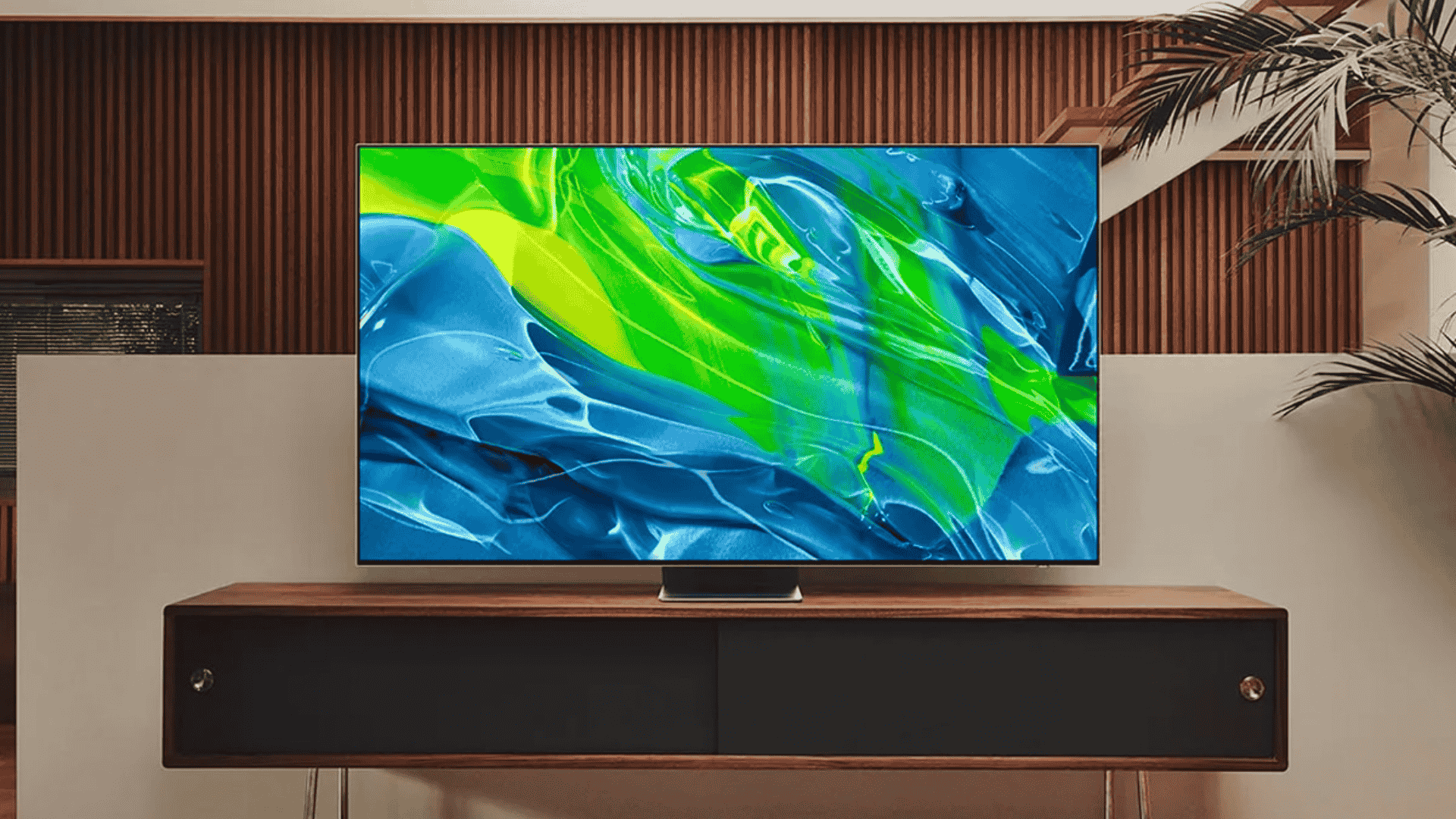
OLED TVs offer a mix of strong visual performance and a few practical limits. Looking at both sides is essential to deciding if this display technology fits their viewing needs.
Pros of OLED
OLED TVs are known for delivering high picture quality with clear detail and smooth performance. These benefits make OLED a popular choice.
1. Better Screen Depth
OLED TVs manage light at the pixel level, which allows dark areas of the screen to stay completely black when needed.
This improves shadow detail and prevents unwanted light from washing out darker scenes.
As a result, images gain more depth and separation between objects. Scenes filmed in low light look clearer and more balanced, helping fine details stand out without gray tones or light bleed affecting overall picture quality.
2. Wide Viewing Angles
OLED TVs keep the picture balanced and natural even when viewed from the side.
Colors stay consistent, and brightness does not drop off like it can on some other screens. This helps everyone in the room enjoy the same viewing experience, no matter where they sit.
It works well for family rooms, larger sofas, or group viewing where people are spread out across different seating positions.
The image remains sharp without color fading. This makes long viewing sessions more comfortable. It also reduces the need to sit directly in front of the screen.
3. Slim, Elegant Design
The panels do not need a bulky backlight, which allows the screen to remain extremely thin and lightweight.
This slim build gives OLED TVs a clean and modern appearance that looks neat in any space.
The simple design works well in minimalist living rooms and helps the TV blend naturally with furniture and décor instead of standing out as a large, bulky screen.
Cons of OLED
They offer great picture quality, but they also come with a few limits that buyers should consider. These drawbacks help set the right expectations before choosing an OLED TV.
1. Brightness Limitations
They are not designed to push extremely high brightness levels. In rooms with strong sunlight or bright overhead lights, the screen may not look as punchy.
Details can feel softer during daytime viewing, which may affect watching sports, news, or shows in well-lit spaces.
This makes it better suited for controlled lighting environments rather than bright living areas.
2. Potential for Burn-In
The panels can show faint image marks when the same picture stays on the screen for long periods.
This often happens with fixed channel logos, game HUDs, menus, or paused images.
Modern OLED TVs include features that help reduce this issue, but heavy use of static content can still cause visible marks over time.
The risk increases when brightness is kept high. Watching the same channel daily may speed this up. Rotating content helps reduce long-term effects.
3. Higher Price for Large Sizes
Large TVs usually cost more than similar-sized QLED models because of the advanced display technology used.
Making bigger OLED panels is more complex, which raises production costs. This leads to higher prices, especially for 65-inch and larger screens.
For buyers on a tighter budget, these higher costs can limit size options and make large TVs less practical compared to QLED alternatives.
Pros and Cons of QLED
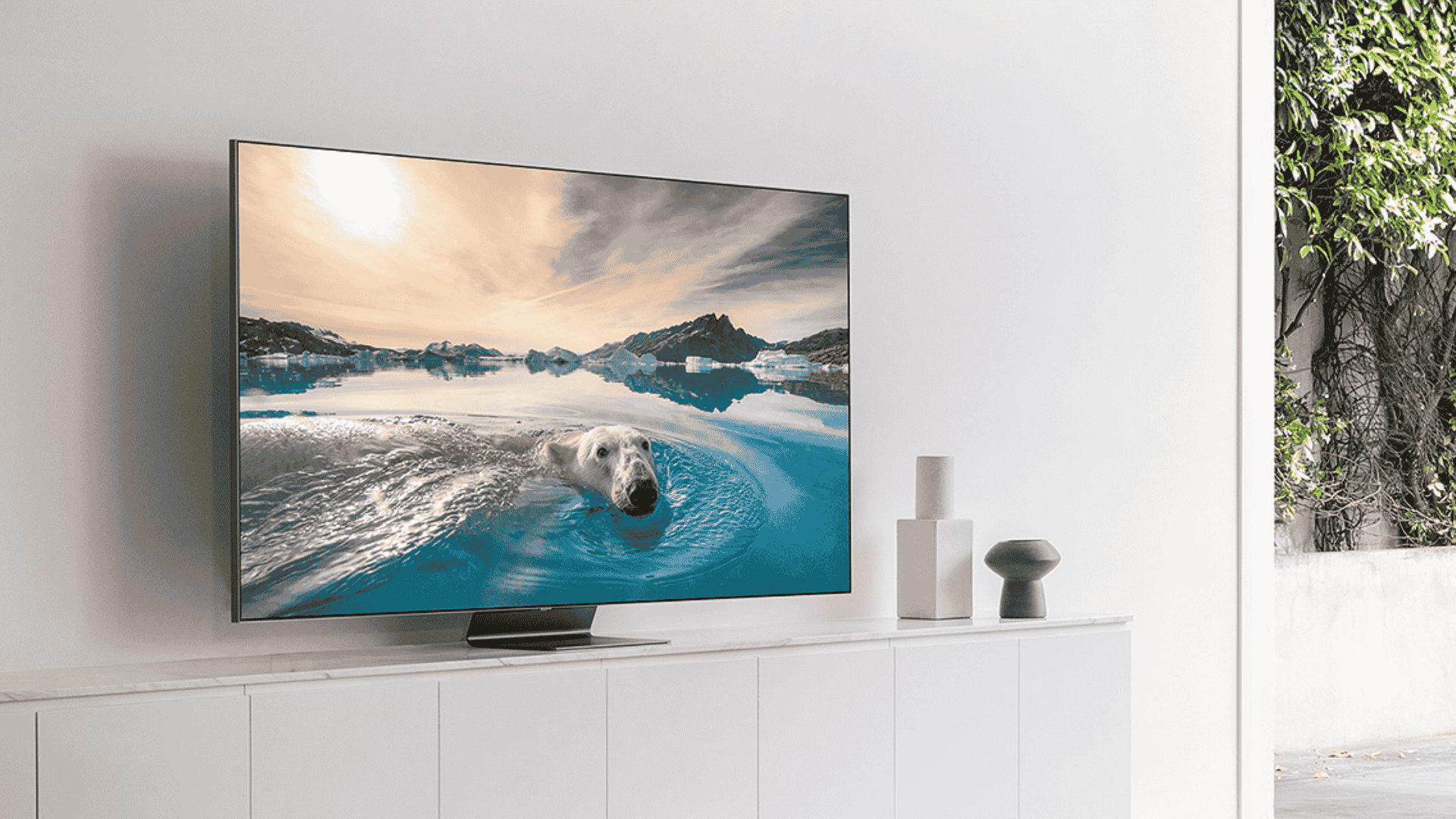
It is a TV display technology that focuses on bright visuals and long-lasting performance. It works well for everyday viewing, especially in rooms with strong lighting and frequent use.
Pros of QLED
The TVs offer practical benefits that suit everyday viewing and bright living spaces, which help buyers see why they work well for many home setups.
1. High Brightness for Any Room
The TVs are designed to reach very high brightness levels, which makes them a strong choice for rooms with lots of natural or artificial light.
The screen stays easy to see during the day, even with sunlight coming through the windows.
This helps reduce glare and keeps details clear.
For living rooms, open spaces, or daytime viewing, QLED handles light better than many other TV types and keeps the picture looking strong throughout the day.
2. Bold Colors and Strong HDR Performance
The TVs use quantum dot technology to produce bright and rich colors.
This helps images look lively without appearing dull or washed out. HDR content benefits the most, as highlights like sunlight, fire, or reflections appear clearer and more detailed.
Colors remain strong in both bright and dark scenes.
This makes it a good option for watching sports, animated content, and action movies where color clarity matters.
3. Safe from Image Burn-In
The screens do not face burn-in issues, even with long hours of use.
Static elements like channel logos, scoreboards, menus, or game displays do not leave lasting marks on the screen.
This makes them a reliable option for people who watch news channels daily, keep the TV on for many hours, or play games with fixed on-screen graphics.
Users can enjoy content without worrying about screen damage over time, making it a low-maintenance and stress-free choice.
Cons of QLED
They offer strong brightness and color, but they are not perfect in every viewing situation. Check it before you decide if it fits the room setup and viewing habits.
1. Limited Black Levels and Contrast Control
The TVs use a backlight to produce images, which makes it harder to create deep black areas on the screen.
In dark scenes, blacks may appear more gray, especially in low-light rooms. Light from the back panel can spill into darker areas, reducing contrast and detail.
This can affect movie watching at night, where shadow depth and scene detail are more noticeable and important.
2. Reduced Picture Quality from Side Angles
The screens often lose brightness and color accuracy when viewed from the side, which becomes more noticeable as the viewing angle increases.
Images can appear slightly washed out, less detailed, or lower in contrast compared to center viewing. This can be a problem in living rooms with wide seating arrangements or large sofas.
People sitting off to the side may notice faded colors and reduced clarity, while viewers seated directly in front of the screen get the best picture quality.
3. Thicker Design
The TVs require a backlight system to light the screen, which adds extra layers behind the display.
This makes the overall panel thicker and heavier than OLED TVs, which do not need a backlight.
While many QLED models still look modern and well-designed, they may not sit completely flat against the wall when mounted.
The added depth can stand out more in small rooms or clean, minimalist spaces where a slim profile is preferred.
Is OLED Better Than QLED?
The answer depends on how and where the TV will be used. Both deliver strong picture quality, but they perform best in different settings.
QLED TVs focus more on high brightness, bold colors, and overall value. Room lighting, viewing habits, and budget all play a big role in choosing the right option.
OLED is the better choice for movie watching, dark rooms, and home theater setups. Its pixels turn off fully, which helps movies look more realistic and smooth.
It works better in bright rooms where glare is an issue.
It stays bright during daytime viewing and works well for sports, news, and regular TV. These models also cost less, which makes them a practical option for many buyers.
Real User Performance Reviews
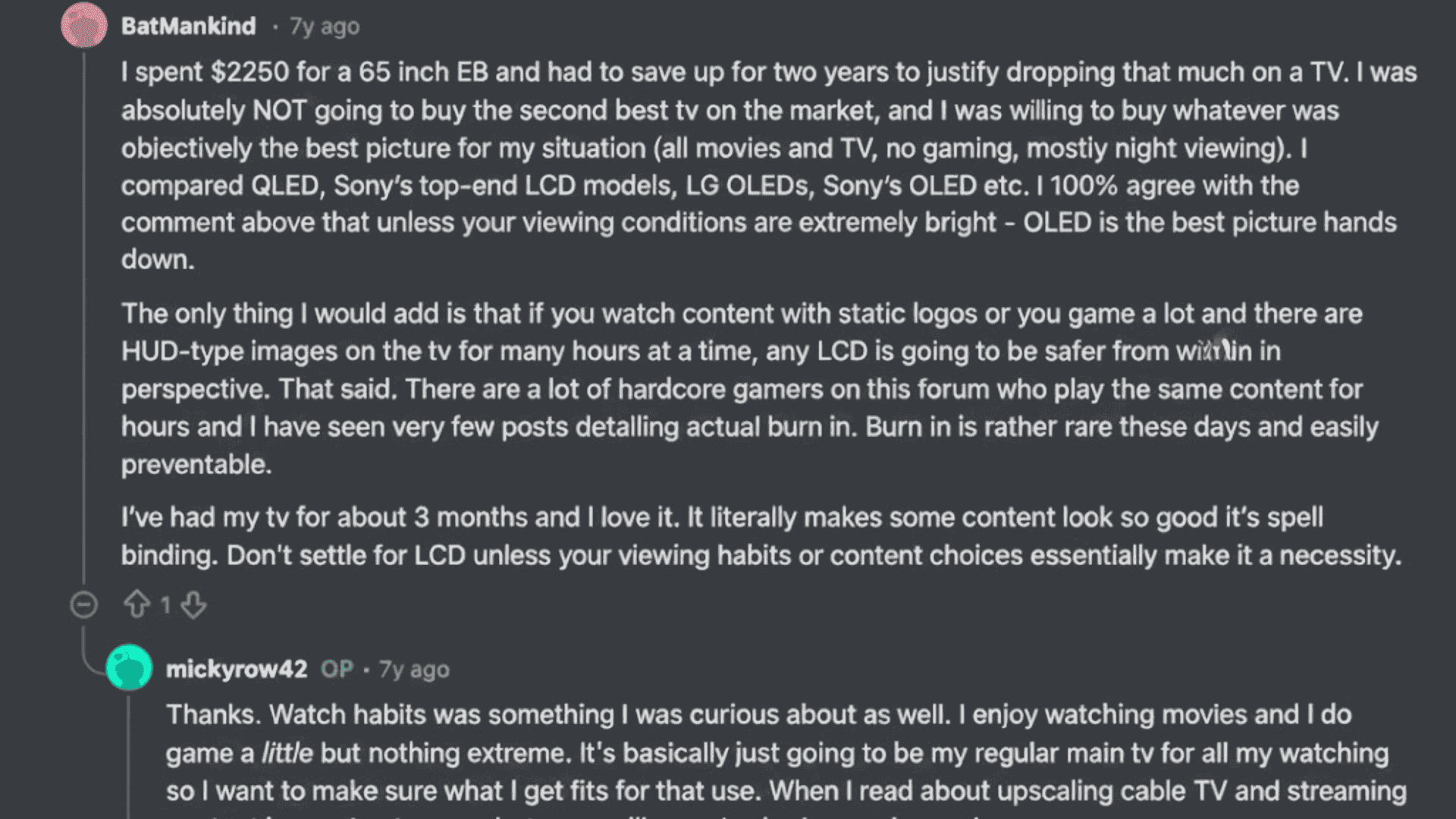
Based on Reddit discussions, most users agree that OLED clearly outperforms QLED in everyday viewing.
Many point out that QLED is still an LCD at its core, mainly excelling in very bright rooms, resisting image retention, and producing the best picture.
In normal home settings, especially at night, OLED delivers deeper blacks, better contrast, and more consistent picture quality.
Several users note that OLED concerns like burn-in and panel uniformity are often overstated online. These issues exist, but they rarely affect real-world viewing and are less noticeable after regular use.
They also mention that OLED actually looks better at home than in stores, while QLED tends to look worse outside bright retail lighting.
Overall, most reviewers recommend OLED for movies and TV, unless the room is extremely bright or static content is displayed for long hours.
Gaming on OLED vs QLED TVs
Gaming on OLED and QLED TVs can feel smooth and responsive, but each handles speed and screen use differently, helping gamers choose the right TV.
- Fast Response Time: OLED TVs offer faster response time, making fast-paced games feel smoother and more responsive during gameplay.
- Gaming Performance: QLED TVs also perform well for gaming, but may feel slightly slower in very fast action scenes.
- Lower Input Lag: OLED TVs usually have lower input lag, which helps competitive gamers react quicker in online games.
- Burn-In Risk: On OLED is low with normal gaming and varied content, not a major concern for most players.
- No Burn-In: QLED TVs have no burn-in risk, making them a safe choice for long gaming sessions with static screens.
Best OLED and QLED TVs to Consider
This section highlights popular OLED and QLED TV options that balance picture quality, features, and value.
These models are known for reliable performance across different room types and viewing needs.
Use this list as a starting point to compare sizes, prices, and features before making a final choice.
| Model | Type | Price Range | Best For |
| Samsung S95F | OLED | $2500-3000 | Bright rooms, gaming |
| LG G5 | OLED | $2200-2800 | Movies, balanced use |
| Samsung QN90F | QLED | $2000-2500 | Sports, bright spaces |
| TCL QM8 | QLED | $1000-1400 | Value gaming, versatility |
Tips for Shopping OLED and QLED TVs
Choosing a TV is easier when you focus on how it will fit into your daily life. Small details in your home and viewing habits can make a big difference in satisfaction.
- TV placement and usage: Decide where the TV will sit and how often you plan to watch it.
- Room size and lighting: Check how big the room is, how bright it gets, and when you usually watch.
- Content type: Think about what you watch most, such as movies, sports, or games.
- Picture depth vs. brightness: Choose what matters more based on your viewing habits and room light.
- Budget range: Set a clear budget so you pay for what you need, not extra features.
Conclusion
OLED and QLED each offer their own strengths, and neither is a one-size-fits-all answer.
One focuses on rich detail and a cinema-style experience, while the other delivers bright, bold visuals that suit everyday family life.
The best choice is the one that fits your space, your habits, and the moments you want to enjoy together.
A TV is where laughter, stories, and shared time come to life, whether it’s a movie night, a big game, or a quiet evening winding down.
Taking the time to compare options now helps avoid second-guessing later.
Think about your room, your budget, and how you actually watch TV, then use this blog to know OLED vs QLED pros and cons to narrow your options and shop with confidence.
Check current prices and see which TV fits your budget, and comment below your suited model.
Frequently Asked Questions
Does Screen Size Affect OLED or QLED Performance?
Yes, larger screens can highlight picture strengths and weaknesses more clearly. OLED keeps contrast consistent at any size, while QLED brightness becomes more noticeable on bigger screens.
Which TV Type is Better for Cable TV and Regular Channels?
QLED is often better for cable and regular channels because it handles bright images well and avoids image retention from static logos or on-screen graphics.
Do OLED and QLED TVs use Different Amounts of Power?
Yes, OLED power use changes based on content brightness, while QLED uses more consistent power due to its constant backlight system.