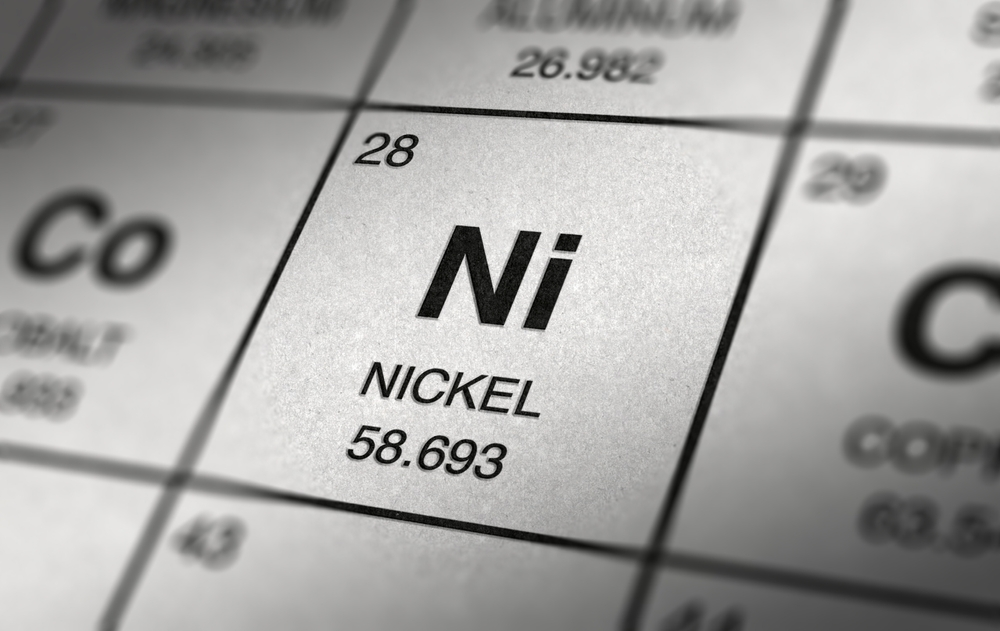
Nickel has earned the nickname “battery metal” because of its critical use in lithium-ion batteries for electric vehicles (EVs) and energy storage.
In current market conditions, where the global push for electrification is accelerating, nickel demand from batteries is growing fast. The nickel price reflects both this rising industrial need and traditional demand from stainless steel. However, the “battery metal” label is sometimes overhyped, as batteries still account for only 10-15% of total nickel consumption.
This article separates fact from hype, explaining what really drives nickel prices and how traders can use this knowledge in portfolios or trading strategies.
Nickel’s Traditional Demand: Stainless Steel Dominates
Stainless steel production consumes about 70% of global nickel supply. Nickel is essential for corrosion resistance in everything from kitchen appliances to construction materials. This demand is stable and tied to global industrial activity, construction, and manufacturing cycles.
When economies grow, stainless steel demand rises, supporting nickel prices. In slowdowns or recessions, this demand weakens, putting downward pressure on prices. This traditional driver is more predictable than battery demand and forms the foundation of nickel’s market.
For traders, stainless steel cycles are easier to track through manufacturing PMI data and construction spending reports. This provides a steady baseline for price expectations.
The Battery Demand Story: Real Growth with Limits
Battery demand for nickel is growing rapidly due to electric vehicle adoption and energy storage needs. Nickel is used in NMC (Nickel Manganese Cobalt) and NCA (Nickel Cobalt Aluminum) cathodes, which offer high energy density for longer-range EVs.
EV production is expanding, with global sales projected to continue rising. Each EV battery uses 40-80 kg of nickel, depending on chemistry. This creates new demand, but it is still a small portion of total consumption.
The hype comes from projections of massive future growth. While battery demand is real and growing, it hasn’t yet overtaken stainless steel as the main driver. Traders should monitor EV sales and battery chemistry trends to gauge how fast this segment will grow.
Supply Side: Indonesia’s Dominance and Processing Challenges
Indonesia now produces over 50% of global nickel, mostly from laterite ores. This concentration creates supply risk. Policy changes, export bans, or environmental regulations can cause sharp price spikes.
Processing is another issue. Most Indonesian nickel is converted to nickel pig iron (NPI) for stainless steel, not battery-grade high-purity nickel. The shift to battery-grade requires additional refining, which is costly and time-consuming.
Supply disruptions or delays in battery-grade capacity can cause volatility. Traders watch Indonesian policy news and refinery project timelines closely.
Macro and Sentiment Factors
Nickel prices are sensitive to risk sentiment. In risk-on environments, when investors favor growth assets, nickel benefits from expectations of higher industrial and EV demand. In risk-off periods, it underperforms as cyclical demand weakens.
Dollar strength affects prices. A weaker dollar makes nickel cheaper for non-US buyers, increasing demand and lifting prices.
Inflation also supports nickel as an industrial commodity hedge. Higher inflation expectations often correlate with stronger commodity prices.
Trading Implications and Practical Tips
Traders use nickel’s battery reputation for momentum plays. During EV sales surges or battery chemistry announcements, long positions can capture 10-20% moves.
Hedging is common. Stainless steel producers use futures to lock in prices, while battery makers hedge against spikes.
Risk management is essential. Use low leverage (5x-10x), risk 1-2% per trade, and set stops below recent lows. Monitor Indonesian news and EV data for catalysts.
The table below summarizes key drivers and their impact:
|
Driver |
Price Impact |
Typical Move |
Timeframe |
|---|---|---|---|
|
Battery Demand Growth |
Upward |
10-30% |
Months to years |
|
Stainless Steel Cycles |
Upward in growth |
5-15% |
Quarters |
|
Supply Disruptions |
Upward |
10-30% |
Weeks to months |
|
Risk-Off Sentiment |
Downward |
10-20% |
Weeks |
Conclusion
Nickel’s “battery metal” reputation is grounded in real growth from EV and energy storage demand, but stainless steel still dominates consumption. Supply concentration in Indonesia, macro sentiment, and currency effects add volatility.
Traders use these drivers for momentum, hedging, and volatility plays.
Monitor EV sales, Indonesian policy, and risk sentiment. In volatile markets, nickel isn’t just a commodity, it’s a cyclical growth play with high reward potential when timed correctly.