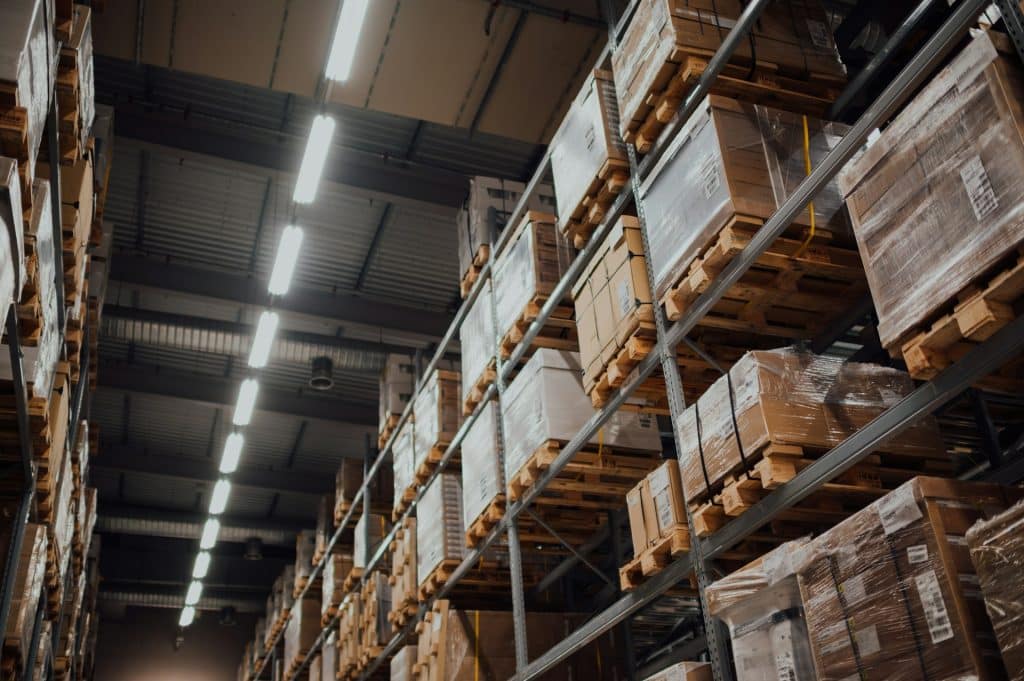
Behind every fast shipment and real-time delivery update is a warehouse designed to work in sync with technology. The efficiency customers now expect from modern logistics depends on how well physical storage systems support automation, data, and human workflows.
Businesses have learned that technology alone cannot fix inefficiencies. The right infrastructure—engineered, scalable, and integrated—transforms logistics from a reactive process into a coordinated, data-driven operation.
The Role of Physical Storage Infrastructure in Digital Logistics
Every digital advancement in logistics, from automated picking to predictive analytics, relies on a physical foundation. Pallet racks, shelving, and mezzanine systems provide the structural environment that technology operates within.
When built correctly, this infrastructure streamlines product flow, minimizes wasted space, and ensures that software and machines can function at peak performance. Without it, even advanced warehouse management systems face bottlenecks.
The success of a modern warehouse is not only about connectivity or robotics. It begins with how efficiently goods are stored, accessed, and moved across the floor.
Engineered Racking as the Backbone of Warehouse Management Systems
Racking systems provide the framework that keeps digital logistics running smoothly. They determine how efficiently goods are stored, retrieved, and tracked within a warehouse.
Well-designed solutions from online suppliers like storagerack.com provide pallet racks and storage systems designed to support:
- Space optimization for high‑density storage.
- Seamless integration with automated systems.
- Reliable load capacity and safety performance.
- Flexible reconfiguration as operations evolve.
When racking supports technology, warehouse management becomes faster, safer, and more precise across every process.
Supporting Automation and Robotics Through Smart Storage Design
Automation has redefined how warehouses operate, but robotics require specific conditions to work efficiently. Storage systems must allow robots and conveyors to navigate aisles safely and retrieve products without obstruction.
Smart storage design incorporates height clearances, alignment markers, and weight tolerances that match robotic systems. These details ensure that machines function seamlessly alongside human workers.
In practice, this integration minimizes downtime and increases throughput, turning automation into a practical advantage rather than a logistical challenge.
Enabling Real-Time Inventory Accuracy and Data Flow
Digital tracking tools depend on accurate physical placement. If a product’s location is unclear or misaligned, data loses reliability, and automation cannot function effectively.
Well-structured storage layouts allow sensors, scanners, and RFID systems to record movement instantly. This precision enables continuous synchronization between the physical and digital warehouse.
The result is a single, reliable source of truth for inventory management, where every item’s location and movement are visible in real time.
Scalable Storage Solutions for Growing Logistics Operations
As logistics networks expand, scalability becomes the difference between consistent growth and operational strain. Flexible racking systems and modular layouts allow warehouses to adapt to increased volume without disruption.
Designing for scalability means planning for the future—anticipating changes in product size, shipping demand, and automation requirements. These decisions keep operations stable as technology evolves.
In a market driven by speed and precision, scalable infrastructure ensures that growth does not compromise performance or reliability.
Wrapping Up
Technology defines modern logistics, but structure sustains it. A warehouse that balances smart storage with advanced digital tools is not only efficient but also resilient.
As demand for faster fulfillment continues, investing in adaptable storage systems today creates the foundation for long-term success tomorrow. True progress in logistics begins not with software, but with the structure that makes it all possible.