When I started learning about financial software development, I realized how much goes into building secure, fast, and reliable tools for the finance world.
From banking apps to payment platforms, every system needs strong technology and careful planning behind it.
In this guide, I break down the entire process in a way that feels easy to follow, even for someone new to the topic.
I walk through the methods developers use, the technologies that power modern financial products, and the trends shaping the future of this industry.
My goal is to help readers understand how financial software is created, why it matters, and what makes these systems safe and dependable.
What is Financial Software Development?
Financial software development refers to the process of creating digital systems that support banking, payments, trading, insurance, and other economic activities.
It involves designing, building, and maintaining applications that handle money, sensitive data, and real-time transactions.
These systems must meet strict security standards, follow industry regulations, and deliver fast, reliable performance.
Financial software can include mobile banking apps, digital wallets, loan management tools, accounting platforms, and automated investment systems.
Developers use specialized technologies to ensure accuracy, prevent fraud, and support secure communication between users and institutions.
The development process usually includes planning, coding, testing, compliance checks, and ongoing updates.
Key Methodologies in Financial Software Development
Financial software development depends on structured methodologies that help teams build secure, reliable, and compliant systems.
1. Agile and Scrum

They are widely used in financial software development because they support flexibility, fast delivery, and ongoing adaptation.
Agile breaks projects into smaller, manageable pieces called iterations, allowing teams to release updates more frequently.
Scrum organizes work into short cycles known as sprints, with clear goals and regular review meetings.
This structure helps developers respond quickly to user needs, regulatory changes, and security requirements.
2. DevOps
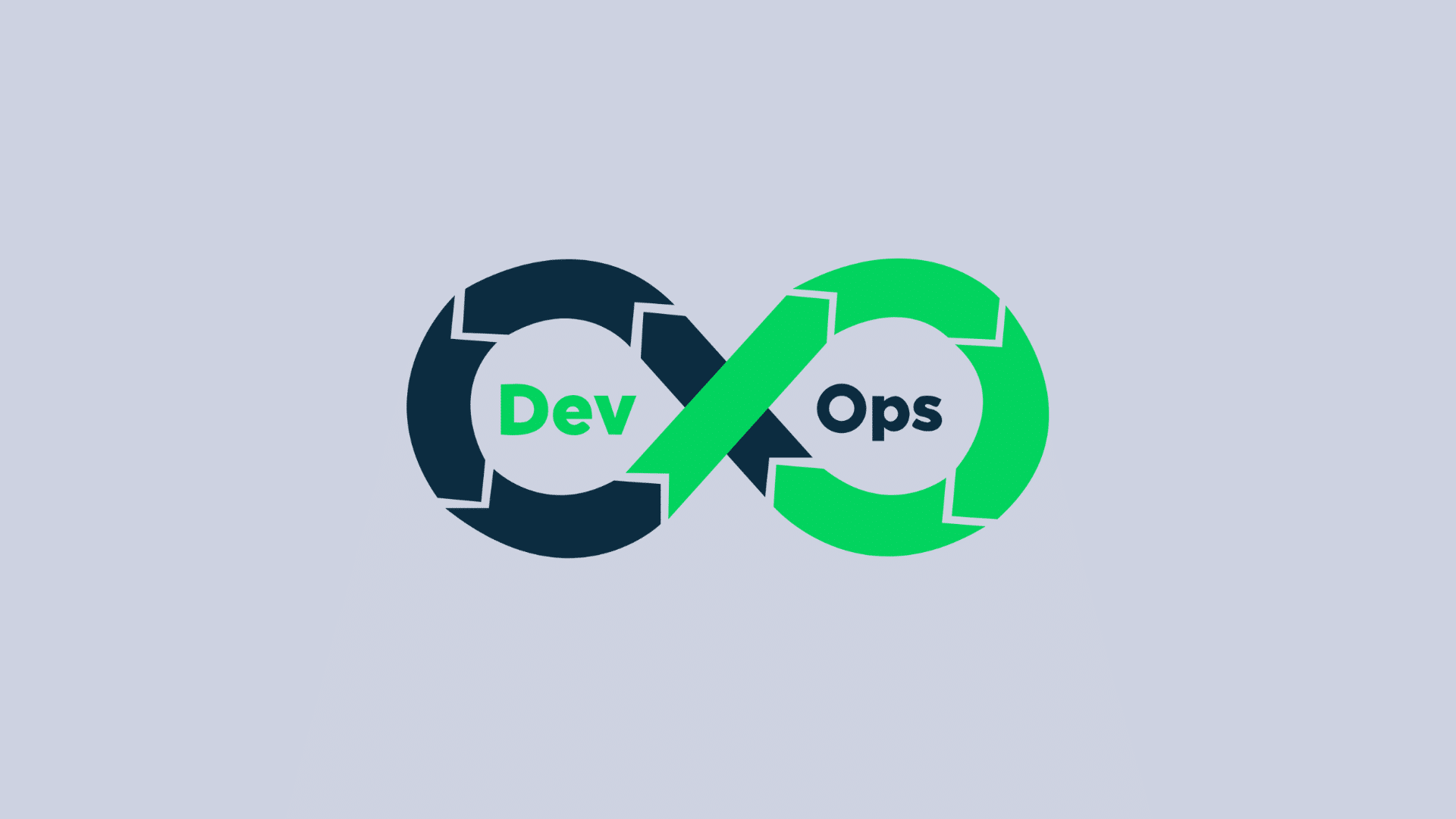
In financial software development, DevOps is valuable because it supports strong automation, frequent updates, and reliable system performance.
This approach encourages teams to work together from start to finish rather than operating in separate stages.
DevOps practices include continuous monitoring, automated testing, and streamlined deployment processes.
These steps help reduce downtime and ensure that financial applications remain secure and stable.
3. CI/CD for FinTech
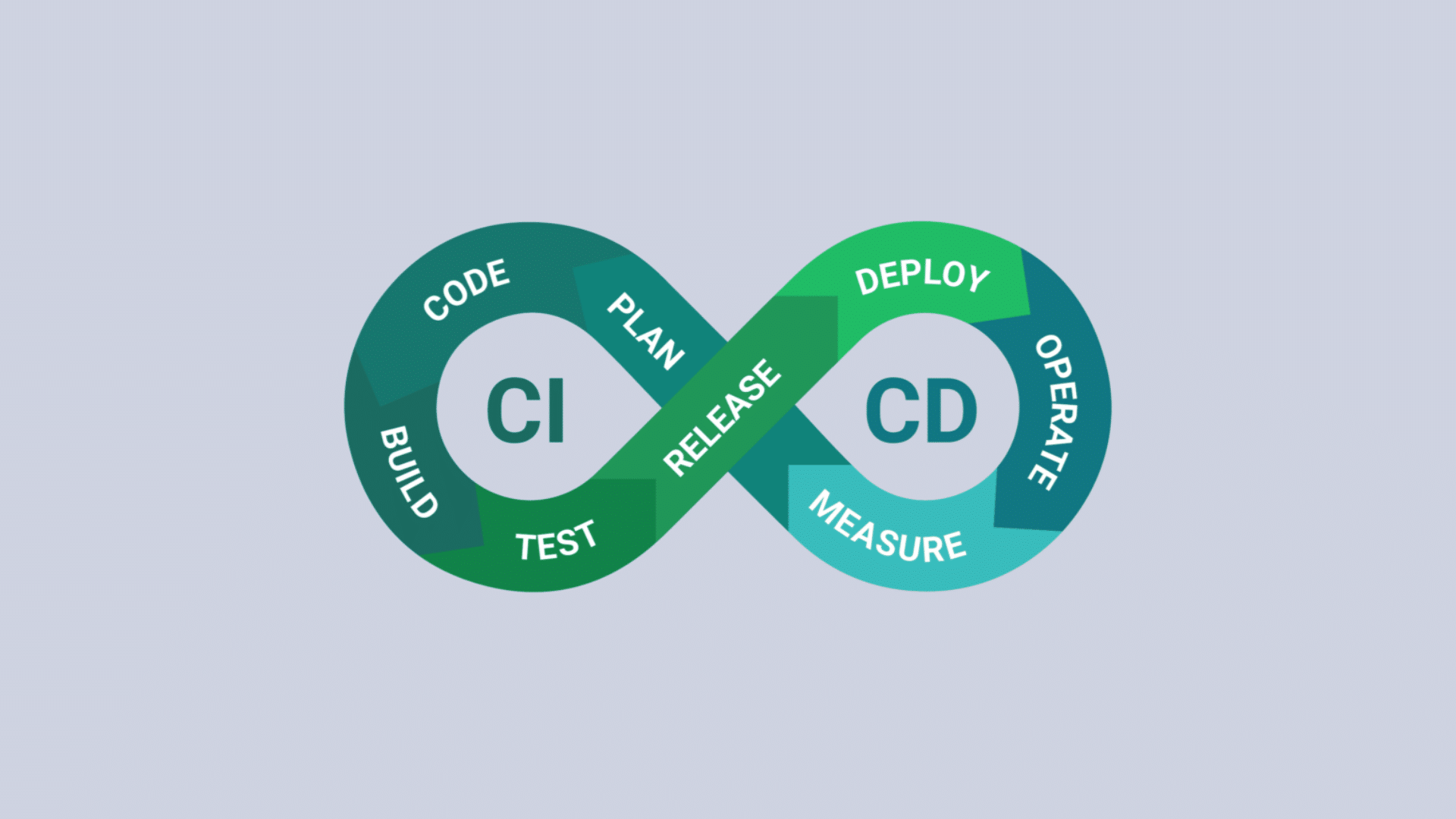
Continuous Integration (CI) and Continuous Deployment (CD) are essential practices in FinTech because they help maintain fast, safe, and consistent software delivery.
CI ensures that code changes are frequently merged, tested, and validated, preventing bugs from stacking up.
CD automatically pushes approved updates into production, reducing delays and human errors.
Together, CI/CD allows financial applications to evolve rapidly without sacrificing stability or security.
4. Test-Driven Development
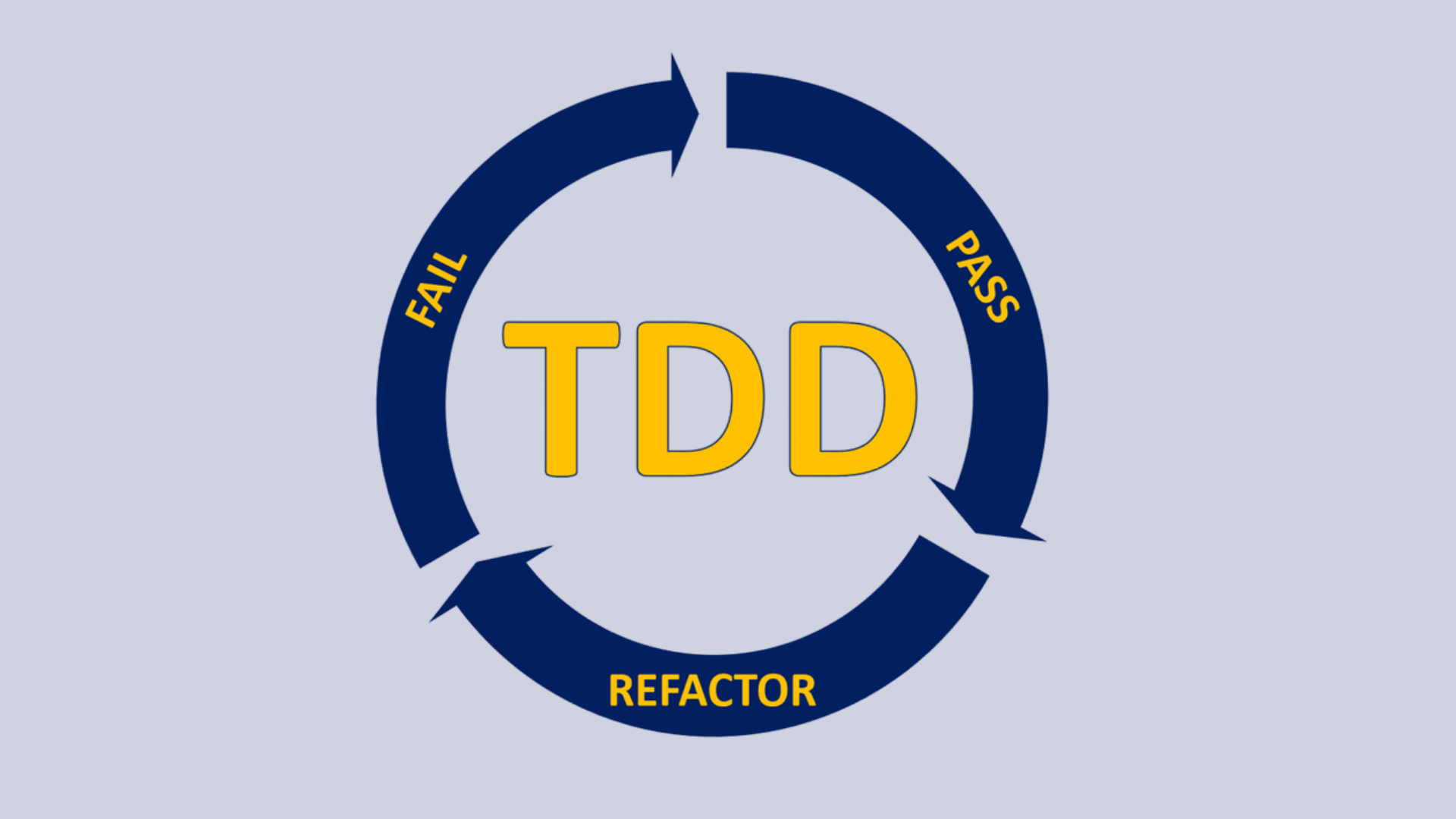
Test-Driven Development (TDD) is a methodology that emphasizes writing tests before writing the actual code.
In financial software development, this method strengthens accuracy, security, and reliability, essential requirements for systems that process sensitive data and transactions.
TDD follows a simple cycle: write a failing test, write code that passes the test, and then refine the code.
TDD also reduces bugs and improves long-term maintainability, which benefits complex FinTech platforms.
Essential Technologies in Financial Software
It plays an essential role in creating secure, efficient, and scalable digital solutions for banking, payments, trading, and other financial services.
Modern financial platforms rely heavily on cloud computing to support flexible infrastructure and handle large volumes of transactions.
Artificial intelligence and machine learning improve fraud detection, automate decision-making, and enhance customer experiences through personalized insights.
Blockchain technology strengthens security and transparency, especially in digital payments and record management.
API integrations allow financial systems to connect with external platforms, enabling services like open banking and real-time data sharing.
Encryption and advanced cybersecurity tools protect sensitive user information and ensure compliance with industry regulations.
Together, these technologies support the development of financial software that is fast, reliable, and capable of meeting evolving industry demands.
Trends Shaping the Future of FinTech
Real-time data processing is becoming essential as users expect instant payments, instant approvals, and immediate account updates.
Artificial intelligence is improving fraud detection, automating support, and helping companies make faster, data-driven decisions.
Open banking is expanding access to financial data, allowing third-party apps to offer personalized services and competitive alternatives to traditional banks.
Blockchain is creating new opportunities in digital payments, smart contracts, and transparent transaction tracking.
Cybersecurity advancements are also rising in importance as financial systems face more complex threats.
Embedded finance is growing rapidly, allowing non-financial companies to integrate banking features directly into their platforms.
These trends collectively push FinTech toward smarter, faster, and more accessible financial experiences.
Top CRM Development Companies
This section highlights leading CRM development companies known for building reliable, scalable, and customized customer management solutions.
1. ScienceSoft

It is a global IT consulting and software development firm known for delivering advanced CRM solutions for enterprises and mid-sized businesses.
The company specializes in customizing and integrating platforms such as Salesforce, Microsoft Dynamics 365, and HubSpot, as well as building fully tailored CRM systems from scratch.
Its strengths include deep technical expertise, strong business analysis skills, and experience across industries like finance, healthcare, retail, and manufacturing.
ScienceSoft prioritizes data security and scalable architecture, making it suitable for organizations with complex workflows.
2. Ascendix Technologies

It is a CRM-focused development firm specializing in Salesforce and Microsoft Dynamics 365 solutions.
The company offers CRM consulting, customization, integration, and product development for businesses seeking advanced customer management capabilities.
Its strengths include industry-specific expertise in real estate, finance, logistics, and professional services.
Notable projects include custom CRM solutions for global real estate firms, property search apps integrated with CRM databases, and cloud-based customer management platforms.
3. Intellectsoft

It is a digital transformation company offering custom CRM development for enterprises seeking modern, flexible customer engagement systems.
The company delivers CRM solutions that integrate AI, analytics, mobile features, and automation.
Intellectsoft focuses on creating CRM ecosystems that support omnichannel communication and data-driven decision-making.
Notable projects include mobile CRM apps for field sales teams, AI-powered customer insights tools, and integrations with ERP and marketing platforms.
4. Iflexion
It is a software development company known for creating custom CRM platforms and enhancing existing solutions like Salesforce, SugarCRM, and Microsoft Dynamics.
Its strengths include strong development expertise, flexible engagement models, and experience integrating CRM systems with eCommerce, ERP, and marketing platforms.
Iflexion serves industries such as retail, finance, logistics, and education. The company focuses on optimizing customer journeys through automation and streamlined workflows.
It is recognized for delivering solutions that improve customer retention, sales performance, and service efficiency.
5. Hidden Brains

The company specializes in custom CRM development, CRM integration, migration, and mobile CRM applications.
Hidden Brains supports diverse industries, including healthcare, retail, manufacturing, and education.
Its projects include mobile CRM tools for sales teams, customer support systems with automated ticket tracking, and multi-channel communication platforms.
The company focuses on improving lead management, customer engagement, and operational efficiency through scalable architecture and user-friendly design.
6. OpenXcell
It is a trusted IT development firm specializing in CRM solutions that help businesses organize customer data, automate workflows, and improve communication.
Its has a skilled development team, with expertise in cloud platforms, and the ability to deliver both custom CRM systems and enhancements to existing platforms.
OpenXcell’s CRM solutions support industries such as finance, retail, logistics, and real estate.
Notable projects include building CRM-based booking platforms, customer tracking tools, and workflow automation systems that integrate with enterprise software.
7. Fingent
The company focuses on developing scalable platforms that integrate data analytics, automation, and multi-channel communication.
Strengths include strong technical expertise, a collaborative development process, and experience working with industries such as finance, logistics, healthcare, and real estate.
Projects include CRM-based sales management tools, customer interaction dashboards, and integrated service platforms for enterprise clients.
Fingent also supports migration from legacy CRM systems and ensures secure cloud deployment.
8. TatvaSoft

It is a software development company offering end-to-end CRM development services, including customization, integration, and new system creation.
TatvaSoft has delivered CRM solutions for sectors like retail, finance, travel, and manufacturing.
The company focuses on building CRM solutions that enhance customer interactions and streamline internal operations.
Its development approach prioritizes security, scalability, and long-term usability, ensuring the CRM platform supports future business growth.
9. Chetu
It is a global software development provider known for building custom CRM systems and extending existing platforms such as Zoho CRM, Salesforce, and HubSpot.
Its strengths include industry-specific expertise, an extensive library of custom modules, and experience with third-party integrations.
Projects include automated CRM workflows, payment-integrated CRM platforms, and customized lead tracking systems.
The company focuses on improving customer relationships through tailored features that streamline data management and communication.
Key Factors When Choosing a CRM Developer
When I evaluate CRM developers, I focus on the key factors that determine long-term success, reliability, and smooth integration for any business.
- Look for proven experience in CRM platforms and custom development.
- Check industry-specific expertise and successful past projects.
- Review technical skills in integrations, automation, and analytics.
- Verify security practices and compliance with data standards.
- Consider post-launch support, maintenance, and scalability options.
These factors help narrow down reliable CRM development partners.
Conclusion
As I learn about the world of financial software development, I realize how vital the proper methodologies, technologies, and development partners are for building strong digital systems.
Understanding how these tools work helped me see why businesses rely so heavily on secure, scalable software to manage customers and financial operations.
I also learned how much value a skilled CRM developer can bring, especially when a company needs custom features or better workflow automation.
With the overview of top CRM development firms and the key factors to consider, I feel more prepared to make informed decisions.
My goal is to use this knowledge to choose solutions and partners that support long-term growth, better customer experiences, and more innovative financial processes.