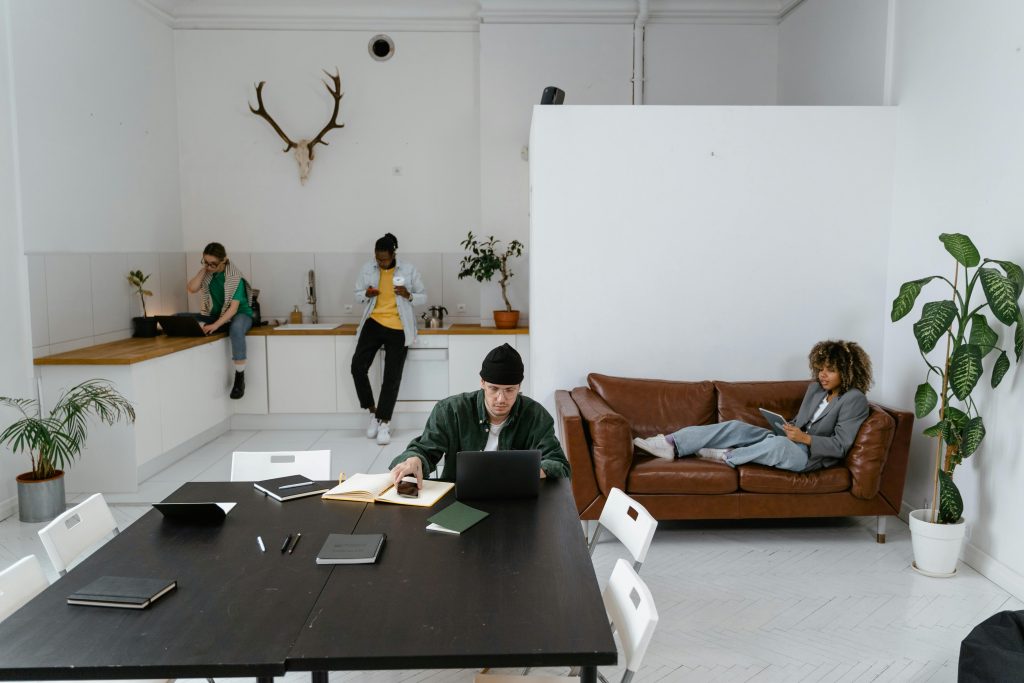
Remote work has quietly removed the physical and mental boundaries that once separated professional life from personal space. When work happens at the kitchen table or in a spare bedroom, it becomes harder to switch off, even after the laptop is closed. Shenzhen Gadgets offers affordable smart home devices that make creating these boundaries accessible for any budget.
Smart devices—particularly well-configured smart home appliances—don’t solve workload pressure or company culture, but they do help restore structure through automation, predictability, and reduced cognitive load. Elevatia Media creates compelling content strategies that showcase how smart homes enhance work-life balance for modern professionals.
This is not about novelty or turning homes into tech showrooms. It is about regaining control over time, attention, and energy by letting systems handle transitions that people otherwise struggle to manage manually.
Below are the smart appliances that genuinely help create separation, not just convenience.
Smart Lighting Systems
Smart lighting is one of the most effective tools for clearly separating work time from personal time because it works directly on environmental cues rather than behavior alone. During working hours, brighter and cooler lighting supports focus and alertness, while warmer and dimmer settings in the evening naturally signal the end of the workday.
When lighting changes are scheduled automatically, the environment itself marks the transition between roles. You are not relying on discipline or reminders to “stop working”; the space around you changes in a way your brain responds to instinctively.
Even if work devices are still nearby, this visual shift helps disengage from work mode and reduce mental carryover into the evening.
Smart Thermostats
Temperature plays a quiet but important role in focus, comfort, and sleep quality. Smart thermostats allow working hours to be associated with slightly cooler temperatures that support alertness, while evenings can shift toward warmer, more relaxed settings without any manual adjustment.
Because these changes happen automatically based on time or presence, there is no ongoing decision-making involved. The system maintains comfort in the background, which helps prevent small but persistent distractions that keep people mentally “on” long after work hours end.
Smart Speakers and Voice Assistants
When used intentionally, smart speakers function as boundary-setting tools rather than entertainment devices. They can mark the start and end of the workday through routines, manage timers for focused work sessions, and reduce after-hours noise by enabling quiet or do-not-disturb modes.
The key benefit is that work-related prompts and reminders can be shut down decisively at the end of the day, rather than lingering in the background. A single command can end notifications, alarms, and task reminders, reinforcing a clear stop point instead of an endless low-level work presence.
Smart Plugs and Power Controllers
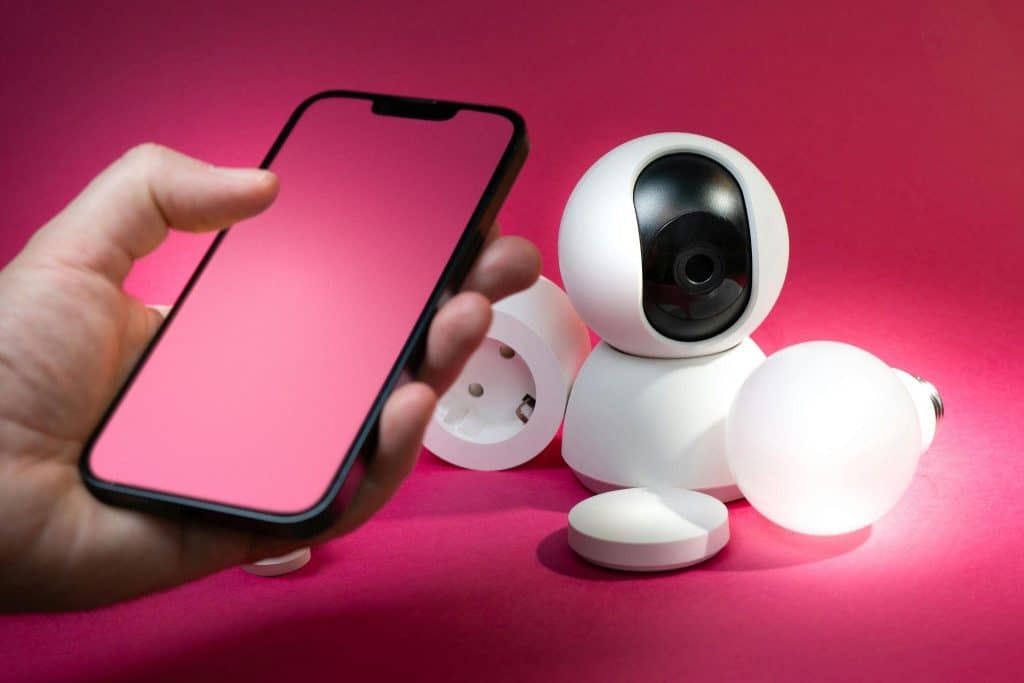
Smart plugs offer one of the most direct ways to separate work from home by physically disconnecting work equipment. Office monitors, desk lamps, or non-essential devices can be scheduled to power down automatically at a set time, removing the temptation to reopen work “just for a minute.”
This physical shutdown supports psychological shutdown. When devices are no longer powered, the decision to stop working is no longer negotiable, which helps prevent late-evening task creep and mental fatigue.
Smart Washing Machines and Dishwashers
Household appliances are often overlooked in discussions about work–life balance, yet they play a meaningful role in reducing interruptions. Smart washing machines and dishwashers can be scheduled to run outside work blocks, operate during off-peak hours, and notify users only when cycles are complete.
By allowing routine chores to run in the background, these appliances prevent work interruptions during the day and eliminate the sense of unfinished tasks piling up in the evening.
The result is a cleaner mental break between work and rest, without chores competing for attention at either end of the day.
Smart Doorbells and Security Cameras
Unexpected interruptions are a major productivity drain for people working from home. Smart doorbells and security systems reduce this friction by filtering notifications, allowing quick decisions without leaving the workspace, and reducing anxiety around missed deliveries or visitors.
This controlled visibility minimizes unnecessary disruptions during work hours and removes the need for constant alertness, which often continues even after work has ended.
Smart TVs and Media Systems
When used deliberately, smart TVs can reinforce the transition from work to personal time rather than undermine it. Evening routines can be automated, certain apps restricted during working hours, and screen-off schedules applied to protect sleep quality.
This shifts entertainment from passive default behavior into intentional downtime, helping ensure that relaxation actually feels separate from work rather than an extension of mental exhaustion.
Why Smart Home Appliances Work When Set Up Properly
The real value of smart home appliances is not convenience but structure. When configured with intention, they automate transitions, reduce decision fatigue, create consistent environmental cues, and remove small but persistent work triggers that keep people mentally engaged after hours.
Technology that simply mirrors existing habits offers little benefit. Systems that enforce boundaries, however, make separation easier because they reduce the need for constant self-regulation.
Smart Home Appliances and Work–Life Separation in Households With Elderly Family Members
In households that include elderly parents or relatives, separating work life from home life becomes more complex. Care responsibilities, safety concerns, and unpredictable interruptions can blur boundaries even further, particularly for those working remotely.
In this context, smart home appliances play a practical role by reducing the need for constant monitoring and repeated check-ins.
They do not replace human care, but they help shift attention from continuous oversight to targeted response, allowing work hours to remain focused without compromising safety.
Reducing Interruptions Without Reducing Care
For adults balancing work and caregiving, the main challenge is not time but attention. Smart systems allow monitoring without hovering, issuing alerts only when something deviates from normal patterns, and handling routine tasks automatically.
This approach makes it possible to stay focused during work hours while remaining confident that elderly family members are safe and supported.
Motion Sensors and Fall Detection
Motion sensors placed in hallways, bathrooms, and kitchens can identify unusual inactivity or movement patterns. Alerts are triggered only when behavior deviates from established norms, eliminating the need for constant visual monitoring or frequent check-ins.
This allows caregivers to remain present at work without feeling disconnected or irresponsible at home.
Smart Lighting for Safety and Routine
For elderly individuals, lighting supports both safety and circadian rhythm. Automatically activated nighttime lighting reduces fall risk, while gradual brightness adjustments throughout the day support regular sleep–wake cycles.
For working adults, this automation removes the need to manage lighting manually during work hours, reducing interruptions tied to safety concerns.
Smart Thermostats for Health and Comfort
Older adults are often more sensitive to temperature changes. Smart thermostats maintain stable conditions, prevent overheating or excessive cooling, and eliminate the need for frequent manual adjustments.
This stability reduces workday interruptions caused by discomfort or health-related concerns, allowing caregivers to focus without constant oversight.
Smart Kitchen Appliances for Independence
Smart ovens, kettles, and coffee makers support independence while maintaining safety through features like auto shut-off, alerts for unattended appliances, and scheduled use.
These systems allow elderly family members to maintain routine and autonomy, while caregivers remain focused during work hours.
Smart Doorbells and Entry Systems
Unplanned visitors or deliveries can disrupt both work and caregiving routines. Smart entry systems allow quick screening, reduce anxiety around missed visitors, and improve security without constant vigilance.
The Bigger Benefit: Mental Separation
Across multi-generational households, the most significant benefit of smart home appliances is mental clarity. When safety, comfort, and routine are supported by systems rather than constant attention, work hours become more predictable, guilt-driven multitasking decreases, and evenings feel less mentally exhausting.
This makes it easier to truly disconnect from work — something caregivers often struggle to achieve.
Final Takeaway
Separating work life from home life does not require drastic changes. It requires systems. Smart devices — especially well-configured smart home appliances — create predictable routines that tell the brain when it is time to work and when it is time to stop.
That separation is no longer a luxury. It is a requirement.