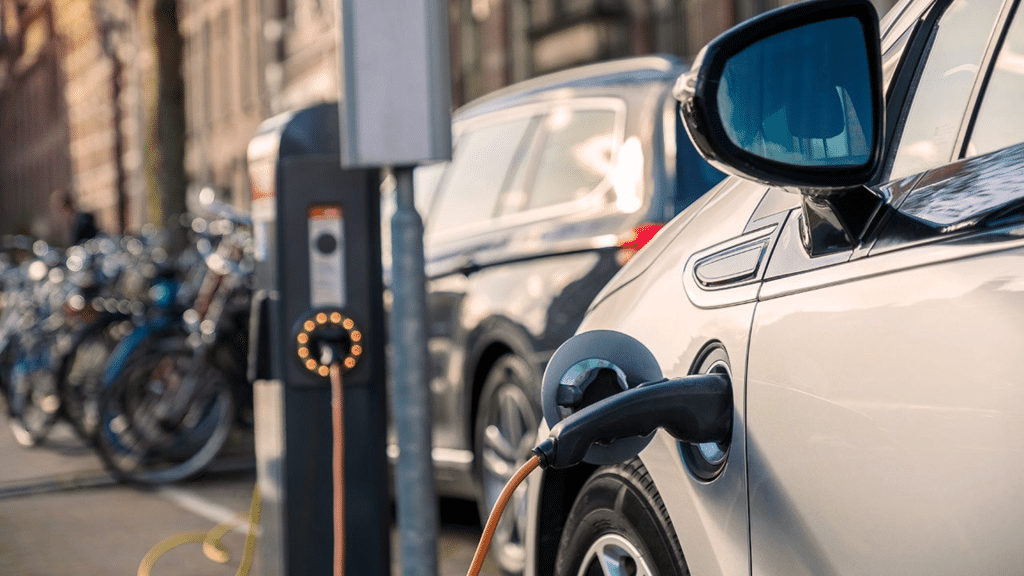
Many drivers ask how often electric vehicles need oil changes, and I get why. If you’ve driven gas cars for years, oil changes feel routine.
When you switch to an EV, it’s natural to wonder if the same rules still apply. I’ve been through that same confusion, and I want to help you understand what really happens under the hood.
EV motors work very differently from gas engines. There’s no fuel burning, no pistons, and no engine oil moving through the system.
Because of that, the way you care for an electric car changes, too. In this guide, you’ll learn:
- Why EVs don’t use engine oil
- Which fluids do you still need to watch
- What services keep an EV in good shape
By the end, you’ll know exactly what your EV needs, and what it doesn’t.
Do Electric Vehicles Need Oil Changes?
Electric vehicles do not need oil changes, and the reason is simple. EVs don’t use engine oilbecause they haveno combustion engine inside.
A gas engine needs oil to lubricate moving parts, but an electric motor doesn’t rely on that kind of system.
It runs with far fewer parts, so there’s no oil circulating or burning. Even though you can skip oil changes, your EV still has a few fluids to check over time.
These include coolant for the battery and electronics, brake fluid, and sometimes windshield washer fluid.
They don’t need service often, but they do matter for long-term care. Understanding this helps you plan your maintenance without guessing what your car needs.
Why Electric Vehicles Don’t Need Oil Changes?
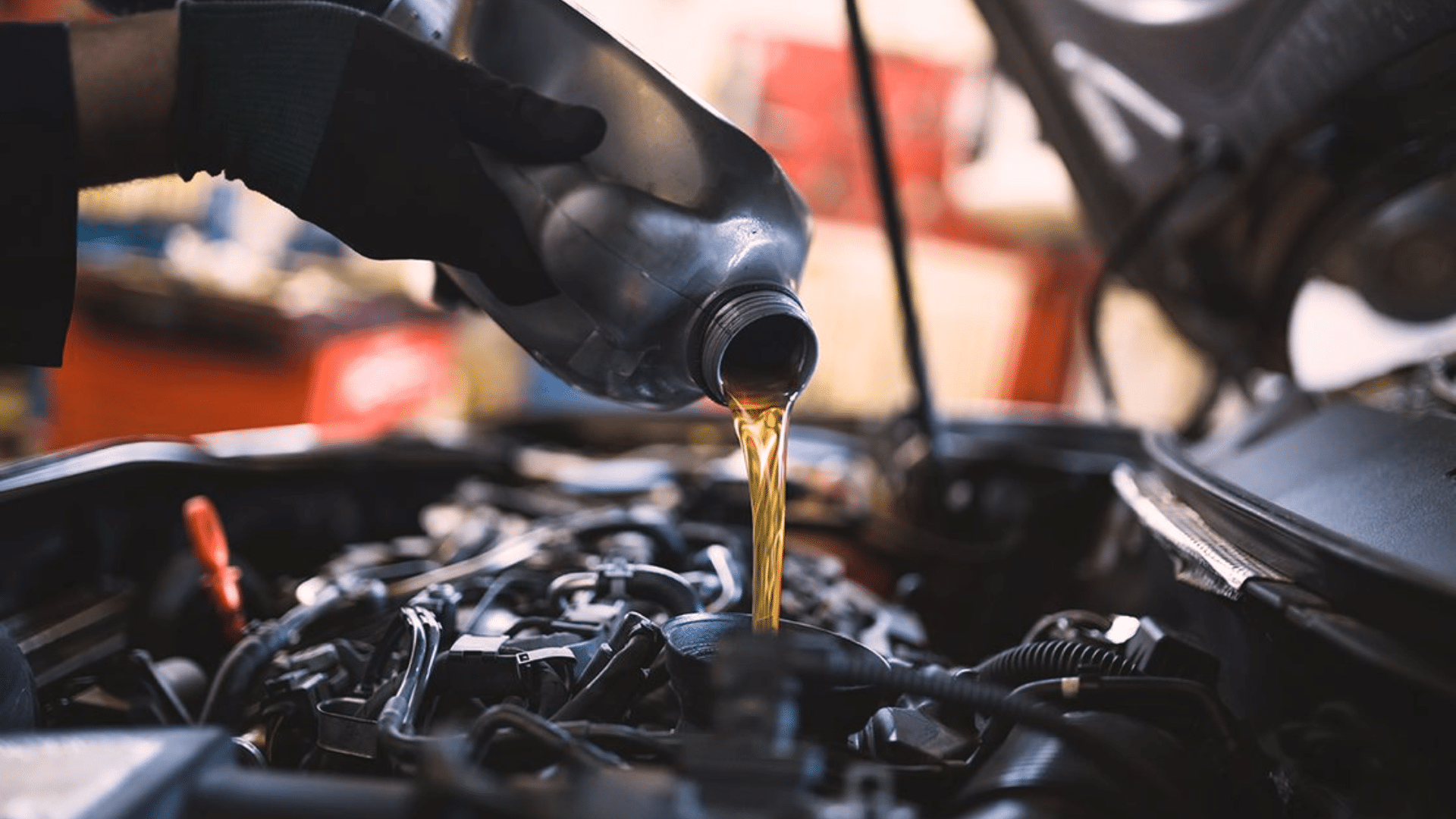
Electric vehicles use a completely different system from gas-powered cars. Since they don’t rely on combustion or heavy mechanical movement, they avoid the need for engine oil altogether.
1. Electric Motors Have Fewer Moving Parts
Electric motors spin with the help of magnets and electricity, so they don’t use the complex parts found in gas engines.
There are no pistons, valves, or crankshafts creating friction.
With fewer parts working against each other, there’s no need for engine oil to manage heat or wear.
This simpler design reduces stress on the motor and helps it stay efficient for many years without traditional engine service. It’s one reason EV maintenance feels easier for most drivers.
2. No Engine Components that Need Lubrication
A gas engine depends on oil because its metal parts move quickly and create heat.
Electric motors avoid that entire system, so nothing inside needs oil to stay protected. The motor stays cool and steady through electricity alone.
Without oil circulating, there’s nothing to replace, monitor, or flush out.
This removes one of the most common car care tasks and makes EV ownership more straightforward for everyday drivers.
3. Lower Maintenance Needs Over Time
Because EVs don’t have engines full of moving parts, they skip the wear that leads to breakdowns or oil-related issues.
Electric motors run cleaner and smoothly, which cuts down on long-term repairs.
There are no oil filters to clog, no gaskets to leak, and no sludge to manage. This lightens your maintenance schedule and helps your EV stay dependable year after year without constant service visits.
It’s a clear advantage for busy owners.
4. No Fuel Combustion to Produce Contaminants
Gas engines create dirt, carbon buildup, and tiny metal particles as they burn fuel.
These contaminants mix with engine oil, which is why oil becomes dirty so quickly. Electric vehicles don’t burn fuel at all, so there’s nothing to contaminate a lubricant, even if one were needed.
Without combustion byproducts, the motor stays clean inside.
This keeps the system simple and avoids the messy problems gas engines often face.
5. Sealed Motor Systems that Require Little Attention
Most EV motors are sealed systems, meaning everything inside is closed off and protected.
Since the motor doesn’t need oil, there’s no open system to service or maintain. This sealed design helps prevent leaks and reduces the number of parts that can fail over time.
It also means fewer surprise repairs for the owner.
With fewer service points, your EV stays easy to manage and keeps its performance with very little effort on your part.
Do Hybrid Cars Need Regular Oil Changes?
Hybrid cars still need regular oil changes because they use a gasoline engine along with an electric motor.
The gas engine turns on during acceleration, higher speeds, or when the battery runs low, so it requires engine oil just like a standard car.
Most hybrids need an oil change every 5,000 to 7,500 miles, though some can go longer based on driving habits.
Plug-in hybrids work the same way, but they can run on electric power for longer distances before the gas engine kicks in.
This means they may go slightly longer between oil changes, but they still need them.
Full electric vehicles are the only ones that skip oil changes completely because they don’t have a gas engine at all.
Services EVs Need Instead of Oil Changes
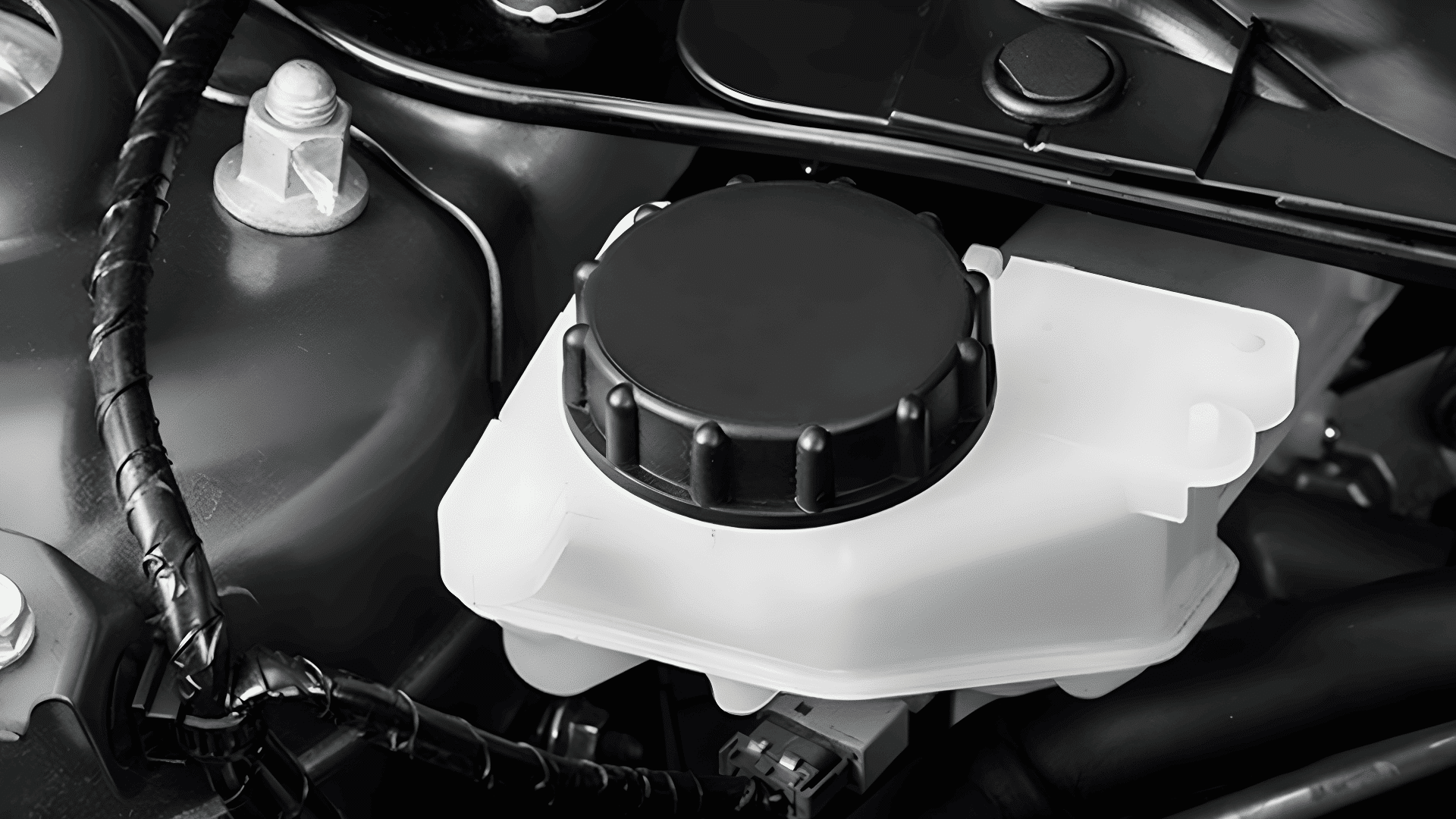
Electric vehicles don’t require oil changes, but they still need a few key services to stay reliable. These routine checks help protect the battery, improve safety, and keep daily driving smooth.
1. Battery and Motor Coolant Checks
EVs use coolant to manage heat in the battery pack, motor, and power electronics.
This coolant keeps the system from overheating and helps the car deliver steady performance. Many EVs need a coolant inspection every few years, though some models have longer intervals.
A well-maintained cooling system protects battery life, helps preserve driving range, and reduces heat-related wear.
Checking it regularly gives you peace of mind and helps the car run the way it should in all seasons.
2. Brake Fluid Service
Even with regenerative braking doing most of the work, EVs still depend on brake fluid for their hydraulic brakes.
Over time, brake fluid takes in moisture, which lowers its performance and can cause internal corrosion. Replacing it helps the brakes stay sharp and responsive, especially during sudden stops.
Since EV brake pads last longer, fluid checks become one of the main maintenance tasks.
Keeping this system healthy ensures better control and safer daily driving.
3. Cabin Air Filter Replacement
EVs use a cabin air filter to catch dust, pollen, and small particles before they enter the car.
A clean filter supports the climate system and keeps the air fresh while you drive. When it clogs, airflow drops, and the fan works harder than it should.
Replacing the filter keeps the system efficient and improves overall comfort.
Most EV makers recommend changing it every one to two years, depending on driving conditions and air quality.
4. Tire Rotation and Alignment
Because EVs carry heavy battery packs, their tires often experience faster and uneven wear.
Regular tire rotation helps balance that wear, so all tires last longer. Alignment checks make sure the wheels stay pointed correctly, which improves handling and stability.
These services also help your EV use less energy, since properly aligned wheels reduce rolling resistance.
By keeping up with tire care, you get a smoother ride, better range, and fewer expensive tire replacements.
How to Keep Your EV in Good Condition?
Electric vehicles are simple to maintain, but a few small habits make a big difference. These steps help protect the battery, improve safety, and keep your EV running smoothly.
- Check tire pressure regularly to support range and even tire wear.
- Rotate your tires on schedule for better handling and longer life.
- Follow the manufacturer’s battery care tips for steady long-term performance.
- Keep your EV charged within a healthy range instead of always charging to 100%.
- Schedule coolant inspections to protect the battery and motor systems.
- Replace the cabin air filter when airflow becomes weaker.
- Install software updates to improve performance and fix issues.
- Use recommended chargers to avoid stressing the battery.
When to Service Your Electric Vehicle?

Electric vehicles need far less maintenance than gas cars, but they still follow general service timelines.
Most EVs require coolant checks every few years, brake fluid service every two to three years, and cabin air filter replacements about once a year.
Tire rotations are usually needed every 5,000 to 7,500 miles.
You should also watch for signs that your EV needs attention, like reduced range, unusual noises, warning lights, slower charging, or uneven tire wear.
These changes can signal issues with the battery, brakes, or cooling system. Because every EV model is different, it’s always best to check your owner’s manual for exact service intervals.
The manual gives the most accurate schedule for keeping your vehicle in good shape.
Regular checks help your EV stay reliable and prevent minor issues from turning into expensive repairs over time.
Conclusion
Electric vehicles skip one of the most common car care tasks because they don’t use a combustion engine or engine oil.
That alone makes ownership easier, but it also shows how different and simpler EV maintenance can be.
Instead of frequent oil changes, you only need to focus on a few key checks, like coolant, brakes, tires, and software updates.
When you stay on top of these basics, your EV stays reliable, efficient, and ready for everyday driving. The long-term care is straightforward, and most drivers find it far easier than what they were used to with gas cars.
If you already drive an EV or are thinking about getting one, take a moment to reflect on your own experience.
Have you noticed a difference in maintenance? Share your thoughts in the comments below.