Wireless charging is one of those features you use every day, but it still feels a bit mysterious.
I remember wondering how my phone could gain power just by resting on a pad. If you’ve had the same question about how wireless chargers work, you’re not alone.
In this guide, I’ll walk you through what wireless charging really is and why so many devices use it today.
You’ll see how the charger and your phone work together, what parts make the process possible, and where the technology is heading.
By the end, you’ll understand the basics, the benefits, and even the limits of wireless charging. I’ll keep everything simple and clear so you can follow along without any tech background.
This way, you can get the answers you need and know exactly how this everyday feature actually works.
What Wireless Charging Really Means?
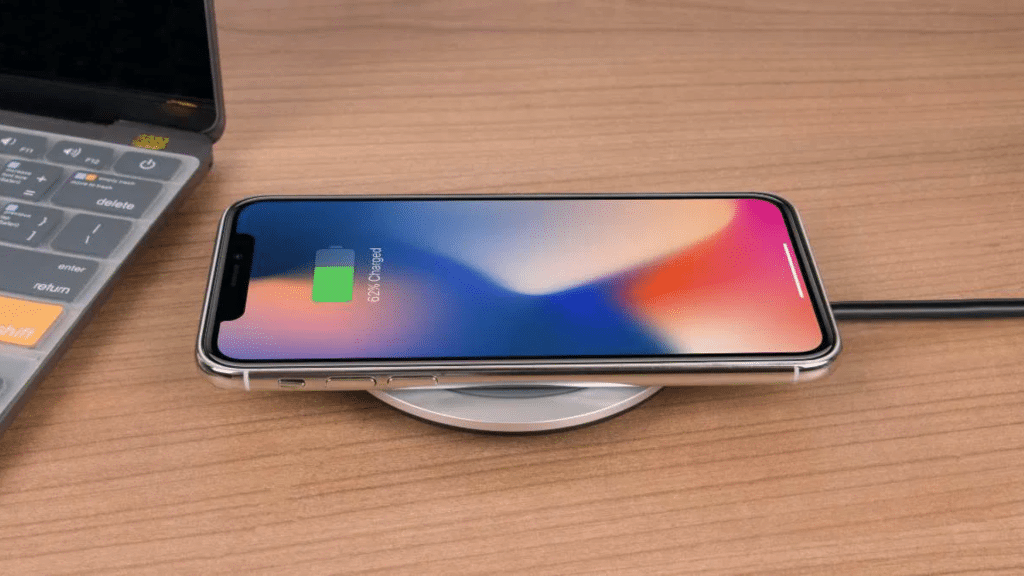
Wireless charging is a way to power your device without plugging in a cable. Instead of metal contacts or cords, the charger sends energy through a small coil inside the pad.
Your phone has its own coil that receives this energy. The power moves through electromagnetic fields, which work like invisible paths that carry the signal from the charger to your device.
When the two coils line up, the charger creates a changing magnetic field, and your phone turns that field into usable power.
This process happens only at short distances, which is why your phone needs to sit directly on the charging pad.
It’s a simple system that feels modern, but it’s built on basic science that makes everyday charging easier and cleaner.
How Does Wireless Charging Work?
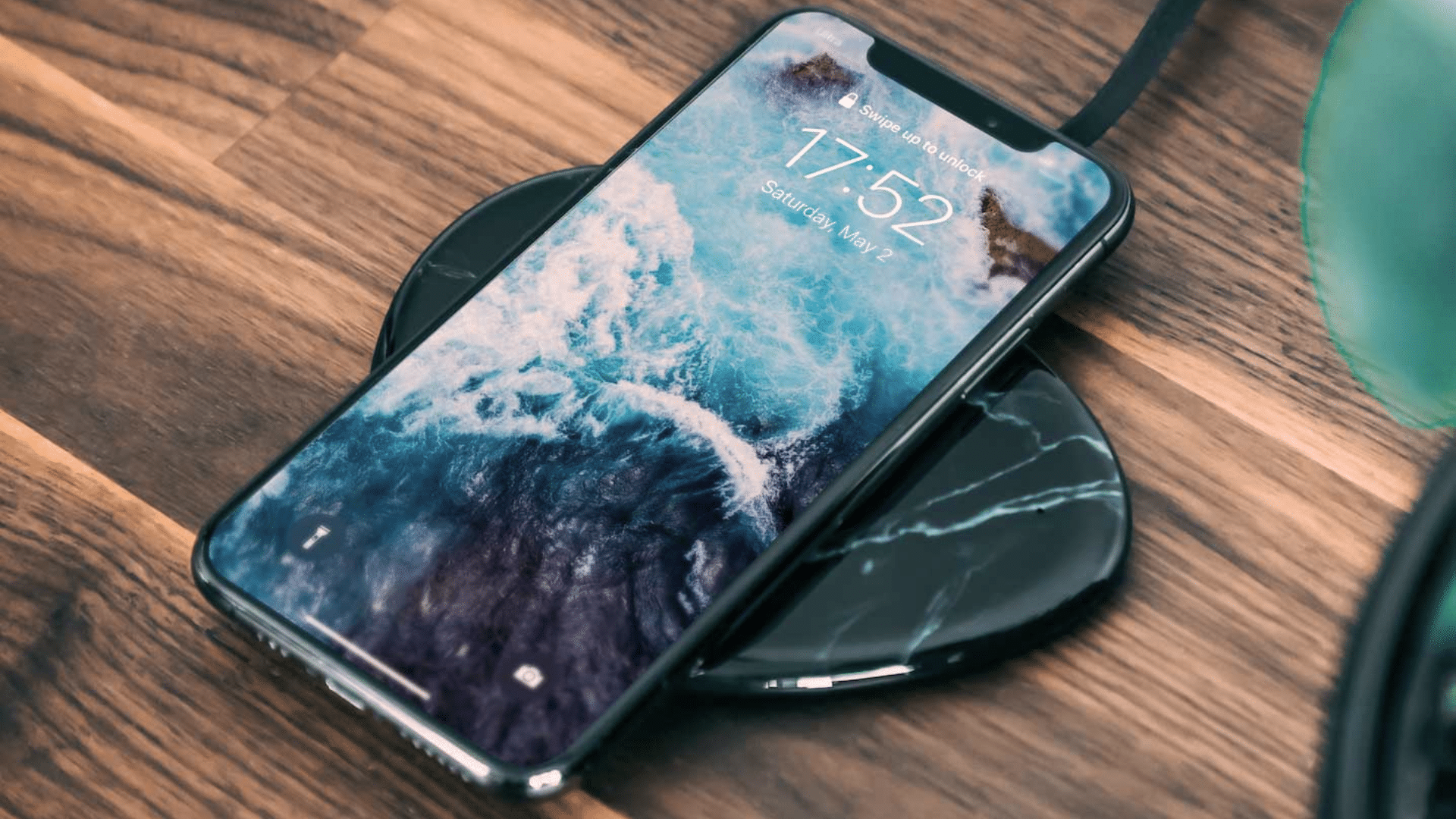
Wireless charging works through a process called inductive charging, where power moves between two coils without a cable.
The charger has a coil that creates a changing magnetic field when it receives electricity. Your phone has a second coil that picks up this magnetic field when the two coils line up.
As the field reaches the coil in your phone, it turns the magnetic energy into electrical energy.
A small circuit inside your device manages this power and sends it to the battery at a controlled rate.
The whole system works only at close range, which is why your phone must rest on the pad. This simple coil-to-coil interaction lets your device charge safely while staying easy to use.
Key Parts Inside a Wireless Charger
Wireless chargers use a few simple components to move power safely from the pad to your device. Each part plays a specific role in helping the charger send energy, manage heat, and keep the process stable.
1. Charging Coil
The charging coil is the main part that creates the magnetic field needed for wireless charging.
It’s made of tightly wound copper wire and sits near the top of the charger. When electricity flows through it, the coil produces a changing magnetic field that your phone can absorb.
This coil must line up with the coil inside your device for the power transfer to work.
Without this match, energy can’t move effectively, and charging becomes slow or may not start at all.
2. Power Transmitter
The power transmitter controls how much energy flows into the coil. It receives electricity from the adapter, changes it into the right frequency, and sends it to the charging coil.
This helps create a stable magnetic field for your device to receive.
The transmitter also helps regulate power so the charger doesn’t send too much energy at once.
It keeps the charging process smooth and safe, making sure your phone gets the right amount of power every second.
3. Adapter and Power Source
The adapter supplies electricity to the wireless charger. It converts the power from the wall outlet into a safe level that the charger can use.
A good adapter can also help improve charging speed and stability.
The power source connects directly to the charger, sending steady energy so the transmitter and coil can do their jobs.
Without a proper adapter, the charger may not work well, and your phone may charge slowly or stop charging when power levels drop.
4. Heat Management Components
Heat management is important because wireless charging naturally creates warmth during use.
Inside the charger, small parts like thermal pads, vents, or heat spreaders help control temperature. These components move heat away from sensitive areas to keep the charger running safely.
Good heat control also protects your phone from getting too warm during long charging sessions.
By keeping the system cool, the charger works more efficiently and lasts longer without losing performance.
Pros and Cons of Wireless Charging
Wireless charging makes daily use easier by removing the need for cables, but it also comes with a few trade-offs. This table gives you a clear look at both sides so you can decide if it fits your routine.
| Pros (Advantages) | Cons (Drawbacks) |
|---|---|
| No need to plug and unplug cables. | Charging is usually slower than wired charging. |
| Less wear on your phone’s charging port. | Your phone must stay aligned on the pad. |
| Cleaner and simpler charging setup. | Thick or metal cases can block charging. |
| Works with many Qi-supported devices. | The charger and phone can get warm during use. |
| Easy to use, just set the phone down. | You can’t use the phone freely while it charges. |
What Are the Different Types of Wireless Charging?
Wireless charging comes in more than one form, and each type uses a different method to send power to your device. These systems vary in range, speed, and how closely the charger and device must align.
1. Inductive Charging
Inductive charging is the most common type used in phones today. It works by placing your device directly on a charging pad so the coils in both devices can line up.
When the coils connect through a magnetic field, power moves from the pad to your phone.
This method is simple, safe, and widely supported through the Qi standard.
The close contact helps reduce energy loss, but it also means your device must stay in one spot for the entire charging session.
2. Resonant Charging
Resonant charging allows the device and charger to work even when they aren’t perfectly aligned. It uses coils that share the same frequency, letting power move over a slightly longer distance.
This gives you more freedom to place your device near the charger, rather than directly on top of it.
Resonant charging can also support multiple devices at once.
While it’s not as common in everyday products yet, it offers more flexibility than basic inductive charging and can reduce placement issues.
3. Long-Range or RF-Based Charging
Long-range or RF-based charging sends small amounts of power through radio waves instead of coils.
This method can charge devices several feet away, making it useful for low-power items like sensors, trackers, or smart home gadgets.
Your device doesn’t need direct contact with a pad, which adds convenience.
However, the charging speed is much slower than inductive or resonant systems. It’s designed for maintaining battery levels rather than fully charging larger devices like phones or tablets.
Safety Features in Wireless Chargers
Wireless chargers use safety features that keep charging stable and protect both the charger and your device.
One key feature is overheating protection, which uses sensors to monitor temperature and lower power if the charger gets too warm.
This helps prevent battery stress and keeps the charger safe during long sessions.
Another important feature is foreign object detection, which stops power if metal items like keys or coins are placed on the pad. This prevents unwanted heat and reduces risk.
Wireless chargers also use power control systems that adjust energy flow so your device receives only the amount it can safely handle.
These systems prevent overcharging, reduce strain on the battery, and help your phone charge smoothly.
Together, these features make wireless charging safe, controlled, and reliable for everyday use.
What are the Benefits of Wireless Charging?
Wireless charging gives you a simple way to power your devices without dealing with cables. It improves ease of use, protects your phone’s hardware, and works across many devices thanks to the Qi standard.
1. Ease of Use
Wireless charging is easy because you only need to place your device on the pad, and the process begins right away.
There’s no plugging or unplugging, so it feels smoother during busy routines or when you charge multiple times a day.
This helps at night, at work, or while cooking, since you can pick up your phone and set it back down easily.
The simple drop-and-charge design makes the whole process feel more natural and removes the small frustrations that come with tangled or worn-out cables.
2. Reduced Wear on Charging Ports
Since wireless charging doesn’t rely on constant plugging, your phone’s charging port stays in better condition over time.
Ports can loosen, collect dust, or suffer damage from frequent cable use, especially if the phone is used while charging. Wireless charging reduces that strain and helps your device last longer without repair issues.
It’s especially helpful for older phones or devices that have delicate connectors.
By lowering physical wear, wireless charging helps maintain performance and keeps the internal hardware safe from damage caused by repeated pressure or movement.
3. Compatibility Improvements with Qi Standard
Most wireless chargers use the Qi standard for reliable, cross-device charging.
You can use the same charger for phones, earbuds, and other accessories that support Qi, reducing the need for multiple cables.
The standard also ensures safe power transfer, stable charging speeds, and strong protection features. As more companies adopt Qi, you’ll find compatible chargers in homes, offices, cars, and public spaces.
This wide support makes wireless charging more flexible and practical, giving you a consistent experience no matter where you are.
Tips to Get Faster Wireless Charging

Small adjustments can make wireless charging quicker and more reliable. These tips help your phone receive steady power and keep the process running smoothly.
- Proper phone alignment: Place your phone so its coil lines up with the coil in the charging pad. Even a small shift can slow the process, so try to center it for the best power transfer.
- Using certified chargers: Choose chargers that are Qi-certified to ensure safe and consistent charging speeds. Certified chargers follow tested standards and deliver power more efficiently.
- Removing thick cases or metal objects: Thick cases, metal plates, and magnetic accessories can block the signal between the coils. Removing these items helps the charger send power smoothly, improving overall speed.
Conclusion
Wireless charging has become a simple way to power everyday devices, and understanding how wireless chargers work helps explain why this cable-free option is so convenient.
As the technology improves, wireless charging keeps getting faster and more reliable.
From the coils inside the charger to the safety tools that control heat and power, each part plays a clear role in how your phone charges without a cable.
It’s a helpful option when you want convenience and less wear on your device, especially if you charge often throughout the day.
If you’ve tried wireless charging at home, at work, or in your car, I’d love to hear how it’s been for you.
Share your experience in the comments below so others can learn from it too.