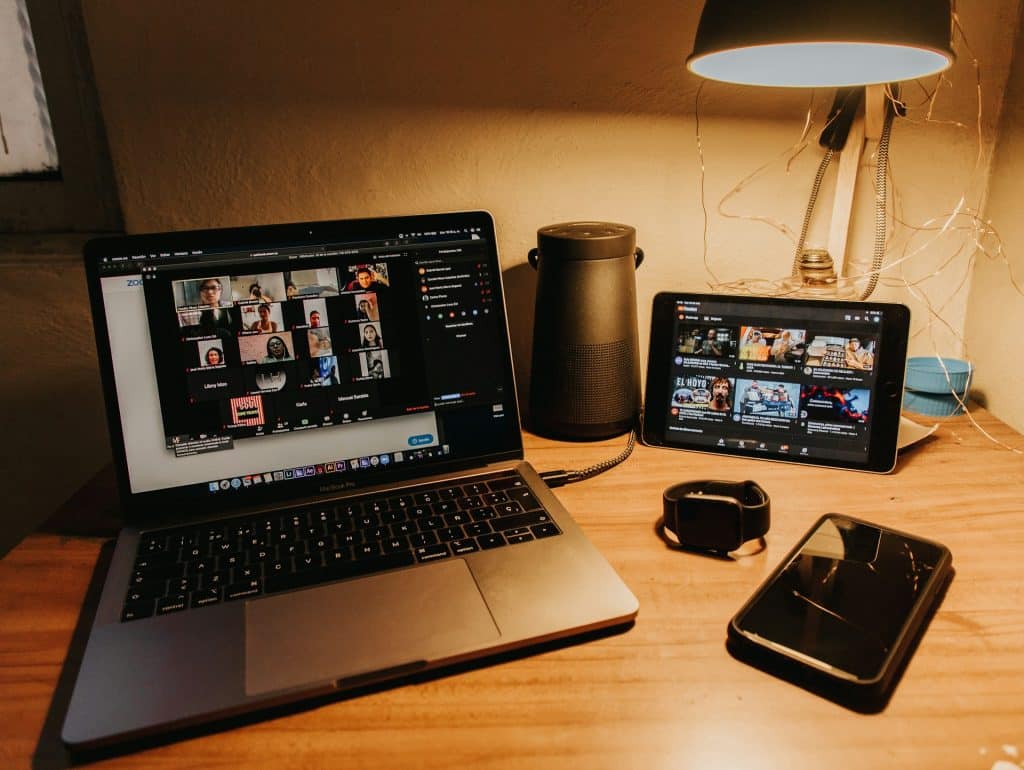
Hybrid events did not stir the industry into chaos. They emerged out of necessity, were driven by experimentation, and now they’re leading the way into the new era of coming together, learning, and connecting. At first, the experience was very flat – just a live event with the camera aimed at the stage. Today, the truth is very different. In-person technology has transitioned from the behind-the-scenes player to the main infrastructure supporting the overall experience, from the time the attendee arrives to when they depart.
The thing that’s changed isn’t the technology itself, but how it’s being used. The question that event planners used to ask changed from ‘What tools should we use?’ to ‘How can we make sure that all participants are included – whether that’s in-person or at home?’ It is that mindset that is redefining what a hybrid event looks like.
The New First Impression: Smarter, Smoother Check-Ins
Checking in was just an inevitable hassle. Long lines, paper badges, and last-minute fixes for people’s names being misspelled. Now, in the hybrid world, this process has become the first key moment in establishing that tone.
The check-in process of the present day is swift, personalized, and – to a degree – human. The use of QR code entry, mobile apps that are integrated into registration, and touchless self-service check-in counters doesn’t save time – it eliminates friction. The attendees who arrive without worry arrive curious.
What’s particularly powerful is that check-in tools are now connected directly to the event’s online aspect as well. A badge scan may enable access to a customized agenda within the event app. A single tap may alert online colleagues that the person has checked in. This is where hybrid events cease being two distinct events and begin to integrate into a single space.
“For the organizers, the advantage is clarity. Thanks to real-time attendance data, you know who is in the room, who is late, and which sessions are attracting visitors – that kind of information used only to be relevant after it was moot.”
On-Site Tech as the Bridge, Not the Spotlight
It doesn’t require the best event technology to attract notice. It only facilitates connecting.
For hybrid events, local resources serve as translators between the physical and virtual environments. Cameras follow speakers and audience reactions. Microphones receive audience questions and transmit them effortlessly to online platforms. Touchscreens display real-time polls, including both physical and online responses.
“The magic takes place when no one pays attention to the technology itself – but only the conversation it makes possible.”
A presenter at a conference described how adding simple audience mics in the room and facilitating digital Q&A enabled a completely different experience for the presentations. The online attendees no longer felt as if they were just watching a presentation, and the in-room participants began to feel they were part of a larger conversation as well. The feeling of “we’re all in this together” does not just happen; instead, it is created.
Engagement is No Longer Optional.
If hybrid events have taught us one thing, it’s that attention is fragile. Whether someone is sitting in a conference hall or watching from their laptop at home, engagement has to be earned.
On-site technology now plays a significant role in maintaining high energy levels. Live polling tools, real-time feedback screens, and interactive elements built into sessions spur participation over passive listening. When attendees see their opinions reflected instantly – on a screen, in a discussion, or through follow-up content – they feel heard.
This is also where audio and visual enhancements matter more than ever. Clear sound, dynamic visuals, and well-timed transitions are essential for hybrid success. Even subtle tools, like automated captions or enhanced narration powered by voice-over AI, can make sessions more accessible and easier to follow for remote participants without disrupting the on-site flow.
The key is in balance. Tech should be an invite-in, not an overload. The best hybrid events have intentionally designed moments of engagement, placed naturally throughout the experience, not stacked feature after feature.
Real-Time Data Changes How Events Are Run.
In the past, the data resulting from an event were analyzed after the entire process had occurred. However, current technology has made data an instrument for real-time decision-making.
Organizers can track which sessions are not performing well and adjust seating assignments. They can spot a decline in participation and encourage moderators to change their format types. Organizers can also track networking that has not yet occurred and which subjects are being discussed most online versus offline.
Such real-time visibility alters team confidence during an event. They will then address issues before they become significant problems.
This is even more important in hybrid events. It helps keep things equal. Because it gives you an idea when online participants are not interacting equally with others, this is not an error; it is an indicator. It is possible only through the presence of technology at the venue.
Networking is Finally Catching up
The aspect of hybrid events that’s hardest to implement is networking. You can live stream a keynote without any issues, but how do you recreate the hallway effect?
However, on-site technology is beginning to bridge this gap. With the advent of intelligent badges, proximity sensors, and “matchmaking” apps, participants can connect with relevant people in real time. This is also done through interaction screens that suggest people to meet based on their interests. There are also events where physical lounges are combined with virtual breakout rooms.
What matters is that the in-house tech does not substitute for offline networking; it facilitates it. A nudge, in the form of a digital cue or follow-up recommendation, may be all it takes to encourage deep, continued conversations after the meeting ends.
Hybrid networking is more effective if the experience is identical whether one is there in person or online. If live attendees can connect via guided meetups, then online attendees must be able to as well. This is possible with live tools.
Turning Event Feedback into Lasting Value
One of the key moments of long-term value that on-site technology provides is at the very end of the event, when organizers think about reputation and social proof. Smart kiosks or mobile prompts near exits invite in-person attendees to give feedback while it’s fresh. Virtual attendees get the same prompt online. By integrating these systems, organizers can collect testimonials, ratings, and comments instantly in one place—and even encourage teams to download Google reviews afterward to analyze patterns, spot strengths, and areas for improvement. This takes what would be a passive afterthought in the form of feedback and makes it an active part of the event strategy, an essential pillar in helping future hybrid events feel more refined, responsive, and centered around the attendee.
The Role of Staff is Evolving Alongside the Tech.
As technology integration deepens, the event staff’s role changes; they are no longer just logistics managers but experience facilitators.
On-site teams use dashboards, mobile controls, and communication tools now to coordinate in real time with virtual production crews. The session host might use a dashboard to display live feedback from online attendees while he is on stage. A technician could adjust lighting or sound based on data about remote viewers.
This fusion of human judgment with technical support is what makes hybrid events feel alive and not mechanical.
Training is key here: the best tech in the world won’t help if the staff isn’t comfortable using it. Consistently, event teams that invest time in rehearsals and scenario planning deliver smoother, more confident experiences.
Closing the Loop at Check-Out
The event experience doesn’t end when the last session wraps-it ends when attendees feel closure.
On-site tech now plays a role in this final moment, too. Automated feedback prompts, personalized content summaries, and instant access to recordings help attendees process what they’ve learned. For hybrid events, this is especially important-it really drives the point home that both audiences were valued equally.
Some organizers post-event recaps with enhancements using voiceover AI, transforming session highlights into shareable content instantly to extend the event’s life and keep conversations going long after check-out.
This is not just about marketing; it’s about respecting attendees’ time and attention.
Designing Experiences, Not Just Events
Hybrid events are no longer pilot projects. They’re the norm – and on-site tech is the behind-the-scenes factor that will determine the success of these events.
Starting with effortless check-ins and extending to informed decisions, inclusive engagement, and quality networking, it is apparent what the future of on-site tech holds: it is there to connect, not distract. When executed well, it removes a clear understanding of where physical and virtual space meet.
Hybrid events are soon going to be shaped not by how many tools are available, but by how many are used with compassion and intention. And when this happens, every single person, whether they’re in the room or not, will feel like they belong.