Digital wallets have made it possible to store and access more money than a physical wallet could ever hold. This technology has evolved over the last 30 years, moving from simple payment systems to all-in-one financial hubs. This evolution is driven by technological advances such as tokenization and Near Field Communication (NFC).
But how did it all begin? Let’s trace the story of the digital wallet.
The Early Days of Digital Wallets (Pre-2010 to 2015)
In the early 1990s and early 2000s, friction and fraud plagued the e-commerce world. Consumers were deeply hesitant to enter their physical credit card numbers into an unverified website, and merchants were wary of callbacks and failed transactions after sending goods. These challenges pushed developers into action, and platforms like PayPal and Coinfinity were born.
Giants like eBay incorporated PayPal and transformed it into the world’s first widely adopted digital payment tool. This was proof that software could replace physical checks and wire transfers for everyday consumption.
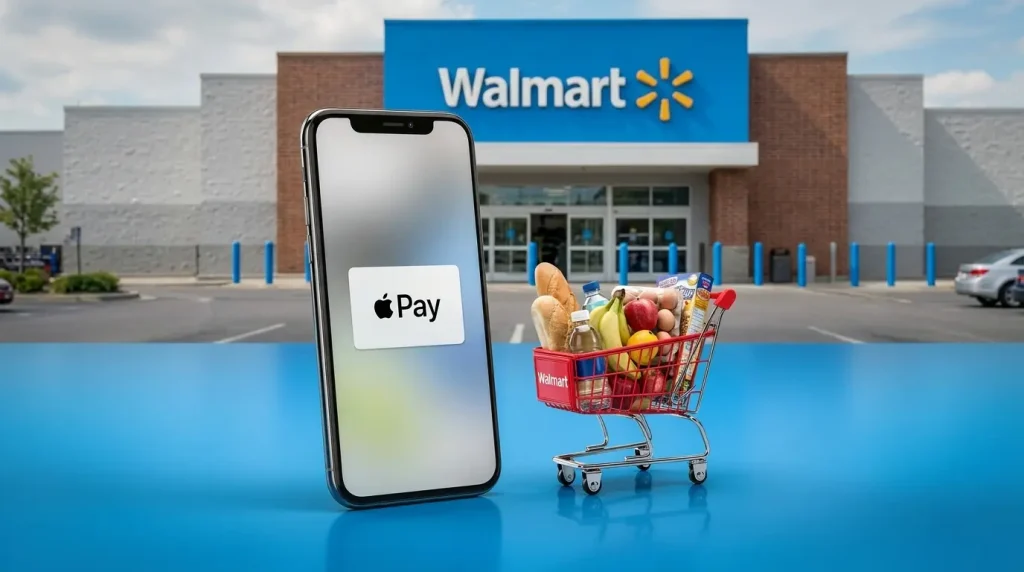
The rollout of NFC chips in smartphones was a key driver of industry growth. Later, platforms like Apple Pay, Google Wallet, M-Pesa, and others also emerged. The earlier versions, however useful they were, still lacked the convenience that the evolving digital market demanded.
The Move to Everyday Convenience (2015 to 2020)
The next stage in the evolution of digital wallets was driven by convenience. People wanted platforms that let them send and receive money, pay bills, use contactless payments, and enjoy a more secure infrastructure. Within these five years, digital wallets transitioned from a hardware novelty into an everyday social retail habit, eliminating cultural and merchant friction.
The hallmarks of this era include massive merchant point-of-sale (POS) hardware, standardized back-end security, and greater access to peer-to-peer (P2P) transfers. Apps like Venmo and Cash App led this trend, turning activities like splitting bills into a social activity. Europay, MasterCard, and Visa (EMV) led many improvements, bringing merchants into compliance with modern, internet-connected payment terminals.
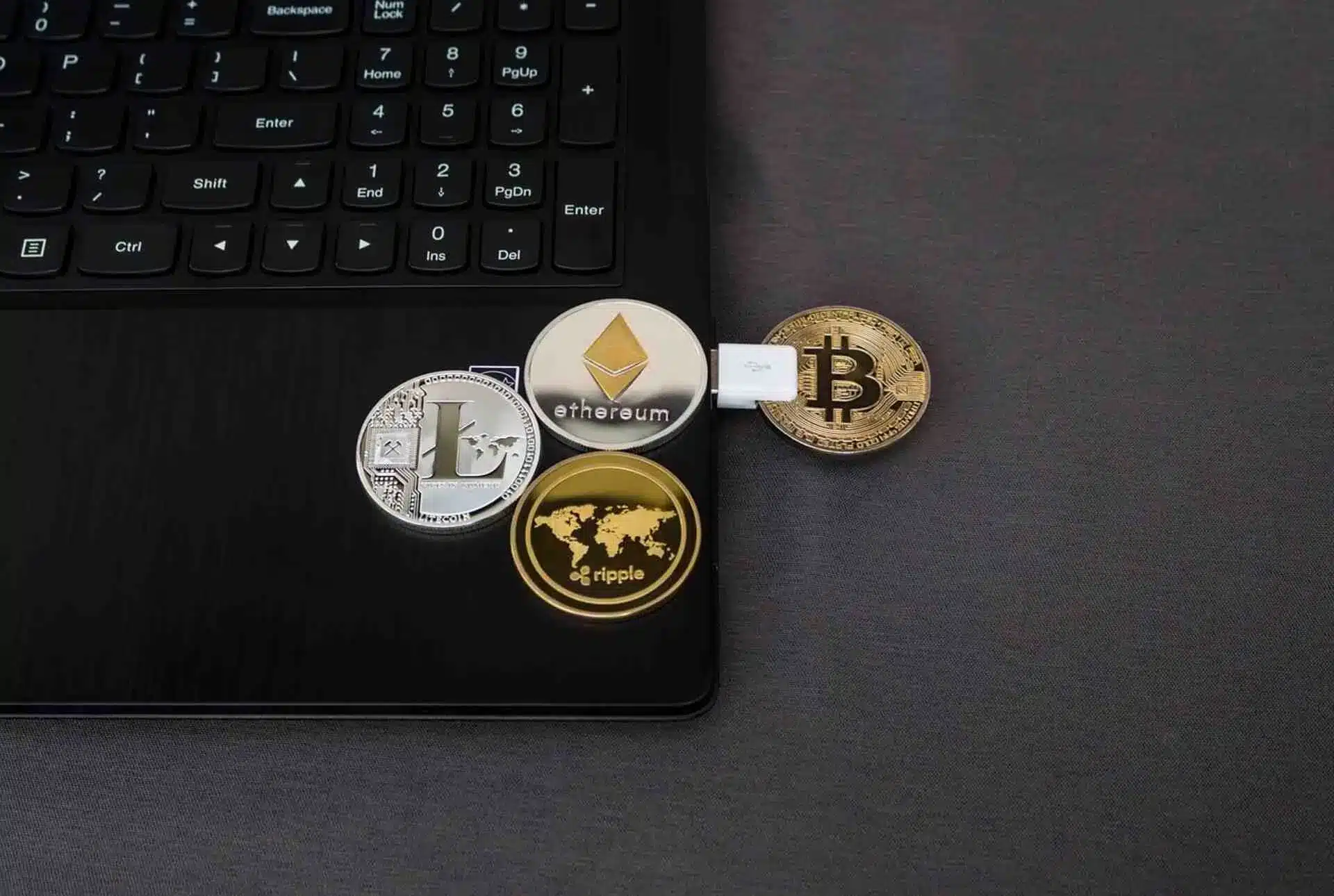
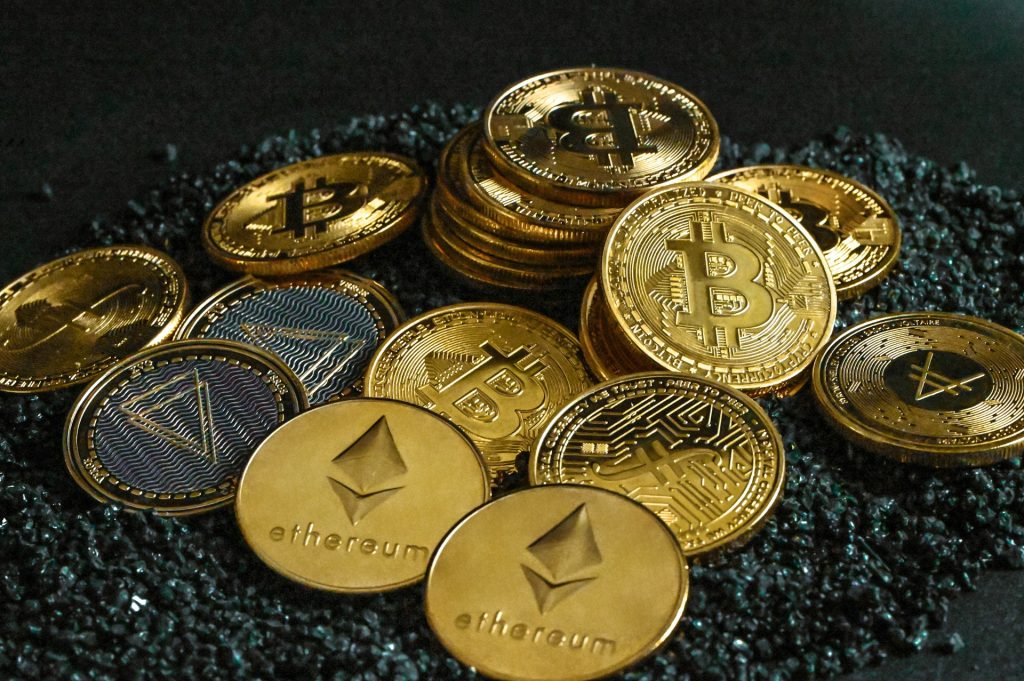
Tokenization was the main technology driving explosive growth in this era. The industrial-scale adoption of tokenization demonstrated that digital wallets were architecturally superior to physical plastic cards. Consumers welcomed the use of biometric authentication (Face ID/Fingerprint) for frictionless payments. This period also saw the rise of blockchain-based payment systems that use Bitcoin, Ethereum, and other cryptocurrencies to process digital payments.
The Rise of the Financial Hub
The demand for additional functions, such as loans, interest on savings, investments, and identity verification, has led to the expansion of wallet features. Today, thanks to Open Banking, modern digital wallets are now one-stop shops for consumers who want to manage their finances from one place.
There are several important areas where wallets have transformed personal finance for users.
Loans and Investment
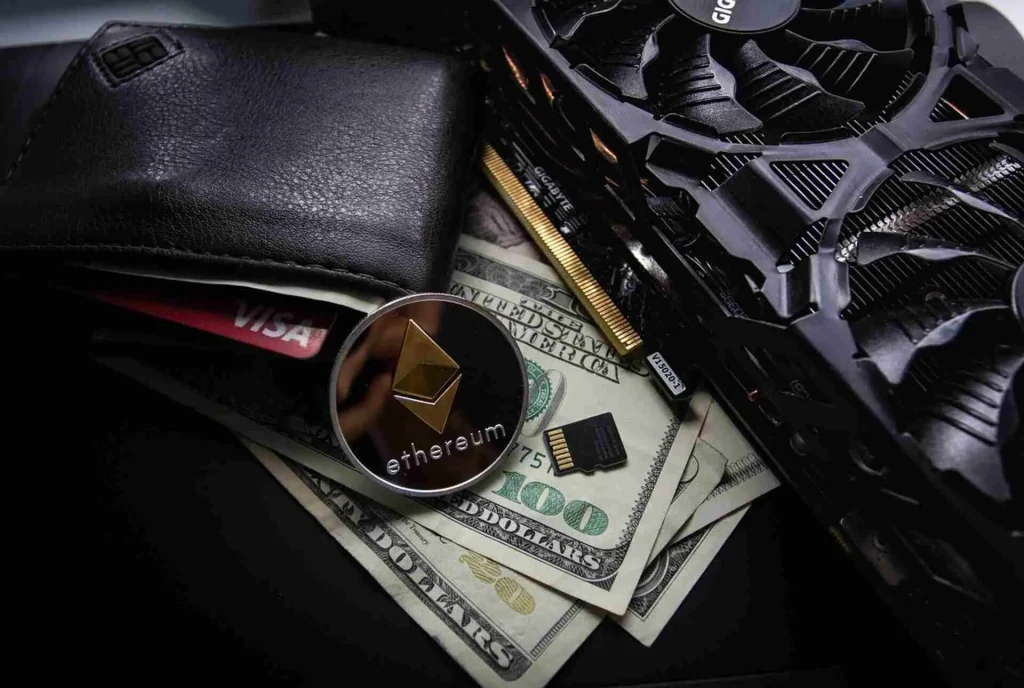
Whether it’s stock trading, forex, or crypto, wallets now offer purely fiat or crypto services, or combine both, making it easier for users to trade, send, and receive crypto and fiat in the same place. Blockchain wallets even offer direct integration with fiat payment platforms and high-yield interest accounts. Some digital wallets now connect directly to a crypto trading platform, allowing users to buy and sell digital assets without leaving the app.
Identity Management and Secure Storage
Today, we are in the era of digital identity, where a person’s identity, like a driver’s licence, passwords, medical IDs, etc., is all integrated into digital wallets. This makes transactions even more seamless. For many people, their digital wallets now serve as IDs for verification. Apple Wallet, Alipay Wallet (China), Samsung Wallet, and Google Wallet all support storage of digital IDs, which are accepted in some select US states.
Interests and Rewards
Many users are exploring digital wallets for high-yield interests and managing their loyalty rewards from merchants. Fintech firms and Decentralized finance (DeFi) platforms usually offer slightly higher interest rates, attracting people seeking higher returns. This is driving up numbers, especially as tokenization bridges the traditional and digital markets.
As merchants reward loyal customers with points redeemable for gift cards and other items, they can store these items in their wallets for later use or even trade them for cash on other platforms.
Cross-Border Payments
Modern wallets are widely used for international payments because they offer a better way to send and receive money than traditional banking. Today, a user in Tanzania can send money to a remote location in Tibet within minutes. A customer can instantly purchase digital books from Amazon, all the way from a tiny village in Mexico. These possibilities exist because of digital wallets.
The Future of Digital Wallets
Currently, merchants and consumers are moving towards Internet of Things (IoT) payments, where cars can pay for gas or electric recharges, and smart devices can communicate with one another and complete payments for users. This will transform payments, as machines would need less human intervention to initiate and complete payments.
Governments are not left out of the trend. Many countries are now working on Central Bank Digital Currencies (CBDCs), moving their fiat currencies into the digital world. This expands the economy, opening up new windows of opportunity and reducing costs associated with the fiat system. CBDCs will break down whatever barriers remain due to geographical limits.
Wrap Up
Few technologies have impacted our world today as much as the digital wallet. From simple payment tools, wallets now power global financial transactions. Cutting across most age groups and locations, wallets bridge the divide, allowing anyone to access financial services from anywhere. This has improved access to global markets and is helping the global economy become more connected.