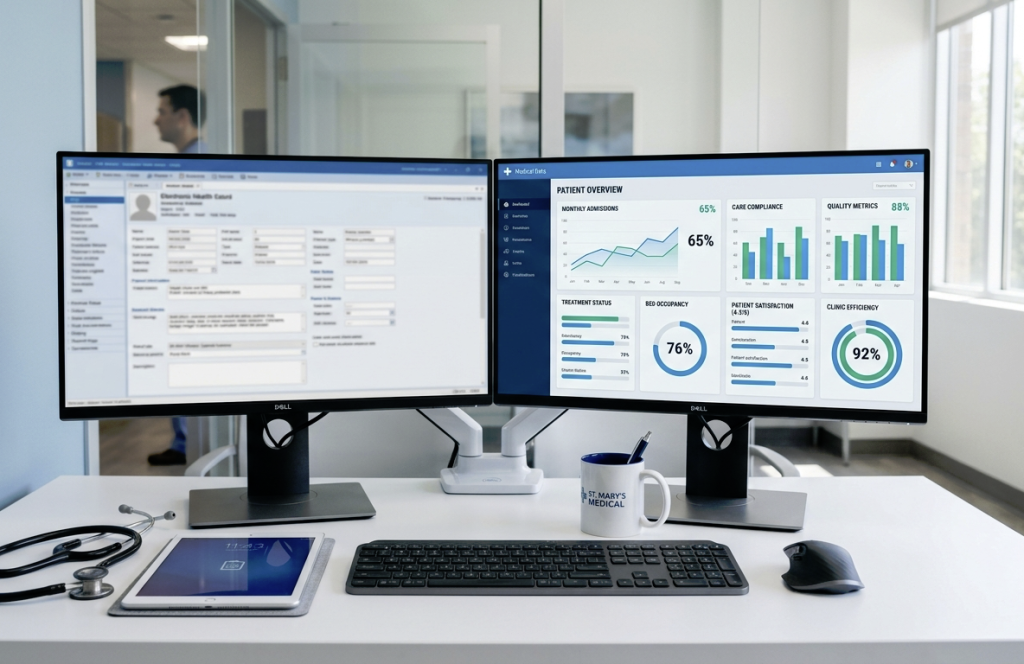
The market is growing and changing: we used to go to offices, dreaming only of a comfortable workspace and the best conditions. Today, a home office seems like the perfect place: you work from anywhere in the world, adjust your home routine to your schedule, and avoid wasting time commuting.
Of course, not all professions offer remote positions: you’ll never be able to give a client a manicure or build a house online. But changing fields and starting a new career is always an option. Is it possible to start without digital experience, and which fields are hot in 2026? Find out in our beginner’s guide!
The Benefits of Remote Work in Digital Space
Yes, there are a lot of myths surrounding online work these days – some have literally turned it into “work in your pajamas without any special skills”. In fact, remote work can be convenient for many, but it’s not a solution to every problem. And it certainly doesn’t automatically make work easy. Let’s highlight the real benefits of online positions without rose-colored glasses:
- Mobility. You’re free to work in other locations: if team communication is clear and you complete tasks, you don’t even need to take a vacation while traveling: no one’s stopping you from going to the beach after work instead of dinner.
- Access to a global market. Of course, this comes with its own nuances: not all countries allow you to work full-time without local citizenship, but modern contracts solve even this. Many online industries have varying average salaries – why not choose the most lucrative one?
- Time savings. The average American spends about 52 minutes commuting to work daily: that’s about 9–10 days a year, almost half of your days off! You’re not doing anything productive; essentially, these are just hours of your life that you could have spent more purposefully. And while it’s not exactly about the money, it’s also valuable.
- Flexible conditions for combining jobs. Part-time online work is perfect for creative people, students, and those who want to combine several activities. Choose jobs with flexible hours or project-based work: copy paste jobs are perfect to gain experience and combine routine tasks with your life.
Yes, these formats aren’t for everyone: if you’re accustomed to close-knit teamwork, a corporate office lifestyle, and aren’t ready to manage your time independently, you’ll have a tough time at first. But who said the game isn’t worth the candle? Some doors close, but others open – where you feel freer, can think bigger, and choose from a wider range of options.
The Best Easy Jobs for Beginners
We’ve already discussed that there are almost no easy jobs: it’s not because of remote positions, but because tasks are tasks. Work from home chat jobs and online support offers require minimal skills; essentially, you learn as you go. Is there more? We analyzed successful vacancies for 2025–2026 and highlighted the most promising positions:
|
Job title |
What you do |
Skills needed |
Why it’s easy to start |
|---|---|---|---|
|
Virtual Assistant |
Handle emails, calendars, and basic admin tasks |
Organization, basic English, Google Docs/Sheets |
Tasks are repetitive and easy to learn |
|
Data Entry Specialist |
Input, update, and organize data |
Accuracy, attention to detail |
No creative or technical skills required |
|
Customer Support Agent |
Answer customer questions via chat or email and prepare reports |
Communication, problem-solving |
Scripts and templates guide your work |
|
Content Moderator |
Review posts, comments, or images |
Focus, platform rules knowledge |
No client interaction or creative pressure |
|
Social Media Assistant |
Schedule posts, reply to comments |
Social media basics, consistency |
Tools simplify most tasks |
|
Transcriptionist |
Convert audio or video into text |
Listening, typing speed |
Clear rules and predictable workflow |
|
Online Research Assistant |
Collect and organize information |
Google search, basic analysis |
Tasks follow clear instructions |
|
Email Support Assistant |
Respond to customer emails |
Written English, attention to tone |
Pre-written responses reduce complexity |
Most of the vacancies are corridor positions, meaning you can advance your career as you gain experience. But remember, you don’t need to immediately commit to one job as your “one and only”. Besides working independently, your job as a newbie is to understand the general rules, work in sync with the team, and decide which conditions are most important to you remotely. Set personal boundaries and create a schedule to avoid burning out before your first promotion.
Hidden Pitfalls Beginners Should Know About
Beginners are lucky that many processes are automated, and the tasks are simple. We think you’ve already noticed the key requirements for entry-level positions, which are universal for all vacancies: responsibility, time management, and independence. Also, be prepared to face these challenges at the start:
- High competition. You’re not the only one looking to move into a new field and earn money right away – some positions receive dozens of applications a day. So, reduce your expectations and be patient.
- Low salary. Yes, you’re not starting from scratch, but it’s still a start: you’re gaining experience and skills rather than money. “Expectations” should be your go-to word during this period.
- Fake offers. In case you’ve forgotten the basic rules of internet hygiene: if something is good to go, it probably is. Salaries well above average, minimal skills, super flexible hours, and bonuses with no experience or knowledge requirements are most likely scams. Invest in your cybersecurity and protect your information while looking for your first job.
Some newcomers may have special requirements, such as time trackers or daily reports. This isn’t universal, but you’ll see it often: it’s up to you whether to accept such offers or not. But you should definitely be prepared for additional challenges when sending your resume to various places.
How to Build a Resume for Entry-Level Remote Jobs
Don’t worry if your relevant skills are minimal. Regardless of the field, entry-level, friendly positions require training or expect you to navigate the job on your own. Focus on skills. Required: confident PC user, Microsoft Office skills, and self-organization.
You can also add your experience in other fields. Of course, a barista’s resume won’t work for a newbie marketing assistant. But if you have skills that will be needed in the future, list them separately: working with a CRM system, reporting skills, communication, and customer focus. The more interview invitations you receive, the better. Even if your first negotiations aren’t successful, you’ll lay a foundation for the future.
The digital world has become broader, the workforce more diverse, and job openings more beginner-friendly. Want to try your hand at a role? There’s no better time than now. These tips will help you get inspired, explore hot opportunities on the market, and land your first offer. Good luck!