You may be excited by the idea of getting behind the wheel of an RV and hitting the open road. Whether you love being in nature, taking road trips or exploring new destinations, an RV could be an exciting way to travel. But before you start your RV adventure, you’ll want to do some research and avoid the mistakes first-timers commonly make.
If you’re considering buying a new RV or repairing and renovating a used RV, you could get the money you need upfront as a lump sum with an RV loan. You’ll pay back the loan in predictable monthly payments and a set payoff date, which could make your new purchase easier to budget for.
Keep reading for some common mistakes first-time RVers make and how to learn from them.
Buying an Rv without Testing It out First
If you’re thinking about buying an RV for the first time, you may want to rent before you commit. Renting an RV, especially if you can try out several different models over a period of time, could give you a better sense of the size and scale of each, how much room they have inside and how they drive — or how they hook up to your vehicle.
You may also need a special license to drive certain types of RVs, so it’s best to check with your local DMV before you get too far into the process.
Choosing an RV that you feel comfortable operating will help set you up for a more enjoyable, safe and successful journey.
Overlooking Basic Maintenance Skills
Learning how to operate an RV goes beyond driving, parking and maneuvering it around a campground — you’ll also want to know how to maintain an RV inside and out. While you may not become an expert overnight, knowing how to troubleshoot common issues can save you from calling (and paying for) a professional every time an issue comes up.
Of course, you’ll want to learn these skills from someone who is experienced and knowledgeable in your area.
Forgetting About Hidden Costs
Beyond the sticker price of an RV, it’s important to consider the costs that come with any vehicle, including insurance, title and registration, maintenance and fuel, as well as campground and parking fees and storage if you’re using it seasonally. You’ll also want to budget for utilities, like water and electricity.
Additionally, you’ll want to think about how to outfit your RV, especially if you plan on living in it for a considerable amount of time, and the type of supplies you’ll need to keep stocked. For example, you’ll need leveling blocks to stabilize your RV when you park, extra drinking water and sewage hoses and a spare tire and jack.
Overpacking Your Vehicle
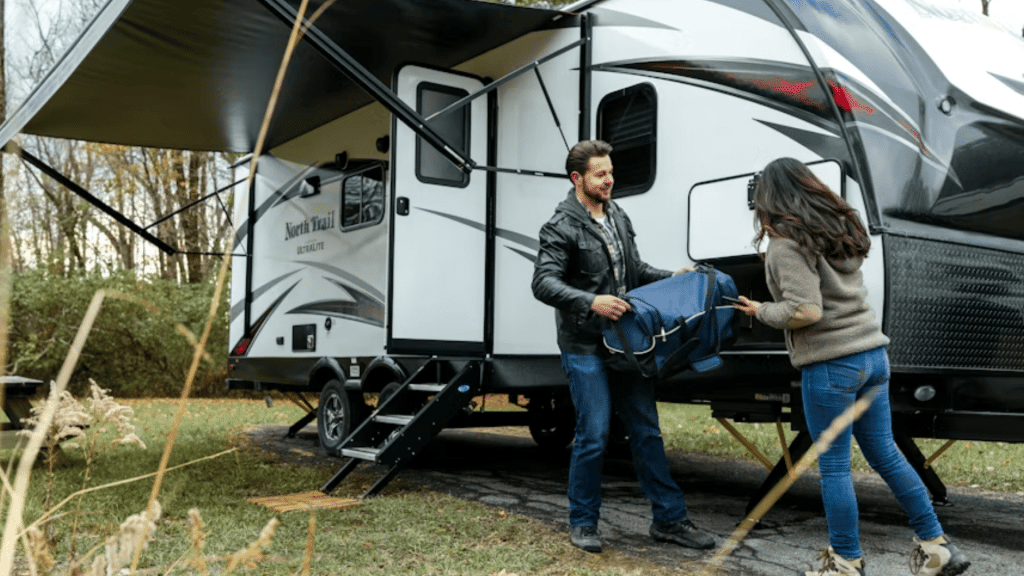
If you pack too much, not only will your RV feel cramped, but you may also weigh down your vehicle with stuff you don’t need or won’t use. Increased weight may lead to higher fuel costs since your RV will need to work harder to drive, and you may find yourself having to sell, donate or give away items while you’re on the road.
Instead, take time to carefully consider the essentials that you need with you, like food, water, weather-appropriate clothing, toiletries, extra blankets and any supplies you need to keep up with standard RV maintenance. If you’re moving into your RV full-time, you’ll need to be even more thoughtful about what comes with you.
Learning how to store your items properly is another important tip — anything that isn’t secure could get loose while you’re driving, which could be a safety issue.
Driving Too Far from Home at First
If you’re taking out an RV for the first time, it may not be the best idea to choose a destination far from home. By staying nearby, you’ll be able to gain experience with the vehicle in an area you’re familiar with and build your confidence as a new RVer.
If you run into a maintenance issue, bad weather or need other help along the way, you’ll likely know who to call for assistance.
Learn from Other R Vers’ Mistakes
If you’re new to RV life, one of the best ways to prepare is to think about and research common mistakes first-time RVers often make. Test out different RVs before you invest in one, learn basic maintenance skills, be realistic about the costs, try not to overpack and stay close to home for the first few trips.
Following these guidelines could help you stay safe and make the most of your RV experience.
Notice: Information provided in this article is for information purposes only and does not necessarily reflect the views of boomset.com or its employees. Please be sure to consult your financial advisor about your financial circumstances and options. This site may receive compensation from advertisers for links to third-party websites.