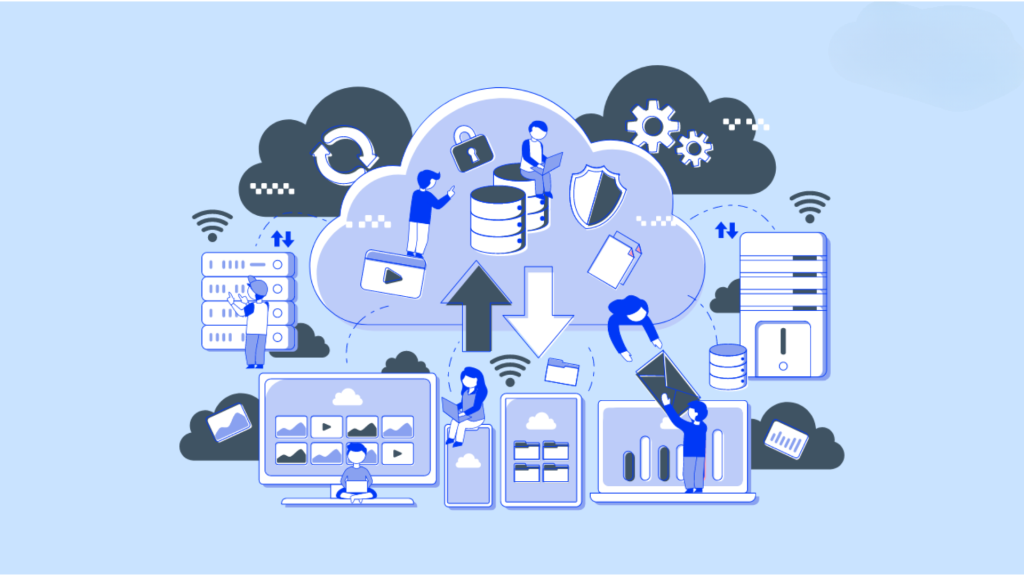
Choosing the right cloud setup can feel confusing without a clear understanding of how different environments are structured.
This blog breaks down the core ideas behind cloud deployment models and explains how they shape the way cloud services are hosted, managed, and used by businesses.
Learn what deployment models are, why they matter, and how they impact cost, security, control, and scalability.
The discussion covers the main types, including public, private, hybrid, and community deployments, along with their practical use cases.
Key benefits, common challenges, security considerations, and selection tips are also explained to support better decision-making.
I aim to make this topic easy to understand so readers can confidently match business needs, data requirements, and future growth plans with the right cloud approach.
What Are Cloud Deployment Models?
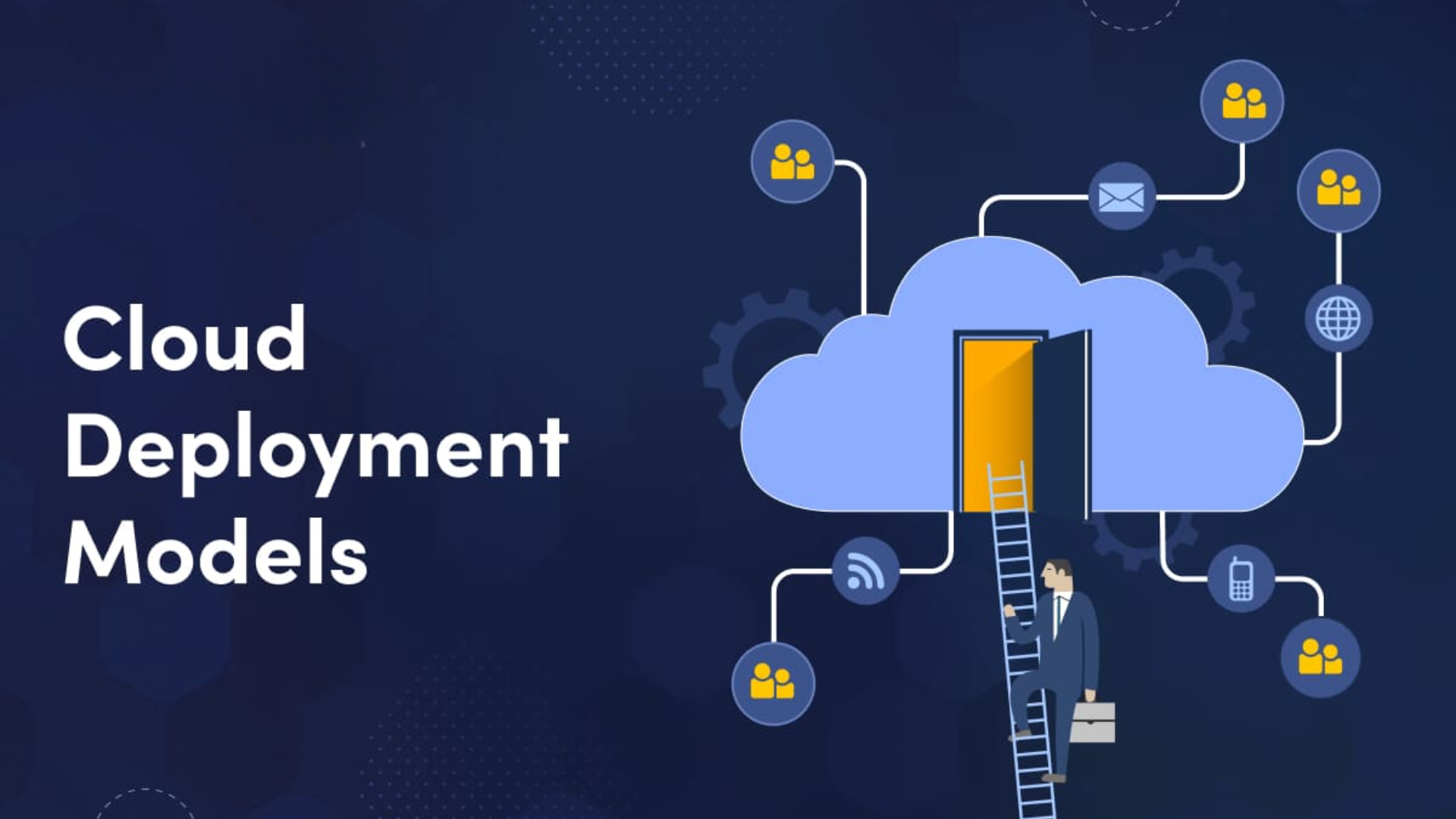
Cloud deployment models explain how cloud services are set up and delivered to users.
In simple terms, they define where cloud resources live, such as on shared servers or private systems, and who owns and manages them.
Deployment models are the structure behind every cloud environment. These models also decide how much control a business has over its data, applications, and infrastructure.
Third-party providers manage some deployment models, while others give complete control to a single organization.
Understanding this helps businesses choose a cloud setup that matches their needs, security expectations, and budgets.
Why Do Cloud Deployment Models Matter?
Cloud deployment models matter because they shape how a business uses cloud technology day to day.
Each model affects cost by deciding whether you pay only for what you use or maintain dedicated resources.
Beginners focus on pricing first, but there is more to consider. Control is another key factor.
Some deployment models give businesses complete control over their data and systems, while others rely on third-party providers to manage everything.
Security also changes based on who owns and maintains the infrastructure. Scalability is just as important, since some models allow quick growth without extra setup.
Understanding these differences helps businesses choose a cloud deployment model that fits their size, goals, and plans.
Types of Cloud Deployment Models
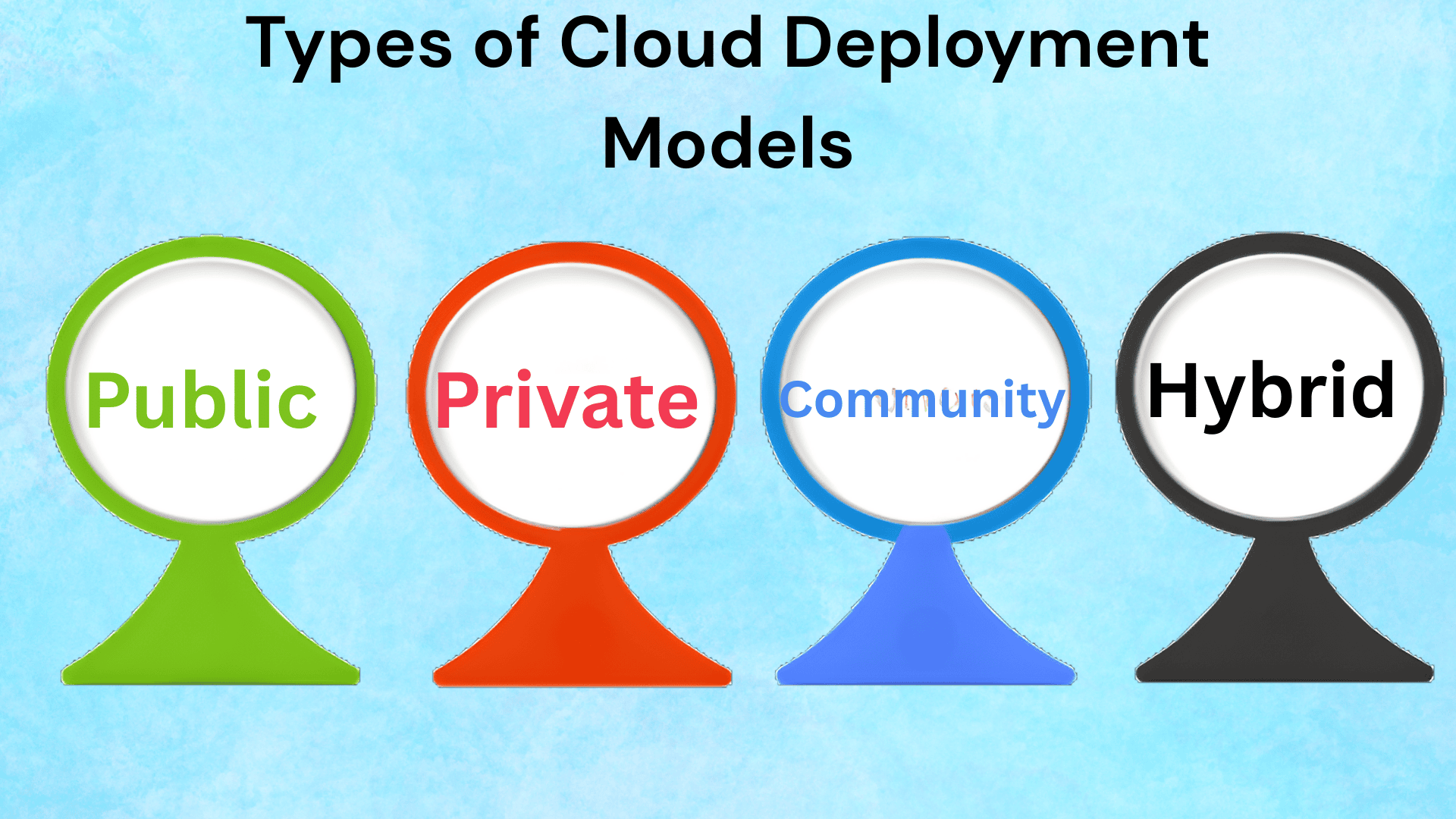
Cloud deployment models describe how cloud environments are structured, managed, and accessed. Each model offers a different mix of cost, security, control, and flexibility.
1. Public Cloud Deployment Model
Public cloud is a cloud environment where resources are owned and managed by an external provider and shared among multiple users.
Services are delivered over the internet, allowing businesses to use servers, storage, and applications without owning hardware.
This model supports easy scaling, flexible pricing, and quick setup.
It is commonly used by startups, web applications, and testing teams that need fast deployment, low upfront costs, and the ability to handle changing demand smoothly.
2. Private Cloud Deployment Model
Private cloud is built for the exclusive use of a single organization, with infrastructure that is not shared with others.
It can be hosted on-site or managed by a third-party provider. This model offers high control, strong security, and deep customization.
Organizations can define access rules and security policies to meet strict requirements.
Private cloud is often used by large enterprises and regulated industries handling sensitive data or requiring consistent performance.
3. Hybrid Cloud Deployment Model
A hybrid cloud combines public and private cloud environments into one connected system.
It allows data and workloads to move between shared and dedicated resources based on needs. This model offers flexibility, balanced control, and workload portability.
Sensitive data can remain in private systems while scalable tasks run in shared environments.
Hybrid cloud is commonly used by businesses with mixed workloads, seasonal demand, or those adopting cloud gradually without significant disruption.
4. Community Cloud Deployment Model
Community cloud is a shared cloud environment used by organizations with similar goals, standards, or regulatory needs.
Infrastructure is shared only within a specific group and follows standard compliance rules.
This model helps reduce costs by sharing resources while maintaining aligned security and governance.
Community cloud is often used in government, healthcare, and education sectors, where collaboration, compliance, and controlled access are required across multiple organizations.
Benefits of Using Cloud Deployment Models
Cloud deployment models offer several advantages that help businesses manage systems more effectively, regardless of size.
- Improved flexibility: Businesses can choose a model that fits their workload needs and adjust resources as demand changes.
- Better cost control: Usage-based options help reduce upfront spending, while dedicated setups support predictable budgeting.
- Efficient resource management: Cloud deployment models make it easier to monitor usage, scale systems, and avoid wasted capacity.
- Support for business growth: As organizations grow, cloud models allow smooth expansion without major infrastructure changes.
- Reduced operational effort: Many models reduce the need for hands-on infrastructure management, saving time and effort.
Comparison of Cloud Deployment Models
This section compares deployment models based on cost, security, scalability, control, and ideal users to help highlight their key differences.
| Deployment Model | Cost | Security | Control |
|---|---|---|---|
| Public Cloud | $20–$100+/month | Provider-managed | Low |
| Private Cloud | $1,000–$10,000+/month | Very high, dedicated | Full |
| Hybrid Cloud | $500–$5,000+/month | High, balanced | Shared |
| Community Cloud | $500–$3,000+/month | High, shared compliance | Shared |
Challenges of Cloud Deployment Models
Cloud deployment models provide flexibility and scalability, but they also come with challenges that organizations should consider before choosing an approach.
Understanding these concerns early can help reduce risk and support a smoother transition to the cloud.
Security is a common issue, as shared infrastructure or third-party management can introduce risks if access controls and policies are not clearly defined.
Cost management can also become difficult, since usage-based pricing may increase expenses when resources are not monitored closely.
In addition, some models limit control over system settings and infrastructure.
With careful planning and clear goals, these challenges can be managed while still benefiting from cloud flexibility.
Security Factors to Consider in Cloud Deployment
Security is an essential factor when selecting a cloud deployment model. Businesses should first review who controls the infrastructure and how data is stored and protected.
Some models offer stronger access control, while others rely more on provider-managed security. Understanding this responsibility helps avoid gaps in protection.
Data sensitivity is another key concern. Organizations handling private or regulated data need models that support encryption, access restrictions, and audit controls.
Compliance requirements should also be reviewed, especially in industries with strict legal rules.
It is essential to confirm that the cloud environment supports the required standards and certifications.
By evaluating control, data protection, and compliance needs early, businesses can choose a cloud deployment model that aligns with their security expectations and reduces potential risk.
Tips for Selecting the Right Cloud Deployment Model
Selecting the right cloud deployment model depends on business needs, budget, security requirements, and future growth plans. Use these tips to help make the right decision:
- Consider business size: Smaller teams often need flexible and easy setups, while larger organizations usually need more control and stability.
- Review your budget: Some cloud models offer low starting costs with usage-based pricing, while others require higher ongoing investment.
- Assess data sensitivity:
If the business handles private or critical data, stronger security and tighter access controls are essential. - Check compliance requirements: Industries with strict legal or regulatory rules may need models that support a specific compliance standard.
- Think about scalability: Choose a model that can grow easily as business demands increase.
- Evaluate internal expertise: Some models need more technical management, while others reduce hands-on effort through provider support.
Conclusion
Cloud deployment models play a key role in how cloud systems are designed and managed.
I see models as a simple way to understand where cloud resources live and who controls them.
Public clouds offer flexibility, private clouds focus on control, hybrid clouds combine both, and community clouds support shared needs.
I believe choosing the right cloud deployment model starts with clear goals. Business size, budget, data sensitivity, and compliance needs all shape this decision.
Knowing how models work makes it easier to choose a setup that supports daily operations, lowers risk, and supports long-term business growth.
Want to choose the right cloud deployment model for your needs? Start by reviewing your goals, budget, and data requirements today.