Technology doesn’t necessarily make people smarter. It rarely deserves that much credit. What it does, often almost invisibly, is remove enough uncertainty to let judgment do what it has always done best: to recognize patterns, to weigh competing possibilities, to anticipate consequences before they become problems, and to act with greater confidence when the stakes leave little room for hesitation. For years, the conversation around technology has been dominated by automation, the promise that software would replace repetitive work, eliminate inefficiencies, and accelerate productivity. Those gains matter, but they obscure a more interesting transformation, which has to do with reshaping the quality of the decisions we make. Whether someone is coordinating thousands of attendees at a global conference, managing supply chains that stretch across continents, or navigating volatile financial markets, success increasingly depends on seeing the right information at precisely the right moment.
Real-Time Information Is Replacing Assumptions
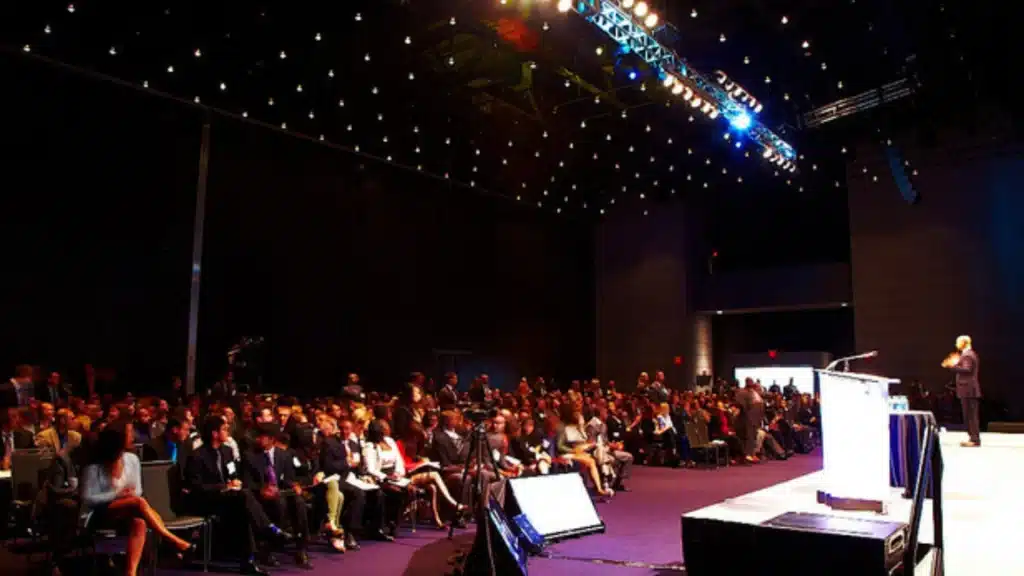
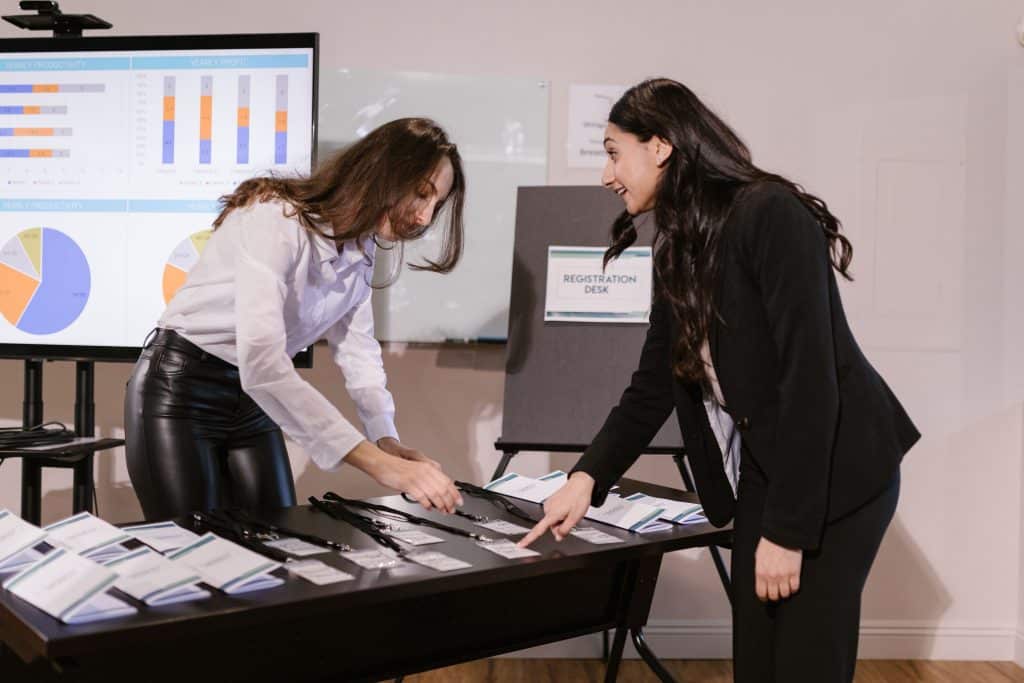
Every important decision begins with a question: What is actually happening? Until recently, the answer often arrived too late to matter. Reports were generated after projects concluded. Surveys were analyzed after attendees had gone home, and performance reviews reflected yesterday’s reality rather than today’s. The good news is that instead of waiting for hindsight, organizations now operate with a continuous stream of insight, which allows them to identify bottlenecks before they become failures, redistribute resources before shortages emerge, and adjust strategies while outcomes are still being shaped. In the events industry, for example, real-time registration and attendee engagement data enable organizers to respond to crowd flow, staffing demands, and session popularity as they unfold, not after the venue lights have gone dark.
The Best Technology Doesn’t Replace Expertise
Not every profession values technology for the same reason. The tools that endure are the ones that help experts think more clearly. Financial markets offer a revealing example. Investors continue to rely on MetaTrader 4 (MT4) because it organizes complexity into something actionable. By bringing together real-time price data, customizable charts, technical indicators, automated trading capabilities, and historical analysis within a single platform, MT4 allows traders to spend less time searching for information and more time interpreting it. In simpler terms, the platform has remained a favorite among investors for years because it turns an overwhelming flow of market data into something traders can actually work with. And the same principle applies well beyond finance. Professionals in any arena, including event organizers, aren’t looking for software to make decisions on their behalf. They are looking for technology that surfaces meaningful data, highlights operational blind spots, and transforms thousands of individual interactions into a coherent picture of what is happening in the moment. In other words, good technology does not tell professionals what to think, but it does give them the confidence to think better.
Better Decisions Create Better Experiences
We often measure technology by what it automates, but its more profound contribution may lie somewhere else entirely. The most valuable innovations do not diminish the role of human judgment; they expand its reach. They allow people to recognize subtle patterns hidden within enormous amounts of information, to understand the needs of others before those needs become obvious, and to make thoughtful choices in environments where the margin for error continues to shrink. The purpose of better technology has never been to remove the human element from decision-making. It is to give people the context, perspective, and confidence required to use their judgment more effectively.
That distinction becomes especially important as organizations move from simply collecting information to creating more meaningful interactions. In the events arena specially, the success of an experience is rarely determined by a single moment; it is really shaped by hundreds of small decisions made before, during, and after attendees walk through the door. The way a venue is organized, the sessions that receive attention, the connections people make, and the follow-up that happens afterward all influence whether an event becomes a memorable experience or just another calendar appointment. Technology’s greatest promise, then, is not merely efficiency, but the ability to help people understand one another better—and to use that understanding to create experiences that feel more relevant, more intentional, and more human.