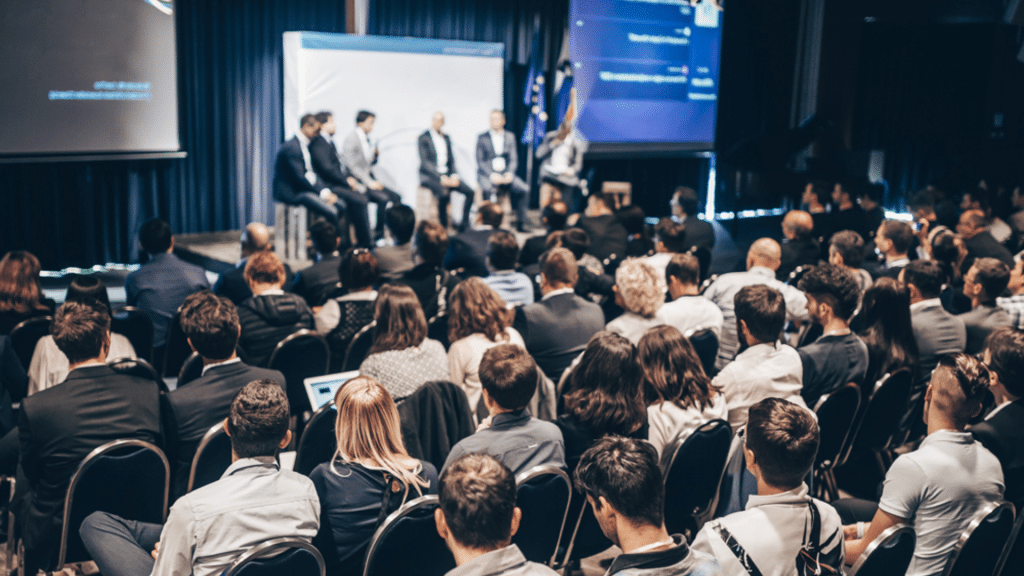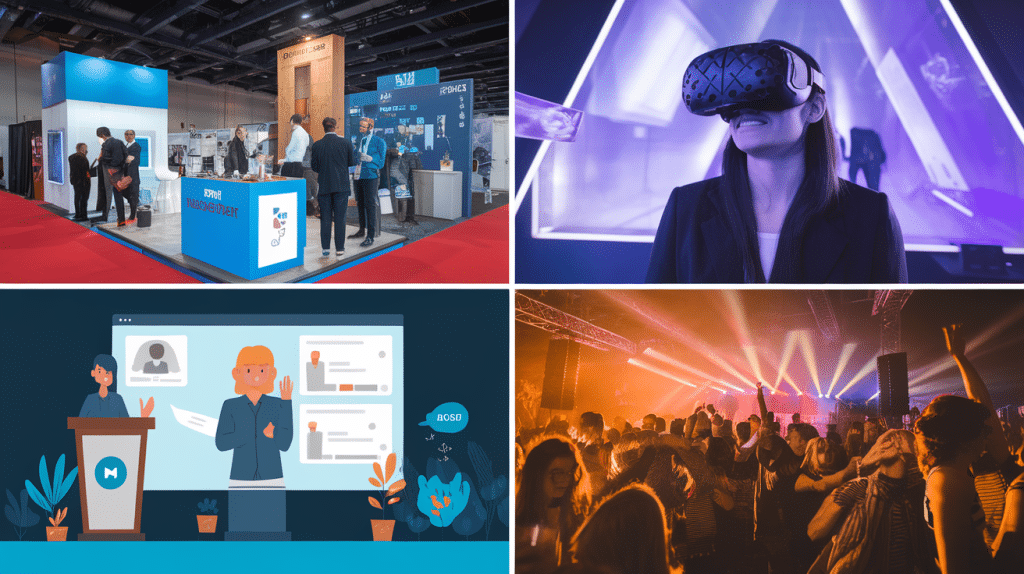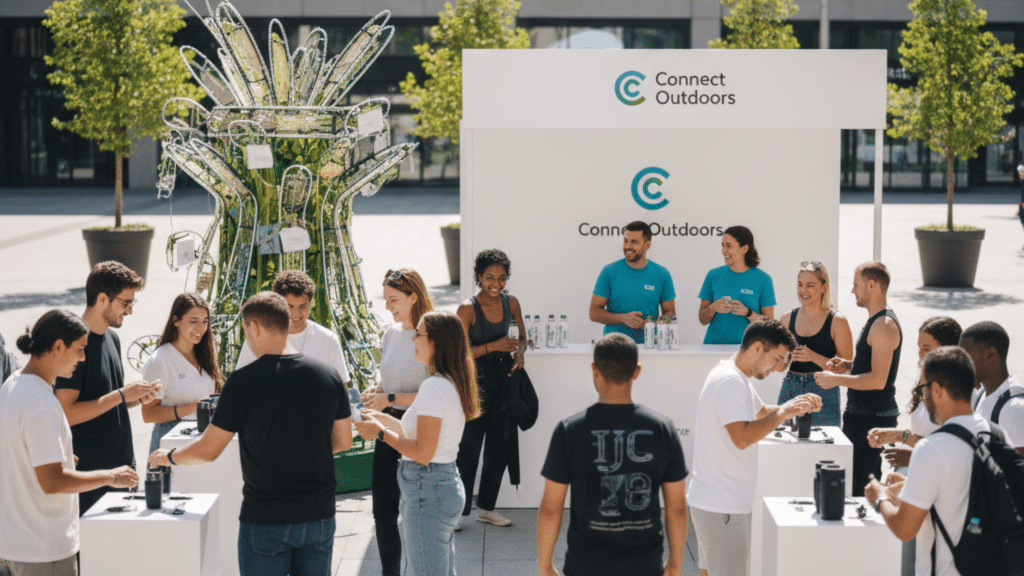
In the events industry, success is often measured on the day itself, attendance numbers, engagement levels, seamless check-ins, and overall experience. But long before attendees walk through the doors, another process determines whether an event will thrive or struggle: content planning.
No matter how well an event is designed, it cannot succeed without visibility. And in a digital environment where audiences are constantly exposed to competing messages, simply announcing an event is no longer enough. What drives attendance today is not a single promotion, but a sustained and structured content strategy.
The Real Work Begins Before the Event
Event organisers often focus heavily on logistics, venue coordination, speaker lineups, ticketing systems, and on-site execution. These elements are critical, but they represent only part of the equation.
The other half happens in the weeks and months leading up to the event. This is where awareness is built, interest is nurtured, and decisions are influenced.
Potential attendees rarely commit after seeing one post or announcement. Instead, they engage gradually. They notice a speaker highlight, come across a behind-the-scenes update, see reminders across platforms, and begin to understand the value of attending.
Without consistent communication, this journey breaks down. Even strong events risk low turnout simply because they fail to stay visible.
Why Inconsistency Undermines Attendance
One of the most common challenges in event promotion is inconsistency.
Marketing efforts often start strong, with an announcement, a few early posts, and initial outreach. But as operational demands increase, content becomes irregular. Weeks go by without updates, messaging loses direction, and the event fades from attention.
From an audience perspective, this creates uncertainty. If communication is sporadic, the event may appear less relevant or less urgent. In contrast, events that maintain a steady presence signal organisation, professionalism, and value.
Consistency, therefore, is not just a marketing tactic, it is part of the event’s perceived credibility.
Content Planning as a Strategic Function

To address this, leading event teams are rethinking how content is managed. Instead of treating promotion as a series of isolated posts, they approach it as a structured workflow.
This involves mapping content across the entire pre-event timeline:
- early announcements to generate awareness,
- speaker and agenda highlights to build interest,
- educational or value-driven posts to deepen engagement,
- reminders and countdowns to drive conversions.
Each stage serves a specific purpose, guiding potential attendees from initial discovery to final registration.
The challenge, however, lies in execution. Managing this level of coordination across multiple platforms, LinkedIn, Instagram, email, and more, requires time, consistency, and alignment across teams.
Turning Promotion Into a System
This is where AI-supported tools are starting to reshape event marketing.
Rather than relying on manual coordination, platforms like Apaya enable teams to structure and automate their content workflows. By learning from a brand’s website and existing materials, such tools can support the creation of posts, maintain a consistent tone, and schedule content across channels in a way that aligns with the overall event timeline.
For event organisers, this means promotion becomes less reactive and more systematic. Instead of scrambling to create content between operational tasks, teams can plan ahead, ensure regular communication, and maintain visibility without constant manual effort.
The result is a more stable and predictable promotional presence, one that supports attendance growth rather than leaving it to chance.
The Link Between Content and Conversion
Content is not just about visibility; it directly influences conversion.
Each interaction with potential attendees reinforces the value of the event. A well-timed speaker announcement can spark interest. A short video clip can humanise the experience. A clear reminder can prompt action.
When these touchpoints are coordinated, they create momentum. When they are scattered or inconsistent, that momentum is lost.
According to Statista, digital channels continue to play a central role in how people discover and engage with events, with social media and online content being among the most influential factors in attendance decisions. This makes structured content planning not just beneficial, but essential.
Beyond Promotion: Building Anticipation
Effective content planning does more than inform, it builds anticipation.
Attendees want to feel that they are part of something valuable before they arrive. This sense of anticipation is created through storytelling: showcasing speakers, highlighting key topics, sharing behind-the-scenes preparation, and communicating what makes the event unique.
When done consistently, this transforms an event from a date on the calendar into an experience people look forward to.
AI-supported platforms help maintain this narrative by ensuring that content flows regularly and remains aligned with the event’s messaging. Instead of disconnected updates, organisers can deliver a cohesive story that evolves over time.
Reducing Pressure on Event Teams
Event teams already operate under significant pressure. Balancing logistics, coordination, and problem-solving leaves limited time for consistent marketing execution.
By systematising content creation and scheduling, AI tools reduce this burden. Teams no longer need to manage every post manually or worry about gaps in communication.
This does not replace creativity, it supports it. With the operational side handled more efficiently, teams can focus on higher-level decisions: refining messaging, improving attendee experience, and ensuring that the event delivers real value.
From One-Time Event to Ongoing Engagement
Another important shift is the recognition that events do not begin and end on a single day.
Content extends the lifecycle of an event. Pre-event communication drives attendance, live updates enhance engagement, and post-event content sustains relationships.
When content planning is structured, it supports this entire lifecycle. Attendees remain connected, conversations continue, and future events benefit from an already engaged audience.
A New Standard for Event Success
In an increasingly competitive environment, great events are not defined solely by what happens on-site. They are defined by how effectively they engage audiences before, during, and after the experience.
Smarter content planning is at the centre of this shift.
By turning promotion into a structured system, supported by tools that enhance consistency and reduce friction, event organisers can move from unpredictable attendance to more reliable outcomes.
Because in the end, success does not start when the doors open. It starts with how well you communicate long before anyone arrives.