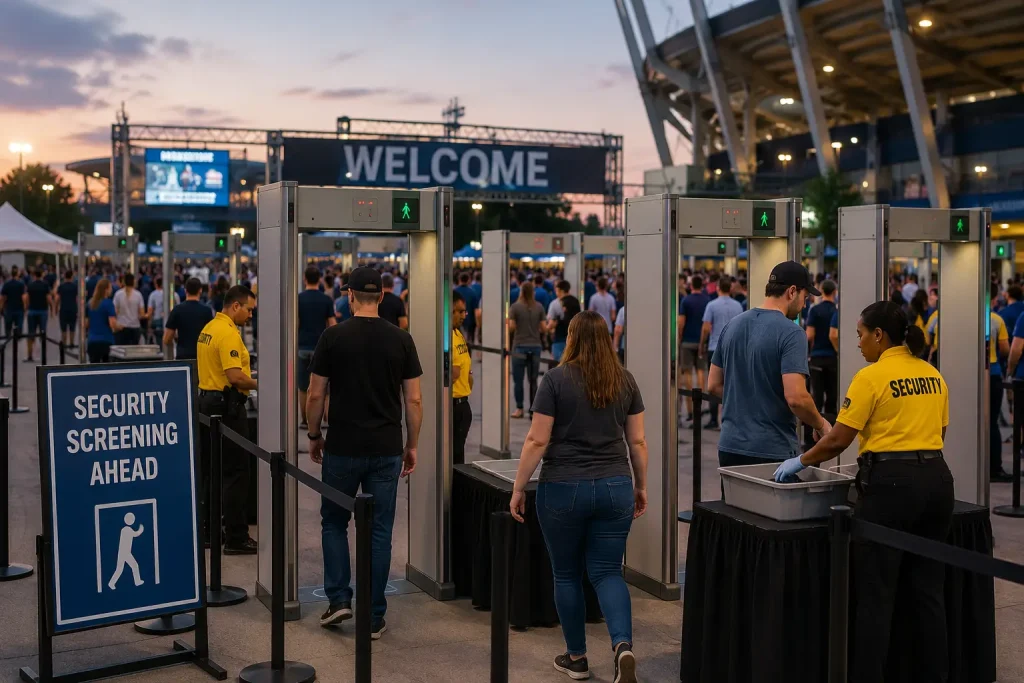
You can feel it at check in, when a line forms fast and staff start improvising on the spot. A few small choices made weeks earlier suddenly decide whether arrivals feel calm or chaotic. Even a well funded event can wobble if the setup misses how people actually behave.
That is why digital marketing courses are showing up in event teams more often, even for people who do not carry a “marketing” title. The skill set maps cleanly to planning work, from audience research to registration flows and post event follow ups. It also helps planners talk to sponsors and stakeholders using shared metrics, not vague gut feelings.
Audience Research That Actually Helps You Plan
A lot of event stress comes from guessing what attendees want, then building everything around that guess. Marketing training pushes you to test assumptions early, so you are not building a full program on wishful thinking. In practice, that looks like simple surveys, short interviews, and quick checks against past ticket data.
Personas get a bad reputation because people overcomplicate them. Kept simple, they are just notes on what someone needs, what blocks them, and what would make them show up. That clarity influences venue layout, session timing, speaker format, and even badge design.
Marketing courses also teach segmentation, which is gold for events with mixed audiences. A first time attendee needs different prep than a returning VIP, and sponsors care about both groups. When you plan communications with segments, you avoid blasting everyone with the same message.
You can use that same thinking on site, too. A self service arrival flow is not just a tech choice, it is an audience choice. If you want fewer bottlenecks and less staff time spent repeating basics, self service check in kiosks can support an experience that matches how people prefer to move.
Promotion Planning That Feeds Better Logistics
Event promotion is often treated as a separate track from operations, and that split causes trouble. Registration data is not just a vanity number, it is a planning signal for staffing, print quantities, and room sizes. Marketing training makes you comfortable treating campaigns as controlled tests, then using results to adjust the plan.
Paid ads and organic posts both teach the same lesson: small changes can shift outcomes fast. A clearer headline can lift sign ups, and that changes your check in load. A tighter email schedule can reduce last minute walk-ins, which changes your front desk pace.
It also helps to think in terms of “friction.” Every extra field on a form and every confusing FAQ line adds drop off. Courses that cover conversion basics help you spot those friction points early, while they are still cheap to fix.
A simple way to connect marketing and planning is to track a few numbers consistently:
- Registration conversion rate by channel (email, social, partners)
- No show rate by ticket type or audience segment
- Peak arrival windows, based on confirmation email click patterns
- Session interest signals, based on page views and saves
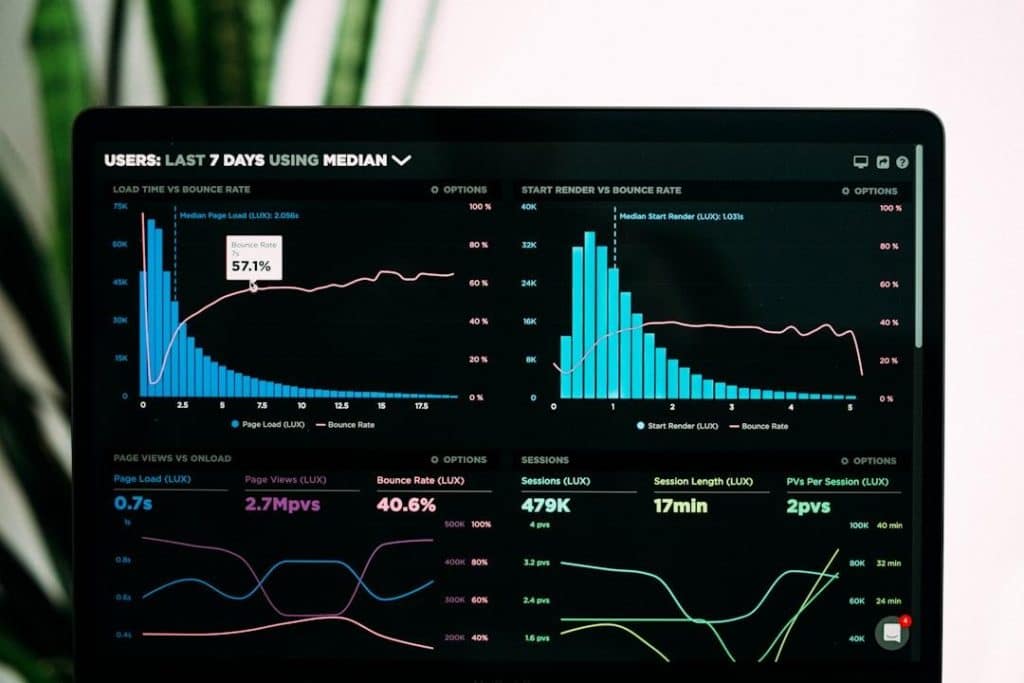
None of these require fancy tooling to be useful. They just require a habit of measurement, and a willingness to change course when the data says so.
Content Skills That Improve The Attendee Journey
Good event content is not about sounding clever, it is about being clear at the right moments. Marketing courses teach you how to write for scanning readers, which fits event communications perfectly. People want answers fast, especially when they are traveling, rushing, or juggling meetings.
That skill shows up in your event page, confirmation emails, and session descriptions. It also shows up in your signage, because signage is content too. If the copy is vague, attendees ask staff, and your staff time disappears.
Social media training helps here in a practical way. You get better at building short, useful posts that set expectations, like what to bring, when doors open, and where to find help. You also learn to reuse content across formats, so you are not rewriting everything from scratch.
Once you build a habit of clarity, session planning improves as well. You stop stacking similar talks back to back, because you can see how the story feels from an attendee’s point of view. For multi track programs, multi session attendance reports also help you check what people chose, not what you hoped they would choose.
Lead Capture And Follow Up Without Creeping People Out
Sponsors and exhibitors care about leads, but attendees care about trust. Marketing education gives you a clean way to balance both, because you learn the difference between helpful follow up and spam. That difference often comes down to consent, context, and timing.
If your team is collecting contact details through registration, badge scans, or exhibitor interactions, it helps to set expectations early. Clear language beats fine print, and it reduces complaints after the event.
If you work in Singapore, the Personal Data Protection Commission has guidance on consent for marketing purposes that is worth keeping close while you write forms and disclaimers.
Marketing courses also teach practical follow up planning. You map what a person asked for, then you respond to that request with a short, relevant next step. When follow ups match intent, open rates rise and opt outs drop, which is better for everyone involved.
This is also where lead scoring becomes useful for event teams. You do not need a complex model, just a simple set of signals. Someone who attended a product demo and downloaded slides is not the same as someone who walked past a booth.
Reporting Habits That Make The Next Event Easier
A common problem after events is that data sits in a folder, then nobody touches it. Marketing training builds the habit of post campaign review, where you look for what worked, what did not, and what you will change next time. That practice turns a one off event into a repeatable process.
Start with questions you can answer in a meeting without hand waving. Which channels brought the most qualified registrants, not just the most registrants. Which sessions pulled steady attendance, and which had a drop after the first ten minutes. Which arrival windows created pressure, and where staffing was light.
It also helps to treat privacy and data handling as part of the workflow, not a legal footnote. If you are sharing reports with sponsors or vendors, decide what level of detail is fair and necessary. The NIST Privacy Framework is a practical reference for thinking about privacy risk in everyday operations, even outside security teams.
If you want a simple wrap up checklist, keep it tight:
- Compare sign ups, arrivals, and session attendance for the same segments.
- Review the top three friction points in registration and check in.
- List two content changes that would reduce questions on site next time.
- Set one sponsor reporting standard that protects attendee trust.
You do not need perfect analytics to improve, you just need a steady review habit. Over a few events, those small changes add up to calmer days and better outcomes.
The Skill Bridge That Pays Off On Site
Event planning gets easier when marketing and operations stop acting like separate worlds. Marketing skills help you predict behavior, reduce friction, and measure what people actually did, before and after the event.
If you pair that mindset with solid event tech, your plans hold up better under real world pressure.