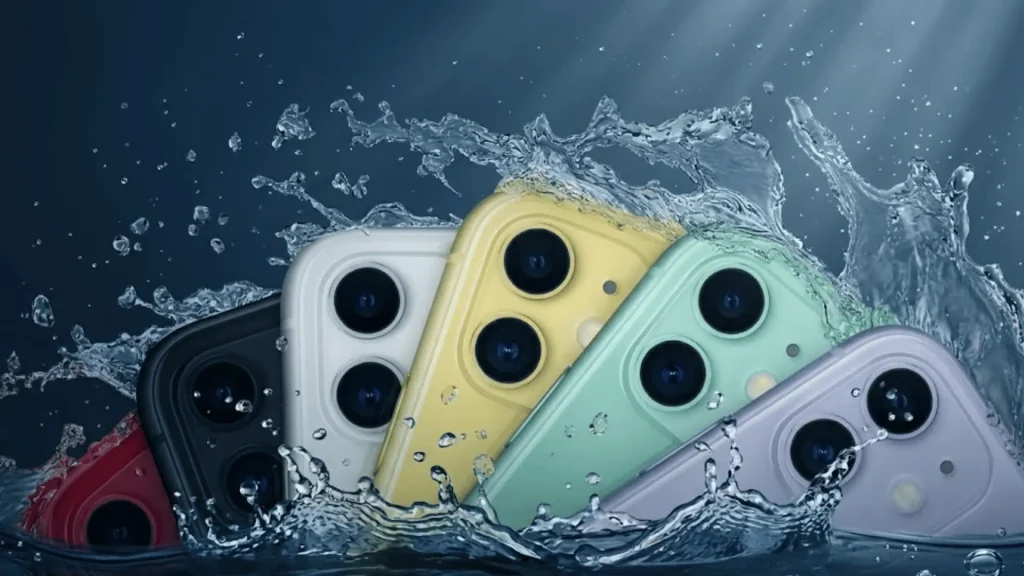
A sudden splash, a slip into the sink, or a phone pulled out in heavy rain can instantly raise one question: are iPhone 11 waterproof?
Many users rely on their phones everywhere, from beach days to bathroom counters, yet uncertainty around water exposure remains common.
Marketing terms like water-resistant and technical ratings often sound reassuring, but they can also create confusion about what the device can truly handle in daily life.
Understanding the limits of water protection matters before taking risks that could lead to costly damage.
Small details about usage conditions, environment, and long-term wear can make a significant difference in performance.
Before assuming safety around water, it is worth taking a closer look at how this device is built and what that protection actually means in real-world situations.
Are iPhone 11 Waterproof or Water-Resistant
The short answer is no. iPhone 11 is not fully waterproof, but it is water-resistant.
iPhone 11 is built with a certified level of water and dust resistance under international testing standards.
This certification means the device was tested under controlled laboratory conditions to withstand limited exposure to freshwater for a short period.
The protection is designed for accidental situations like spills or brief drops in water, not for regular underwater use. Testing is done in calm, clean water without added pressure or chemicals.
Everyday factors such as movement, temperature changes, soap, or salt can reduce resistance, especially as the phone ages and seals naturally wear down.
iPhone 11 Water Resistance Rating Explained
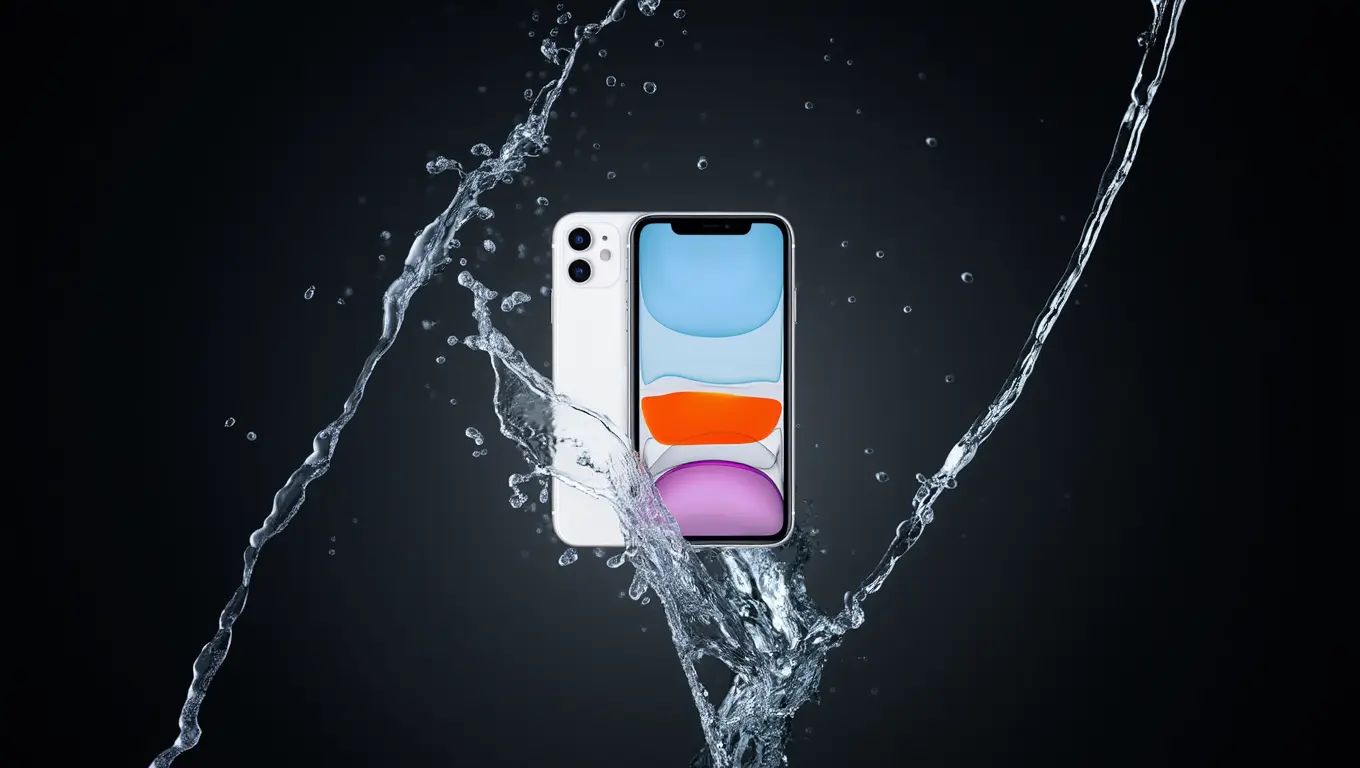
The official water resistance rating of iPhone 11 is IP68 under the IEC 60529 standard.
The letters “IP” stand for Ingress Protection. The first number, 6, means the phone is fully protected against dust. No solid particles can enter the device under test conditions.
The second number, 8, refers to water resistance. For the iPhone 11, this rating means it can be submerged in up to 2 meters of fresh water for up to 30 minutes in controlled laboratory testing.
It is important to note that these tests are done in still, clean water and under specific conditions.
Real-life exposure may involve movement, pressure, or different liquids, which can affect how well the phone resists water.
How IP68 Water Resistance Performs in Everyday Conditions
IP68 certification is granted after controlled testing in accordance with IEC 60529. In these tests, the device is submerged in static, fresh water at a specified depth for a fixed duration.
Water temperature, hydrostatic pressure, and exposure time are carefully regulated to maintain consistency.
Every day, conditions are less predictable. Dynamic pressure from splashes or sudden immersion can exceed the pressure used in lab testing.
High-temperature environments, such as hot showers, may affect adhesive seals and internal gaskets due to thermal expansion.
Saltwater and chlorinated water increase the corrosion potential. Over time, physical wear and seal degradation can lower overall ingress protection performance.
Can iPhone 11 Go in Pool or Shower Safely?
iPhone 11 is not designed for regular use in pools or showers, even though it offers water resistance.
Pool water contains chlorine and other chemicals that can damage internal components and weaken protective seals.
Ocean water is even more aggressive due to its high salt content, increasing the risk of corrosion. These liquids are very different from the fresh water used during laboratory testing.
Showers present another concern. Soap, shampoo, and body wash can break down adhesive seals over time. Steam and high temperatures may also affect internal components.
Occasional accidental exposure may not cause immediate damage, but repeated contact increases long-term risk.
Is iPhone 11 Safe in Rain or Accidental Spills?
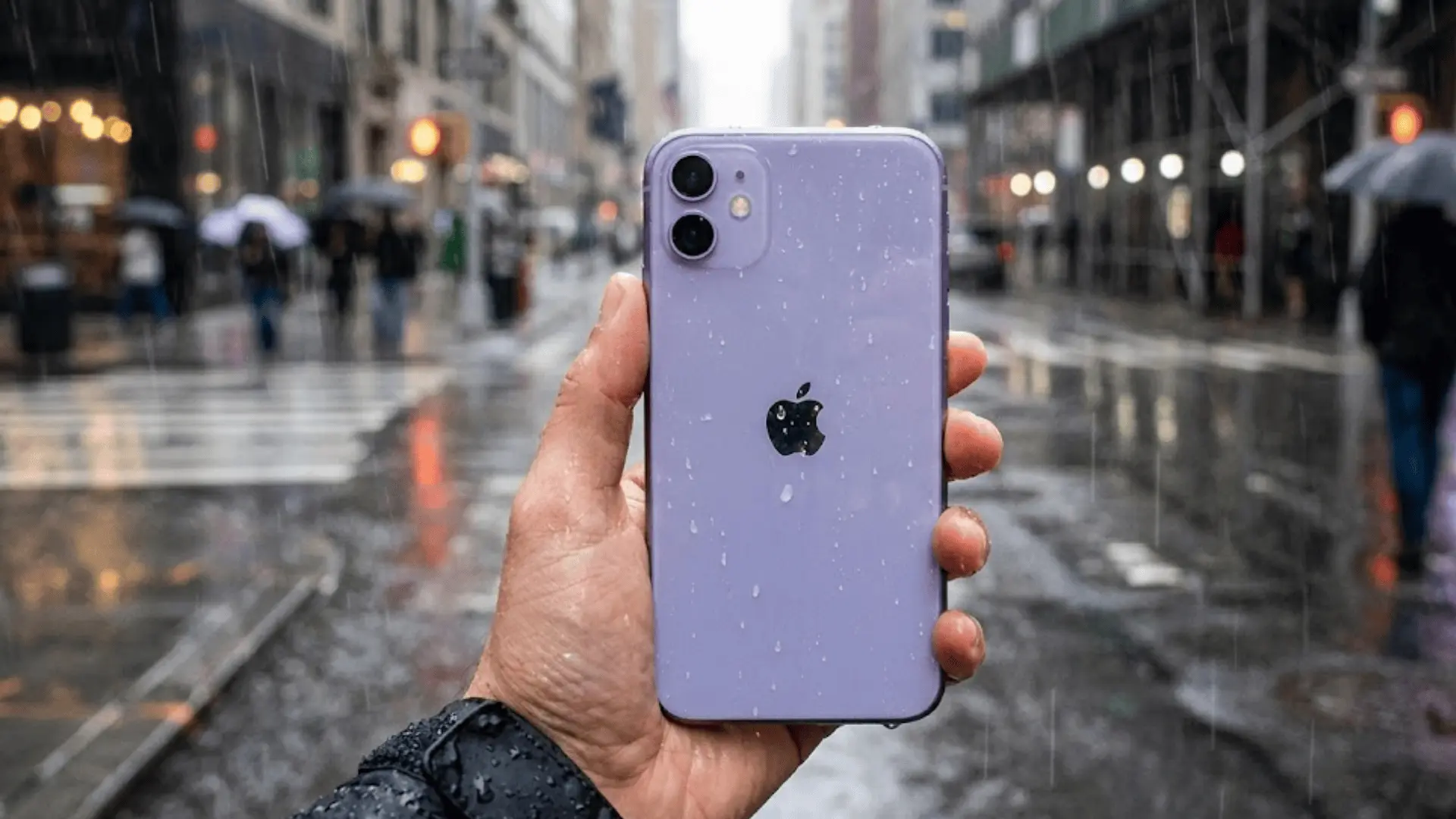
iPhone 11 is generally capable of handling light rain and minor exposure to liquids.
Brief contact with water, such as getting caught in a drizzle or splashing near a sink, is usually within its designed resistance limits.
If the phone falls into a sink filled with fresh water and is removed quickly, the chances of damage are lower compared to prolonged submersion.
However, liquids like coffee, soda, or juice are riskier. Sugar and acids can leave residue and increase the chance of internal corrosion.
Short, accidental exposure is often manageable, but repeated or extended contact raises the likelihood of long-term damage.
What Happens If iPhone 11 Gets Water Damage
If water enters the iPhone 11, internal components can be affected in several ways.
Moisture can reach the logic board and cause short circuits, leading to random shutdowns, display issues, or complete device failure.
Even small amounts of liquid can trigger corrosion on connectors and solder points over time.
The speaker system is also vulnerable. Water trapped inside the speaker grille can muffle sound or cause distortion.
The charging port may display a liquid-detection warning, and repeated exposure can damage the Lightning connector, affecting charging and data transfer.
Water resistance reduces risk, but it does not guarantee full protection against liquid intrusion.
Does Apple Cover Water Damage Under Warranty
Apple’s standard limited warranty does not cover damage caused by liquids.
Although iPhone 11 includes built-in water resistance, Apple clearly states that this protection is not permanent and may decrease over time due to normal wear.
As a result, liquid-related issues are typically classified as out-of-warranty repairs.
Inside the device, Liquid Contact Indicators are placed near key entry points such as the SIM tray and internal connectors.
These indicators change color when exposed to moisture. During service evaluation, technicians inspect these markers to confirm liquid contact.
If triggered, repair or replacement costs are usually charged to the owner unless coverage, such as AppleCare+, applies.
How to Dry an iPhone 11 After Water Exposure?
Quick and careful action can lower the risk of internal damage after liquid contact.
- Power Off: Turn off the device immediately to reduce the chance of short circuits and internal component failure.
- Remove Accessories: Remove the case and disconnect the cables to improve ventilation and prevent moisture from being trapped.
- Wipe Surface: Dry the exterior with a soft, lint-free cloth, focusing on the charging port and speaker areas.
- Avoid Heat or Air Pressure: Do not use hair dryers, ovens, direct sunlight, or compressed air, as they can damage seals or push moisture inside.
- Air Dry: Place the phone upright in a dry, well-ventilated area for at least 24 to 48 hours before attempting to charge it.
How to Improve Water Safety for iPhone 11
Simple precautions can reduce the risk of water-related damage.
- Use a Waterproof Case: A certified waterproof case provides extra protection during beach trips, boating, pool days, or other situations involving extended water exposure.
- Create a Protective Barrier: A properly sealed case helps block moisture, sand, and debris from entering small openings in the device.
- Avoid Salt and Chlorinated Water: Exposure to ocean water or pool chemicals can increase the risk of corrosion and damage internal components.
- Inspect the Device Regularly: Check for cracks, loose seals, or screen damage since structural wear can weaken water resistance over time.
- Practice Preventive Care: Simple precautions around water can help reduce the chance of costly internal repairs.
Conclusion
iPhone 11 is water-resistant, not fully waterproof. It is built to handle everyday situations like light rain, small spills, and brief contact with fresh water under controlled conditions.
That protection offers reassurance, but it does not make the device suitable for swimming, shower use, or repeated exposure to pool or ocean water.
Liquids such as salt water, chlorinated water, and sugary drinks can increase the risk of corrosion and internal damage.
Water resistance can also decline over time due to normal wear, small drops, and seal degradation. Once moisture reaches internal components, repairs can become costly.
The key takeaway is simple: treat water resistance as limited protection, not full security. Being cautious around water can extend the life of your device and save money.
Have you faced a water scare with your iPhone 11? Share your story below.