

Have you ever seen drone videos that feel like you are flying in the sky yourself? That experience usually comes from an FPV drone.
To understand it clearly, knowing the FPV drone meaning is important before getting started.
An FPV drone, short for First-Person View drone, lets the pilot see live footage directly from the drone’s camera while flying.
Instead of watching the drone from the ground, you control it through a real-time view on goggles or a screen.
This flying style feels more direct and hands-on compared to standard drones.
In this blog post, I’ll explain what an FPV drone is, how it works, and why beginners are becoming more interested in this type of drone flying.
What Does FPV Mean in Drones?
An FPV drone is a type of drone that lets the pilot see live video from the drone’s camera while flying.
Understanding the FPV drone meaning helps explain why this flying style feels so different from regular drones.
This video appears on special goggles or a screen, giving a view similar to sitting inside the drone. Instead of watching the drone from the ground, the pilot controls it using this real-time view.
This makes flying feel more direct and responsive. FPV drones react quickly to movement, which allows sharp turns, fast speeds, and smooth paths through narrow spaces.
Because of this control style, they are often used for racing, practice flights, and creative video shots.
For new pilots, understanding this flying method is helpful before starting, as it requires focus, practice, and basic safety awareness.
How FPV Drones Work?
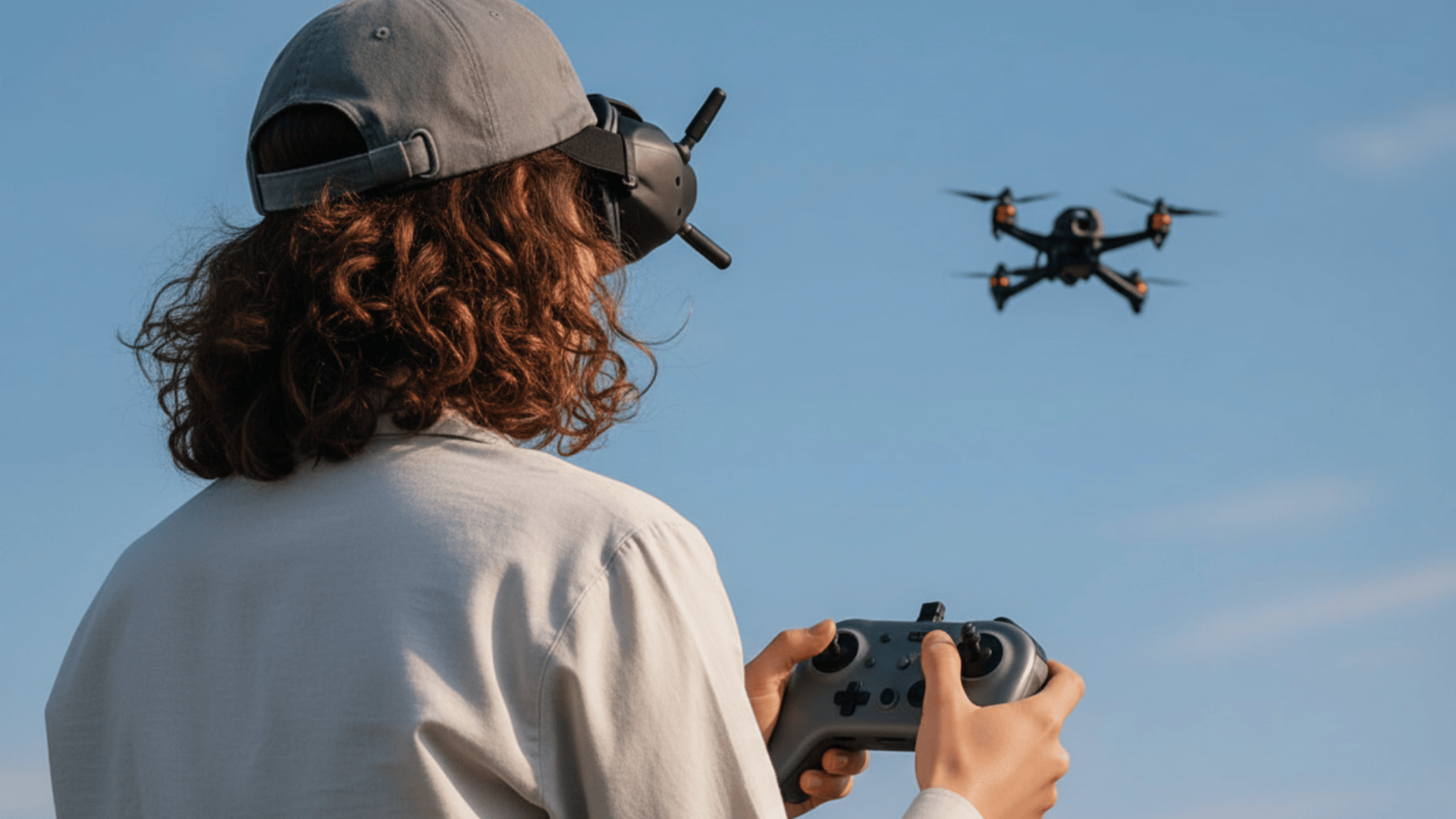
FPV drones use several systems that work together to give the pilot full control and a live flying view. Each part has a specific role, and understanding these functions makes FPV flying easier to learn.
1. Onboard Camera
The onboard camera is placed at the front of the drone and records everything during flight. It sends live video instead of saving high-quality photos.
This camera is built for speed and quick response, not visual detail. It helps pilots judge distance, direction, and movement while flying.
The camera view is the foundation of FPV flying because every turn, drop, and climb depends on what the pilot sees through this live feed.
2. Video Transmission System
The video transmission system carries the camera’s live footage from the drone to the pilot.
A transmitter on the drone sends the signal wirelessly to a receiver connected to goggles or a screen.
This system is designed to keep the delay very low so the video matches the drone’s movement.
This real-time link is central to the FPV drone’s meaning, as it allows pilots to control the drone based on what they see instantly.
3. FPV Goggles or Display Screen
FPV goggles or a display screen show the live video coming from the drone. Goggles place small screens close to the eyes and block outside views, helping pilots stay focused.
Display screens offer a wider view and are often easier for beginners.
Both options let pilots rely fully on the drone’s camera, which improves awareness and helps with smoother flying and better control during practice and regular flights.
4. Radio Controller
The radio controller is the device the pilot holds to control the drone’s movement. It sends signals that control speed, direction, height, and rotation.
Each stick movement results in an immediate response from the drone. FPV controllers are designed for accuracy, allowing small adjustments during flight.
Learning how each control affects movement takes practice, but it helps pilots gain steady control and confidence over time.
5. Flight Controller and Motors
The flight controller acts as the main system that processes pilot commands. It receives signals from the controller and tells the motors how to respond.
Sensors inside the drone help maintain balance and smooth movement. The motors spin the propellers to lift, turn, and move the drone forward or backward.
Together, these parts keep the drone stable, responsive, and under full control during flight.
FPV Drones vs Standard Drones
Understanding the meaning of FPV drones also explains why FPV drones give pilots greater freedom to control flight paths without automated limits.
| Feature | FPV Drones | Standard Drones |
|---|---|---|
| View Style | Live view through goggles or a screen | View from the ground or phone screen |
| Control Style | Manual and highly responsive | Assisted and stabilized |
| Flying Speed | Fast and agile | Slow and steady |
| Main Use | Racing, practice, and creative flying | Photography and casual flying |
| Learning Level | Requires practice | Beginner-friendly |
Types of FPV Drones and Their Uses
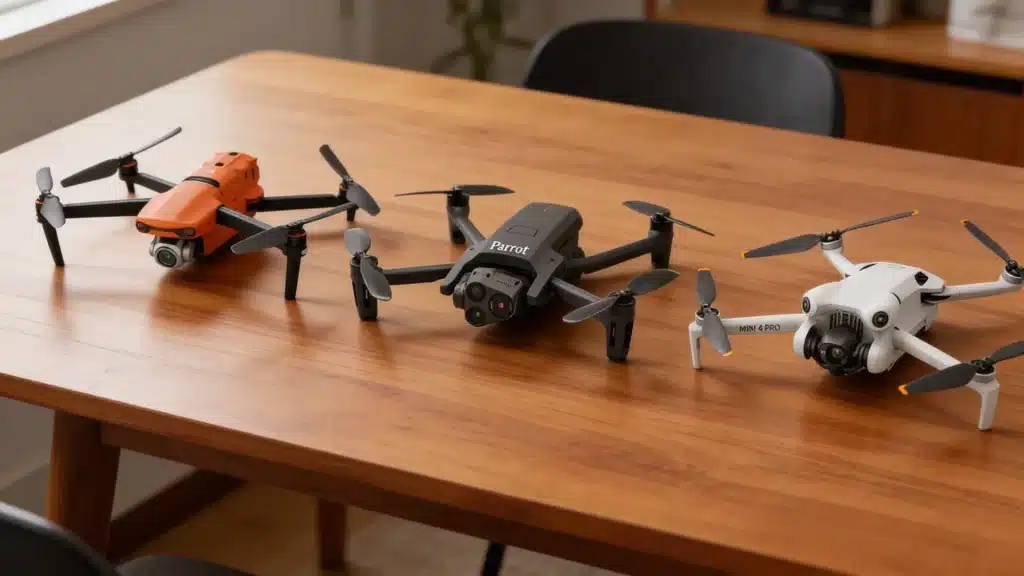
FPV drones come in different types, each designed for specific flying styles, skill levels, and purposes. Knowing the drone’s meaning helps pilots choose the right option.
- Tiny Whoop FPV Drones: Small and lightweight drones designed mainly for indoor flying and practice. They are durable, safer for beginners, and help new pilots learn control.
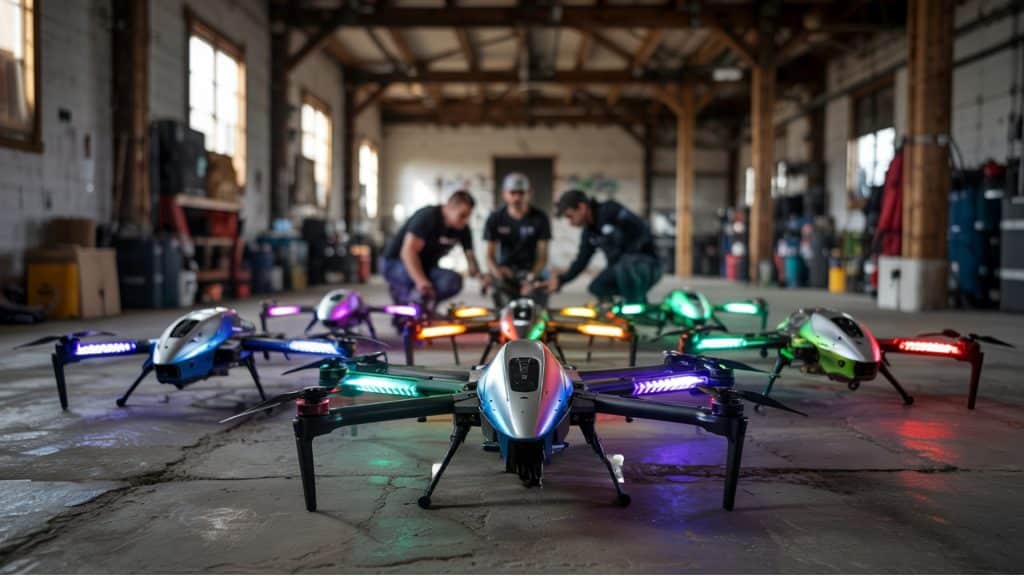
- Racing FPV Drones: Built for speed and sharp turns, these drones are used in competitive racing. They are fast, responsive, and require good control skills and regular practice.
- Freestyle FPV Drones: These drones are used for tricks, flips, and smooth flying movements. Pilots use them to practice skills and create creative flight paths in open spaces.
- Cinewhoop FPV Drones: Designed for smooth video capture while flying close to objects. They are often used for short video shots and controlled indoor or outdoor filming.
- Long-Range FPV Drones: Made for flying over longer distances while maintaining a stable video signal. These drones are used for wide-area views and extended flight paths.
Beginner FPV Drone Guide
Starting with FPV drones is easier when beginners follow simple steps that focus on safety, practice, and proper equipment, helping build confidence and control from the very first flights.
- Start with a Beginner-Friendly Drone: Choose a small and durable drone that can handle light crashes. These drones are easier to control and help reduce damage during early practice.
- Use a Flight Simulator First: Practice flying in a simulator before real flights. This helps build control skills and muscle memory without the risk of damaging equipment.
- Learn Controls Slowly: Focus on basic movements before attempting fast or complex flights. Slow practice improves confidence and reduces mistakes.
- Fly in Safe Open Areas: Open spaces lower the risk of collisions. Always follow local flying rules and keep people and objects at a safe distance.
- Practice Regularly: Short and consistent practice sessions help improve control, timing, and overall flight confidence over time.
Essential FPV Drone Gear for Beginners
Before flying an FPV drone, having the right gear is important. Each item plays a role in control, safety, and practice, especially for beginners learning basic flight skills.
| Gear | Purpose | Why It Matters |
|---|---|---|
| FPV Drone | The main flying device | Beginner models are easier to control and handle small crashes |
| FPV Goggles or Screen | Shows live camera view | Helps pilots see what the drone sees during flight |
| Radio Controller | Controls movement and direction | Gives precise control over speed, turns, and height |
| Batteries and Charger | Powers the drone | Extra batteries allow longer practice sessions |
| Flight Simulator | Practice tool on a computer | Builds flying skills safely before real flights |
Common FPV Drone Mistakes Beginners Should Avoid
Understanding the FPV drone meaning helps beginners avoid common mistakes early. This makes learning safer and helps build better control and confidence.
- Skipping simulator practice: Jumping straight into real flying often leads to crashes and broken parts.
- Flying too fast, too soon: High speeds make control harder before basic skills are learned.
- Ignoring pre-flight checks: Loose props or low batteries can cause sudden flight failure.
- Flying in crowded areas: Tight or busy spaces increase the risk of accidents and damage.
- Overlooking safety rules: Not following local flying rules can lead to unsafe situations.
- Giving up too quickly: FPV flying takes practice, and steady learning brings better results over time.
Conclusion
FPV drones offer a hands-on flying experience that rewards patience, practice, and the right setup.
Once you understand the controls, gear, and common mistakes, learning becomes more manageable and enjoyable over time.
Knowing the FPV drone meaning also helps set realistic expectations, especially for beginners starting from scratch.
FPV flying is not about rushing progress but about building skills step by step with focus and care.
If you are planning to start, choose beginner-friendly equipment, practice often, and stay consistent.
Want to keep learning or need help choosing your first setup? Drop a comment below and share your questions or experiences.


One Response
I would like advice about which controller I should buy. I want to practice online for fpv flying. I have only had a few cheap drones that I instantly crashed and could not control. I’d like to build enough confidence that would feel confident enough to purchase a drone.