There’s a quiet revolution happening in the events industry, and it has nothing to do with bigger stages or flashier lighting rigs. The shift is simpler than that, and arguably more powerful.
People are tired of sitting in rows, passively absorbing information. They want to touch things, try things, ask questions and walk away feeling like they actually gained something. Whether we’re talking about corporate conferences, community festivals, school programs or wellness retreats, the demand for hands on, experiential events has exploded.
This isn’t just a trend driven by audience preferences, either. Research consistently shows that active participation leads to deeper learning, stronger emotional connections and better long term retention. Event organizers who understand this are pulling ahead of the pack.
So what does this look like in practice? Let’s explore several areas where experiential event design is making a genuine impact.
The Rise of Interactive Learning at Events
Think back to the last event you attended. Was there a moment where you got to do something rather than just watch? If so, that’s probably the part you remember most clearly.
This principle is well understood in education, where teachers have long moved away from lecture only formats in favor of project based and inquiry driven learning. The events industry is finally catching up.
Interactive learning stations, live demonstrations, maker spaces and immersive workshops are becoming staples at events of all sizes. The reason is straightforward: when people engage multiple senses and actively problem solve, the experience sticks.
A panel discussion about sustainability might inform an audience. But a hands-on workshop where attendees build a small compost system? That creates a memory and a skill they take home.
For event planners, this means rethinking how spaces are used. It’s not enough to book a venue and line up speakers. The physical environment needs to support movement, collaboration and exploration. Breakout areas, tactile materials and facilitated group activities are all part of the toolkit now.
The shift toward experiential programming is especially pronounced in events designed for younger audiences. Kids don’t learn by sitting still and listening to someone talk to them. If we’re being honest, most adults don’t either.
Programs that bring experts directly into learning environments have seen remarkable engagement. Providers offering school incursions in Melbourne are a great example of this model in action, delivering dynamic, curriculum aligned experiences that get students excited about topics like wildlife, science and environmental conservation.
The same principles that make these programs effective translate directly into event programming: make it hands on, make it relevant and let the audience be part of the story.
Designing Events That Welcome Everyone
One of the most important conversations happening in event planning right now centers on accessibility and inclusion. It’s not enough to create a fantastic experience if significant portions of your audience can’t fully participate.
True experiential design means thinking carefully about the diverse needs of attendees, including those with sensory sensitivities, physical disabilities, neurodivergent processing styles and varying communication needs.
This goes well beyond wheelchair ramps and sign language interpreters, although those remain essential. Inclusive event design considers the full sensory environment.
How loud is the space? Are there quiet zones for people who need a break from stimulation? Is information presented in multiple formats, visual, auditory and tactile, so different learners can access it? Are facilitators trained to adapt their communication style on the fly?
The events that get this right tend to draw on principles that therapists and educators have refined over decades. There’s a growing body of work around how structured, sensory rich activities can support engagement for individuals across the neurodiversity spectrum.
Professionals delivering play based interventions for autism have demonstrated how thoughtfully designed activities can build communication skills, social confidence and emotional regulation in supportive settings.
Event planners can learn a lot from this approach. When you design activities that are flexible enough to meet people where they are, rather than forcing everyone into a single mode of participation, you create something genuinely welcoming.
Practical steps might include offering sensory kits at registration, providing detailed event maps with quiet room locations, and training volunteers on inclusive communication practices. Building flexibility into session formats so attendees can engage at their own pace also goes a long way.
None of this requires a massive budget. It requires intentionality.
The payoff is significant, too. Inclusive events don’t just serve a wider audience. They tend to be better events, period. The thoughtfulness that goes into accessible design often results in smoother logistics, clearer communication and more creative programming for everyone involved.
Why Creative Arts Programming Belongs at Every Event
If experiential events are all about active engagement, creative arts are one of the most natural vehicles for delivering it. Music, visual art, dance, theater and creative writing all share a common trait: they require the participant to create, not just consume.
That act of creation, no matter how small, transforms someone from a passive attendee into an active contributor.
Music is particularly powerful in event settings because it’s so universally accessible. You don’t need to be a trained musician to participate in a drum circle, a group singing session or a guided sound exploration workshop.
Music activates memory, emotion and social bonding in ways that few other activities can match. It also crosses language and cultural barriers with remarkable ease, making it an ideal fit for diverse event audiences.
Event organizers are increasingly partnering with music educators and performers to build creative components into their programming. This might look like a live performance stage at a community fair, a songwriting workshop at a wellness retreat or an instrument “petting zoo” where attendees can try everything from ukuleles to djembes.
The key is lowering the barrier to entry so that everyone feels invited to participate, regardless of skill level.
For those who do want to pursue music more seriously after an inspiring event experience, the pathways are more accessible than ever. Local music schools and studios offer structured learning for all ages and abilities. Families looking for quality instruction can explore options like piano lessons Narre Warren to continue the creative journey that might have started with a single event performance or workshop.
That connection between event inspiration and ongoing skill development is one of the most rewarding outcomes an organizer can hope for.
Beyond music, visual arts stations, collaborative mural painting, pottery demonstrations and creative writing corners all offer similar benefits. They slow people down, encourage conversation between strangers and produce tangible takeaways that extend the event’s impact well beyond the day itself.
A painted ceramic tile sitting on someone’s desk is a daily reminder of the experience. That kind of lasting impression is marketing gold for future events.
Building Lasting Impact Through Thoughtful Event Design
So how do you pull all of this together into a cohesive event experience? It starts with understanding your audience deeply. What are their pain points? What excites them? What do they want to walk away with?
The answers to these questions should drive every programming decision, from keynote topics to activity station design to the snack table layout. Yes, even that matters.
A strong experiential event typically combines several engagement layers. There’s an information layer, where attendees learn something new. There’s a participatory layer, where they get to apply that knowledge or explore it hands on. And there’s a social layer, where the experience is shared with others, creating connections and community.
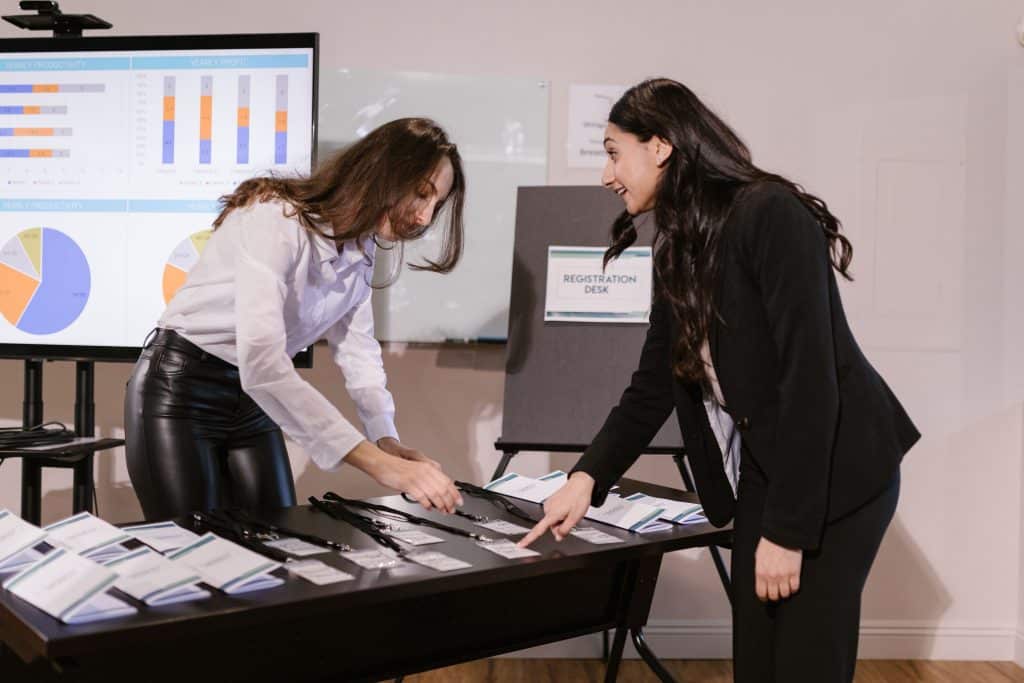
The logistics of pulling this off can be complex, especially at scale. Managing registrations, tracking attendance across multiple sessions, coordinating check ins at various activity stations and gathering post event feedback all require robust systems.
This is where purpose built event management technology becomes invaluable. The right platform takes the operational headaches off your plate so you can focus on what really matters: creating moments that resonate.
It’s also worth noting that experiential doesn’t have to mean expensive. Some of the most impactful event moments come from simple, well executed ideas.
A facilitated roundtable discussion with thoughtful prompts can be just as powerful as a high tech VR installation. A nature walk with a knowledgeable guide can outshine a fancy multimedia presentation. What matters is the quality of the interaction, not the size of the production budget.
Post event follow up is another area where experiential principles apply. Instead of sending a generic thank you email, consider sharing personalized content based on which sessions or activities each attendee participated in. Include resources for continuing the learning or exploration they started at your event.
This kind of thoughtful follow through turns a single event into the beginning of an ongoing relationship.
Bringing It All Together
The events that people remember, talk about and return to are the ones that made them feel something. Not because of a slick stage design or a celebrity appearance, but because they were invited to participate in something meaningful.
They learned a new skill. They connected with someone unexpected. They discovered an interest they didn’t know they had.
Building these kinds of experiences requires a shift in how we think about event design. It means moving away from the broadcast model, where information flows in one direction, and toward a collaborative model, where every attendee is both a learner and a contributor.
It means borrowing the best ideas from education, therapy, the arts and community building, and weaving them into programming that feels cohesive and intentional.
The tools and knowledge to do this are more accessible than ever. From inclusive design frameworks to interactive technology platforms to partnerships with skilled educators and facilitators, event organizers have everything they need to create truly transformative experiences.
The question isn’t whether experiential events are the future. They already are. The question is whether you’re ready to design yours.
Start small if you need to. Add one interactive workshop to your next conference agenda. Set up a creative arts station at your community gathering. Build in quiet spaces and sensory friendly options so every attendee feels welcome.
Pay attention to what resonates, gather feedback and iterate. The beautiful thing about experiential event design is that it rewards experimentation. Try something, learn from it and make the next one even better. Your attendees will thank you for it.