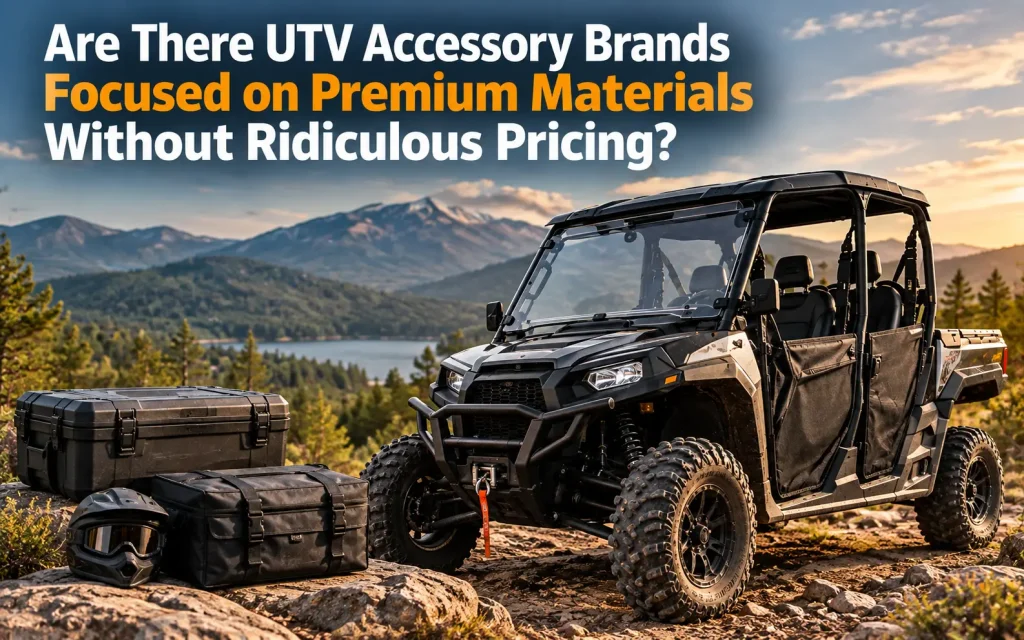
Off-road UTV riding brings real safety challenges that many riders only notice after a close call. Loose rocks, flying gravel, low branches, dust clouds, and sudden weather shifts can all affect visibility and rider control in seconds.
At higher speeds, even small debris can cause eye injuries or force a driver to react late, increasing the risk of accidents on uneven trails. One of the most effective ways to reduce these risks is by selecting the right utv windshield for the riding environment.
A properly built windshield helps block debris, improves visibility in changing conditions, and adds a layer of protection that supports safer decision-making on the trail.
Understanding how different windshield types perform helps riders choose an option that supports control, comfort, and protection during off-road use.
Why Windshield Choice Matters for UTV Safety
A windshield does much more than block wind. At speed, even small debris can cause serious injuries if it enters the cab. Dust and sand reduce visibility, while cold air can fatigue drivers and slow reaction time. In wet conditions, rain and mud splatter can distort vision within seconds.
A poorly chosen windshield may crack easily, warp in sunlight, or create glare that strains the eyes. Some low-quality windshields can shatter on impact, which increases injury risk instead of reducing it. Safety-focused riders treat the windshield as a protective barrier, not just a comfort feature.
The safest option depends on material strength, thickness, mounting quality, and how well the design suits the riding environment.
Full Windshields and Their Safety Benefits
Full windshields are the most common choice for riders who want maximum protection. They cover the entire front opening of the UTV, creating a solid barrier between occupants and the outside environment.
Protection Against Debris
Full windshields block rocks, branches, insects, and trail debris from entering the cab. This is especially important in wooded trails where low-hanging branches or kicked-up gravel are common. Riders traveling behind other UTVs also benefit from reduced exposure to debris thrown by tires.
Weather Control
Cold air, rain, and snow can make long rides uncomfortable and unsafe. Full windshields reduce wind chill and keep moisture away from the driver’s face and eyes. Better comfort often means better focus and quicker reactions.
Visibility Considerations
High-quality full windshields are designed to resist distortion and maintain clarity. When properly installed, they do not interfere with the driver’s view. Anti-scratch coatings and UV resistance help keep visibility consistent over time.
Half Windshields: When Less Coverage Still Makes Sense
Half windshields cover only the lower portion of the front opening. While they do not offer the same level of protection as full windshields, they still play a role in certain riding situations.
Controlled Airflow
Half windshields reduce wind impact on the chest while allowing airflow above the windshield. This setup works well in hot climates where a full enclosure can trap heat.
Reduced Glare and Fogging
Some riders prefer half windshields because they reduce fogging issues that can occur with full windshields in humid or cold weather. Since the top remains open, air circulation helps keep moisture from building up.
Safety Trade-Offs
While half windshields protect against lower-level debris, they leave the upper body exposed. Branches, dust clouds, and flying insects can still reach the rider’s face.
For aggressive trail riding, half windshields are usually a secondary safety option rather than the safest choice.
Flip-Up and Folding Windshields
Flip-up and folding designs offer flexibility by allowing riders to switch between full and partial coverage. These windshields are popular among riders who face changing weather or terrain during the same ride.
Adjustable Protection
In cold or wet conditions, the windshield can remain closed for full protection. When airflow is needed, the top section can be opened. This adaptability helps maintain comfort without sacrificing safety when conditions change.
Secure Locking Systems Matter
Safety depends heavily on the quality of the hinge and locking mechanism.
A poorly built flip-up windshield can rattle, shift, or open unexpectedly during riding. Riders should choose designs with strong latches and reinforced hinges to prevent movement at speed.
Material Choices and Safety Performance
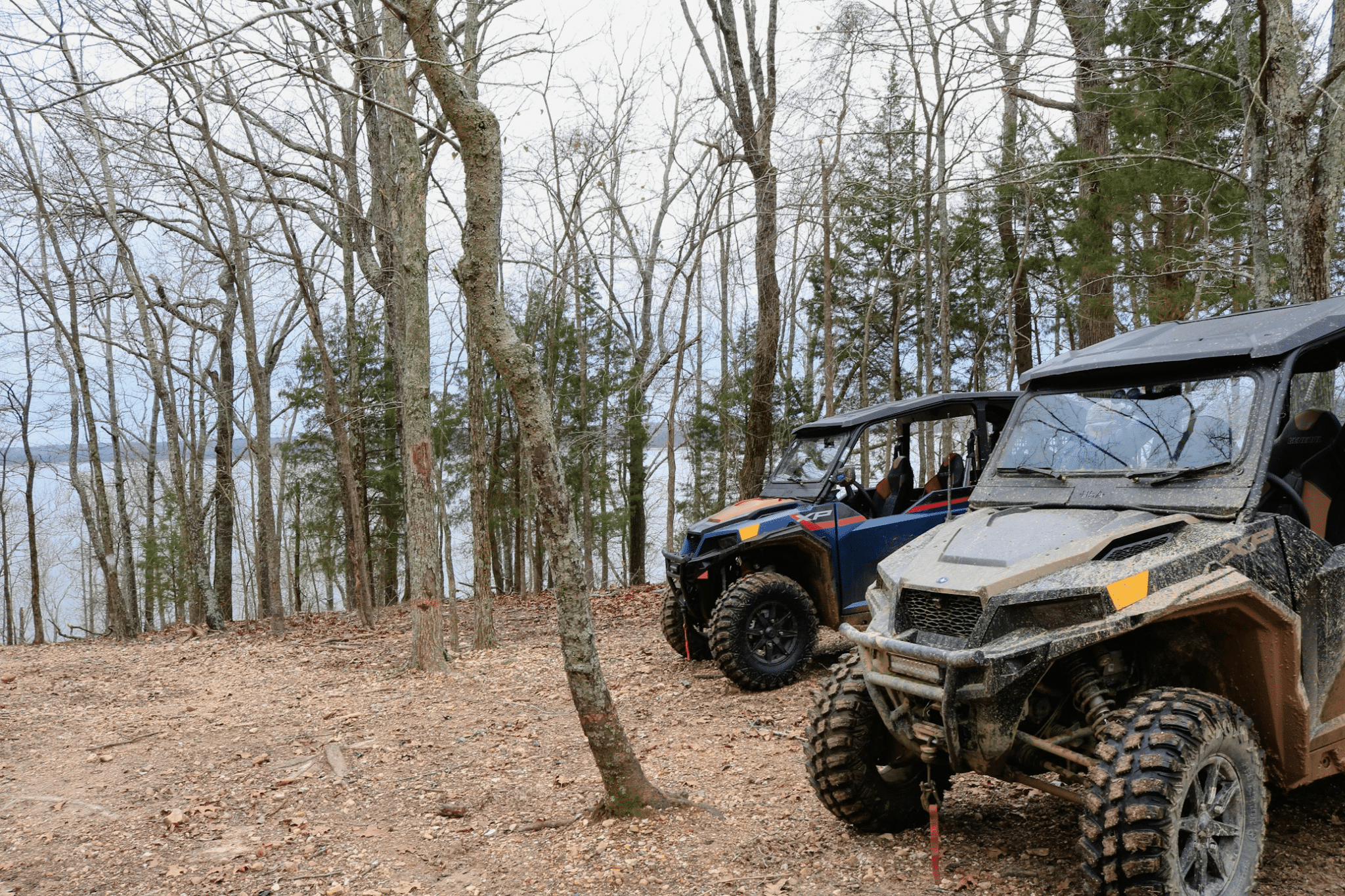
The safest windshield is not just about design—it is also about material. Different materials react differently to impact, temperature, and long-term use.
Polycarbonate Windshields
Polycarbonate is widely regarded as the safest material for off-road windshields. It is impact-resistant and does not shatter when struck. Instead of breaking into sharp pieces, it absorbs impact energy, which helps protect riders from injury.
This material is well-suited for high-speed riding, rocky trails, and dense wooded areas. Polycarbonate windshields are often thicker than acrylic versions, which adds another layer of protection.
Acrylic Windshields
Acrylic windshields are lighter and often more affordable, but they are less impact-resistant. Under hard impact, acrylic can crack or break. While it may work for casual riding or low-speed use, acrylic is generally not the safest option for aggressive off-road conditions.
Thickness and Durability
Thickness matters regardless of material. Thicker windshields provide better resistance against flexing and impact. A thin windshield may vibrate at speed or bend under pressure, which can affect visibility and mounting stability.
Scratch Resistance and Long-Term Visibility
Safety is closely tied to visibility. A windshield that becomes scratched or hazy over time can reduce reaction speed and depth perception.
Polycarbonate windshields with hard coatings resist scratches better than untreated surfaces. Proper cleaning also plays a role. Using microfiber cloths and non-abrasive cleaners helps maintain clarity.
Riders who ignore maintenance may find that even the strongest windshield becomes a safety issue due to reduced visibility.
Mounting Systems and Structural Stability
Even the best windshield material can fail if the mounting system is weak. Secure mounting prevents rattling, shifting, and detachment during rough rides.
Clamp-based mounts should fit tightly without stressing the frame. Poor fitment can cause cracks around mounting points. Sealed edges also help keep dust and water out while reducing vibration noise.
A well-mounted windshield stays stable at speed and remains aligned with the driver’s line of sight, which directly improves safety.
Matching Windshield Choice to Riding Style
There is no single windshield that fits every rider. The safest option depends on how and where the UTV is used.
Trail riders benefit from full polycarbonate windshields that block branches and rocks. Desert riders often prefer flip-up designs that allow airflow while still offering protection when following other vehicles.
Work-focused UTV users may choose full windshields paired with roofs for long hours of operation in changing weather.
Riders who invest in quality utv accessories often treat the windshield as part of a complete safety setup rather than an add-on. When chosen correctly, a utv windshield becomes one of the most important protective components on the vehicle.
Common Safety Mistakes to Avoid
Many riders unknowingly reduce safety by choosing the wrong windshield or installing it incorrectly.
Using low-quality materials to save money can lead to cracking or distortion. Ignoring thickness recommendations may result in excessive vibration.
Skipping proper mounting hardware can cause movement at speed. Another common mistake is failing to adjust riding habits when switching windshield types, such as riding too closely behind other vehicles when airflow is restricted.
Awareness of these issues helps riders make smarter decisions that protect both equipment and occupants.
Reputable Brands in the UTV Aftermarket
When UTV owners compare aftermarket windshields, they often look at brands such as SuperATV, Seizmik, and Kolpin because of their focus on durability and proper fit. StarknightMT follows a similar path by paying close attention to how UTVs are actually used on trails, worksites, and uneven terrain.
Their designs reflect common rider concerns like impact protection, clear visibility, and secure mounting.
Installation is kept simple so owners can upgrade without special tools or vehicle changes. Riders who spend long hours off-road value products that hold up under repeated use, and StarknightMT products are built with that expectation in mind.
Cost also matters to many UTV owners, and the brand focuses on practical features rather than unnecessary extras. This approach places StarknightMT naturally alongside established aftermarket names that prioritize function and reliability.
Final Thoughts on Windshield Safety
The safest windshield option for off-road UTV riding depends on protection level, material strength, mounting quality, and riding conditions.
Full polycarbonate windshields offer the highest level of protection for most environments, while adjustable designs provide flexibility for changing conditions. Half windshields can work in limited situations but should be chosen with caution.
Riders who prioritize safety view the windshield as essential equipment rather than a cosmetic feature.
A well-chosen windshield improves visibility, reduces fatigue, and shields occupants from real hazards found on off-road trails. When safety is the goal, quality, fitment, and material choice always matter more than price or appearance.