Am I the only one, or have you also stopped to think about how much time you spend moving from place to place each day?
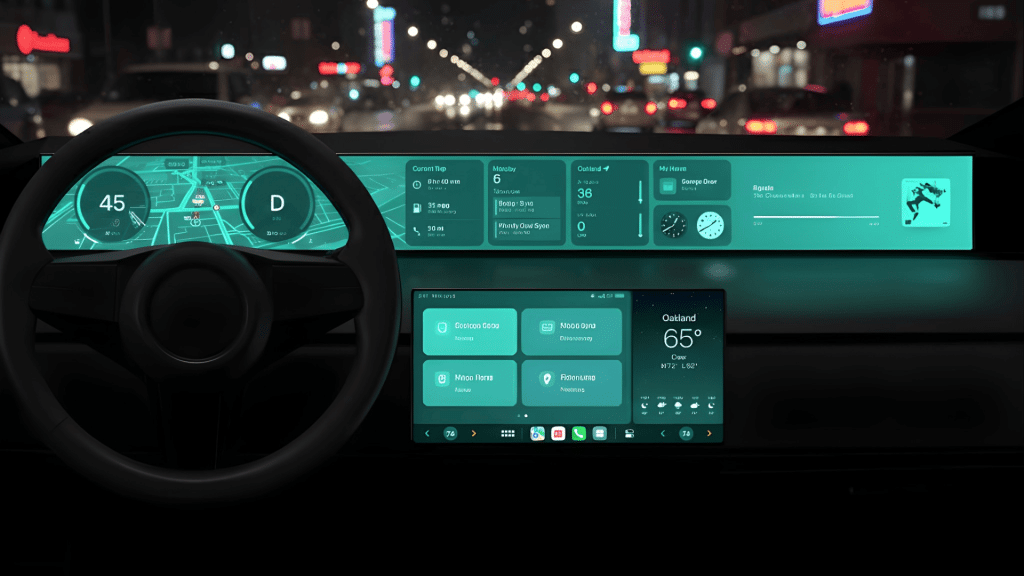
Smart mobility is changing that experience, and it’s reshaping how we travel in ways that feel practical and long overdue.
When I look at the rise of electric cars, shared rides, and connected tools, it’s clear that transportation is finally starting to fit modern life.
This blog invites you to pause, reflect on how you move, and imagine what could make those daily trips smoother and smarter.
Inside, you’ll find what it really means, why it matters, the core technologies behind it, real examples, the challenges we still face, and how all of this shapes the future of travel.
What is Smart Mobility?
Smart mobility is a transportation approach that uses technology and data to improve efficiency, sustainability, and accessibility in urban areas.
It integrates electric vehicles, connected transportation systems, shared mobility services, and digital platforms to create more efficient and environmentally friendly travel options.
The goal is to reduce traffic congestion while enhancing overall accessibility.
This is achieved by coordinating various modes of transportation through real-time information and intelligent systems.
Smart mobility relies heavily on IoT devices, data analytics, automation, and advanced infrastructure.
These elements work together to optimize routes, manage traffic flow, and support seamless mobility experiences.
Core Components of Smart Mobility
It is built on several interconnected technologies that work together to create safer, cleaner, and more efficient transportation systems.
1. Electric Vehicles (EVs)
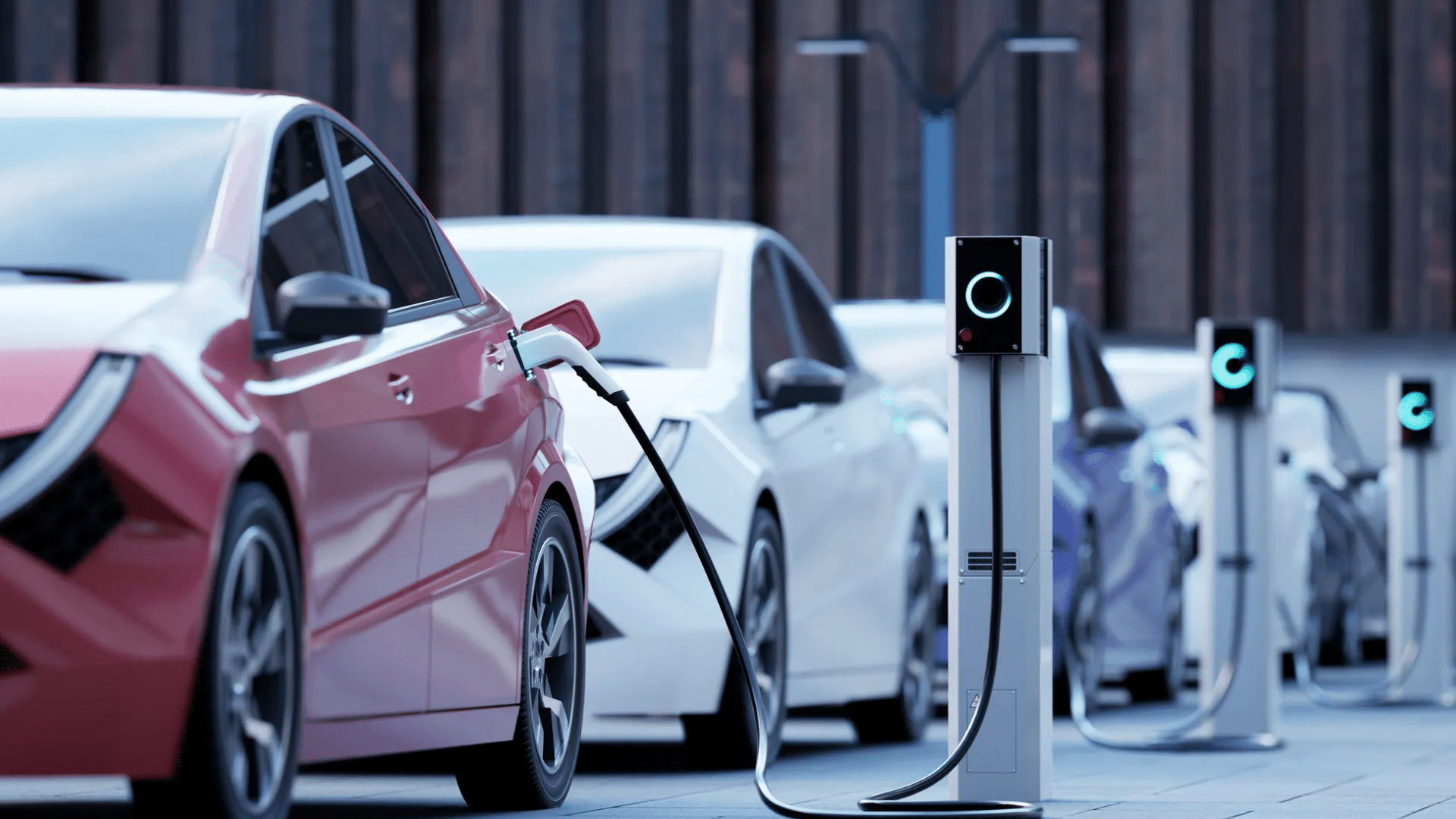
Electric vehicles are a foundational element of smart mobility because they significantly reduce greenhouse gas emissions and reliance on fossil fuels.
EVs use electric motors powered by batteries, offering cleaner transportation with lower operating costs.
When connected to IoT platforms, EVs can receive real-time updates, support predictive maintenance, and communicate battery status or charging needs.
2. Shared Mobility
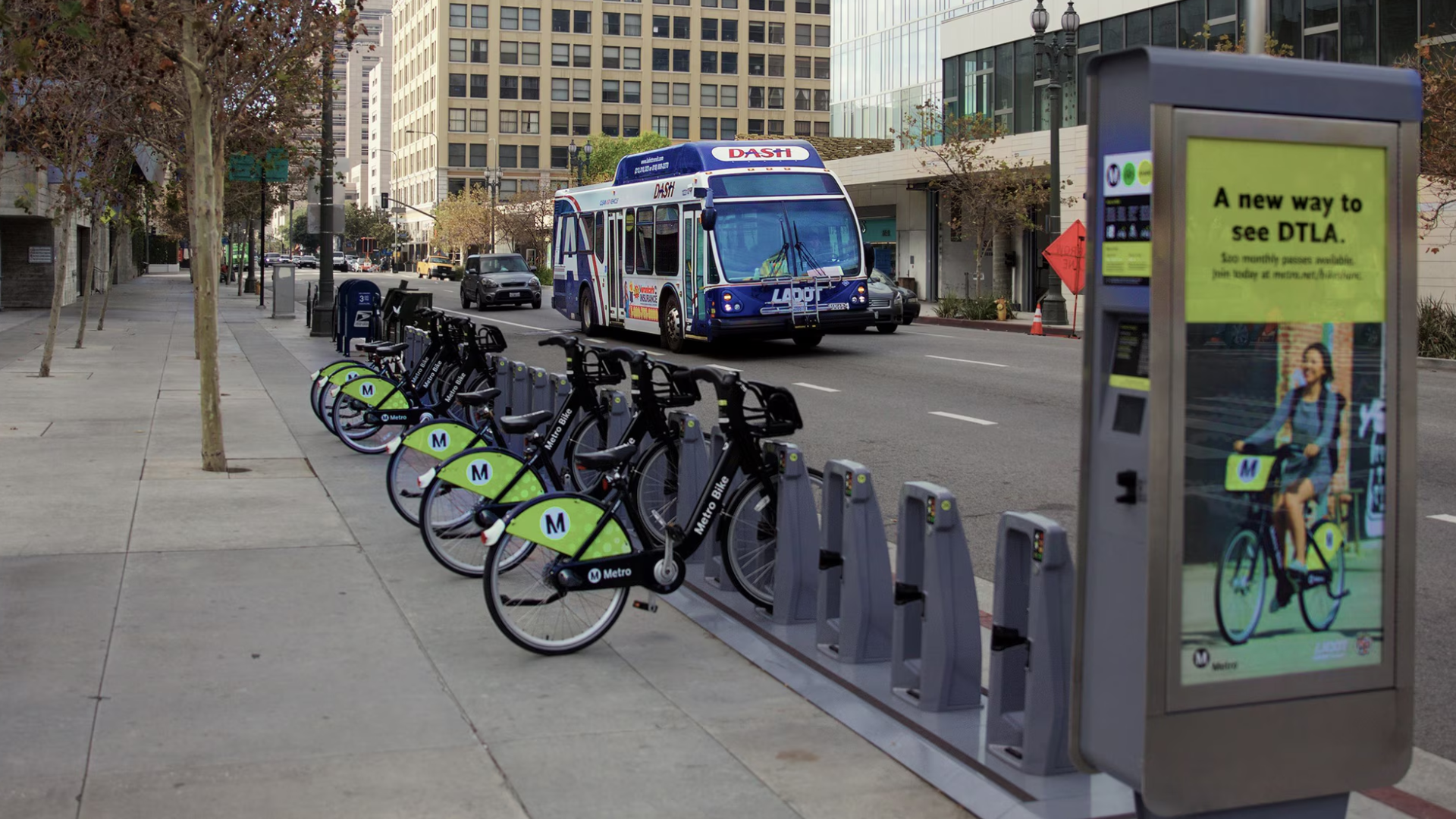
Shared mobility provides flexible, on-demand transportation options that reduce personal vehicle ownership and ease traffic congestion.
Systems such as car-sharing, bike-sharing, and ride-hailing services enable users to access transportation only when needed, lowering overall road use and environmental impact.
These services rely on digital platforms that match users with available vehicles, track usage data, optimize routes, and manage fleet distribution across urban areas.
Shared mobility supports first- and last-mile connectivity, making public transit more accessible and convenient.
3. Connected & Autonomous Vehicles
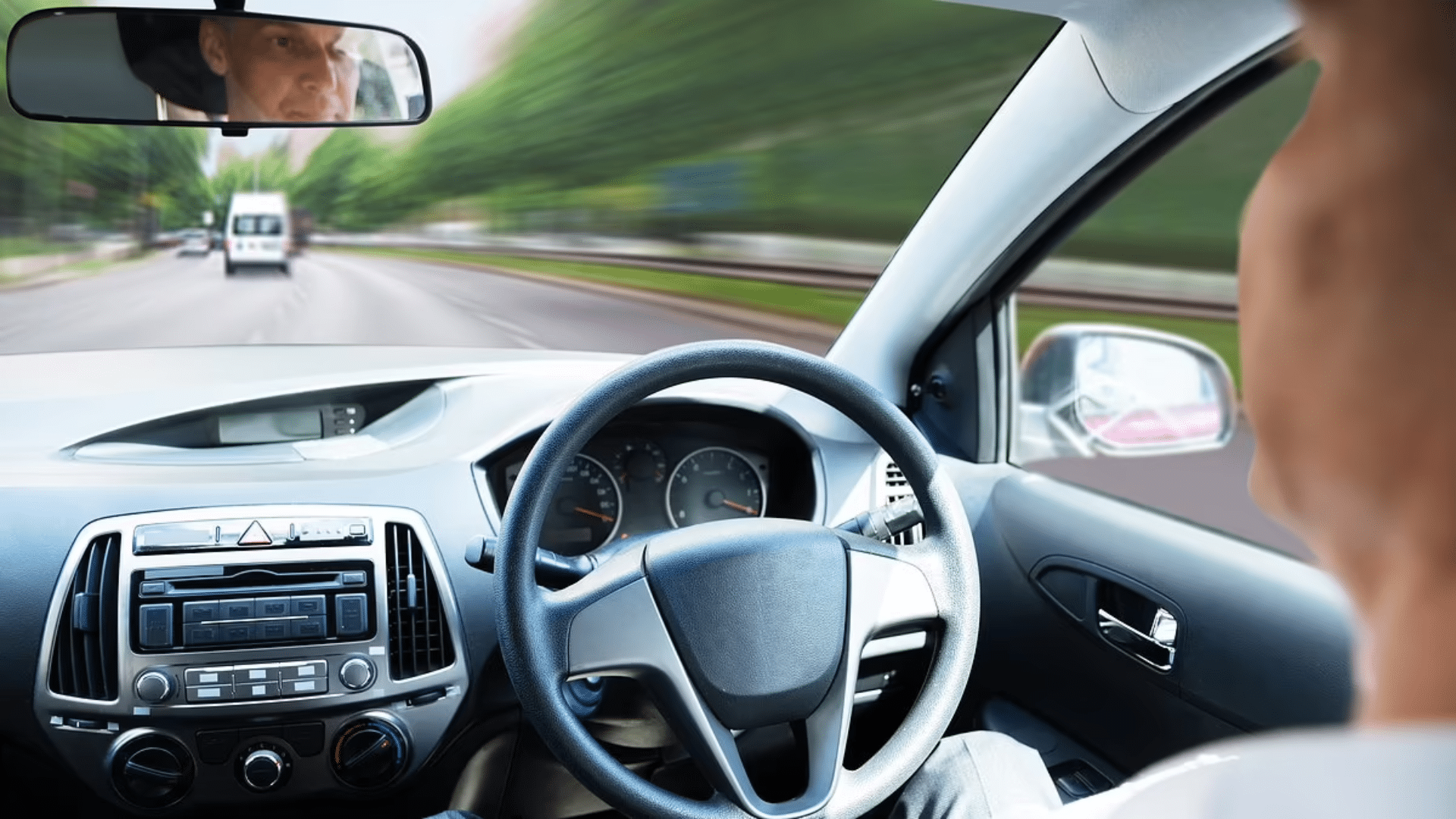
Connected and autonomous vehicles (CAVs) use advanced sensors, onboard computing, and communication technologies to enhance safety, traffic efficiency, and driving accuracy.
Connected vehicles share information with infrastructure, other vehicles, and traffic systems through vehicle-to-everything (V2X) communication.
Technologies reduce human-error-related accidents, streamline traffic flow, and improve fuel efficiency by optimizing driving behavior.
4. Intelligent Traffic Management Systems

Intelligent traffic management systems use sensors, cameras, AI algorithms, and real-time analytics to optimize traffic flow and reduce congestion.
Adaptive traffic signals automatically adjust timing to improve travel efficiency, while dynamic signage guides drivers to less-congested routes.
Integration with connected-vehicle data enhances predictive modeling and improves traffic-forecasting accuracy.
5. Mobility-as-a-Service (MaaS) Platforms
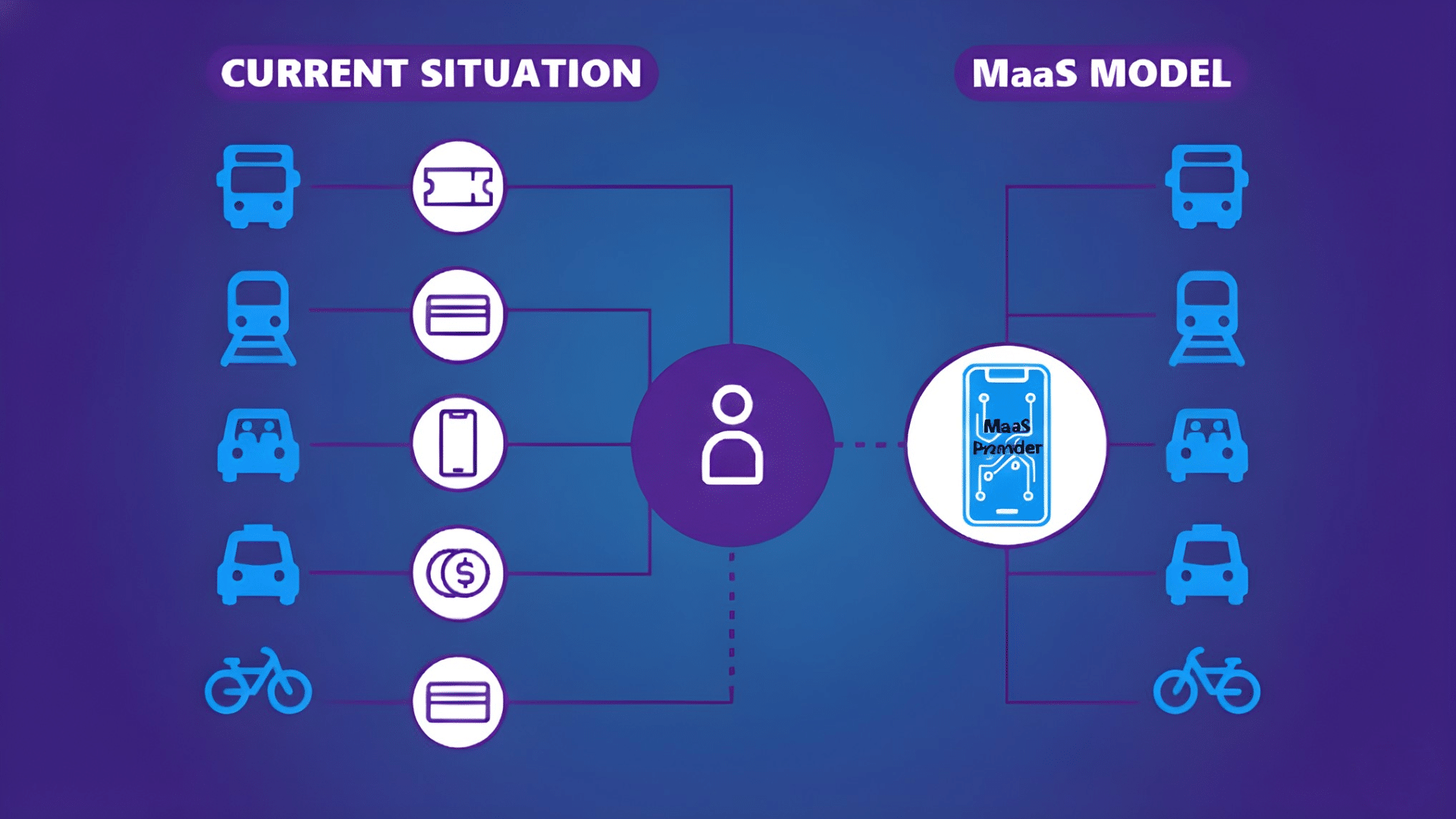
Users can plan routes, compare travel options, book rides, and pay for services through one app, creating a seamless travel experience.
MaaS systems rely on real-time data to provide accurate schedules, delay updates, and multi-modal trip recommendations.
By encouraging integrated transportation rather than isolated services, MaaS reduces dependency on private cars and improves urban mobility efficiency.
These platforms support subscription plans or pay-as-you-go models, making travel more flexible and predictable.
Smart Mobility in Action
It can be seen in cities that use technology to streamline transportation, reduce congestion, and improve commuter experiences.
Real-time data from sensors, GPS systems, and connected infrastructure helps manage traffic flow, adjust signal timings, and provide accurate transit updates.
Electric buses and on-demand shuttles reduce emissions while offering flexible travel options.
Bike-sharing and scooter programs expand first-mile and last-mile access, making public transit more convenient.
Autonomous vehicle pilots demonstrate how automation can enhance safety and reduce operational costs.
Mobility-as-a-Service apps integrate multiple transport modes into a single platform, allowing seamless trip planning and payment.
Examples from Leading Smart Cities
These real-world examples show how connected systems, sustainable travel options, and intelligent infrastructure can create smoother and more efficient mobility experiences.
1. Singapore’s Autonomous Bus System
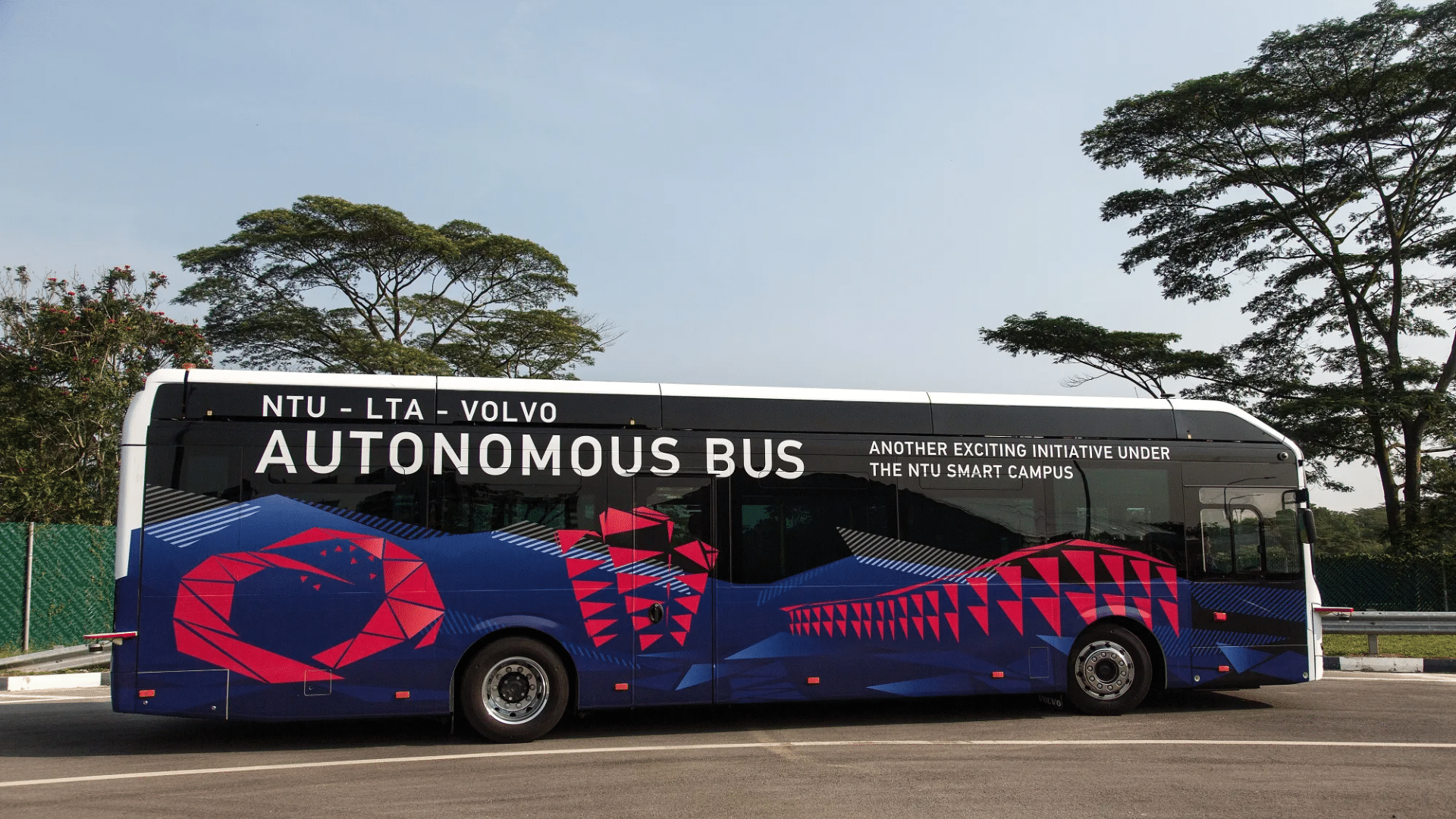
Singapore is one of the world’s most advanced smart mobility hubs, using autonomous vehicle trials and intelligent traffic systems to streamline transportation.
The city tests autonomous buses and shuttles in controlled districts, gradually integrating them into public transit to improve safety and efficiency.
These vehicles operate using lidar, sensors, and AI, enabling precise navigation and reduced human error.
Singapore’s Smart Traffic Management System uses real-time analytics and adaptive signals to optimize vehicle flow and reduce congestion at peak hours.
2. Amsterdam’s Bike and EV Network
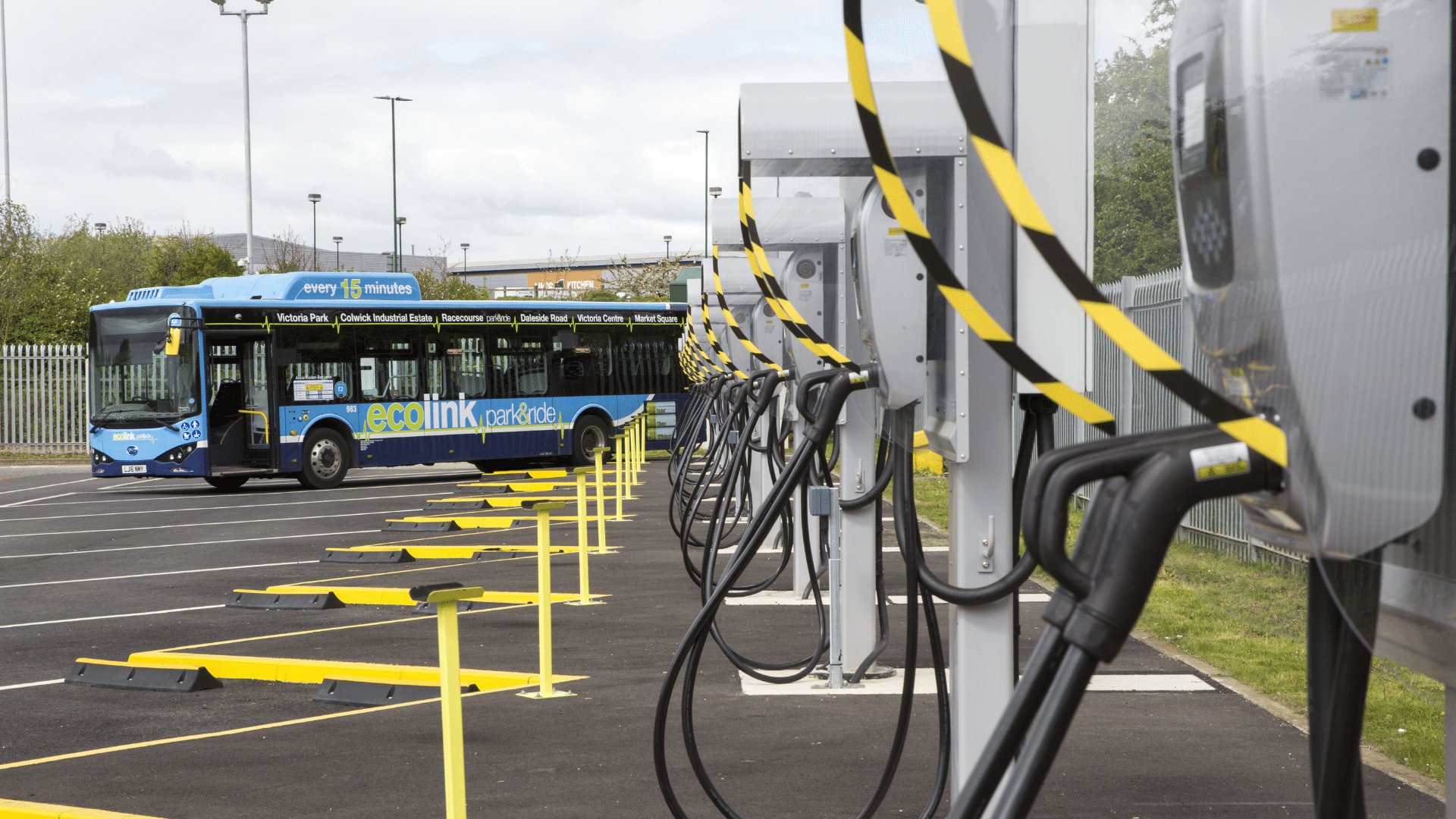
Amsterdam demonstrates how sustainable transportation can thrive through strong smart mobility planning.
The city’s bike-sharing systems are integrated with public transit apps, allowing residents to plan multimodal journeys with a single interface.
Amsterdam also invests heavily in electric vehicles, offering widespread charging infrastructure powered partly by renewable energy.
The city’s Mobility-as-a-Service platforms combine cycling, EVs, buses, and trams into unified transportation options.
3. Seoul’s Smart Mobility Systems
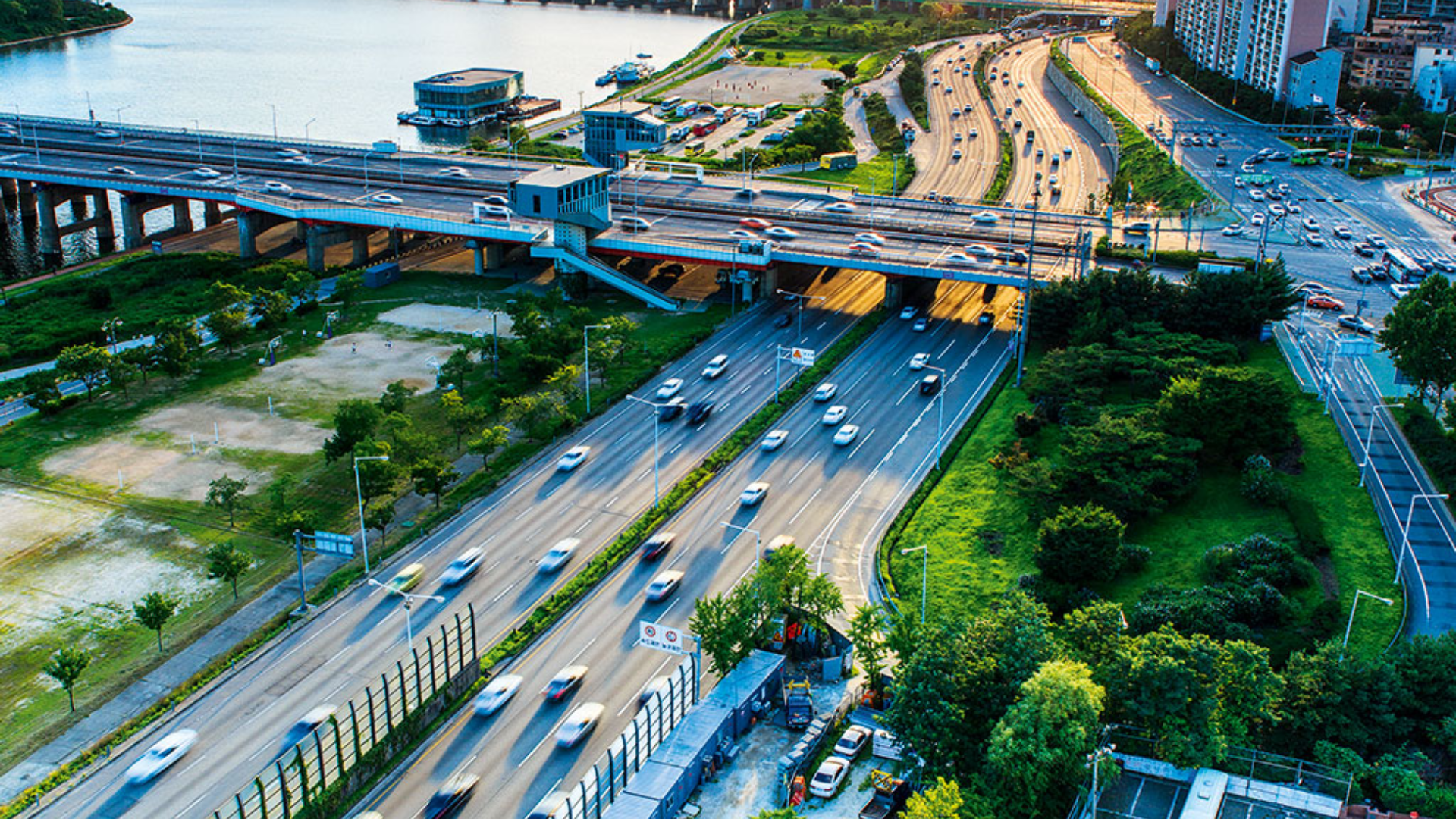
Seoul showcases smart mobility at scale by integrating real-time data across its extensive public transportation network.
Digital screens and mobile apps provide live updates on bus locations, subway arrivals, and potential delays, allowing commuters to plan trips with remarkable accuracy.
Seoul’s smart highways use sensors and vehicle-to-infrastructure communication to detect accidents, manage speed limits, and dynamically guide traffic.
Pros and Cons of Smart Mobility
Understanding both the benefits and limitations helps clarify how these technologies fit into long-term mobility planning. The table below outlines the key pros and cons.
| Pros | Cons |
|---|---|
| Reduces traffic congestion | High setup and system deployment costs |
| Lowers carbon emissions | Relies strongly on stable digital networks |
| Improves daily travel efficiency | Raises concerns about data security and privacy |
| Enhances road safety | Needs regular updates and maintenance funding |
| Increases mobility access for more users | Limited adoption in rural or low-tech regions |
| Promotes shared transport habits | May reduce personal control over travel choices |
The Future of Smart Mobility
It is expected to reshape transportation through advanced technologies, sustainable solutions for e-mobility, and fully connected systems.
As autonomous vehicles become more reliable, transportation networks will shift toward safer, more efficient travel with reduced human error.
Electric mobility will expand with faster charging, wider infrastructure, and deeper integration into energy grids.
Real-time data and AI will enable predictive traffic management, personalized route planning, and improved public transit efficiency.
Mobility-as-a-Service platforms will consolidate transportation options into unified digital ecosystems, making travel more seamless across cities.
Conclusion
Have you noticed how quickly your daily travel habits are changing?
As I close this look at smart mobility, it’s clear these shifts are shaping how we move in real and practical ways.
Each new tool brings smoother trips, safer roads, and better support for people in busy cities.
The more I follow these changes, the more I see how they open doors for stronger, cleaner, and easier travel systems.
This isn’t just future talk for it’s already happening, and now is the right time to think about how it can support your routine.
What step will you take to be part of this shift? Add your thoughts in the comments, and let’s keep the conversation going.