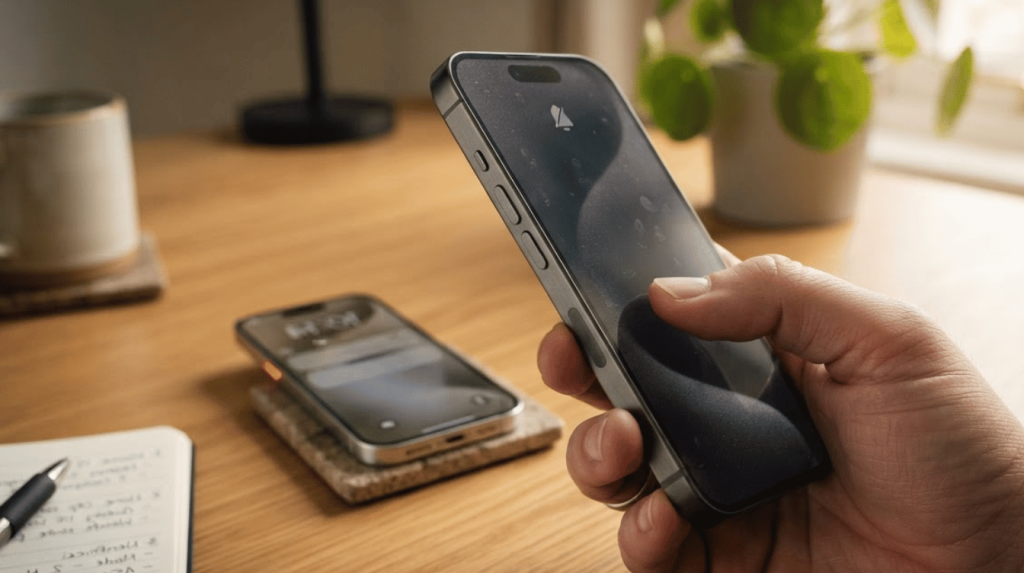
What would you change if you had the chance to design the next iPhone from scratch?
I like opening with that question because it helps me slow down and look at the small things that shape how I use my phone each day.
When I think about new ideas, I focus on daily habits, small tasks, and tiny moments that could work better with clearer tools or simpler features.
I ask readers to think about their own routines, too, because proper design often starts with everyday needs rather than big statements.
This guide covers hilarious ideas, tips for actually designing something creative, and examples of features that could improve a future iPhone.
This approach keeps the process steady, practical, and grounded in real use instead of guesswork.
Why Everyone Wants to Design the Next iPhone?
Why is there so much interest in trying to design the next iPhone?
Many people enjoy imagining new features because it gives them a sense of control over the technology they use every day.
The iPhone is a familiar device, so rethinking its shape, tools, or functions feels approachable rather than technical.
There’s also a creative side to the process, where anyone can play with ideas that make life easier, smoother, or more enjoyable.
Some people look at daily habits and think about what could be faster or more precise.
Others enjoy the challenge of solving minor frustrations that come up while using their phones. This mix of curiosity, problem-solving, and imagination keeps the idea fresh.
Creative Ways to Design the Next iPhone
These methods often spark fresh thinking, and unusual techniques can lead to ideas that feel fun, surprising, and unexpectedly useful.
1. Sketching iPhones Using Random Household Objects
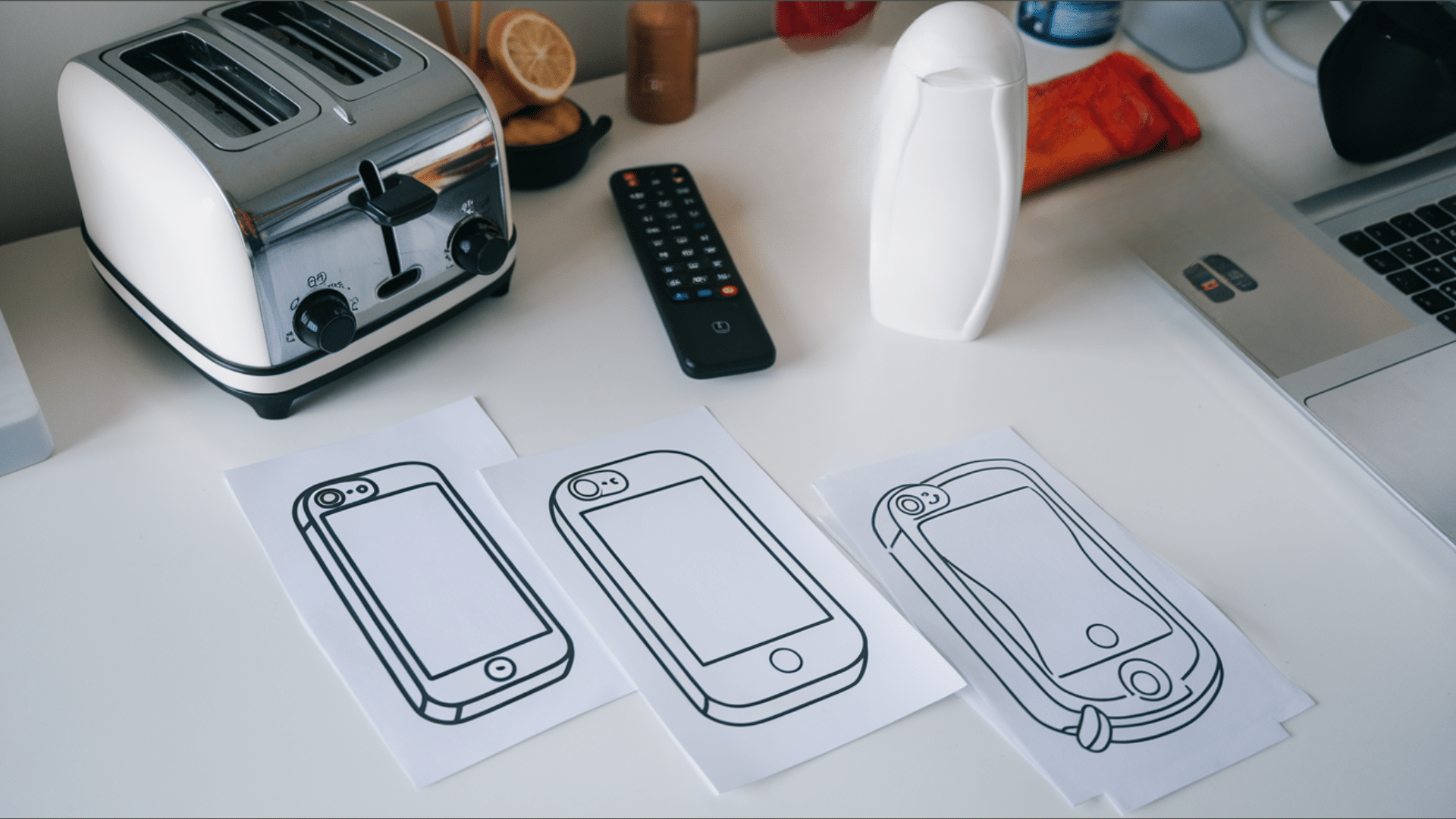
Using everyday items to design the next iPhone helps people think past the standard rectangle.
A toaster might inspire a chunkier frame, while a remote control suggests new button placements. Shampoo bottles push more curved edges, and snacks add playful proportions that break traditional rules.
These objects act as quick, low-pressure “molds,” making it easier to picture new layouts without relying on technical tools.
2. Letting AI Tools Generate Wild iPhone Concepts
AI prompts allow users to push design limits without technical skills. People type in funny or exaggerated ideas, such as a phone shaped like cheese or a device with cloud-like edges.
The AI then produces visuals that feel odd, lively, and sometimes surprisingly functional. This randomness removes the pressure to be precise, letting users bounce off unexpected results.
Each image becomes a starting point for new ideas, helping users refine shapes, features, or interfaces they might not have imagined on their own.
3. Suggestions From Android Users

Asking Android users for feature ideas often leads to chaotic suggestions that highlight real gaps and surprising opportunities.
People who don’t use iPhones tend to notice missing conveniences, unnecessary steps, or confusing behaviors in ways regular users might overlook.
Their ideas can be exaggerated, humorous, or completely unrealistic, but they often surface genuine frustrations.
4. Children’s Doodles Into Phone Concepts
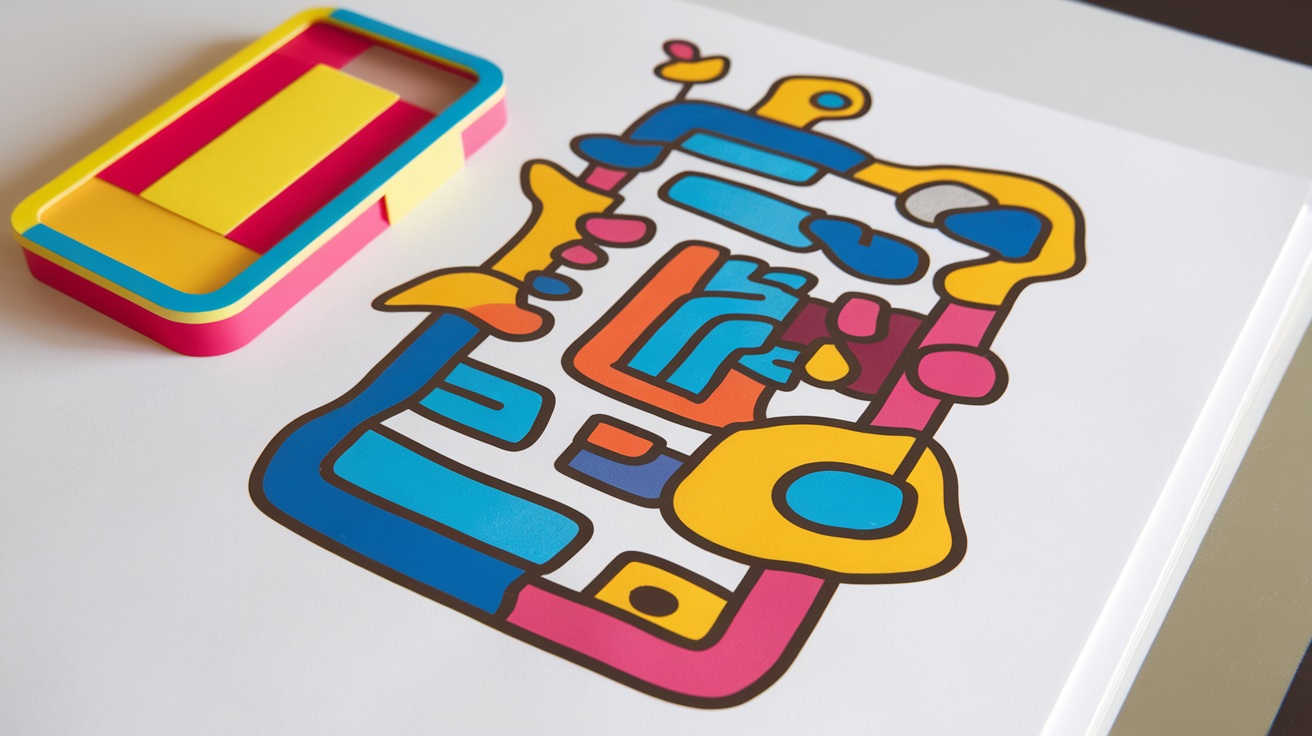
Children’s drawings offer bold shapes and logic-free creativity that challenge traditional design boundaries.
Since kids draw without concern for practicality, their doodles often include floating screens, extra buttons, or unusual colors.
These exaggerated features inspire concepts that feel more playful and imaginative. The looseness helps adults move away from rigid structures and think in broader strokes.
5. Using Craft Supplies to Prototype Future iPhones
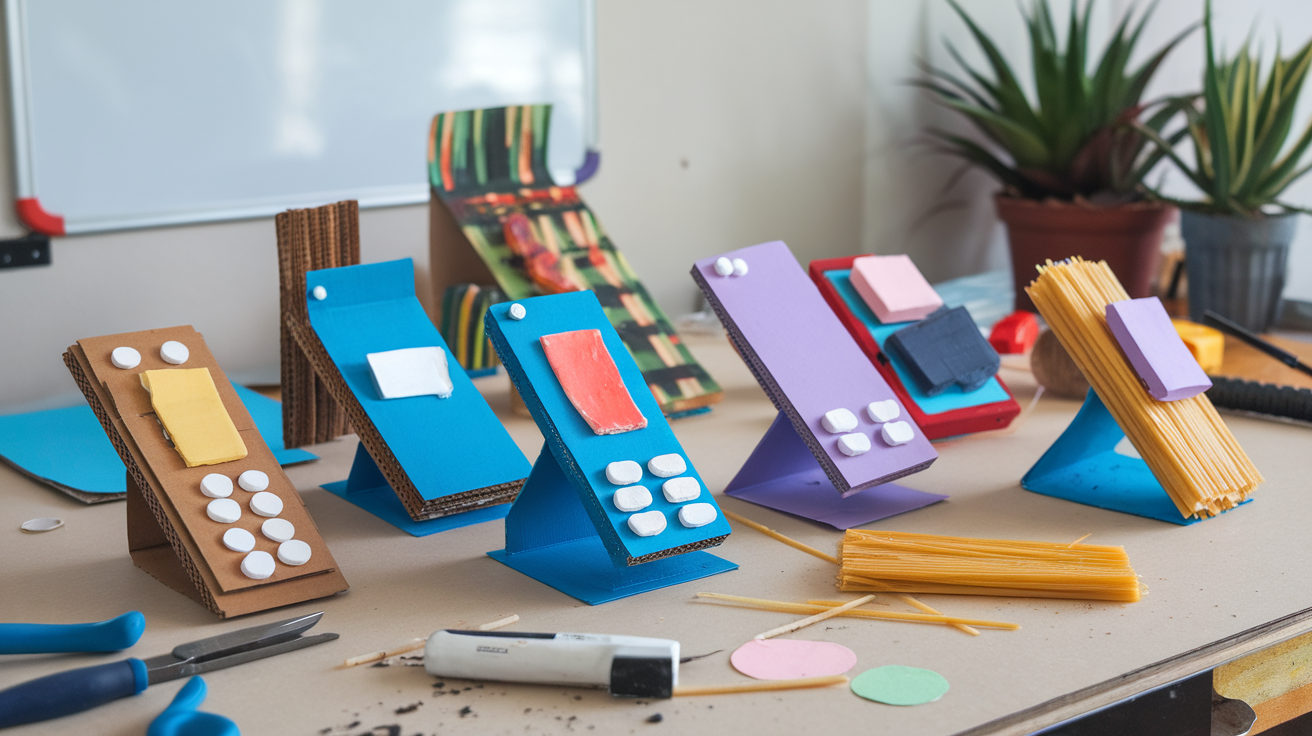
Simple materials like cardboard, clay, foam, or spaghetti form quick physical models that make it easier to judge comfort and proportions.
Craft-based prototypes allow users to test thickness, button placement, and hand-feel long before digital tools enter the process.
Play-Doh and clay encourage free shaping without limits, while cardboard creates cleaner edges for mock interfaces.
6. Running a Fake “Design Meeting” With Pets
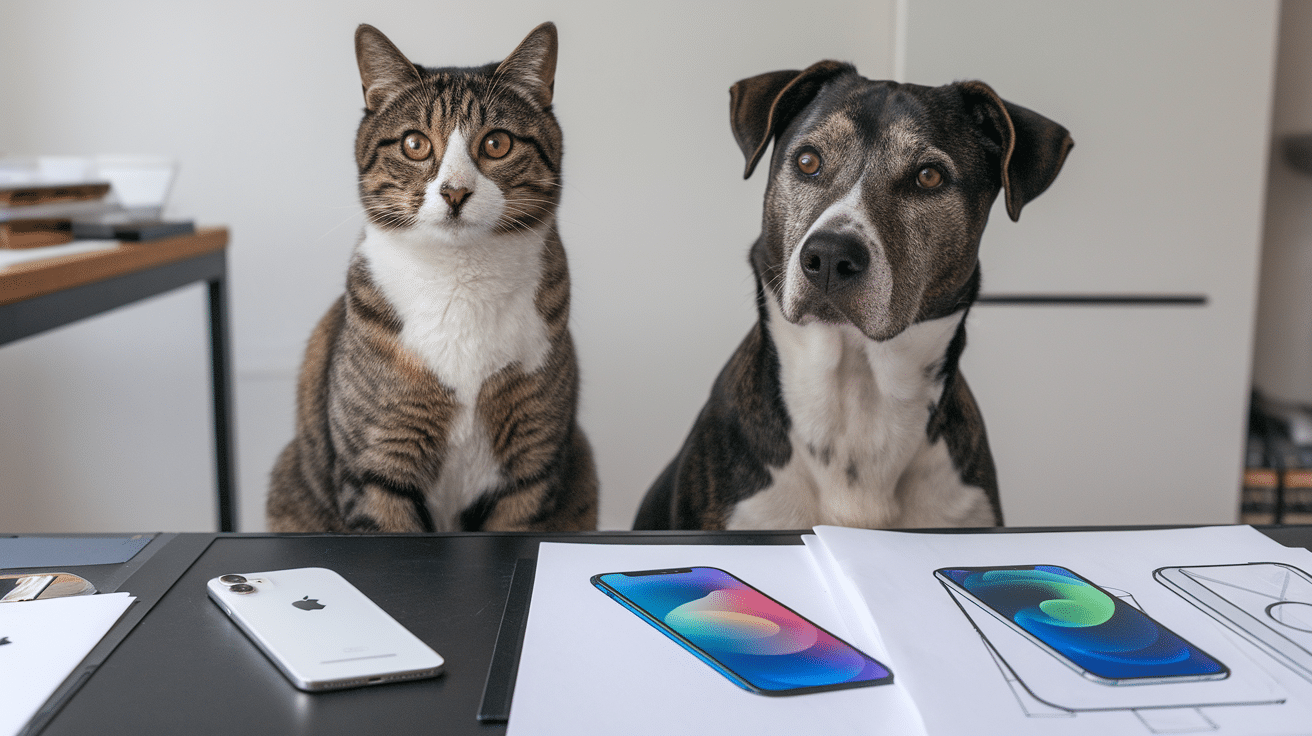
People turn casual time with pets into humorous brainstorming sessions by imagining the feedback their animals might give to design the next iPhone.
A cat’s habit of sitting on warm surfaces might inspire a better heat distribution system, while a dog’s love of carrying objects could suggest improved durability or grip.
These playful interpretations shift the focus toward simple, sensory-based needs rather than technical assumptions.
Tools to Design the Next iPhone Like Engineers
When I look at how engineers work, I notice how simple tools and steady methods shape stronger ideas. These tools make the process clear and grounded.
- CAD Software: Provides precise shapes, measurements, and structural details, allowing accurate modeling of size, layout, curves, and internal spacing for better planning.
- Prototyping Boards: Supports testing of button placement, sensors, and early hardware ideas before building full models, reducing mistakes later.
- Thermal Mapping Tools: Shows heat patterns so components stay safe, balanced, and efficient under pressure or long use.
- Material Testing Kits: Check durability, texture, weight, and flexibility to choose safe and long-lasting outer shells.
- Ergonomic Measuring Tools: Helps study comfort, reach, and hand positions to support easier daily use.
- Circuit Simulators: Test electronic behavior, power flow, and system reactions without building physical parts.
The Funniest Fake iPhone Features People Make Up
Playful ideas often reveal how people mix humor with wishful thinking, creating imaginary features that feel outrageous, entertaining, and oddly practical at the same time.
1. Zero-Battery iPhone That Runs on Vibes
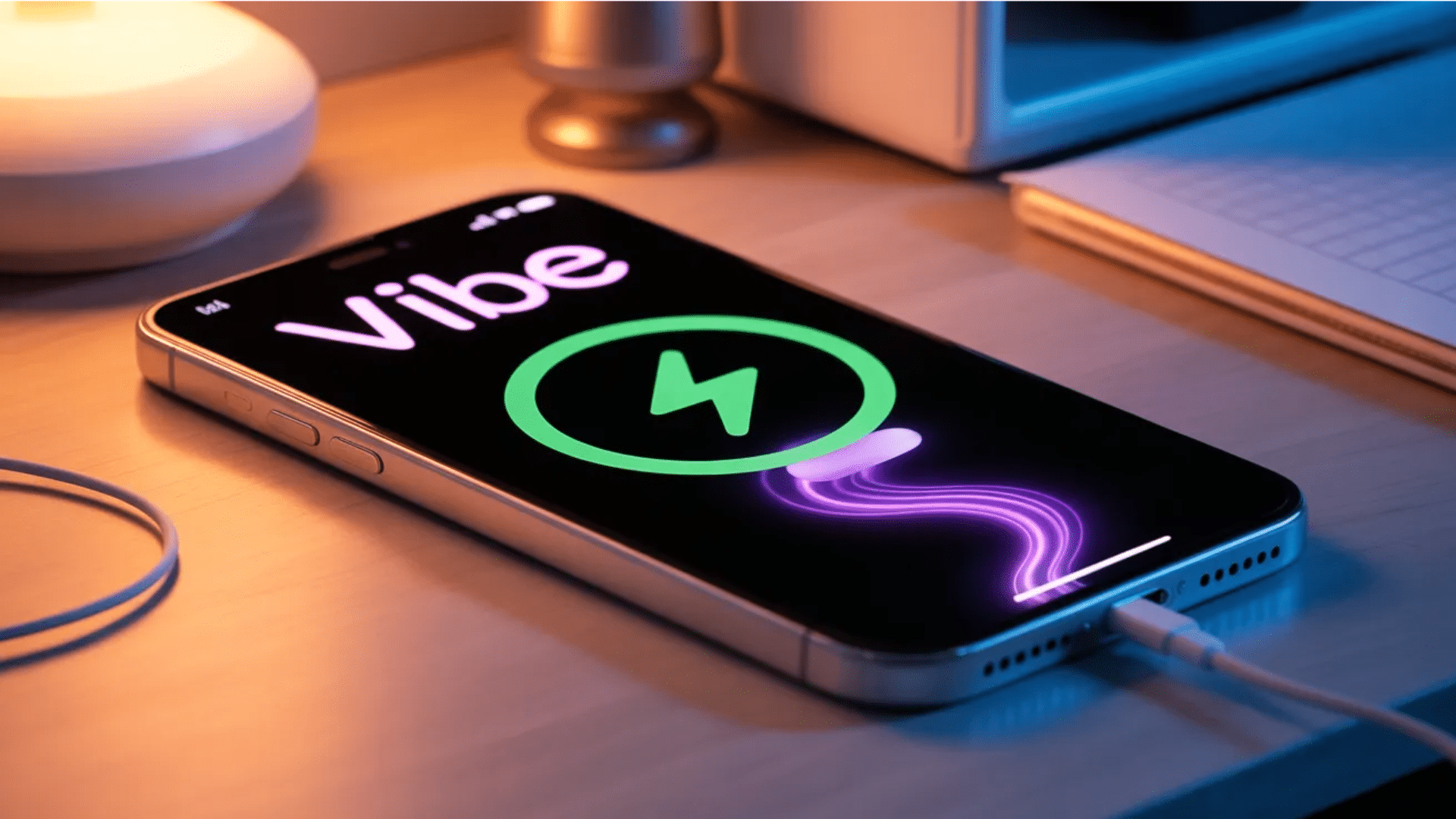
The feature taps into the desire for endless battery life without extra hardware.
People picture a device that responds to mood, motivation, or general energy levels, staying powered during busy days and dipping only when spirits fall.
The humor comes from treating emotional states as a power source, making the device feel alive. It also reflects common frustration with battery limits and charging cables.
2. Built-in Snack Dispenser
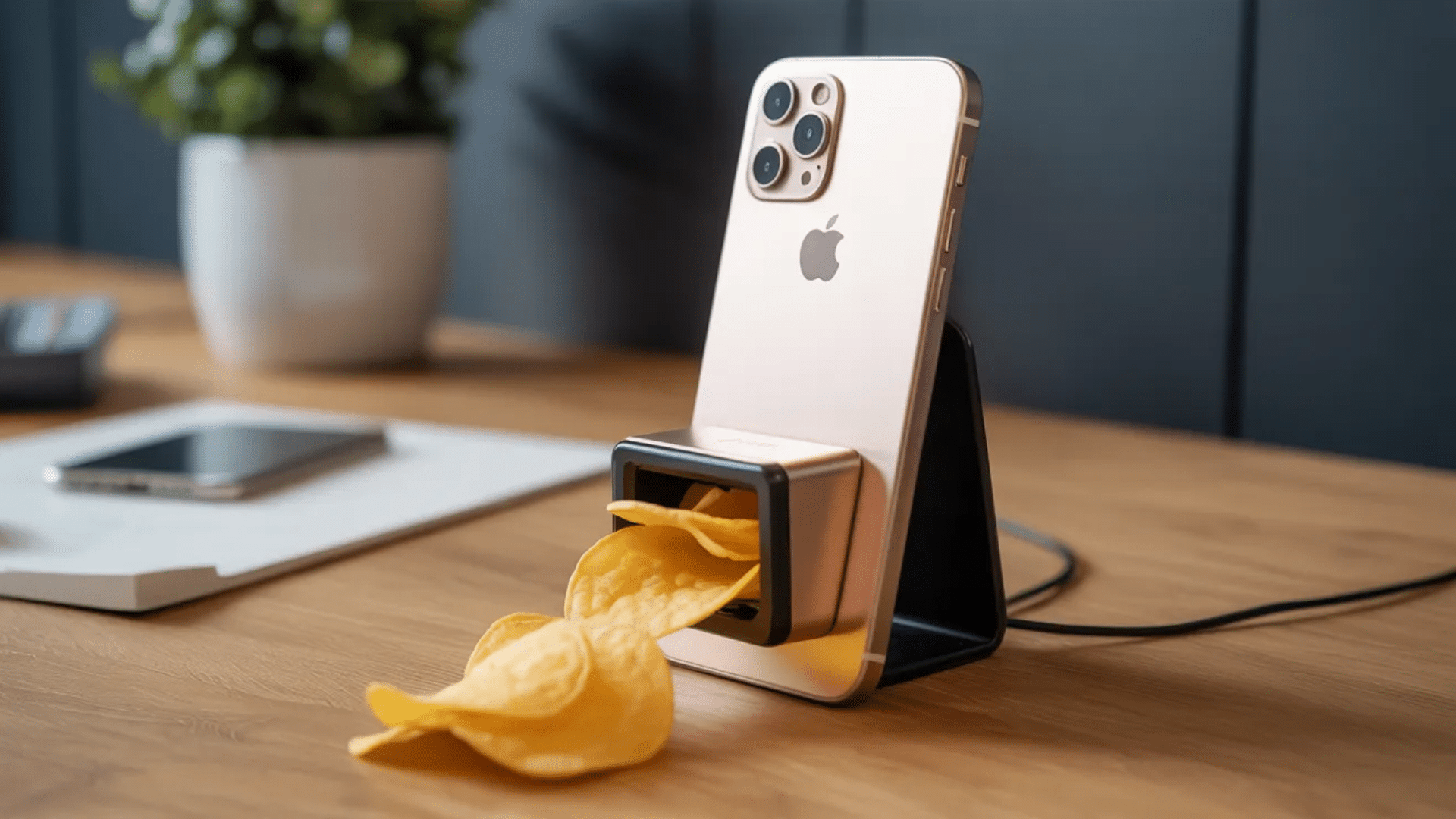
Imagining a device that delivers snacks turns convenience into a comedic design idea. People describe a small internal chamber that holds treats that appear when a tap or voice command is given.
The concept blends daily cravings with tech efficiency, creating a phone that doubles as a handheld vending machine.
The feature’s humor comes from its pure indulgence, appealing to anyone who snacks while working, traveling, or scrolling.
3. iPhone That Redesigns Itself Every Morning
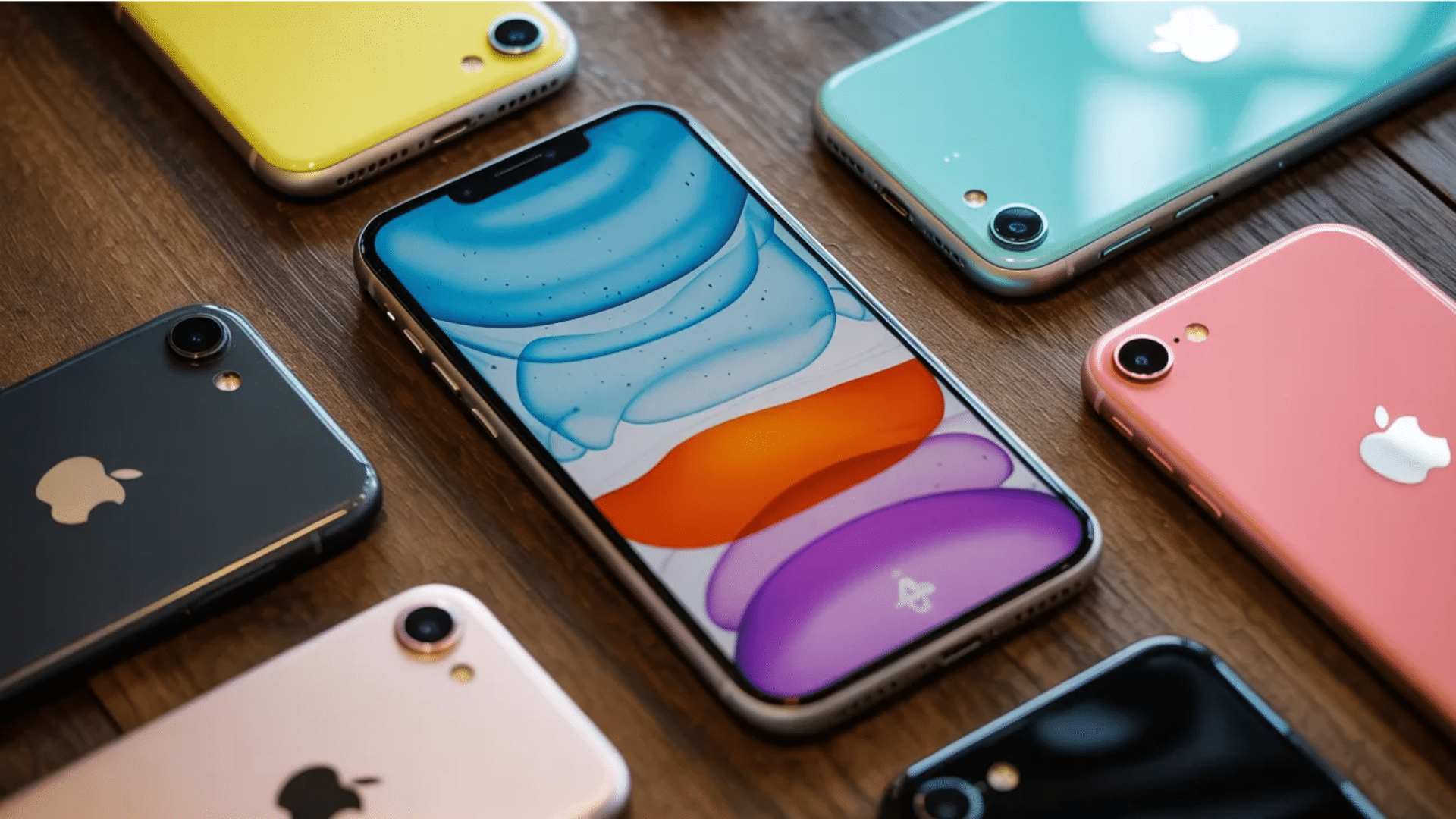
This imaginary feature presents a device that changes shape, color, layout, or screen style based on the day’s mood, forecast, or astrological theme.
It mirrors the desire for personalization by making the phone feel new each morning. People picture shifting frames, playful animations, and updated button arrangements.
The novelty lies in unpredictability, turning each day into a fresh experience. This humorous concept reflects the growing interest in adaptive technology and customization.
4. Camera That Refuses to Take Bad Photos
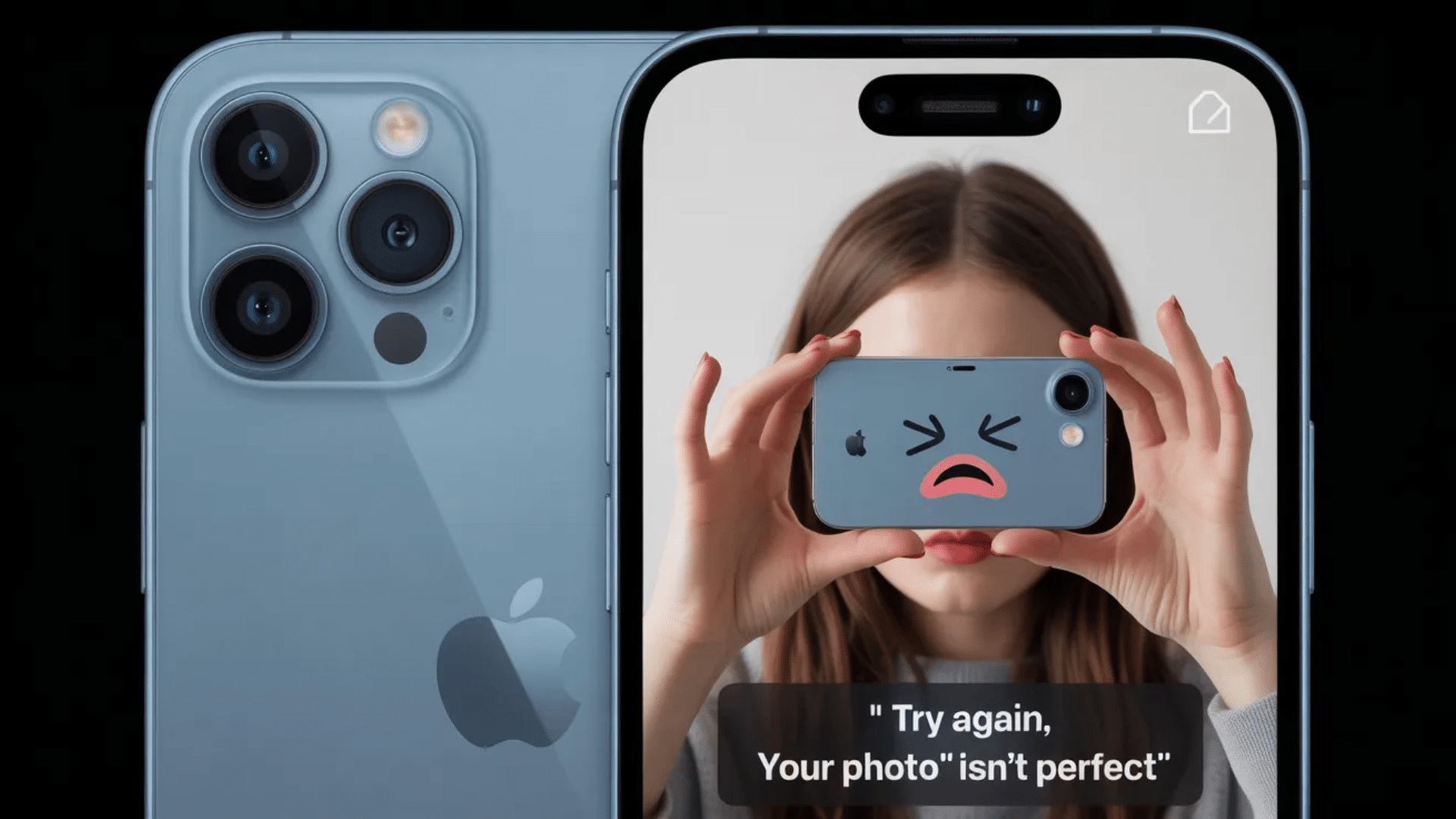
This concept imagines a camera with built-in judgment, rejecting photos that look blurry, poorly lit, or unflattering, making it a unique idea for the next iPhone.
Users might try capturing messy moments, but the phone refuses, offering adjustments or prompts instead.
The humor comes from the device acting like a protective editor, guarding users from awkward shots. It plays on the desire for unedited, perfect images, creating a camera that demands quality.
Tips to Actually Get Your iPhone Design Noticed
Getting attention starts with clear ideas, simple visuals, and strong reasoning that help a concept stand out in a crowded field.
- Focus on One Big Idea: Present a single strong feature that defines the design, making it easier for people to remember and share.
- Show Clear Visuals: Use simple sketches or mockups that highlight shape, layout, and function without clutter, helping reviewers understand the concept quickly.
- Explain the Problem Solved: Connect the design to a real need, so the idea feels practical, valuable, and grounded in everyday use.
- Keep the Layout Simple: To design the next iPhone, avoid complex forms and stick to clean shapes that are easy to recognize, compare, and evaluate.
- Share Across Multiple Platforms: Post the concept where designers, tech fans, and engineers gather to maximize visibility and encourage feedback.
Conclusion
When I look back at everything in this guide, I see how small habits, playful thinking, and clear problem-solving can make it easier to design the next iPhone with real purpose.
Each idea, from humorous features to practical tools, shows that creativity grows when pressure drops and curiosity takes over.
I like remembering that strong design rarely begins with polished concepts.
It usually starts with rough sketches, quick notes, and simple questions about what could work better in everyday life.
When those small ideas are shaped with intention, they turn into concepts that feel useful, thoughtful, and worth sharing.
If you’re ready to take the next step, share your best feature idea or sketch below.
I’d love to see what you create. Add your thoughts in the comments.