People scroll fast on social media, and events often get lost in that noise.
A strong promotion plan helps your event stand out, reach the right audience, and build interest well before the event date arrives.
Social platforms give you space to share updates, highlight speakers, answer questions, and keep people engaged without relying on one-time announcements.
In this blog, I will explain social media event marketing in a clear and practical way.
You will also learn how to prepare before promotion starts, what type of content works best as the event gets closer, and how to keep conversations going once the event is over.
This approach works for online events, in-person gatherings, and everything in between, making promotion feel planned instead of rushed.
What is Social Media Event Marketing and Why is it Important?
Social media event marketing focuses on using social platforms to create awareness, drive registrations, and keep audiences engaged before, during, and after an event.
It works because people already spend time on these platforms looking for updates, recommendations, and shared experiences.
Social media allows event organizers to reach specific audiences, share timely information, and interact directly with potential attendees.
It also helps build trust through comments, shares, and real conversations.
By using social media the right way, events stay visible for longer, reach more people, and gain momentum without relying only on traditional promotion methods.
Top Social Media Platforms for Events
Each platform supports event promotion differently, so choosing the right one helps improve reach, engagement, and overall event visibility.
| Social Media Platform | Primary Use for Events | Why It Works |
|---|---|---|
| Event pages and reminders | Helps build communities and share updates easily | |
| Visual promotion | Works well for stories, reels, and quick highlights | |
| Professional events | Reaches business and industry-focused audiences | |
| X (Twitter) | Real-time updates | Supports live announcements and conversations |
| YouTube | Video content | Useful for trailers, speaker clips, and event recaps |
Proven Strategies to Promote an Event on Social Media
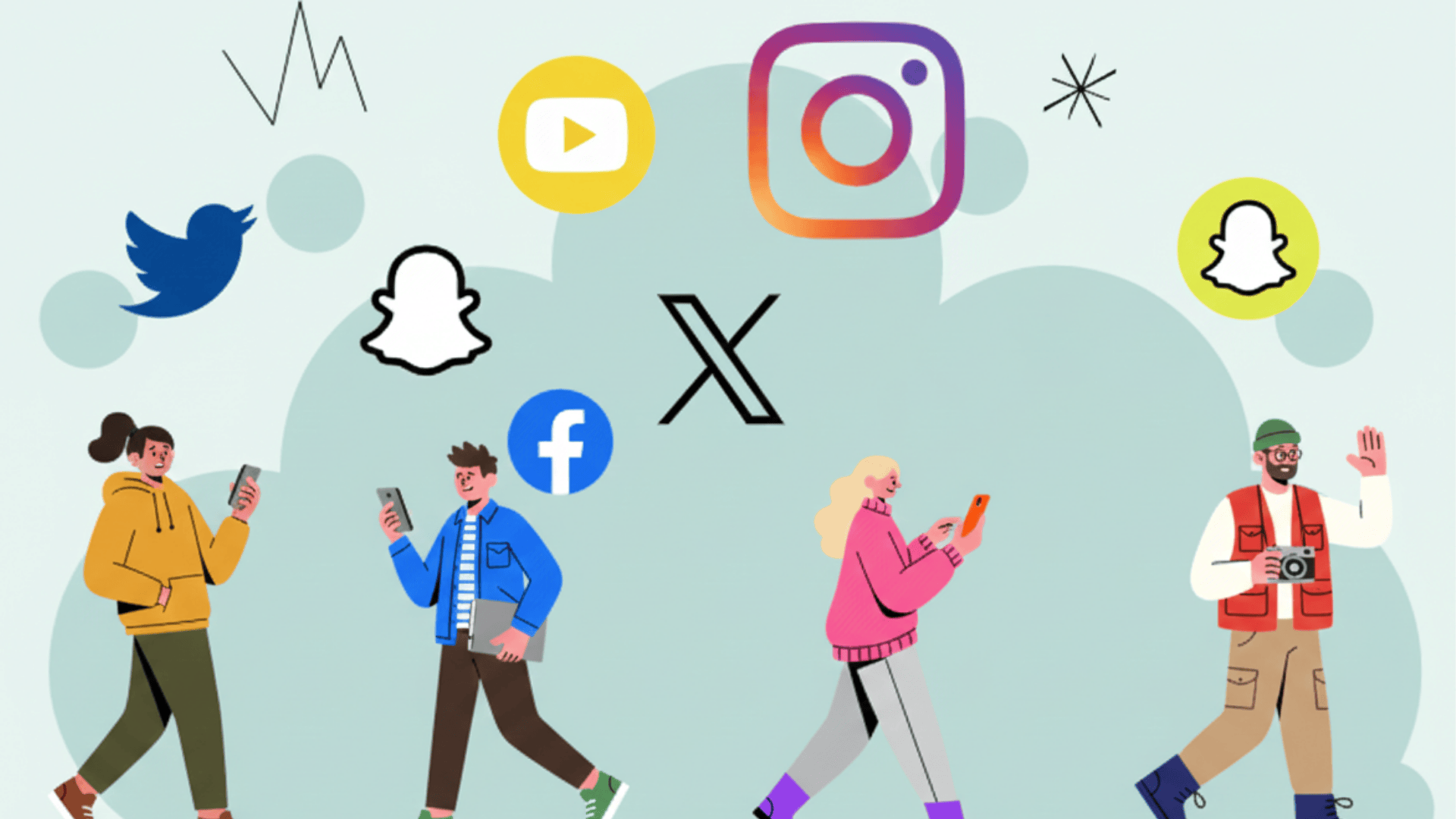
These strategies focus on planning, visibility, and engagement to help your event gain attention and steady interest on social platforms.
1. Set Clear Promotion Goals
Every successful event promotion starts with a clear understanding of what you want to achieve.
Defining goals helps shape your messaging, content style, and posting schedule while keeping efforts focused on meaningful outcomes.
Some events aim to drive registrations, while others focus more on awareness or engagement, and knowing this early prevents wasted effort.
Clear goals also make it easier to review performance later, allowing you to see what worked and what needs improvement as promotion continues.
2. Choose Platforms Based on Your Audience
Selecting the right social platforms depends on where your audience already spends time, not on which platform is trending.
Different platforms attract different user behaviors, and understanding this helps you reach people more effectively.
When you focus on the platforms that align with your event type, your content feels more relevant and gains stronger engagement.
This approach also saves time and effort by allowing you to create better content instead of trying to manage every platform at once.
3. Optimize Social Profiles With Event Details
Your social profiles often create the first impression of your event, so they should clearly reflect what you are promoting.
Updating profile descriptions, cover images, and pinned posts makes it easier for visitors to find important details without searching.
When event information is clear and visible, people are more likely to trust the event and take action.
Well-organized profiles also support your promotional posts by giving users a reliable place to learn more.
4. Create a Clear Event Hashtag
An event hashtag helps keep all related conversations in one place while making your content easier to find and share.
A simple and easy-to-read hashtag encourages attendees, speakers, and partners to use it naturally.
When used consistently across posts, it strengthens brand recognition and supports engagement beyond your own audience.
It also allows you to track discussions and user-shared content, which adds value during and after the event.
5. Build a Promotion Timeline
A promotion timeline helps spread content evenly and prevents rushed posting as the event date approaches.
Planning ahead allows you to share updates, reminders, and highlights in a natural flow that keeps audiences informed without feeling repetitive.
A clear timeline also gives space for adjustments based on engagement levels or feedback.
This approach creates consistency and ensures your event stays visible without overwhelming followers.
6. Use Teaser Content to Build Interest
Teaser content helps create curiosity by offering small previews instead of sharing everything at once.
This could include short clips, early announcements, or hints about speakers or sessions.
When shared gradually, teasers keep people interested and encourage them to follow future updates.
This strategy works best when combined with clear next steps, helping audiences stay engaged while waiting for more details.
7. Highlight Speakers or Key Guests
Featuring speakers or special guests adds a personal and credible element to event promotion.
People often connect more with faces and stories than with general event descriptions.
Sharing short introductions, quotes, or background information helps audiences understand the value of attending.
When speakers share this content with their own networks, it extends reach and builds trust through familiar voices, making the event feel more established and worth attending.
8. Collaborate With Partners or Influencers
Working with partners allows your event to reach audiences that may not already follow your social accounts.
These collaborations work best when there is shared value and aligned goals.
Simple actions like shared posts or mentions can significantly increase visibility while adding credibility through trusted voices.
Partner content often feels more natural than direct promotion and helps your event reach people through channels they already trust.
9. Encourage Early Sign-Ups With Urgency
Creating urgency encourages people to act sooner instead of delaying decisions.
Limited-time offers, early access, or reminders about closing registrations help push action without pressure.
When urgency is communicated clearly, it gives people a reason to prioritize your event.
Early sign-ups also help build momentum, making later promotion easier as interest grows and more people start talking about the event.
10. Use Paid Ads to Increase Visibility
Paid social ads help expand reach beyond your existing audience, especially when organic visibility is limited.
Targeted ads allow you to focus on people who are more likely to be interested based on location, interests, or behavior.
Even a modest budget can make an impact when messaging is clear, and visuals match the event theme. Paid promotion works best when combined with organic content for consistent visibility.
11. Track Performance and Adjust Content
Tracking performance helps you understand how audiences respond to your promotion efforts.
Engagement, clicks, and registrations provide useful insight into what content performs best.
Reviewing this data regularly allows you to adjust timing, formats, or messaging to improve results.
This process ensures that your promotion stays effective and focused on actions that support event goals rather than repeating content that does not perform well.
Practical Social Media Event Marketing Tips
These tips help improve visibility, engagement, and follow-through by refining how you plan, post, and interact during event promotion
1. Start Promotion Earlier Than You Think
Starting promotion early gives your event time to build awareness in a natural way instead of relying on repeated reminders close to the event date.
Early promotion allows audiences to plan ahead, ask questions, and share the event with others who may be interested.
It also creates room to test different content types and messaging while adjusting based on engagement.
When promotion begins early, visibility grows steadily, and the event feels planned and reliable rather than rushed or last-minute
2. Keep Messaging Clear and Consistent
Clear and consistent messaging helps people understand what the event offers without confusion.
When details such as dates, format, and purpose remain the same across posts, audiences feel more confident about attending.
Consistency also makes the event easier to recognize as people see multiple posts over time.
Using similar wording and visuals supports stronger recall and reduces the risk of miscommunication.
This approach helps build trust while keeping promotion easy to follow and engaging.
3. Pin Event Posts on Key Platforms
Pinning event posts keeps important details visible at the top of your social profiles, making it easier for visitors to find key information as soon as they land on your page.
This approach works especially well for registration links, event announcements, and major updates that need ongoing visibility throughout the promotion period.
By highlighting the most relevant content, pinned posts guide attention without requiring repeated reminders.
This simple action helps improve engagement, reduces confusion, and ensures your event stays easy to access without adding extra posting effort.
4. Post When Your Audience Is Most Active
Posting at times when your audience is active increases the chance that your content will be seen and engaged with.
Different platforms and audiences have different activity patterns, so reviewing past engagement data helps guide timing decisions.
When posts appear during active hours, they feel more natural in feeds and gain better reach.
This approach improves results without increasing the number of posts and helps make promotion more efficient and effective.
5. Adapt Content to Each Platform
Each social platform has its own content style and audience expectations, so adapting your posts improves performance.
Visual-heavy platforms respond better to short videos and images, while others perform well with longer captions or updates.
Adjusting formats, tone, and structure helps content feel natural rather than copied across channels.
Platform-specific content supports stronger engagement while still keeping messaging consistent, helping the event reach different audiences in the right way.
6. Use Clear Calls to Action
Clear calls to action help guide people toward the next step, such as registering, sharing the event, or visiting a link for more details.
When posts clearly explain what to do next, interested users are more likely to act instead of scrolling past.
Calls to action should feel natural and align with the purpose of each post so they do not seem forced or repetitive.
Providing clear direction helps turn attention into meaningful action and improves the overall impact of your promotion across social platforms.
7. Respond Quickly to Comments and Messages
Quick responses show that the event is active and well-managed. When questions receive timely replies, trust increases, and hesitation decreases.
Engagement through comments and messages also improves visibility on many platforms, helping posts reach a wider audience.
Active interaction creates a welcoming environment where people feel heard and supported.
This approach encourages conversation and helps potential attendees feel confident before committing to the event.
8. Repost Attendee and Speaker Content
Reposting content from attendees and speakers adds authenticity to your promotion. It shows real interest and creates a sense of community around the event.
This type of content often feels more relatable than direct promotion and encourages others to share their own posts.
Reposting also expands reach without extra content creation while strengthening relationships with those involved.
It keeps your feed varied and people-focused throughout the promotion period.
9. Use Polls and Questions to Increase Interaction
Polls and questions help turn passive viewers into active participants.
These features encourage quick interaction and make promotion feel conversational rather than one-sided.
Engagement through polls also provides insight into audience preferences, which can guide future content decisions.
When people interact early, they are more likely to stay engaged as the event approaches. This strategy supports visibility while keeping promotion light and engaging.
10. Share Live Updates During the Event
Sharing live updates during the event helps extend the experience to people who are not attending in real time.
Posting moments, quotes, or short clips keeps content current and engaging while showing that the event is active and well-organized.
These updates add energy and make the event feel relevant to online audiences, which can spark interest in future events.
Live sharing also encourages interaction as it happens, helping content stay fresh and engaging throughout the event timeline.
11. Save Live Content for Reuse
Live content does not lose its value once the event ends and can continue to support promotion long after the final session.
Saving and repurposing key moments makes it possible to reach people who were unable to attend live while reinforcing the event’s impact.
Highlights, short clips, and recap posts can be shared later to extend visibility and maintain interest.
This approach helps make better use of existing content and supports long-term event marketing without the need to create everything from scratch.
12. Follow Up After the Event Ends
Following up after the event helps maintain engagement and strengthens relationships with attendees beyond the event itself.
Sharing highlights, thanking participants, and inviting feedback shows appreciation while reinforcing a positive experience.
Follow-up content also keeps your audience connected and sets the stage for future events by continuing the conversation.
This stage completes the promotion cycle and supports long-term growth, as consistent communication after the event helps build trust and encourages ongoing interest.
Ways to Measure Social Media Event Performance
These metrics help evaluate visibility, engagement, and results, making it easier to improve future event promotion on social media.
- Engagement rate: Shows how users interact with posts through likes, comments, shares, and saves
- Reach and impressions: Indicates how many people saw your event content and how often it appeared
- Link clicks: Tracks how many users clicked event or registration links
- Sign-ups or registrations: Measures how many people completed the intended action
- Audience feedback: Captures comments and messages that reflect audience response
Common Social Media Event Marketing Mistakes to Avoid
- Starting promotion too late: Waiting until the last moment limits reach and reduces the time needed to build interest and trust
- Posting without a clear plan: Sharing content randomly leads to weak messaging and inconsistent visibility across platforms
- Ignoring audience interaction: Not responding to comments or messages can reduce trust and lower engagement
- Using the same content everywhere: Posting identical content on all platforms can reduce performance and relevance
- Skipping performance review: Failing to review results makes it harder to improve future event promotion efforts
Conclusion
Promoting an event on social media works best when it is planned, consistent, and focused on the real audience needs.
From setting goals to choosing platforms, sharing updates, and reviewing performance, each step plays a role in building visibility and engagement over time.
Small actions, when done with intention, can lead to stronger reach, better interaction, and more meaningful results.
The key is to stay organized, listen to your audience, and adjust based on what performs well.
If you are planning an upcoming event or want to improve your current promotion process, start applying these ideas step by step.
If you have questions, experiences, or tips of your own, drop a comment below and join the conversation.