Data center security is something I think you should understand, because it affects more of your daily life than you might realize.
When I talk about data centers, I mean the places where your apps, files, and business systems live.
In this guide, I want to help you see what data center security really means, why it matters today, and how it works behind the scenes.
I’ll walk you through the basics in clear steps so you can follow along without any tech-heavy terms.
You’ll learn about the risks data centers face, the tools that keep them safe, and the signs that show strong protection.
My goal is to give you a simple, honest look at how these systems stay secure and why it should matter to you today more than ever for your work.
What is Data Center Security?
Data center security is the set of steps used to keep a data center safe from harm, both in the real world and online.
Its main job is to protect physical systems like servers and power units, and digital assets such as data and software.
A secure data center uses tools that control who can enter the building, who can access systems, and how data moves across the network.
These controls work together to block threats, reduce mistakes, and keep systems running without delays.
Strong security also helps prevent data loss or downtime, which keeps your apps and services working when you need them.
By protecting each layer, data center security supports steady, reliable operations and gives you confidence that the information you rely on stays safe and available.
Why Data Center Security Is Important?
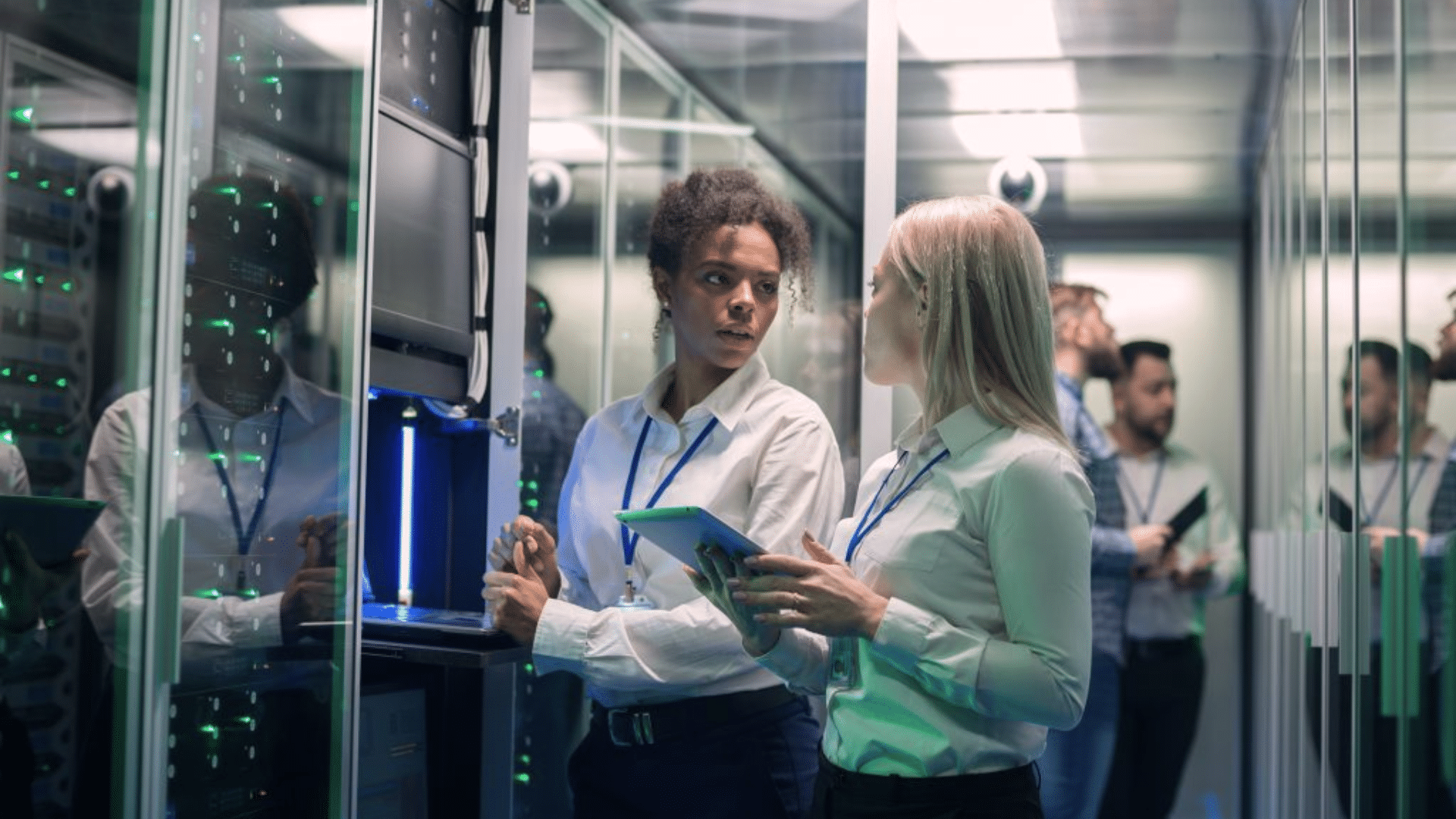
Data centers support much of the digital work people depend on each day. Strong security helps keep these systems steady and safe from harm.
1. Role of Data Centers in Daily Business
Data centers support the tools and systems companies use every day. They store information, run apps, and keep business services online.
Most work tasks depend on them, from customer support tools to payment systems.
When a data center runs well, teams can work without delays. It also helps companies stay organized and serve customers faster.
Because so much work relies on these systems, keeping them secure is necessary for steady, reliable operations.
2. Growing Dependence on Digital Services
Most companies now rely on digital tools to handle work, store data, and support customers. This means data centers play a larger role than ever.
As more tasks move online, the need for strong protection grows. A single weak point can disrupt services people use every day.
With more devices and apps connected, risks can spread quickly.
Good security helps prevent these problems and keeps digital services running the way people expect, even as demand continues to rise.
3. Impact of Breaches, Downtime, and Data Loss
When a data center faces a breach or outage, the effects can be serious. Breaches can expose private information.
Downtime can stop work, delay services, or block customers from using tools they rely on. Data loss can harm trust and cost companies time and money to fix.
These problems can also damage a company’s reputation.
Strong security lowers the risk of these issues and helps systems recover faster. It keeps information safe and business operations steady.
4. How Security Protects Business Continuity
A secure data center helps keep business tasks moving without sudden stops. When systems stay online, workers can meet deadlines, customers get support, and services run as expected.
Good security also lowers the risk of unexpected shutdowns caused by attacks or equipment issues.
This steady performance helps companies avoid costly delays. It also gives teams confidence that the tools they depend on will work when they need them.
Strong protection is a direct part of keeping daily operations stable.
5. Rising Cyber Threats Targeting Critical Systems
Cyber threats grow every year, and data centers are major targets because they hold important information.
Attacks can come from hackers, malware, or phishing. These threats aim to steal data, shut down systems, or cause damage.
As technology expands, attackers gain new ways to reach weak points.
This makes strong security essential. Without the right safeguards, even small threats can become serious. Good protection blocks attacks before they spread.
6. Importance of Trust and Compliance
Companies must show they handle information with care, especially when they store customer or financial data. Strong data center security helps meet industry rules and legal requirements.
It also builds trust with customers, partners, and stakeholders who expect their information to stay safe.
When a data center follows clear security standards, it reduces risks and avoids penalties. This trust supports long-term business growth.
Good security is not only about safety but also about showing responsibility and reliability.
How Data Center Security Works?
Physical and digital controls work together to keep a data center safe at every level, and each part plays an important role in protecting the systems inside.
Physical controls protect the building and equipment with strict access rules, locked rooms, badges, and trained staff.
Surveillance and 24/7 monitoring help catch unusual activity early. Digital controls protect networks and data by filtering traffic, blocking threats, and checking for attacks in real time.
Firewalls, encryption, and intrusion detection tools guard information as it moves through the system.
Continuous security checks keep tools updated and help find weak points early.
When these layers support each other, they lower risks, prevent damage, and keep the data center running without delays, which helps businesses stay steady and reliable every day.
Types of Data Centers
Data centers come in different forms, and each one serves a specific purpose. Their design, location, and ownership affect how security is handled.
1. Enterprise Data Centers
Enterprise data centers are owned and managed by a single company, giving the business full control over equipment, layout, and security.
These centers often support core operations, so they need strong physical and digital protection.
Companies use trained staff, secure entry points, and strict access rules to keep systems safe. They also manage their own network tools, backups, and monitoring.
Since everything is handled in-house, security depends on the company’s policies, resources, and ability to maintain steady protection.
2. Colocation Facilities
Colocation facilities let companies rent space, power, and cooling for their own servers inside a shared building.
The provider manages the physical building, including access control, guards, surveillance, and environmental systems.
Each tenant handles the security of their own hardware and data. This setup creates a shared-responsibility model. Good coordination is important because multiple businesses share the same space.
Strict rules, clear access records, and reliable monitoring help keep everyone’s equipment safe without mixing responsibilities.
3. Cloud Data Centers
Cloud data centers store and process data on shared infrastructure managed by large cloud providers.
Companies using the cloud rely on the provider for physical security, building protection, and core network controls. Users remain responsible for securing their own accounts, data, and settings within the cloud platform.
Because these centers serve many customers at once, they need strong digital tools, identity checks, and constant monitoring.
Cloud data centers focus heavily on preventing unauthorized access and keeping services available at all times.
4. Edge Data Centers
Edge data centers are small facilities placed closer to users to reduce delays and improve speed.
Because they are spread across many locations, they often face different physical environments and risks. They need strong entry control, secure hardware, and remote monitoring to stay safe.
Their digital protection must also be solid, since they connect back to larger networks.
The scale and locations of edge sites make consistent security important, especially when staff cannot be on-site at all times.
Common Threats to Data Centers
Data centers face several risks that can interrupt services or put information at risk. Understanding these threats helps you see why strong protection is necessary.
- Physical threats, including break-ins, theft, fires, and natural events that can damage equipment or disrupt operations.
- Cyber threats such as malware, ransomware, phishing, and DDoS attacks target networks and data.
- Human errors and insider risks are caused by mistakes, poor training, or unauthorized access from trusted staff or contractors.
- Environmental risks like overheating, electrical failures, and cooling issues can shut down systems or cause long-term damage.
Data Center Security Strategies and Best Practices
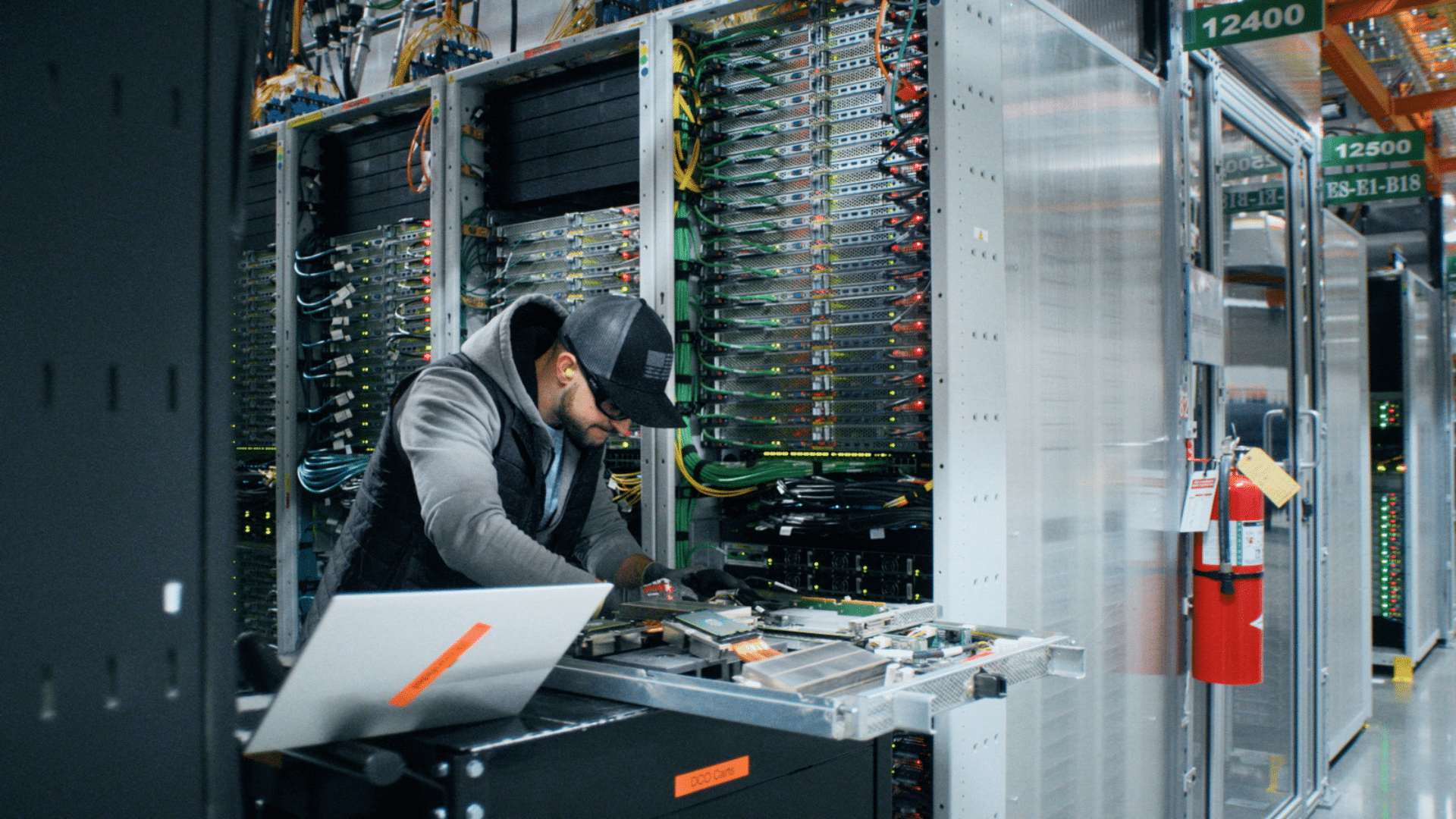
Data centers use a mix of physical and digital tools to stay protected. These strategies help reduce risks and keep systems running smoothly.
1. Layered Security Approach
A layered security approach uses several protective steps to cover both physical and digital risks.
It combines entry control, cameras, locked server rooms, and constant monitoring with digital tools like firewalls and network checks.
Each layer supports the next, so if one fails, another can block the threat.
This setup reduces weak points and keeps systems steady. Using multiple layers helps data centers handle risks more effectively and stay safer.
2. Access Management and Identity Controls
Access management helps limit who can enter a data center and who can reach sensitive systems.
It uses badges, biometrics, passwords, and role-based permissions to keep unauthorized people out. Identity tools check each person’s access rights before letting them into restricted areas or systems.
This reduces mistakes and insider risks. Good access control also keeps clear records of who entered a room or used a system.
These steps help protect equipment, data, and daily operations from unwanted changes or misuse.
3. Firewalls, Encryption, and Intrusion Detection
Firewalls, encryption, and intrusion detection tools protect the digital side of a data center. Firewalls filter network traffic and block harmful activity.
Encryption keeps data unreadable to anyone without the proper keys, even if stolen. Intrusion detection tools watch for unusual behavior and send alerts when something looks wrong.
Together, these tools create a solid defense against attacks.
They help secure information as it moves across networks and prevent small issues from becoming more serious problems.
4. Redundant Power and Cooling Plans
Redundant power and cooling plans help keep equipment running even when something fails.
Data centers use backup generators, uninterruptible power supplies, and multiple cooling systems to avoid shutdowns.
These backups reduce the chances of overheating or sudden power loss. When primary systems fail, the backup systems take over without slowing operations.
This setup protects equipment and keeps services running. Good redundancy planning supports steady performance and helps prevent long outages.
5. Routine Audits and Training
Routine audits and training help data centers stay prepared for new risks. Audits review security tools, access logs, and system settings to find weak points.
Regular checks make sure everything is updated and working correctly. Training programs teach staff how to spot problems, follow safety procedures, and respond to emergencies.
When workers understand their roles, mistakes are less likely.
These steps strengthen both physical and digital security and help the data center stay reliable over time.
Signs of a Secure Data Center
A secure data center shows clear signs that its systems, people, and tools work together safely. These markers help you judge whether a facility is well protected.
- Strong access control that limits entry through badges, biometrics, locked rooms, and verified permissions.
- 24/7 monitoring with cameras, sensors, and security staff watching for unusual activity at all times.
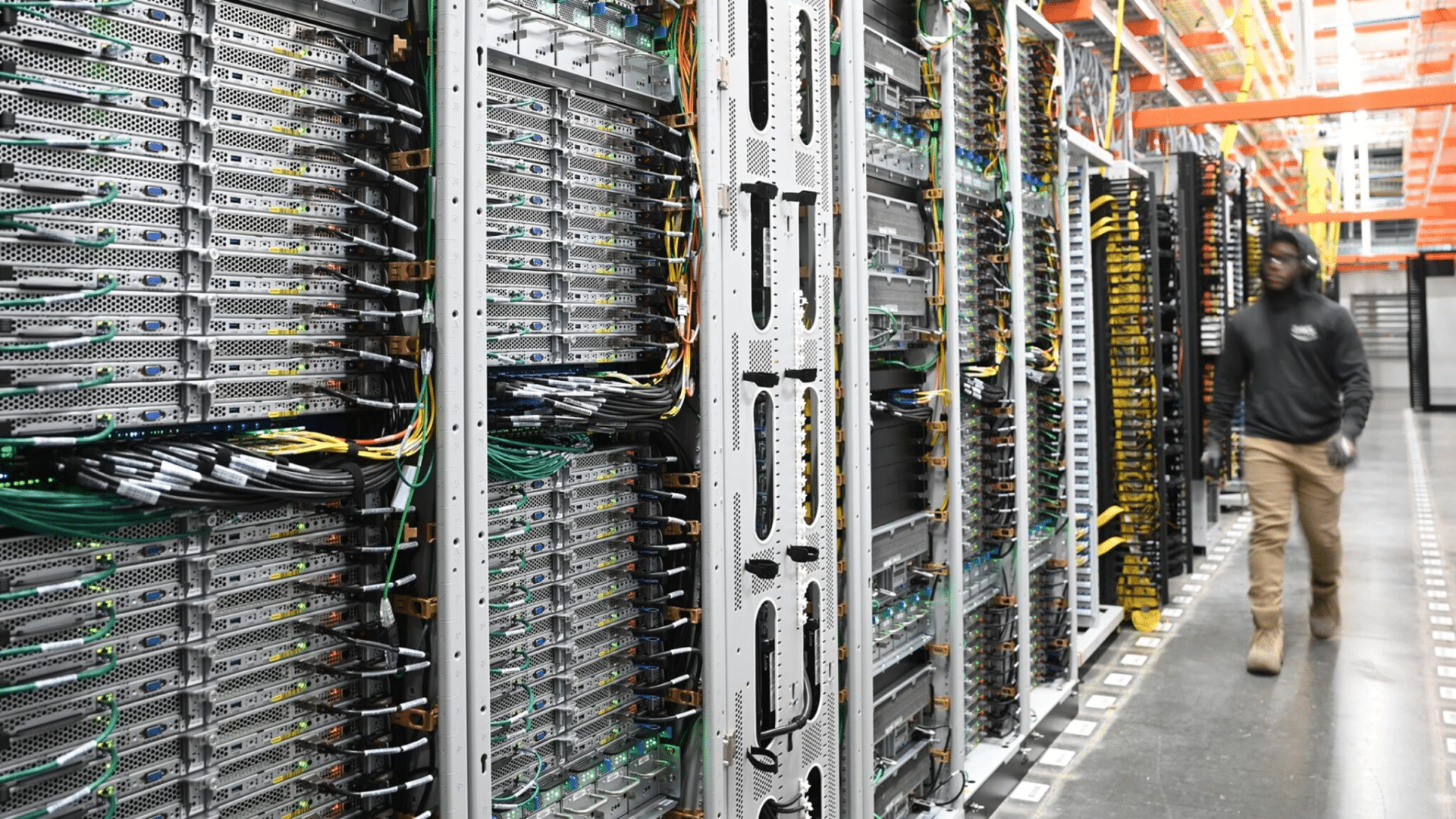
- Clean, organized infrastructure that shows equipment is cared for, cables are managed, and risks are easier to spot.
- Updated security tools, including firewalls, encryption, patches, and intrusion detection systems, were kept current and active.
- Compliance with industry standards such as ISO, SOC, or HIPAA shows the facility follows tested and trusted security rules.
Future Trends in Data Center Security
Future data center security is moving toward smarter tools and stronger controls. AI-driven threat detection helps spot risks faster by studying patterns and reacting in real time.
Zero-trust security models add another layer by checking every request, even from users already inside the system.
This lowers the risk of hidden threats. Better automation and monitoring catch problems early and reduce the need for manual checks.
As more systems move closer to users, the rising need for edge security becomes more important.
Edge sites need clear rules, steady monitoring, and strong digital tools. These trends help data centers stay safe and ready for growing demands.
Conclusion
Strong data center security is essential because it protects the systems, data, and tools people depend on every day.
When a data center is secure, businesses can work without interruptions, customers can trust the services they use, and important information stays safe.
The risks will continue to change as technology grows, which means staying updated on new threats and security practices matters.
By knowing how data centers work and stay protected, you can make better choices and spot weak or strong security.
Whether you manage data, rely on cloud tools, or use digital services at work, knowing the basics helps you stay prepared.
Good security is not a one-time task. It is an ongoing effort that keeps data centers steady and reliable.