Building entrances set the tone for safety, efficiency, and daily operations.
When access points are poorly planned, even secure buildings can face delays, crowding, or limited visibility during busy hours.
Offices, schools, and healthcare facilities need entry systems that protect people without slowing movement or creating frustration.
An access control vestibule addresses this need by creating a managed entry space that checks access while keeping traffic steady and predictable.
These systems are often compared with mantraps, which leads to common questions about space use, security strength, and daily practicality.
Understanding the differences is important before making layout or hardware decisions.
This guide explains how controlled entry vestibules work in real settings, where they fit best, and which planning factors matter when selecting the right solution.
What is an Access Control Vestibule?
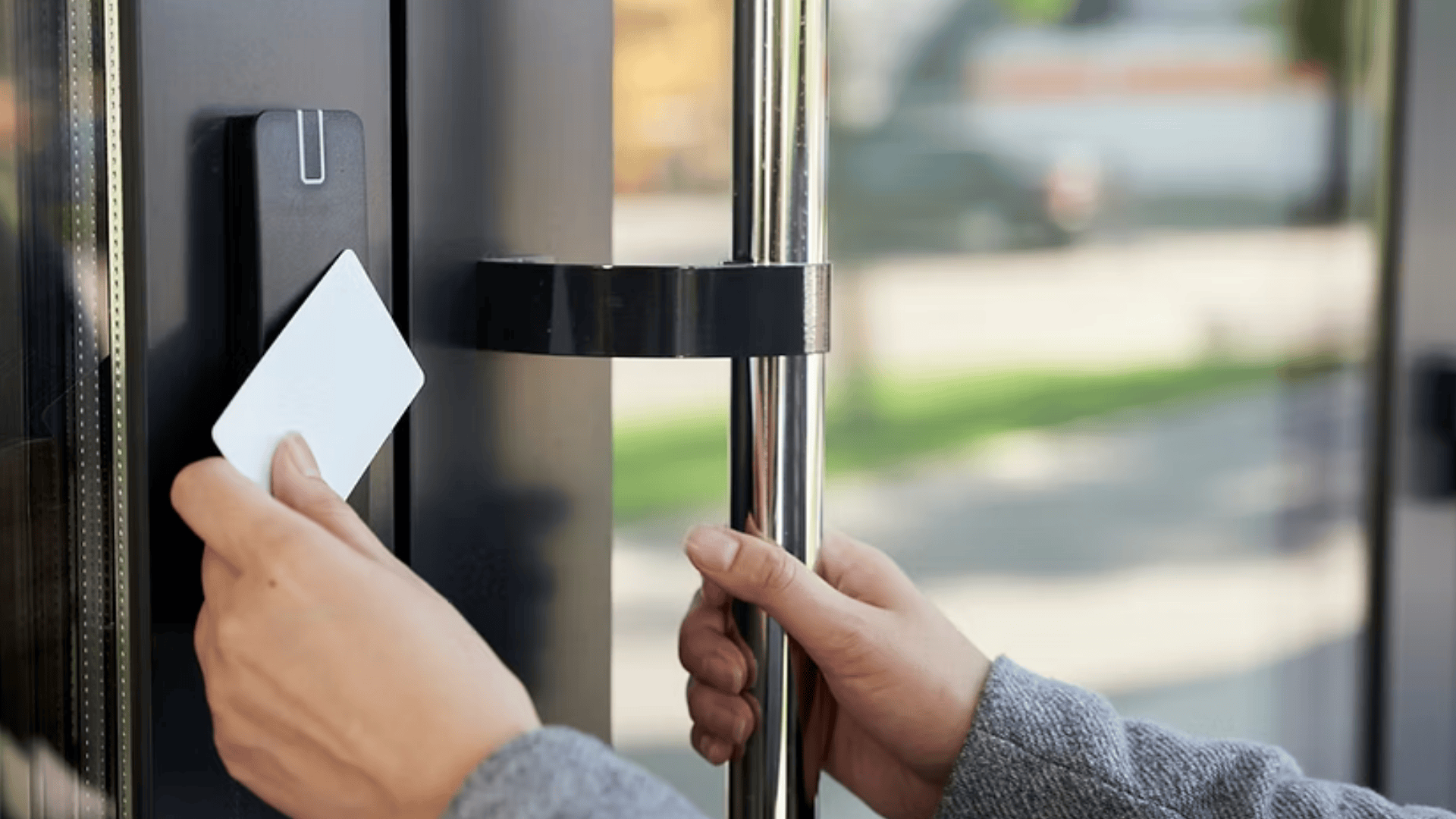
It is a secured entry area that sits between the exterior door and the main interior space of a building.
It helps control who is allowed to move forward by using systems like keycards, PIN pads, or biometric scanners.
Instead of relying on a single locked door, this setup creates a controlled pause point that improves safety without slowing regular foot traffic.
A control vestibule is often used in offices, schools, healthcare facilities, and data centers where controlled entry matters, but smooth movement is still significant.
The layout can be customized based on space, traffic flow, and security needs.
By adding this extra layer, buildings gain better oversight of entry points while keeping the experience simple and user-friendly for daily use.
How an Access Control Vestibule Works?
An access control vestibule works by guiding people through a set entry process instead of simply opening a door.
When someone arrives, the system checks their access details and then decides whether the next door should open.
Door hardware, sensors, and control software work together to make sure entry happens in the correct order.
The system can be set to manage busy times, limit access during certain hours, or connect with cameras and alarm systems.
Some setups also record entry activity so staff can review who entered and when. This approach helps control how people move through the entrance, not just who gets access.
By managing timing and door movement, the vestibule keeps entry organized without causing confusion or delays.
Types of Access Control Used in Vestibules
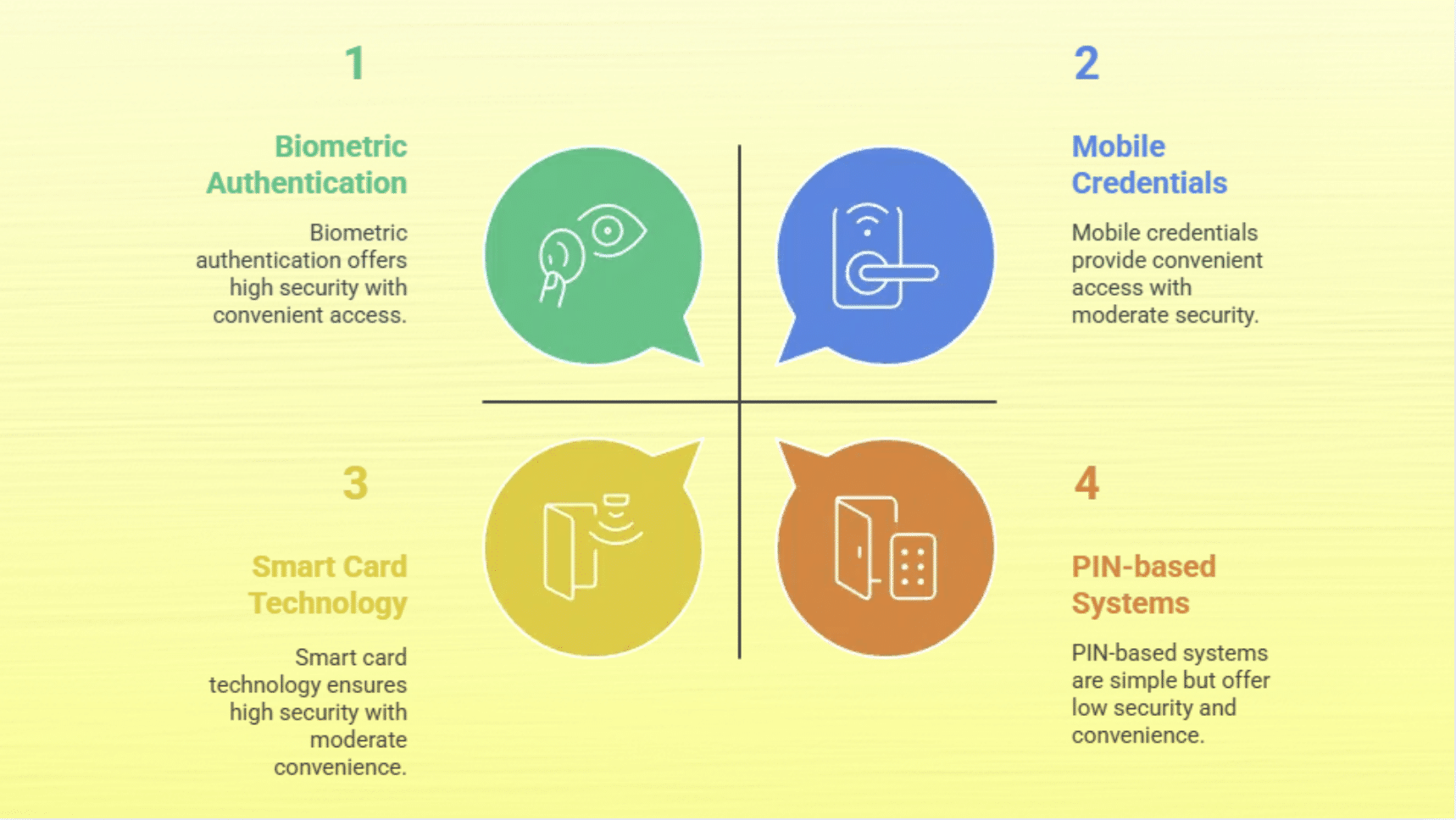
This section explains the most common access control methods used in vestibules, based on security strength, ease of use, and real-world application.
1. Biometric Authentication
Biometric authentication verifies identity using fingerprints, facial recognition, or iris scans.
This method offers a high level of security because access is tied directly to an individual, not a shared credential.
It reduces risks related to lost cards or shared codes. Biometric systems are commonly used in data centers, labs, and secure offices where identity accuracy is critical.
Although installation costs can be higher, daily access is fast, reliable, and convenient for authorized users.
2. Mobile Credentials
Mobile credentials allow users to access vestibules using smartphones through Bluetooth, NFC, or secure mobile apps.
This method is popular because credentials can be issued, updated, or revoked remotely.
It reduces the need for physical cards and simplifies access management. Security levels depend on device protection and system setup.
Mobile credentials are often used in modern offices and workplaces that support flexible access while maintaining controlled entry points.
3. Smart Card Technology
Smart card technology uses physical cards or badges presented to a reader to grant access.
It provides a balance between security and convenience and is widely adopted across many industries.
Cards are easy to issue and can be quickly deactivated if lost. This method is standard in offices, schools, and healthcare facilities with high daily traffic.
While cards can be misplaced or shared, proper monitoring helps maintain reliable access control.
4. PIN-Based Systems
PIN-based systems require users to enter a numeric code to unlock access points.
These systems are simple to install and cost-effective, making them suitable for low-security environments.
However, security is limited since codes can be shared or seen by others. PIN-based access is often used in small offices or as a secondary verification method.
It works best where basic control is needed, and convenience is prioritized over strict identity verification.
Benefits of an Access Control Vestibule
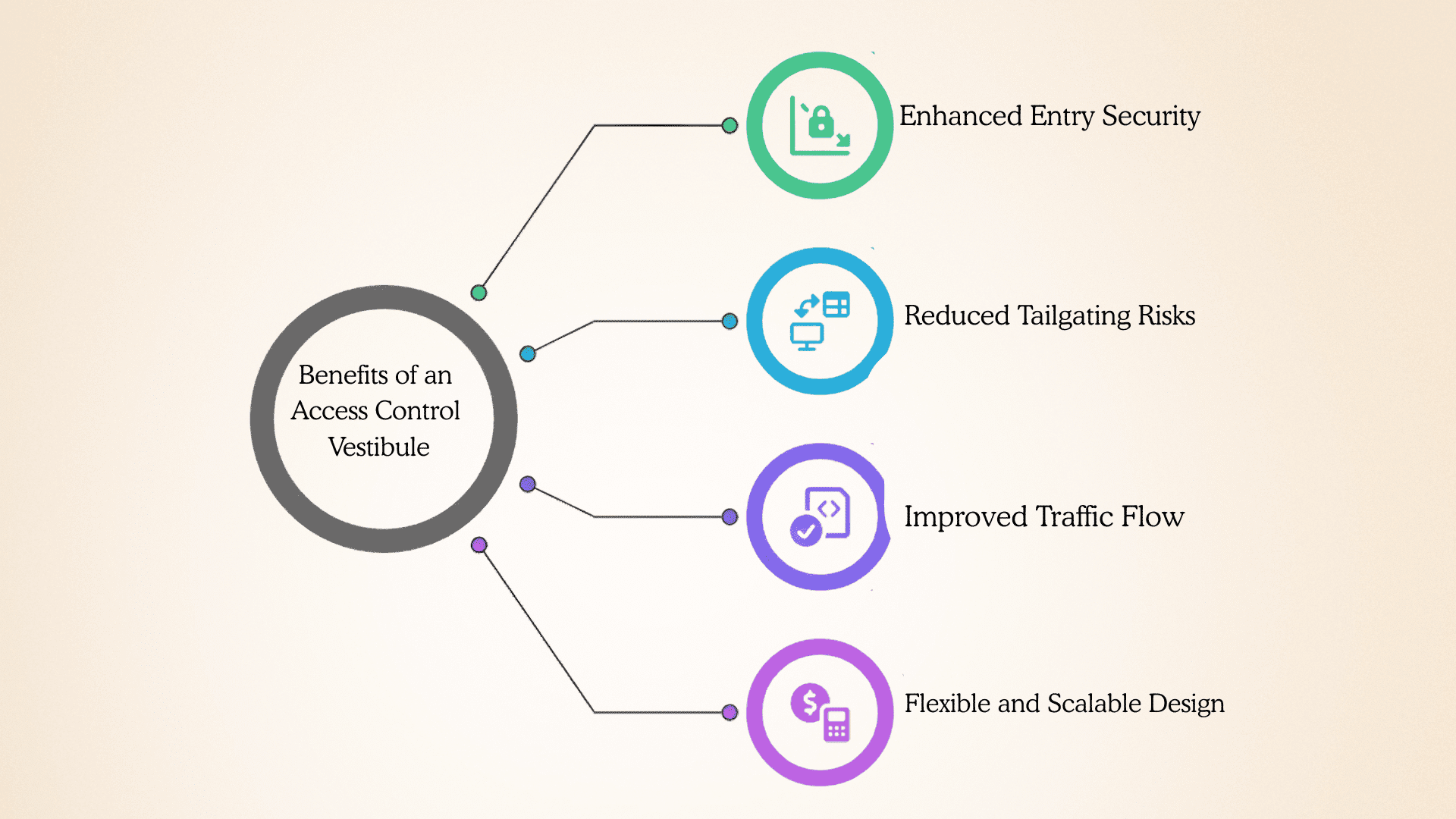
This section explains the main advantages of using controlled vestibule entry in buildings with varying security needs.
- Enhanced Entry Security: An access control vestibule adds a secure checkpoint that verifies credentials before allowing interior access.
- Reduced Tailgating Risks: By separating entry into stages, vestibules make it difficult for unauthorized users to follow approved individuals.
- Improved Traffic Flow: Vestibules manage foot traffic in an orderly way, reducing congestion during busy entry periods.
- Flexible and Scalable Design: These systems adapt to different layouts and can scale as security needs change over time.
Access Control Vestibule vs Mantrap
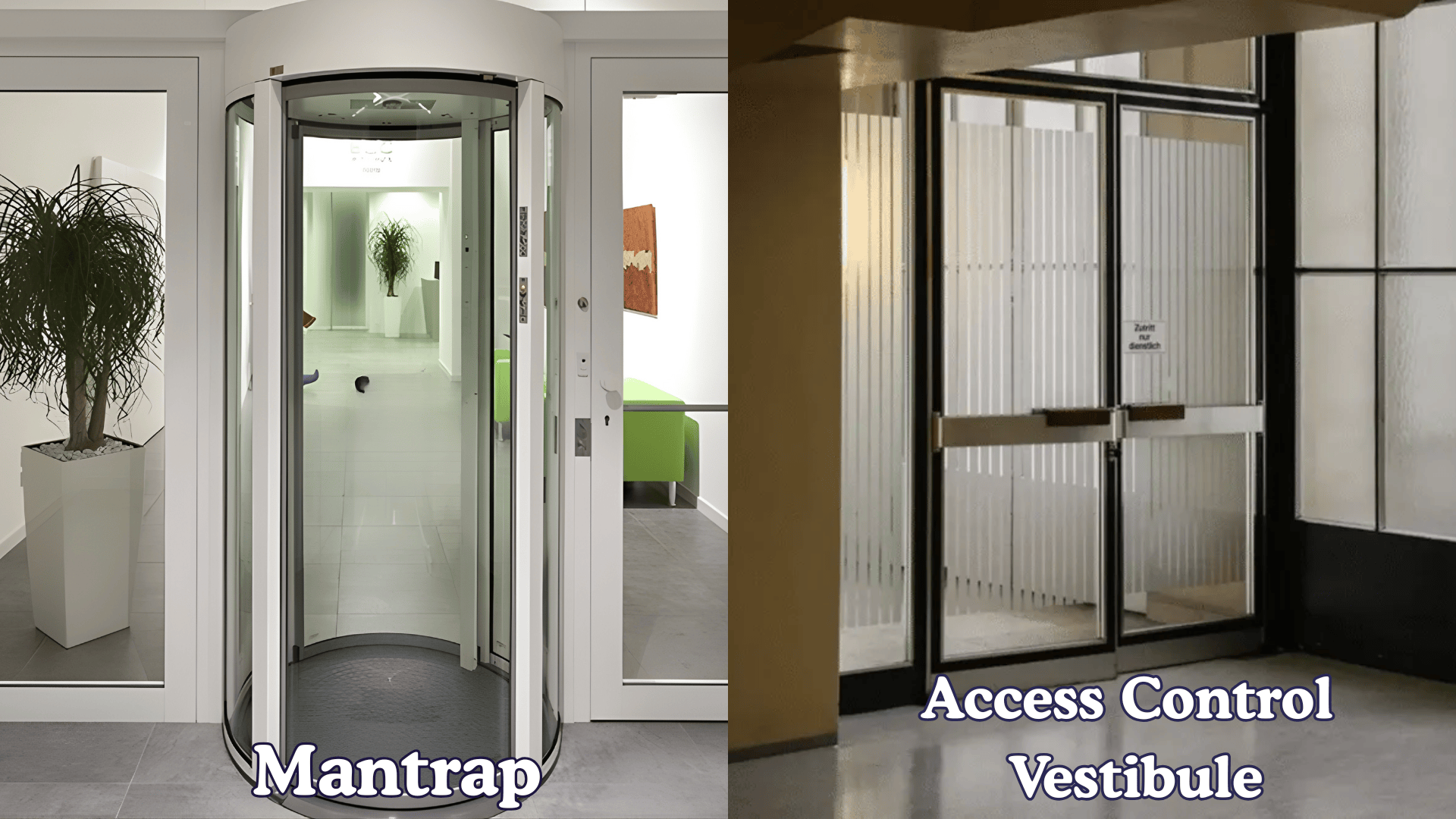
Both systems serve controlled entry needs, but they differ in how they manage people, space, and security. This is a clear comparison based on real usage and planning considerations.
1. Entry Flow and User Movement
A control vestibule supports smoother movement and works well in buildings with steady foot traffic.
Multiple users can enter during peak times once credentials are verified, which helps reduce backups at entry points.
Mantraps limit movement by design, allowing only one person to pass through at a time.
Buildings focused on efficiency often prefer vestibules, while mantraps suit environments where speed is less important than control.
2. Security Level and Control
Mantraps offer a higher level of physical control by preventing tailgating and unauthorized access through dual interlocking doors.
They are commonly used in high-risk areas where identity confirmation is critical.
A control vestibule provides strong security as well, but it balances protection with convenience.
Its effectiveness depends on the reader type, monitoring, and system configuration.
For many offices and public buildings, this balance offers enough protection without making entry feel restrictive or intimidating.
3. Space and Layout Requirements
Space planning plays a major role in choosing between these systems. Vestibules are more flexible and can be designed to fit existing entrances with fewer structural changes.
They work well in renovations and tight layouts.
Mantraps usually require more depth and precise door alignment, which can limit placement options.
Buildings with limited entry space often struggle to fit a mantrap without major construction, making vestibules a more practical option in many real-world layouts.
4. Cost, Maintenance, and Use Cases
Cost differences go beyond the initial setup. Mantraps often range from $15,000 to $40,000 per entry due to specialized doors, sensors, and structural changes.
Maintenance costs can be higher because precise alignment and regular calibration are required.
A control vestibule typically costs between $6,000 and $20,000, especially when added to existing access systems.
Offices, schools, and healthcare facilities commonly use vestibules for daily entry, while mantraps are usually reserved for data centers, labs, and high-security spaces that need strict control.
Community Advice on Access Control Installation
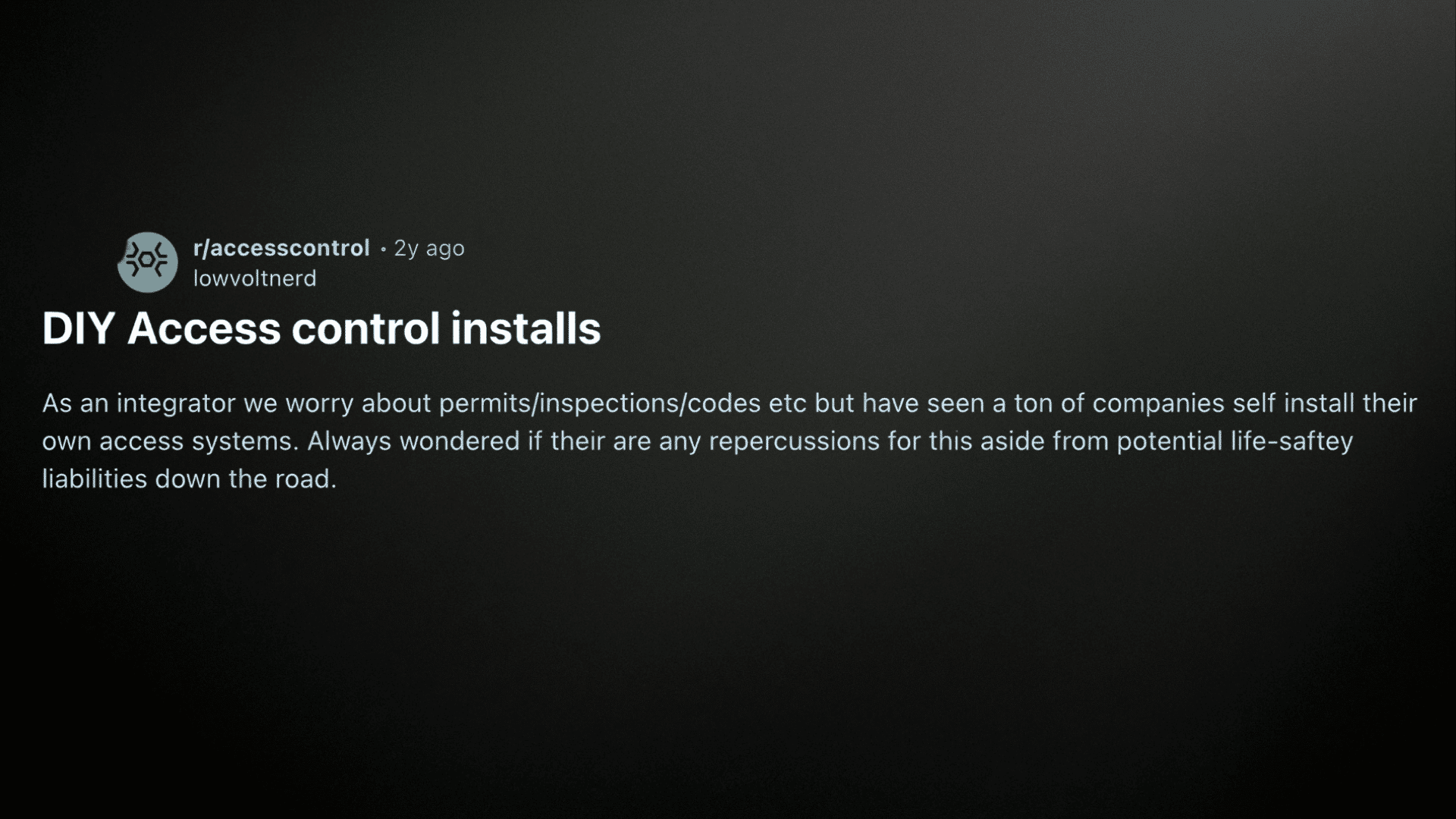
Online communities like Reddit often stress that planning matters more than the hardware itself.
Many shared experiences point out that starting with a single door setup helps avoid costly mistakes before scaling to larger systems.
Wiring is repeatedly mentioned as the biggest challenge, especially running power and network cables cleanly and safely.
Another common takeaway is the importance of checking local fire and building codes before installation.
When installing an access control vestibule, community members often recommend professional help for door hardware alignment and system integration.
Shared feedback shows that careful planning, testing, and phased installs lead to smoother setups and fewer long-term issues.
Is an Access Control Vestibule Right for Your Building?
Choosing the right entry solution depends on how much security a building needs and how people move through it each day.
It is a strong fit for spaces that require controlled entry without slowing down regular traffic.
Offices, schools, and healthcare facilities often prefer this option because it balances safety and convenience.
It also works well in buildings with limited space or existing entrances that cannot support major structural changes.
For environments with higher risk or strict compliance needs, more restrictive systems may be required.
Evaluating daily traffic, security goals, and budget helps determine whether this solution aligns with long-term building operations and safety expectations.
Conclusion
Choosing the right entry system requires looking beyond basic security features and focusing on how a building operates day to day.
Entry volume, available space, staff oversight, and long-term maintenance all shape how effective a solution will be.
An access control vestibule supports controlled entry by managing movement in a clear, structured way while allowing authorized users to move through efficiently.
When planned with the right layout and access methods, it helps reduce entry issues and supports consistent security practices.
This blog post outlines the practical considerations that matter most, from planning and setup to real usage expectations.
Reviewing these factors early helps avoid costly changes later. Take time to assess your building’s needs and priorities before deciding.
If you have questions or experiences to share, add a comment to continue the conversation.