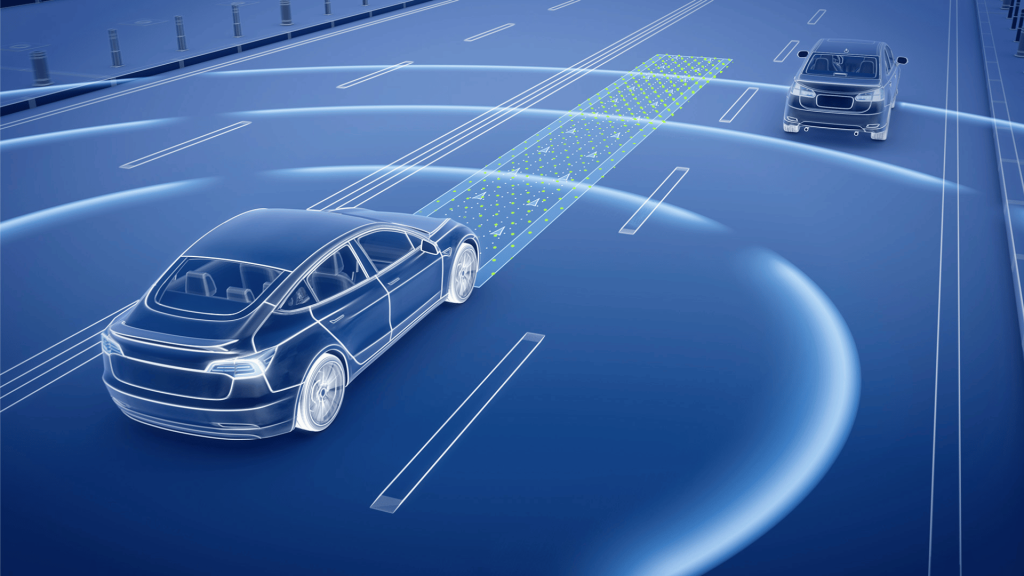
Modern vehicles now come equipped with technology that acts as an extra set of eyes on the road.
But what is ADAS, and why does it matter for today’s drivers?
Advanced Driver Assistance Systems, commonly known as ADAS, represent a collection of features designed to enhance vehicle safety and reduce collision risks.
These systems use cameras, sensors, and software to monitor surroundings and assist drivers in making split-second decisions.
From detecting obstacles to maintaining proper lane position, these technologies are reshaping how we approach road safety.
Here you will find the core functions of these systems, their practical applications, and how they’re changing the driving experience for millions of people worldwide.
What is ADAS?
Advanced Driver Assistance Systems (ADAS) are electronic safety features built into vehicles to help drivers avoid accidents and operate more safely.
At their core, these systems continuously monitor the road environment using a combination of radar sensors, cameras, ultrasonic detectors, and processing software.
The primary goal is to reduce human error, which accounts for the majority of traffic incidents.
By providing real-time alerts and, in some cases, taking corrective action, these technologies serve as a safety net during critical moments.
Modern vehicles increasingly include multiple assistance features as standard equipment, making advanced safety technology more accessible than ever before.
What are the Main ADAS Applications?
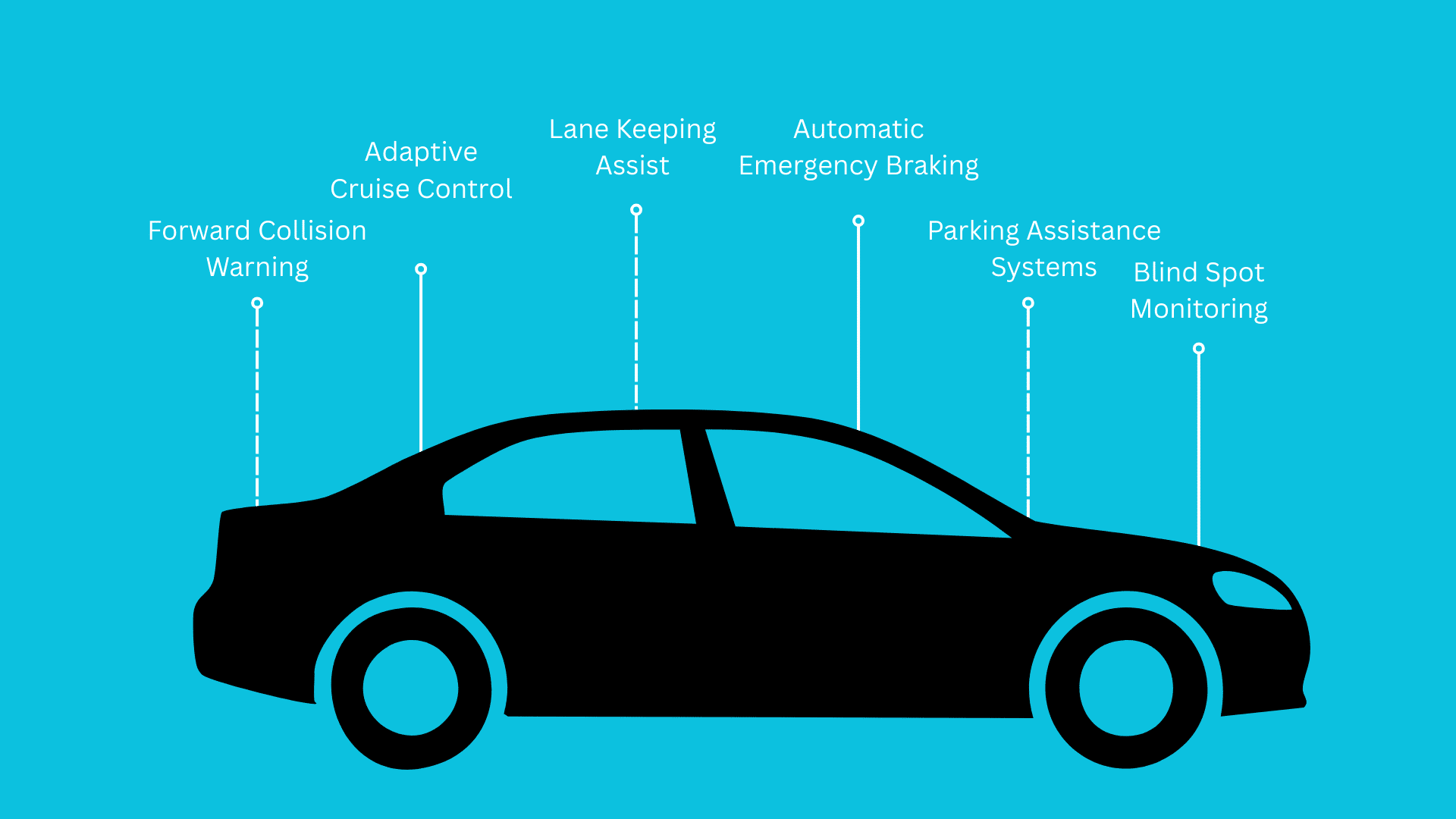
These safety systems appear in various forms across modern vehicles, each targeting specific driving challenges. Here are the most common applications you’ll find in today’s cars.
1. Forward Collision Warning (FCW)
This system monitors the distance and closing speed between your vehicle and the one ahead.
When sensors detect a potential front-end collision, the system issues visual, audible, or haptic alerts to grab the driver’s attention.
The warning provides crucial seconds to react, allowing drivers to brake or steer away from danger.
This feature proves especially valuable in stop-and-go traffic or when driver attention momentarily lapses.
Most systems can distinguish between vehicles, pedestrians, and other obstacles in the forward path.
2. Automatic Emergency Braking (AEB)
When collision risk reaches a critical threshold, and the driver hasn’t responded, this system takes control of the braking mechanism.
Sensors continuously calculate impact probability and can apply full or partial braking force automatically.
Intervention happens in fractions of a second, often faster than human reaction time allows.
Well, this technology can prevent crashes entirely at lower speeds or significantly reduce impact severity at higher velocities.
Many insurance companies now recognize vehicles with AEB as lower-risk investments.
3. Lane Departure Warning (LDW) and Lane Keeping Assist (LKA)
These paired technologies help drivers maintain proper lane position during highway and road travel.
LDW alerts the driver when the vehicle begins drifting without a turn signal activated, using visual or audible notifications.
LKA takes this further by providing gentle steering corrections to guide the vehicle back toward the lane center.
They’re particularly helpful during long drives when fatigue might affect concentration.
4. Adaptive Cruise Control (ACC)
This advanced version of traditional cruise control automatically adjusts vehicle speed based on traffic conditions ahead.
Using radar or camera systems, ACC maintains a preset following distance from vehicles in front, slowing down or speeding up as needed.
When traffic clears, the system accelerates back to the driver’s selected speed.
This reduces the constant acceleration and braking required in varying traffic conditions, and the result is a more relaxed driving experience, especially during highway commutes.
5. Blind Spot Monitoring (BSM)
Sensors positioned along the vehicle’s sides detect other vehicles in adjacent lanes that may not be visible in mirrors.
When a vehicle enters the blind spot zone, the system activates a warning light, typically near the side mirror.
If the driver signals a lane change while another vehicle occupies that space, the alert becomes more pronounced.
A function designed to support safer lane changes by monitoring adjacent traffic.
Some advanced versions include rear cross-traffic alerts for backing out of parking spaces.
6. Parking Assistance Systems
These features use a network of ultrasonic sensors and cameras to simplify parking maneuvers in tight spaces.
Basic systems provide distance alerts through beeping sounds that increase in frequency as obstacles get closer.
More advanced versions display a bird’s-eye view of the vehicle’s surroundings on the dashboard screen.
Semi-automated systems can even control steering while the driver manages acceleration and braking, while fully automated parking features handle the entire parking process with minimal driver input.
How ADAS Supports Driving Safety?
These assistance technologies address the reality that human attention has natural limitations during extended driving periods.
By continuously monitoring multiple aspects of the vehicle’s environment, these systems catch potential hazards that drivers might miss during momentary distractions or fatigue.
They’re particularly effective at preventing rear-end collisions, lane departure incidents, and blind spot accidents, which are three of the most common crash types on roads today.
The systems provide immediate feedback that helps drivers maintain better awareness of their surroundings.
These systems support safer habits by raising awareness of driving behavior.
What Does the Future Hold for ADAS?
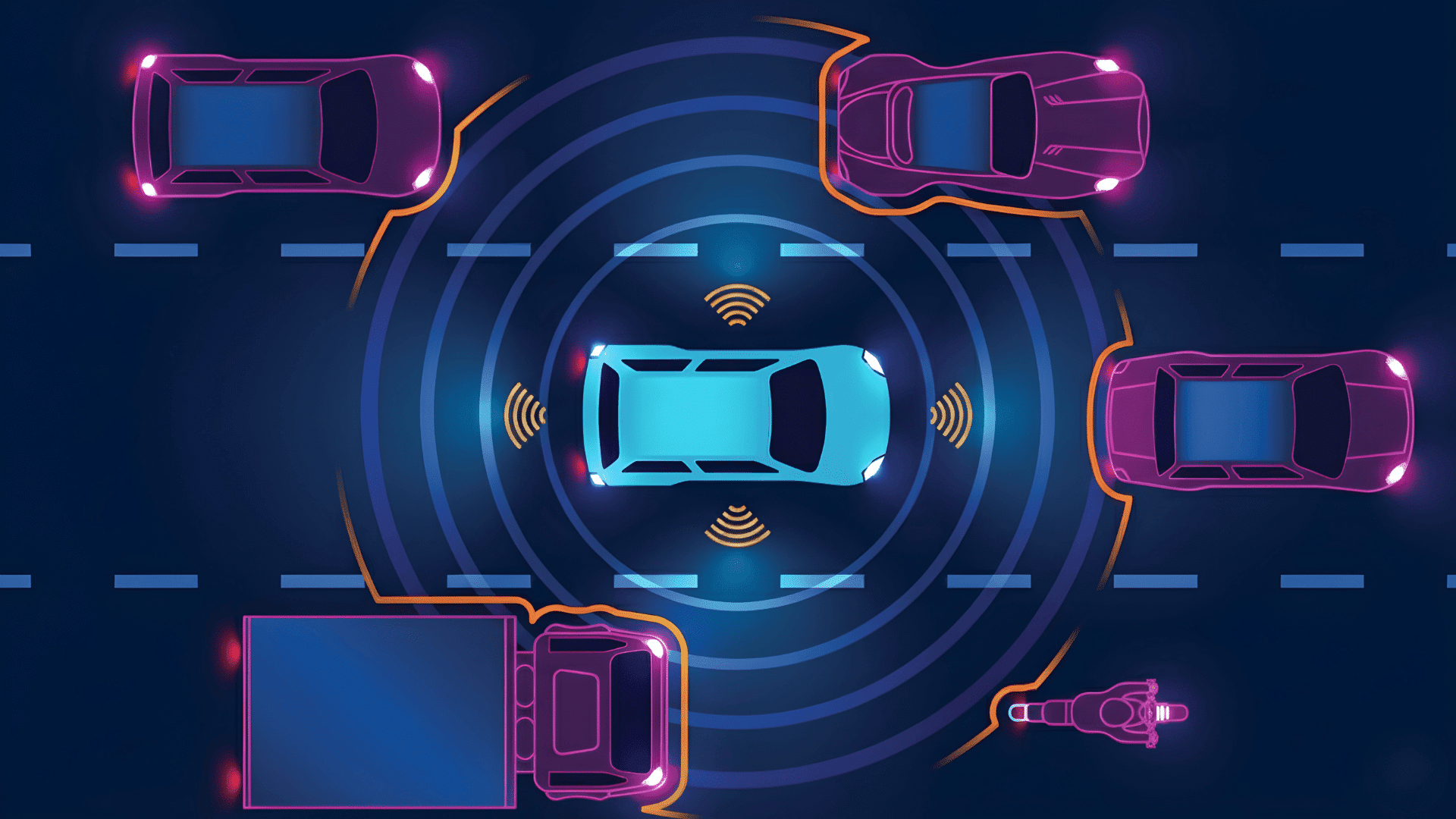
The coming years will bring smarter sensors and better decision-making software to these safety systems.
As computer processing gets faster, vehicles will handle more complicated road situations with greater ease.
Cars will soon communicate with each other and with traffic infrastructure, sharing warnings about hazards ahead before drivers can see them.
We’ll see a gradual shift toward vehicles that can handle more driving tasks on their own in certain conditions.
Future systems will better detect pedestrians, cyclists, and animals in poor visibility.
Limitations of ADAS
While these systems offer valuable safety benefits, they do have practical boundaries that drivers should understand. Here are some of the key limitations to keep in mind.
- Weather interference: Heavy rain, snow, fog, and ice can obstruct sensors and cameras, reducing system effectiveness
- Sensor obstruction: Dirt, mud, or debris covering sensors may cause temporary system failures or reduced functionality
- False alerts: These occasionally occur when systems misinterpret shadows, road debris, or overhead structures
- Driver responsibility: These technologies assist but cannot replace driver attention and responsibility for vehicle control
- Maintenance needs: Software updates and sensor calibration are necessary to maintain proper system operation over time
Conclusion
So, what is ADAS? It’s a collection of safety technologies working behind the scenes to make every drive safer and more secure.
These Advanced Driver Assistance Systems have already proven their worth by preventing countless accidents and protecting drivers from common road hazards.
From start-up, collision alerts, lane support, and blind spot monitoring provide support.
While no technology can replace an attentive driver, these systems provide an extra layer of protection that continues to save lives every day.
As these systems continue to improve and become standard across more vehicles, they play a growing role in creating safer roads for everyone.
Do you use any of these features in your car?
We’d love to hear about your experience with driver assistance technology in the comments.