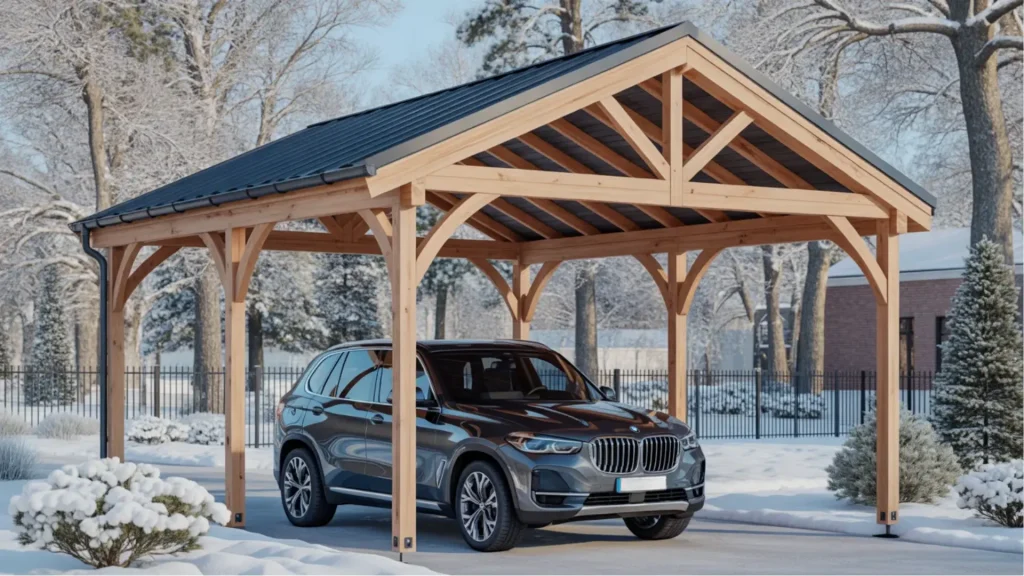
Your car faces heat, rain, dust, and even falling leaves every single day. Over time, this constant exposure can fade the paint, damage the exterior, and affect its overall condition.
Many homeowners start looking for a simple way to add protection without taking on a large construction project.
During that search, one common question comes up: What is a carport? It may seem like a basic term, yet there is often confusion about how it works and how it compares to a garage.
In this blog, you will get a clear explanation of what a carport is and how it serves its main purpose.
You will also learn the key differences between a carport and a garage, along with the benefits and practical factors to think about before making a choice.
What Is a Carport?
A carport is a covered structure designed to protect vehicles from weather exposure while keeping the sides open.
It usually consists of a roof supported by vertical posts, creating a shaded, sheltered space without fully enclosing the area.
Unlike a garage, it does not have solid walls or a large door, so air can move freely through the structure.
Carports are commonly made from materials such as metal, steel, aluminum, or wood, depending on budget and design preference.
Some models also use polycarbonate or metal sheets for the roof to provide better resistance against rain and sun.
The main purpose of a carport is to shield vehicles from direct sunlight, heavy rain, snow, and debris while offering a simpler and more affordable alternative to a fully enclosed garage.
Different Types of Carports and Their Uses
Carports come in different styles and layouts. Each one fits different space limits, budgets, and protection needs. Below are the most common types and how they differ.
1. Attached Carport
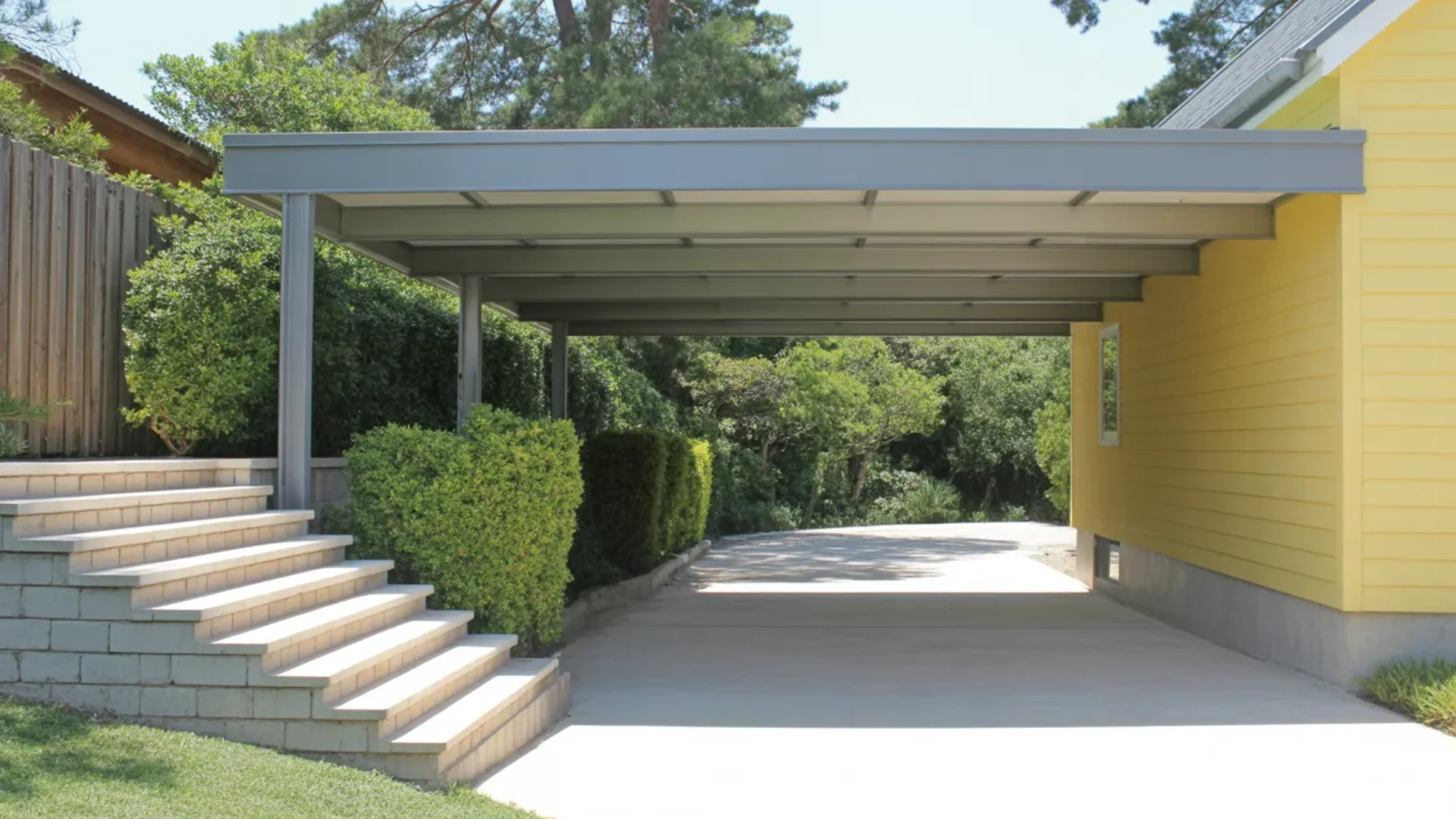
An attached carport is built directly against the house, usually along a side wall or near the front entrance. It shares one wall with the home, which improves support and makes the structure more stable.
Because it connects to the house, access to the main door becomes easier during rain or strong sunlight.
It also reduces construction costs since one supporting wall already exists. However, its fixed position limits future relocation or expansion options.
2. Detached Carport
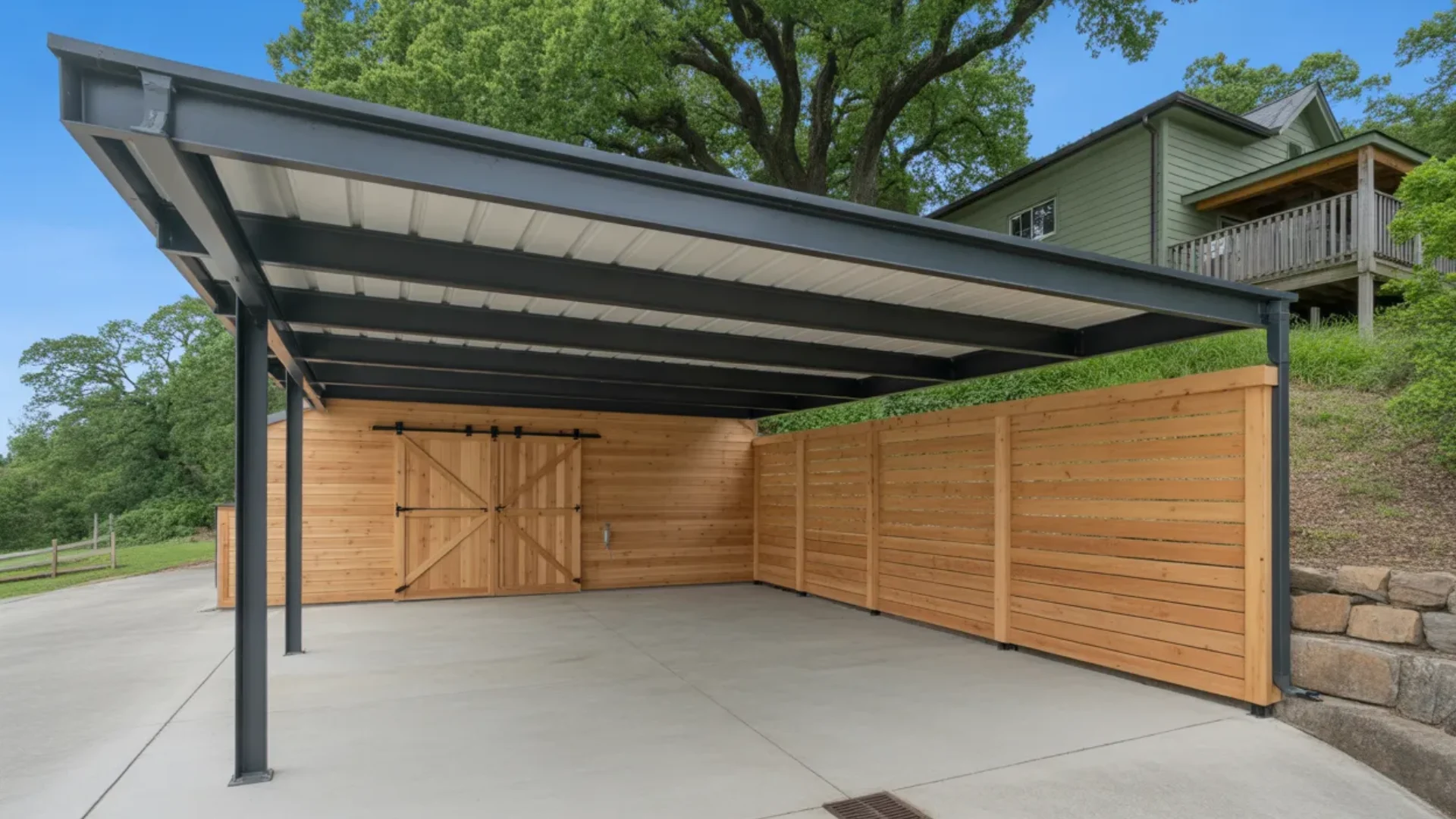
A detached carport stands independently from the house and does not rely on any existing walls for support.
It can be placed along the driveway, in the backyard, or near another outdoor structure, depending on the property layout.
This design provides flexibility in placement and works well for homes where an attached option is not practical. It also suits larger lots with extra open space.
3. Open-Sided Carport
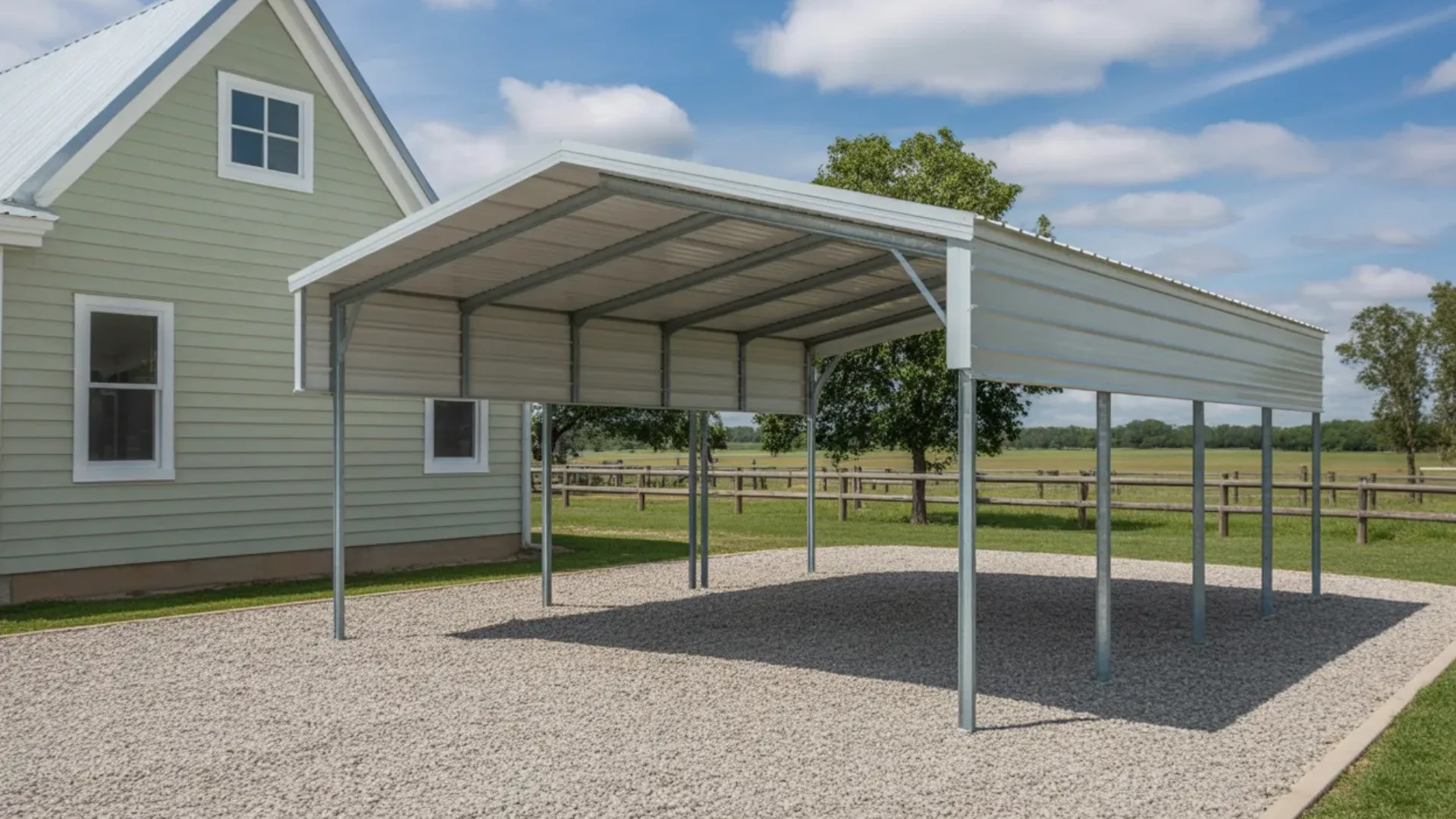
An open-sided carport consists of a roof supported by posts, with no walls enclosing the structure. It is the most basic and cost-effective option available.
Since all sides remain open, air circulates freely, which helps reduce moisture buildup underneath. The design requires fewer materials and is faster to install compared to other types.
It is most suitable for regions with mild climates where heavy storms, strong winds, or snowfall are not frequent concerns.
4. Partially Enclosed Carport
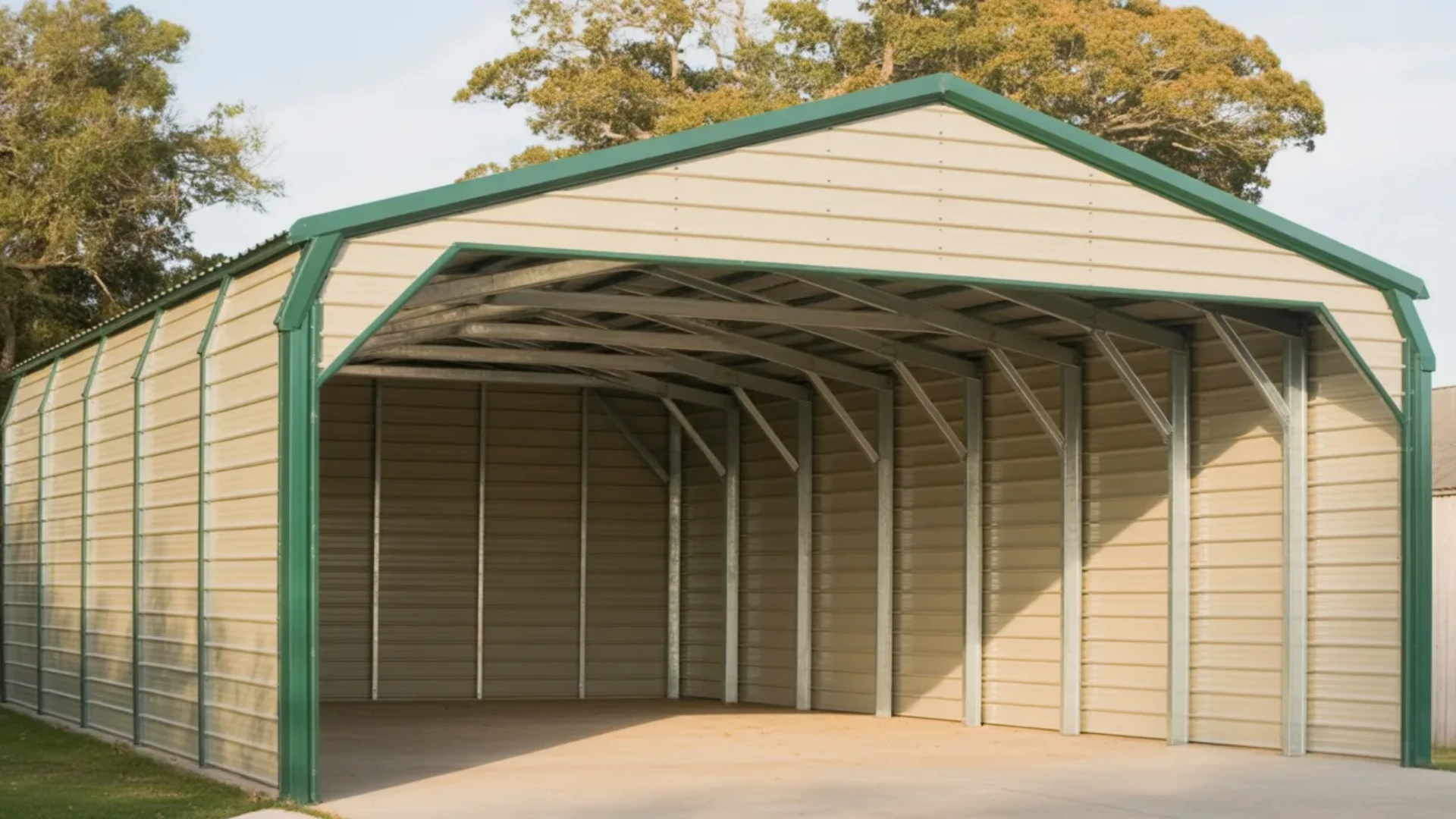
A partially enclosed carport includes a roof along with one or two side walls for added coverage. The walls are often positioned based on wind direction or rainfall patterns to improve protection.
This design offers better shielding than a fully open structure while remaining simpler than a complete garage.
It provides a balanced option for homeowners who want extra shelter without significantly increasing construction time or costs compared to more enclosed alternatives.
How a Carport Protects Your Vehicle
A carport provides overhead coverage that shields vehicles from direct sunlight, heavy rain, and falling snow.
The roof acts as the main barrier, reducing heat buildup inside the car and limiting exposure to moisture that can affect paint and metal over time.
While it does not fully enclose the vehicle, it still blocks most vertical weather impact. One key advantage is natural airflow.
Since the sides remain open, air moves freely through the space, helping prevent trapped humidity and reducing the risk of moisture buildup.
This open design keeps the area cooler compared to a closed structure.
Carports can be built as attached units connected to a house or as freestanding structures placed anywhere on the property, depending on space and layout needs.
What Is a Garage?
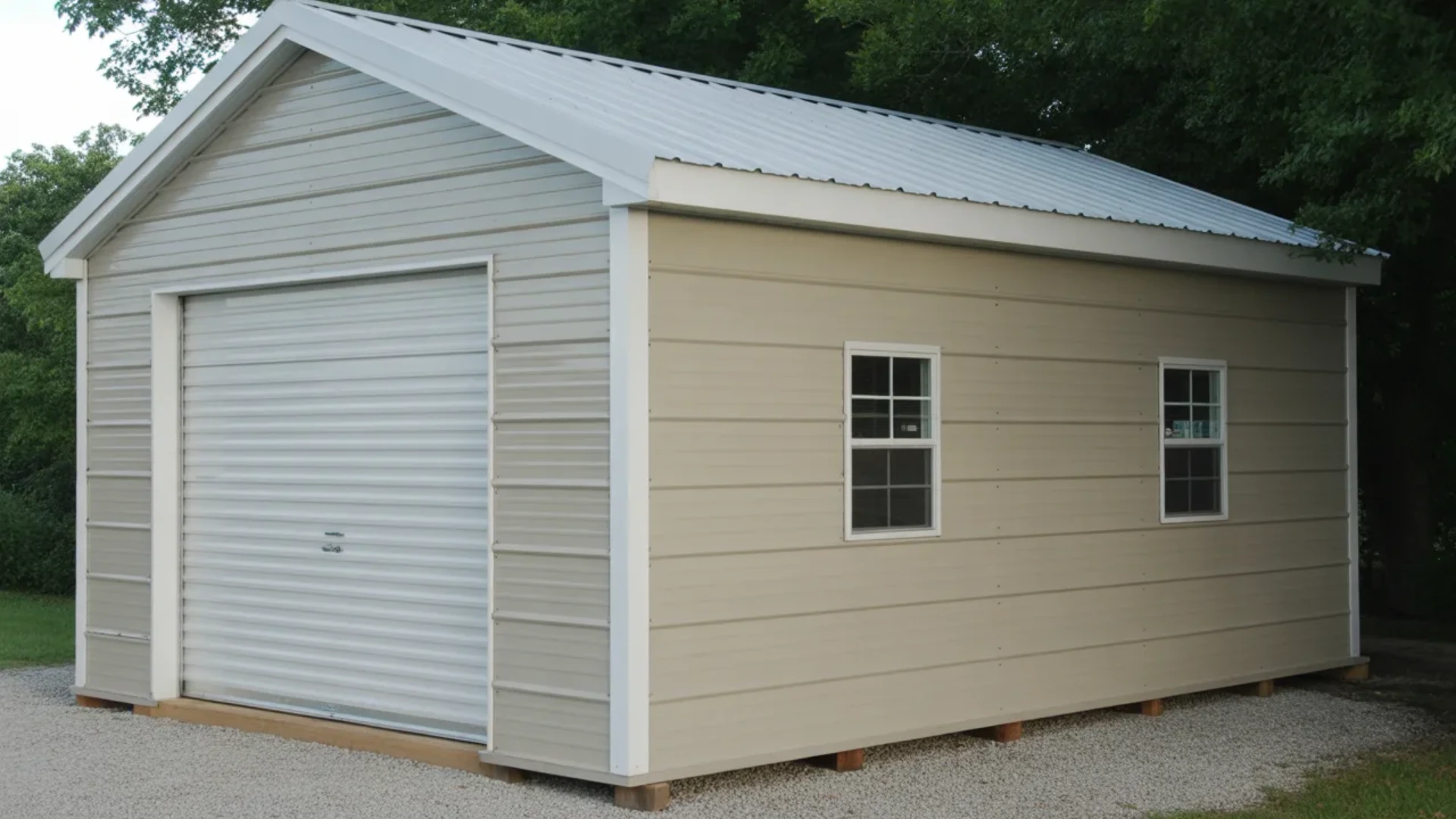
A garage is a fully enclosed structure designed to store and protect vehicles. Unlike a carport, it has four solid walls and a roof, which create a closed space around the vehicle.
Most garages include a large front door that opens and closes, along with a standard entry door that connects to the house or backyard.
This enclosed design offers stronger protection against weather, dust, and outside access. Beyond parking, garages are often used for storage, workshops, or hobby areas.
Many homeowners keep tools, seasonal items, sports equipment, and household supplies inside.
Some even convert part of the space into a small workspace or utility area. Its enclosed setup offers greater privacy, security, and flexibility than open structures.
Carport vs Garage: Key Differences
Choosing between a carport and a garage depends on cost, protection level, space needs, and how much security and storage capacity you require.
| Feature | Carport | Garage |
|---|---|---|
| Structure and Design | Open roof supported by posts. Usually, no walls. | Fully enclosed with walls, roof, and doors. |
| Level of Protection | Protects from sun, rain, and light snow. | Full protection from weather and dust. |
| Cost Differences | Lower cost due to simple structure. | Higher cost due to walls, doors, and foundation. |
| Installation Time | Quick to install, often within days. | Takes longer due to complex construction. |
| Maintenance Needs | Lower maintenance with fewer parts. | Needs regular upkeep of doors and walls. |
| Storage Capacity | Mainly for vehicle parking. | Space for vehicles, tools, and storage. |
| Security Level | Basic protection with open access. | Better security with enclosed walls and locks. |
Things to Consider Before Choosing
Before deciding between a carport and a garage, it helps to review a few practical factors that affect cost, comfort, and long-term use.
- Budget: A carport usually costs less to build and install, while a garage requires more materials, labor, and finishing work.
- Climate and Weather: Areas with heavy snow, storms, or extreme heat may benefit more from a fully enclosed garage.
- Space Available: Smaller driveways may suit compact carports, while larger properties can handle a full garage structure.
- Local Building Rules: Some locations require permits or follow size and height limits for new structures.
- Long-Term Plans: Future storage needs or home value goals may influence whether a simple cover or an enclosed space makes more sense.
Conclusion
What is a carport is often the starting point when deciding how to protect a vehicle at home.
A carport offers a simple roofed structure with open sides that shields against sun, rain, and light snow while keeping costs lower and installation easier.
A garage, on the other hand, provides full enclosure, stronger security, added storage space, and better protection in harsh weather.
Each option has its own strengths depending on budget, climate, and long-term plans. The right choice comes down to how much protection, storage, and privacy are truly needed.
Is a simple covered space enough, or does a fully enclosed structure make more sense for your situation? Share your thoughts or questions in the comments below.