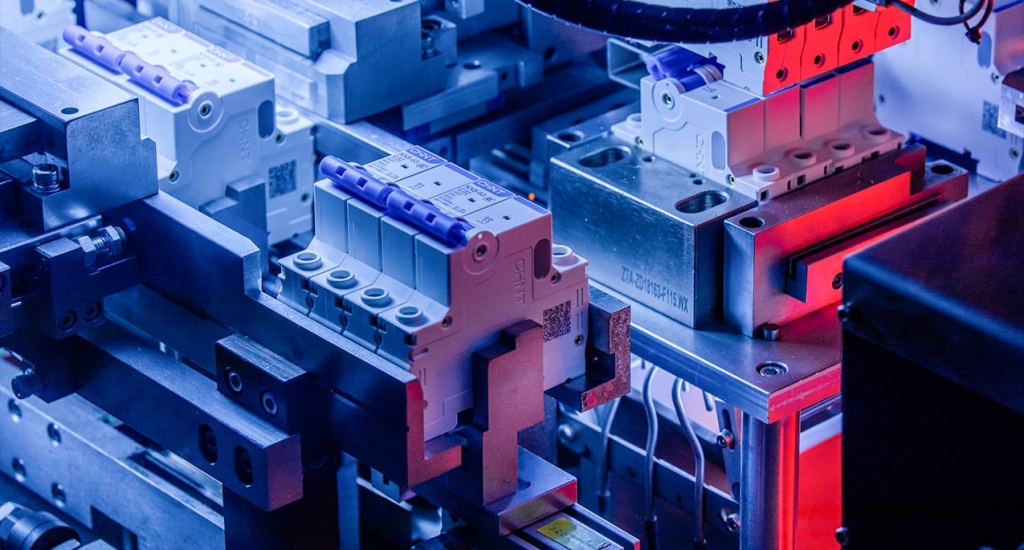
Electrical safety often becomes a concern only after something goes wrong. A sudden power fault, damaged wiring, or an overloaded circuit can quickly create dangerous conditions such as electric shock or fire. As homes and workplaces rely more heavily on electrical systems, the need for reliable protection becomes more critical than ever.
This is where modern protection devices like the CHINT RCBO breaker play an important role. By combining multiple safety functions into one unit, RCBO technology helps protect both people and electrical systems more efficiently. Understanding how it works and why it matters can help you make safer decisions in everyday environments.
Understanding the Risks in Electrical Systems
Electrical systems face several common risks that are not always visible until damage occurs. These risks can affect both safety and system reliability if left unaddressed.
Key Pain Points
- Hidden faults that remain undetected until failure
- Exposure to electric shock in everyday environments
- Overloaded circuits that increase fire risk
Common Electrical Hazards
Residual current, also known as leakage, occurs when electricity flows outside its intended path. This can happen due to insulation failure or accidental contact with conductive materials. Even small leakage currents can pose serious risks to human safety.
Overload and short circuit conditions are also significant concerns. Overload happens when too many devices draw power from a circuit, causing overheating over time. A short circuit, on the other hand, is a sudden surge caused by direct contact between conductors, which can lead to immediate damage or fire.
What Is RCBO Technology and How Does It Work?
RCBO stands for Residual Current Breaker with Overcurrent Protection. It is designed to monitor electrical flow continuously and respond quickly when abnormal conditions occur. Combining leakage detection with overcurrent protection, it provides a more comprehensive safety solution.
The device works by comparing the current flowing through live and neutral conductors. Under normal conditions, these currents are equal. If an imbalance is detected, it indicates leakage. The RCBO then disconnects the circuit almost instantly, often within milliseconds, to prevent harm. Devices such as a CHINT RCBO breaker follow this same principle to deliver fast and reliable protection.
Why Integration Matters
Traditionally, separate devices were used to handle different types of faults. One device protected against overload and short circuits, while another handled leakage. This approach increased system complexity and required more space.
By integrating these functions, RCBOs simplify installation and improve response time. They also allow for more precise protection at the circuit level, reducing unnecessary disruptions.
RCBO vs Traditional Protection Devices
Understanding how RCBOs compare to traditional devices highlights their advantages in modern systems.
|
Feature |
MCB |
RCCB |
RCBO |
|---|---|---|---|
|
Overload Protection |
Yes |
No |
Yes |
|
Short Circuit Protection |
Yes |
No |
Yes |
|
Leakage Protection |
No |
Yes |
Yes |
|
Space Efficiency |
Medium |
Medium |
High |
|
Circuit Isolation |
Limited |
Limited |
Precise |
In traditional setups, multiple devices are required to achieve full protection. This can make systems more complex and harder to maintain. RCBOs streamline this process by combining all essential protective functions into a single unit, making them more efficient for both installation and operation.
Why RCBO Technology Is Essential Today
Modern electrical systems are more demanding than ever. The widespread use of smart devices, high-powered appliances, and continuous connectivity increases the likelihood of faults. As a result, relying on basic protection methods is no longer sufficient.
At the same time, expectations for safety and reliability have grown. You need systems that can respond quickly to faults while minimizing downtime. RCBO technology addresses these needs by offering automatic and precise protection, ensuring that only affected circuits are interrupted.
Key Features to Look for in an RCBO
When selecting an RCBO, understanding its technical characteristics helps ensure it performs effectively in your system.
1. Sensitivity Rating
- Typically, 30 mA for personal protection
- Lower sensitivity increases safety against electric shock
2. Current Rating
- Common range: 6A to 63A
- Must match the circuit load
3. Breaking Capacity
- Measures the ability to interrupt high fault currents
- Often rated around 6 kA or higher
4. Tripping Curve
- B Curve: Suitable for residential use
- C Curve: Ideal for commercial applications
- D Curve: Used in industrial settings
These features determine how the device responds to different types of electrical conditions. Choosing the correct combination ensures reliable protection without unnecessary interruptions.
Real-World Applications of RCBO Technology
RCBOs are widely used across various environments because of their versatility and effectiveness. In residential settings, they protect circuits connected to lighting, appliances, and outlets, helping reduce the risk of electric shock and fire.
In commercial and industrial environments, RCBOs provide targeted protection for equipment and personnel. By isolating faults at the circuit level they help maintain system continuity and reduce downtime, which is especially important in operations that depend on uninterrupted power.
Benefits of Using RCBOs in Your System
Adopting RCBO technology offers several practical advantages that improve both safety and efficiency. Systems using devices like a CHINT RCBO breaker benefit from faster fault detection and more reliable circuit isolation.
Enhanced Safety
- Quickly disconnects power during faults
- Reduces the risk of electric shock
Fire Prevention
- Detects overheating and leakage early
- Prevents ignition from faulty wiring
Simplified Design
- Combines multiple protections in one device
- Reduces the number of components required
Better Fault Isolation
- Only affected circuits are disconnected
- Keeps the rest of your system running
Installation and Maintenance Tips
Proper installation and maintenance are essential to ensure that RCBOs function as intended.
Installation Best Practices
- Match the RCBO rating to your circuit
- Install at the individual circuit level
- Ensure correct wiring connections
Routine Maintenance
- Test the device monthly using the test button
- Inspect for signs of wear or damage
- Replace faulty units immediately
Common Mistakes to Avoid
- Ignoring frequent tripping
- Overloading circuits
- Skipping regular testing
The Future of Electrical Protection
Electrical protection technology continues to evolve as systems become more advanced. One emerging trend is the integration of smart monitoring features, which allow for real-time diagnostics and early detection of potential issues.
As these innovations develop, RCBO technology is expected to play a central role in modern electrical systems.
Its ability to combine multiple protective functions in a compact and efficient design makes it well-suited for the increasing demands of both residential and industrial applications. Manufacturers such as CHINT contribute to this progress by developing RCBO solutions aligned with evolving safety standards and system requirements.
Conclusion
Protecting electrical systems is not just about maintaining functionality. It is about ensuring safety for both people and property. RCBO technology provides a reliable and efficient way to address multiple electrical risks within a single solution.
By understanding how these devices work and applying them correctly, you can create safer and more resilient electrical systems. As energy demands continue to grow, integrated protection solutions like RCBOs will remain essential for managing risk and ensuring long-term reliability.