Which security camera setup actually fits your space and daily routine? I often see people choose cameras based on trends instead of real needs, which can lead to wasted money or poor coverage.
This blog breaks down the most common options to make it easier to compare features, placement, and use cases without confusion.
I focus on how each camera performs in real-world situations, from small apartments to larger properties, and on the trade-offs that come with each choice.
By knowing the types of security cameras available today, you can plan for power sources, connectivity, visibility, and monitoring options.
As you read, consider where you need coverage, how much control you want, and what level of upkeep feels realistic for you before making any final decisions about your setup.
What is a Security Camera and Why are They Important?
A security camera is a device that monitors, records, and transmits video footage of a specific area for safety and oversight.
These cameras are commonly used in homes, offices, stores, and public spaces to deter crime and document activity.
Modern systems can include features such as motion detection, night vision, remote access, and cloud storage, making monitoring more effective and convenient.
Knowing the types of security cameras helps users choose systems that match their environment, power access, and monitoring needs.
Security cameras are essential because they provide evidence during incidents, help prevent theft or vandalism, and support quicker response to unusual activity.
They also offer peace of mind by allowing property owners to check on spaces in real time, even when they are away, improving overall security planning across different settings and usage requirements.
List of Different Types of Security Cameras
The section below explains standard camera options, helping users compare placement, features, and functions to choose suitable security solutions.
1. Indoor Security Cameras
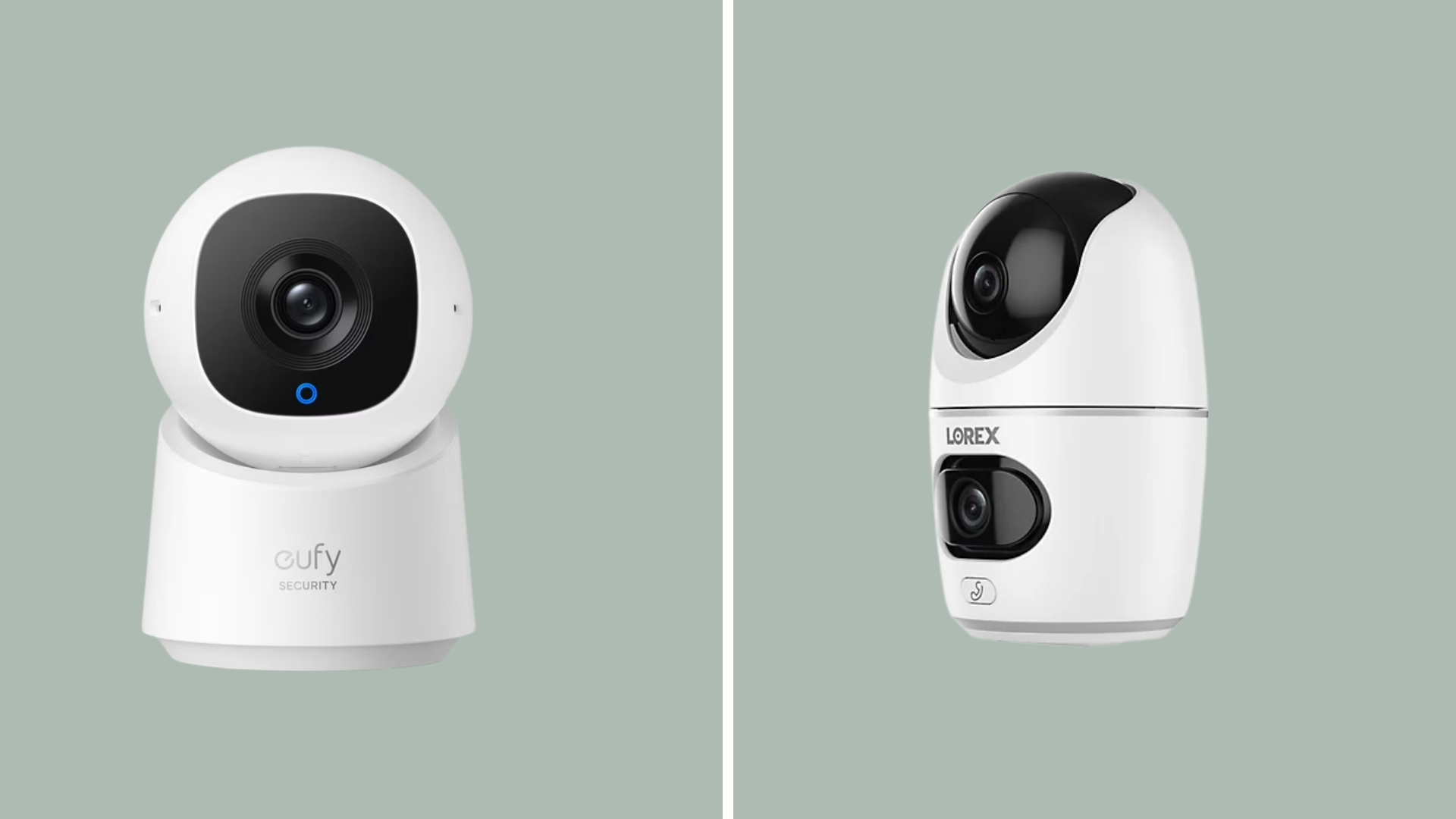
Indoor security cameras are built for monitoring enclosed spaces such as living rooms, hallways, bedrooms, or offices.
They usually include motion alerts, night vision, two-way audio, and app-based remote access, all packed into a compact design that blends easily into indoor settings.
Models like the Eufy Solo Indoor-Cam C220 or Lorex 2K Dual Lens Indoor show how these features fit into small, user-friendly devices.
However, they are not weather-resistant and often need a nearby power source, making them best for apartments or indoor home monitoring.
2. Outdoor Security Cameras
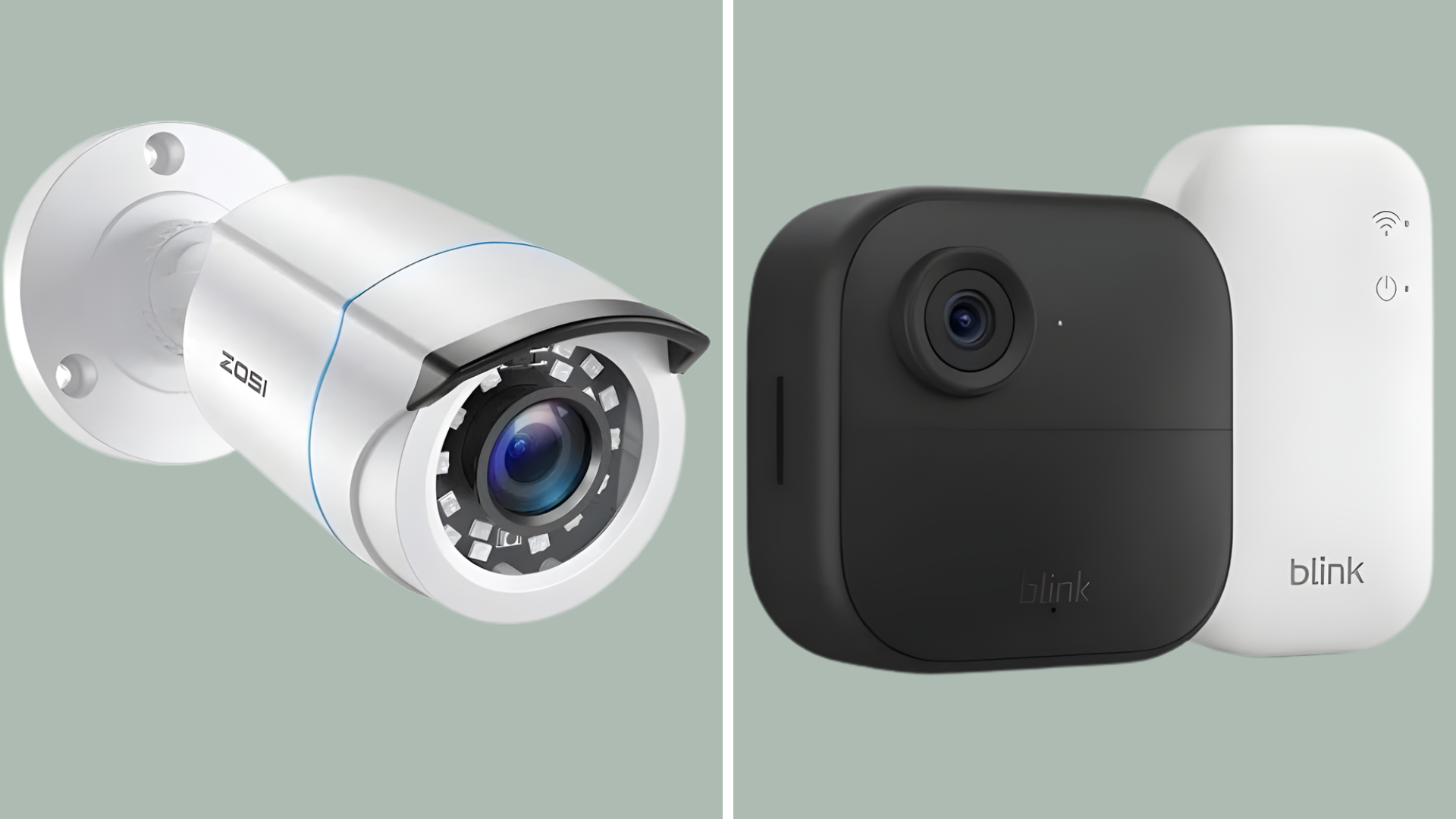
Outdoor security cameras are designed to monitor exterior areas such as driveways, yards, garages, and entry points while withstanding changing weather conditions.
They typically include weather-resistant housing, infrared night vision, wide viewing angles, and motion-triggered recording to capture activity day or night.
Models like the ZOSI Outdoor Hardwired Home Security Camera or the Blink Outdoor 4 Security Camera demonstrate how durability and smart alerts are combined in modern designs.
However, they may require stable WiFi or wired power, making proper placement and connectivity planning essential.
3. Wired Cameras
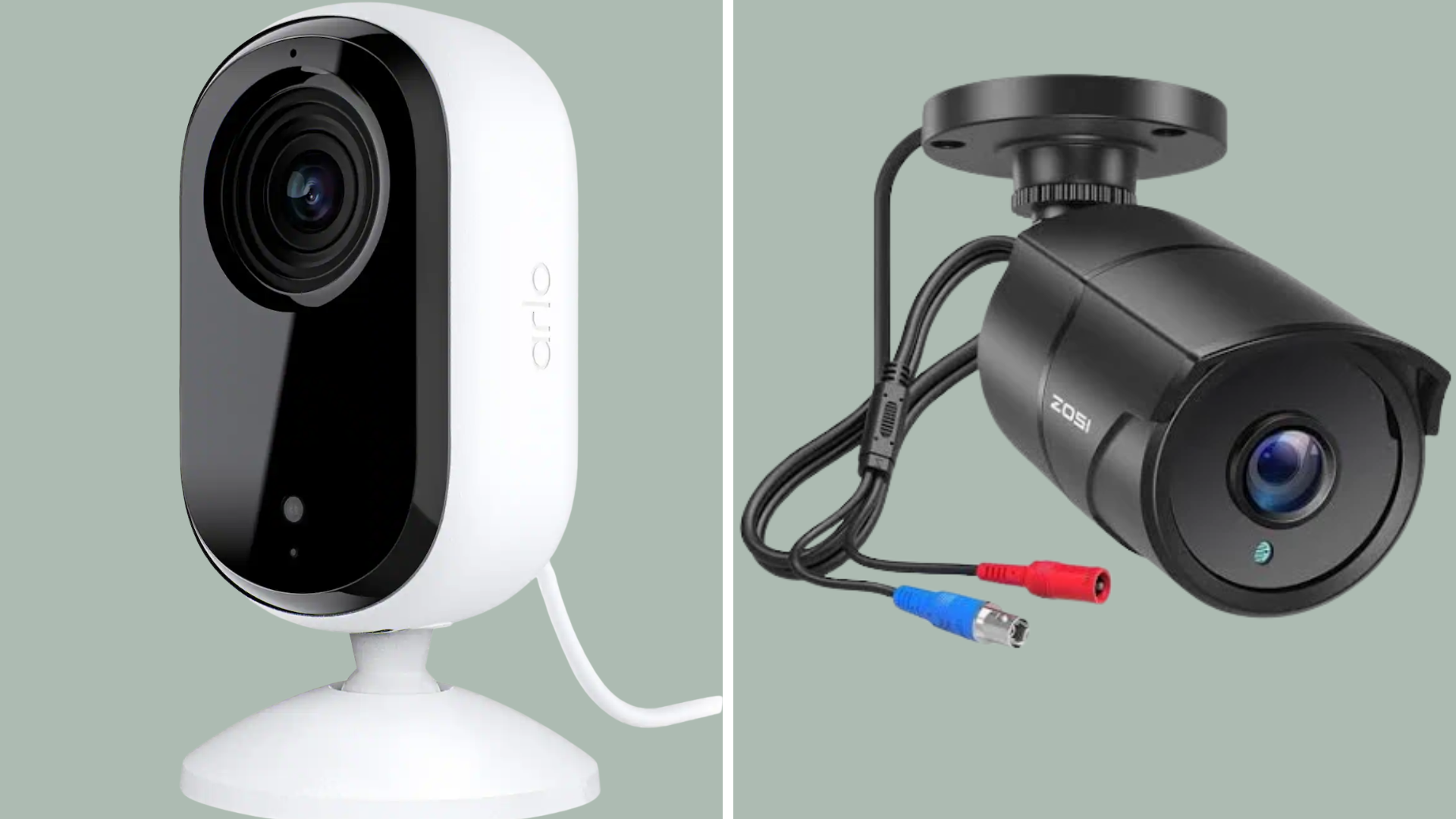
Wired security cameras connect via physical cables for both power and data transmission, offering a stable, consistent connection without relying on WiFi signal strength.
They are commonly used for permanent setups in homes, offices, or larger properties where continuous recording is important.
Systems like Arlo – Essential 1-Camera Indoor Wired or ZOSI 1080p Full HD TVI Hardwired cameras show how DVR or NVR storage supports reliable footage.
However, installation can require drilling and cable routing, making them better suited to long-term monitoring than to flexible placement.
4. Wireless Cameras
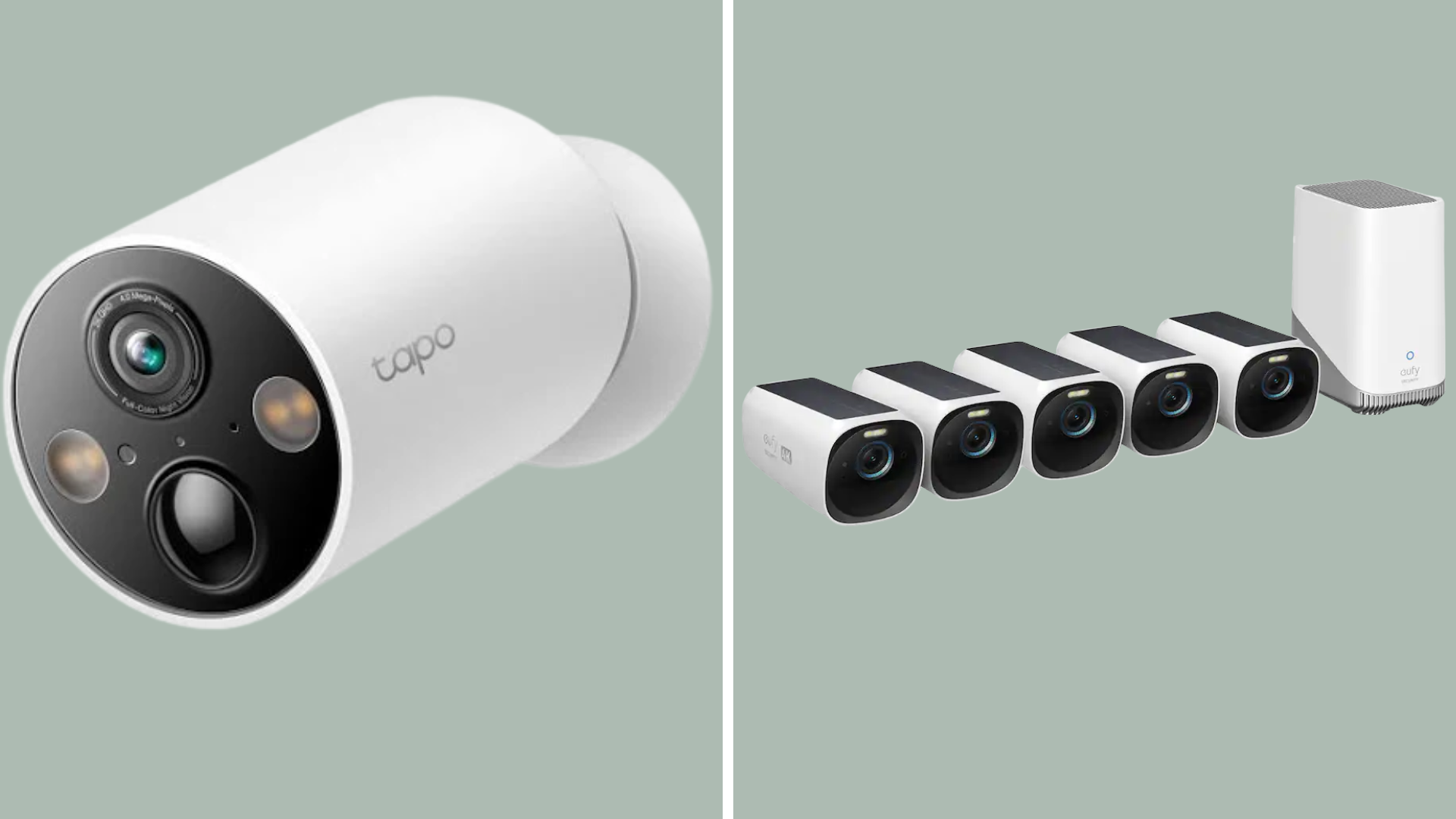
Wireless security cameras use Wi-Fi and are often powered by rechargeable batteries, making installation quicker and more flexible than with wired systems.
They work well in spaces where running cables is difficult, such as rental homes or temporary setups.
Cameras like the EufyCam 3 5-Outdoor Wireless or TP-Link Tapo Wire-Free MagCam models show how mobile alerts, cloud storage, and app control are integrated into portable designs.
However, performance depends on network stability and regular battery charging, which requires ongoing attention.
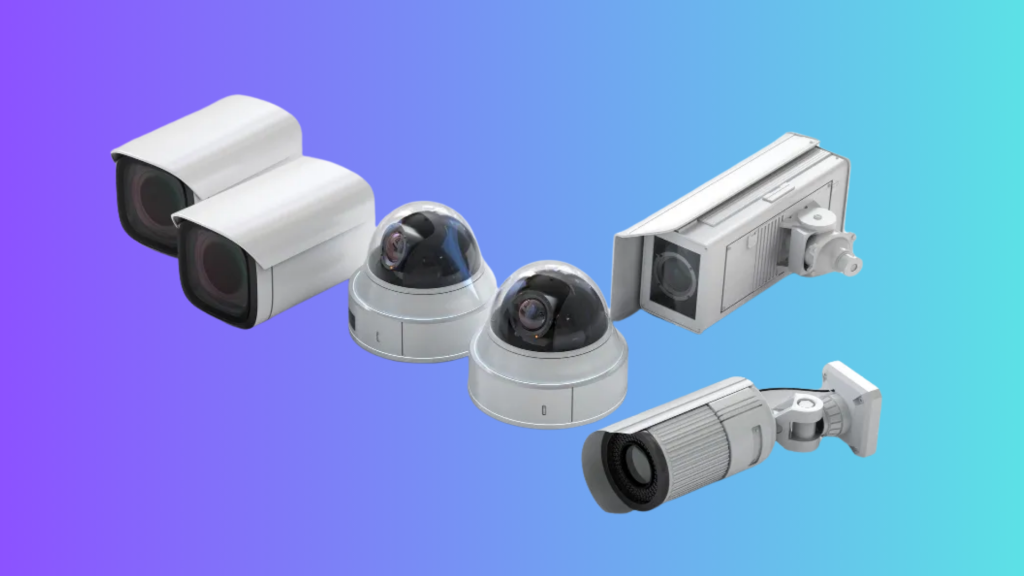
5. Bullet Cameras
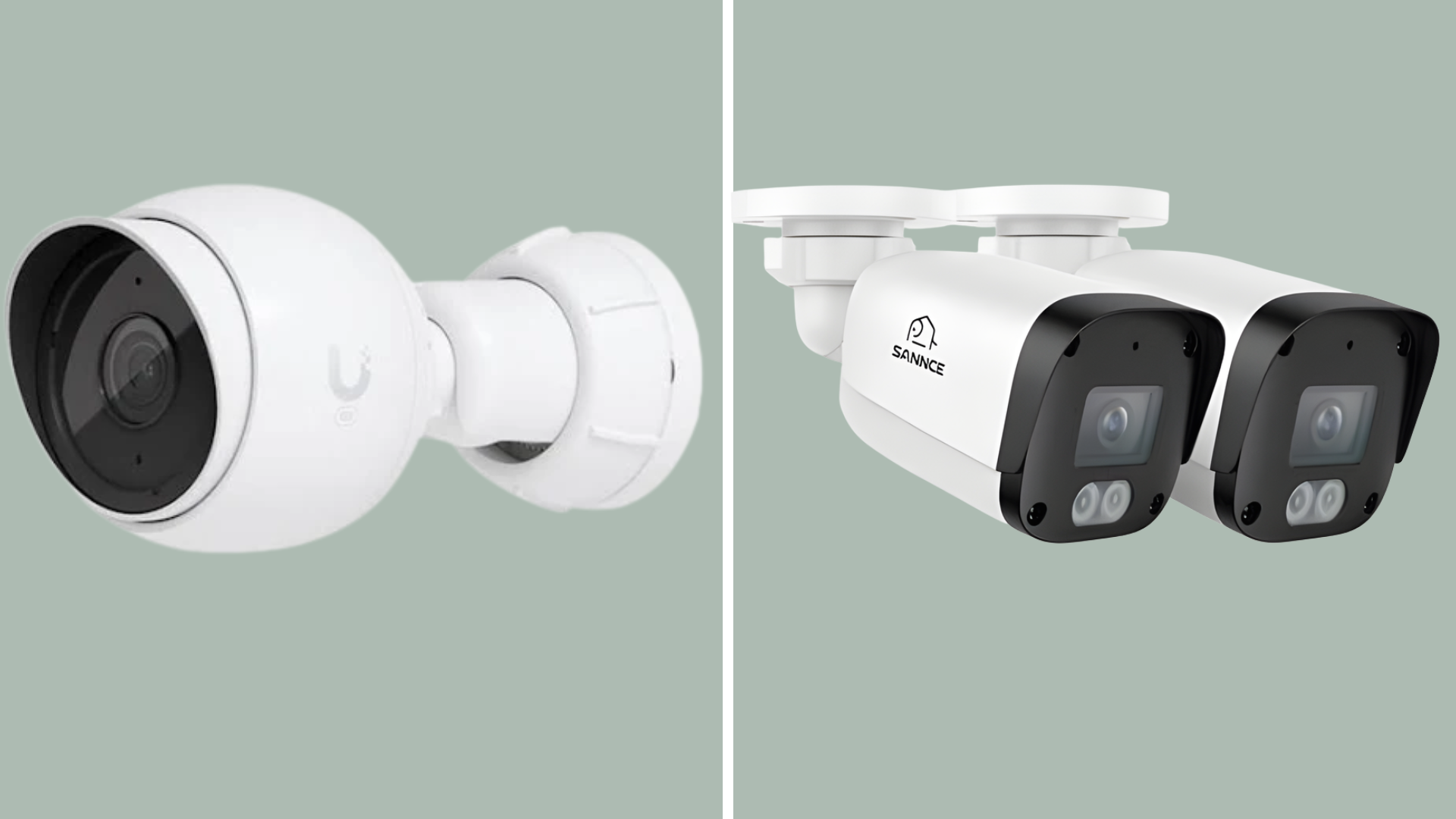
Bullet cameras are long, cylindrical security cameras designed to capture footage in a fixed direction, often covering entrances, driveways, or perimeter fences.
Their shape allows them to focus on longer distances, making them effective for targeted outdoor monitoring.
Models like the Ubiquiti Camera G5 Bullet UVC-G5-BULLET or various PoE HD Bullet cameras from brands such as Sannce demonstrate how weather-resistant housing and adjustable mounts support precise positioning.
However, their visible design can make them easier to spot, requiring thoughtful placement to reduce tampering risks.
6. Dome Cameras
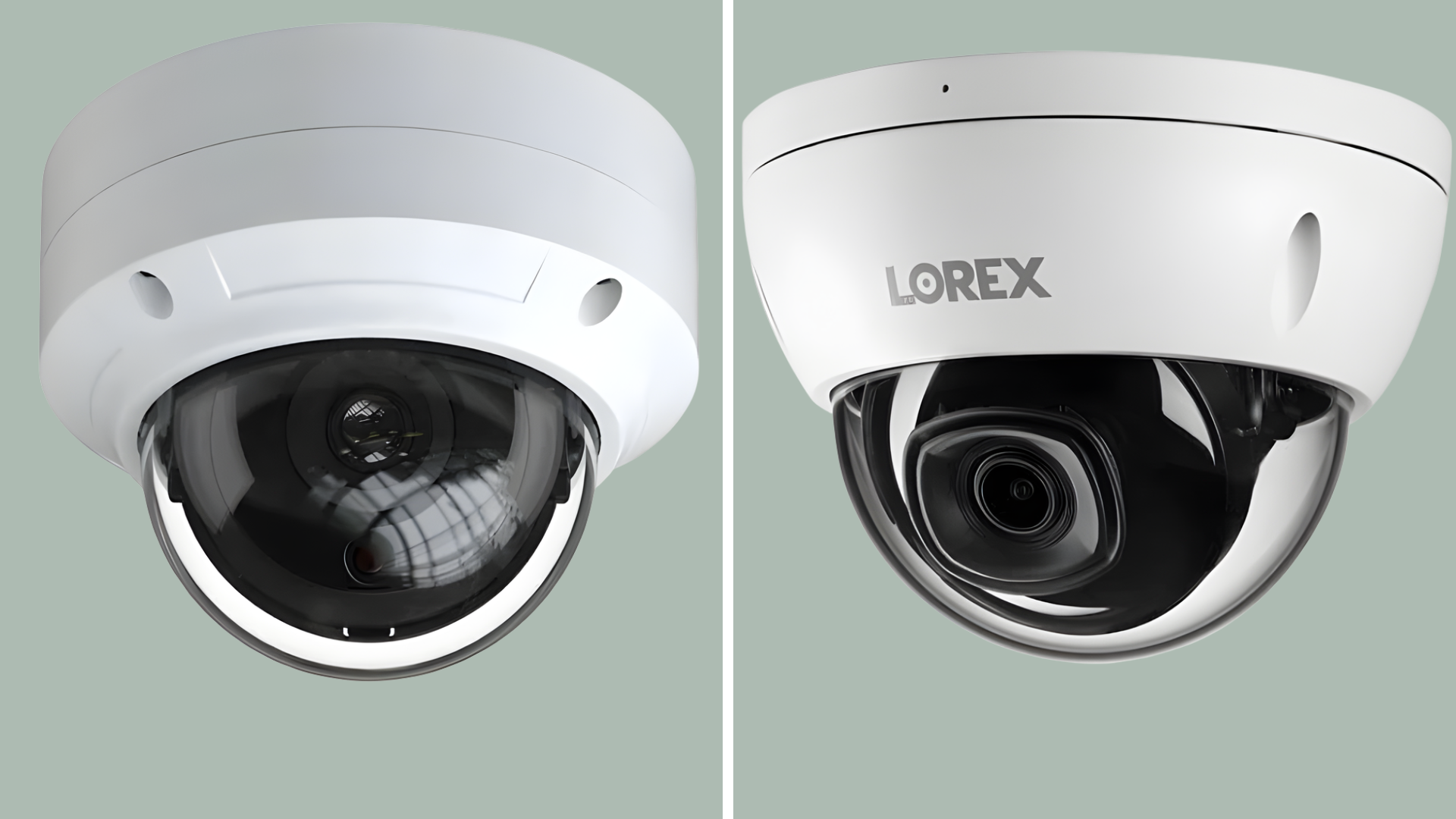
Dome cameras feature a rounded, compact design that is typically mounted on ceilings in stores, offices, or covered outdoor areas.
Their tinted dome casing makes it difficult to tell which direction the lens is facing, adding an extra layer of deterrence.
Models like the Vandal-Proof Security Camera Dome or Lorex E851AD 4K UHD Outdoor Dome Camera from commercial brands highlight wide-angle coverage and durable housing.
However, precise angle adjustments can be slightly limited compared to exposed camera designs.
7. PTZ Cameras
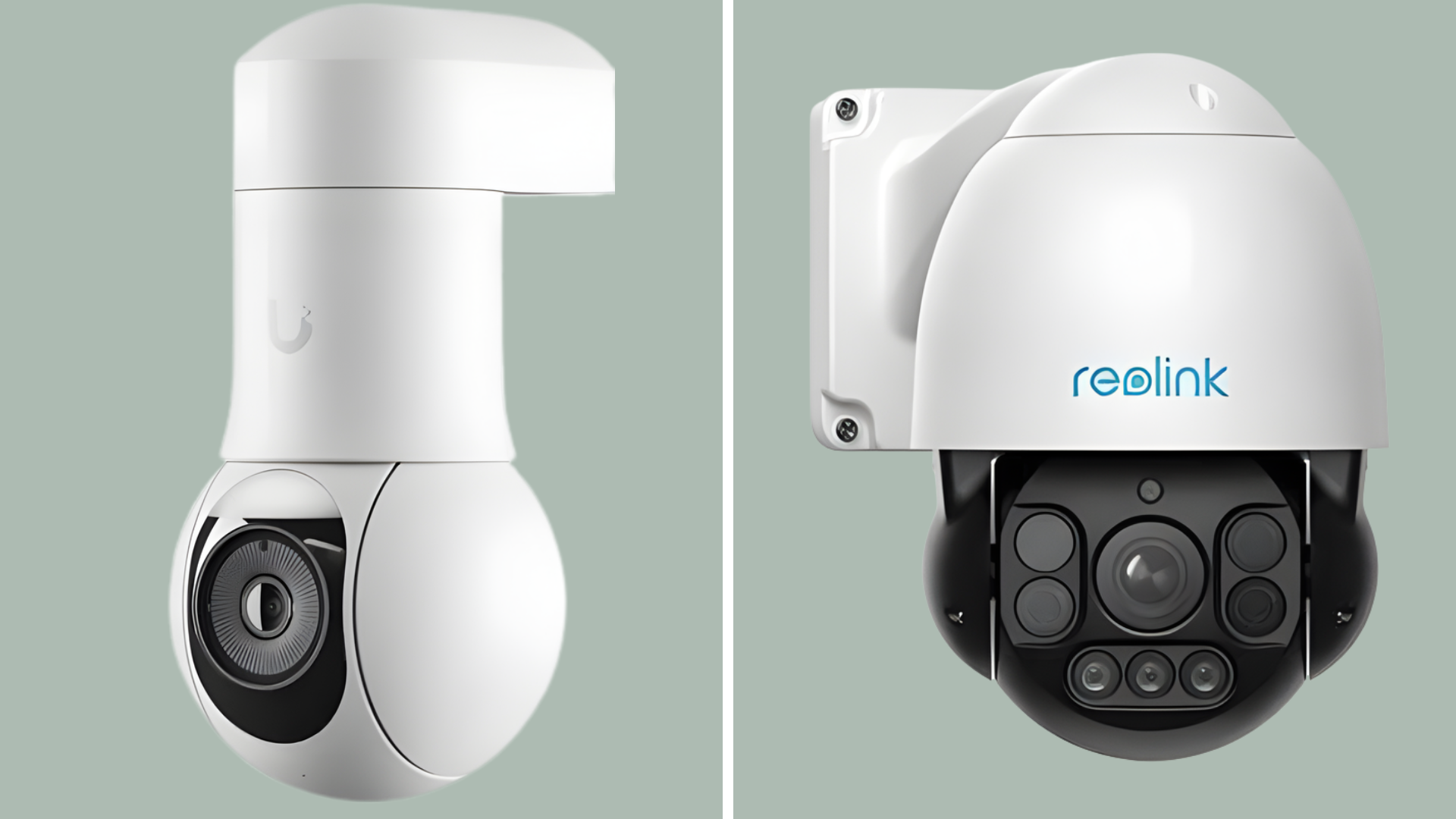
PTZ cameras, short for pan, tilt, and zoom, allow users to remotely adjust the viewing angle and zoom level.
They can track movement in real time and often support preset patrol paths for wider coverage.
Models like the Reolink 4K PTZ Outdoor PoE IP Camera or the Ubiquiti Camera G5 PTZ UVC-G5-PTZ demonstrate how advanced control features are integrated into a single unit.
However, they are typically more expensive and require careful setup. They are better suited for monitoring large areas, such as warehouses, parking lots, or open properties.
8. Doorbell Cameras
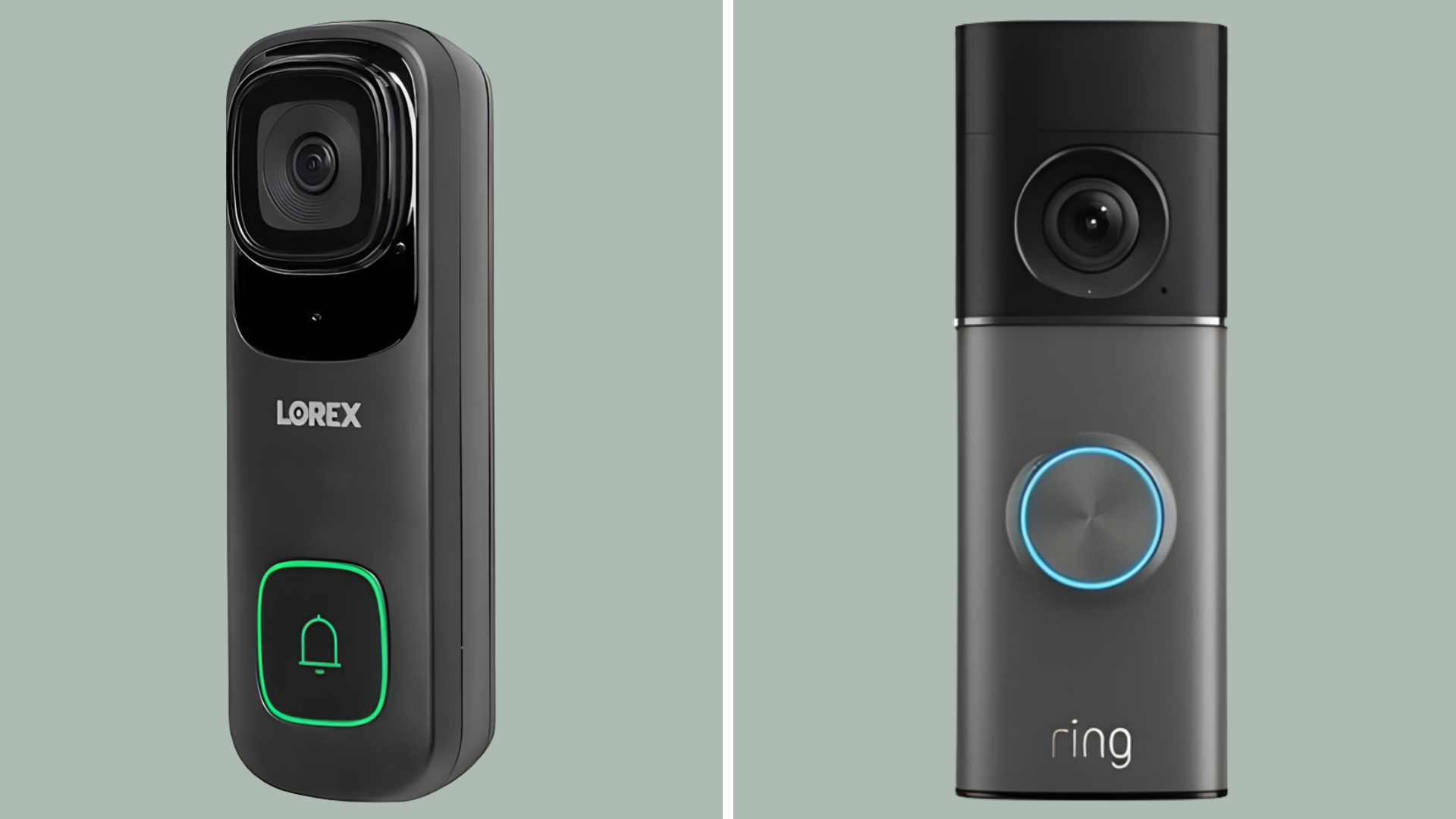
Doorbell cameras combine video monitoring with traditional doorbell functionality, allowing users to see and communicate with visitors through a mobile app.
They are installed at entry points and are useful for tracking deliveries, monitoring unexpected visitors, or checking activity near the front door.
Models like the Ring Wired Doorbell Pro or Lorex 4K Wired Video Doorbell show how motion alerts and two-way audio are integrated into compact designs.
However, their coverage is limited to the immediate doorway area. Within the types of security cameras, this option focuses on entry-point awareness.
9. Floodlight Cameras
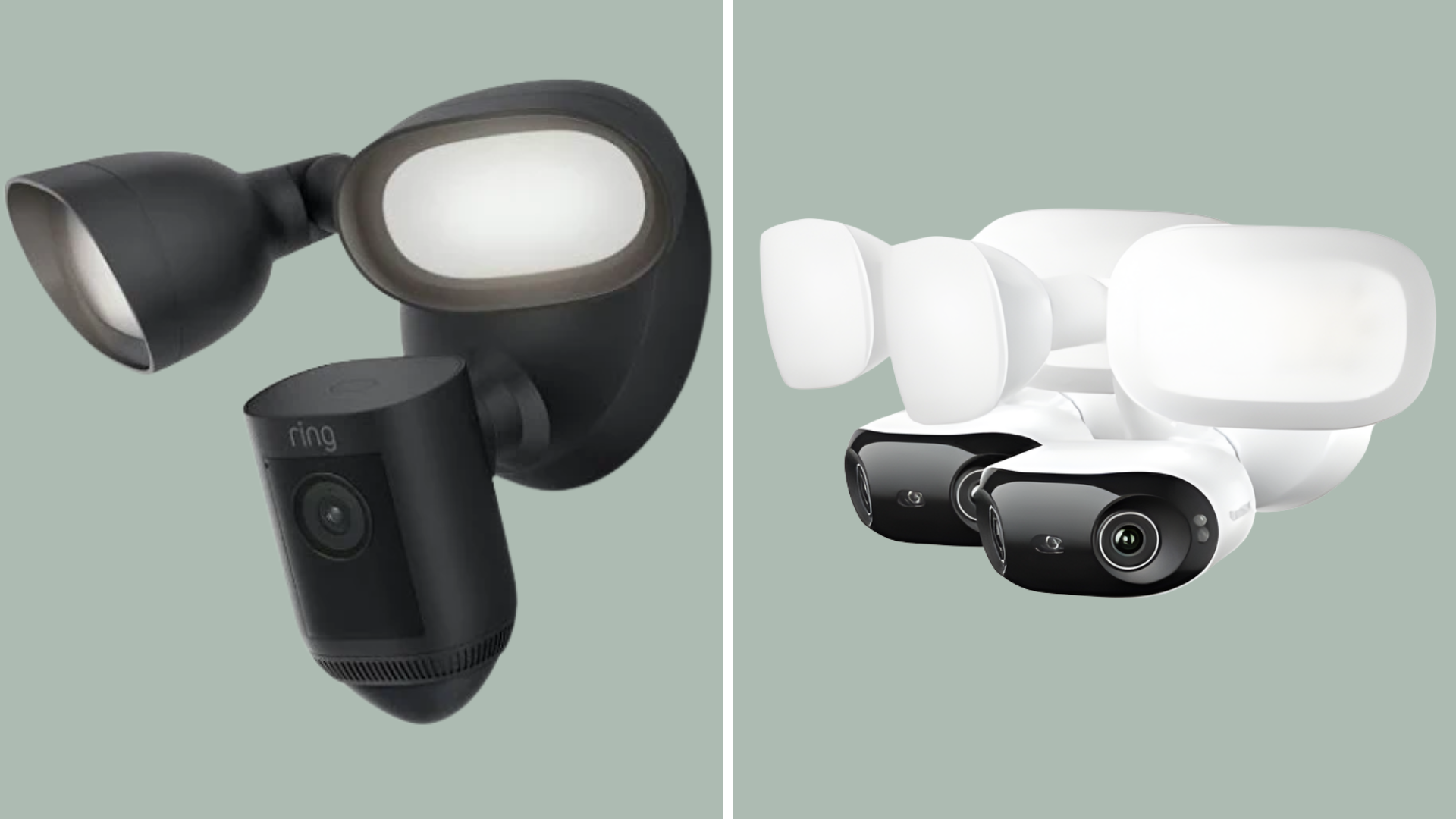
Floodlight cameras combine bright outdoor lighting with built-in video surveillance, making them effective for monitoring driveways, backyards, and dark exterior corners.
When motion is detected, the lights activate to improve visibility and record activity with clearer detail.
Models like the Ring Floodlight Cam Pro Wired or the Reolink Elite Floodlight show how illumination, motion alerts, and high-resolution video work together in a single unit.
However, they usually require a wired power connection due to higher energy usage. They provide both security and functional lighting for outdoor spaces.
Tips to Choose the Right Security Cameras
The tips below help narrow options by focusing on placement, features, power requirements, and cost, making camera selection more straightforward and better suited to security needs.
- Coverage area: Identify indoor or outdoor spaces to ensure the camera view matches the size, angles, and activity level of the area.
- Power source: Decide between wired, battery, or solar options based on access to outlets and ease of ongoing maintenance.
- Video quality: Choose a high resolution and a strong night-vision setting to capture usable footage in both daylight and low-light conditions.
- Smart features: Compare alerts, mobile access, and storage options across different types of security cameras to match daily monitoring needs.
- Budget planning: Balance upfront cost, subscription fees, and replacement expenses to avoid overspending while still meeting security requirements.
Conclusion
I’ve covered the key points to consider when choosing security cameras, including placement and power, as well as features and maintenance.
Each option serves a different purpose, so the best choice depends on the space, usage, and level of control needed.
By comparing benefits and limits side by side, decisions become more practical and less confusing. Learning about the types of security cameras helps narrow options without relying on trends or brand claims.
A well-matched setup offers better coverage, fewer blind spots, and long-term value. Before buying, it helps to review priorities, installation limits, and ongoing costs.
Use this blog as a reference, not a rulebook, and adjust based on real needs.
Now it’s your turn, share your space, goals, or questions in the comments, and let’s figure out the setup together.